
Plan a trip
Hyena Conservation Safari: A Guide for American Travelers
Last updated: April 2026
Most American travelers planning their first African safari have the Big Five in mind. A growing number are looking for something more specific — and more meaningful.
Hyena conservation has emerged as one of the most compelling reasons to choose Southern Africa. Not for the viewing alone, but for the chance to work alongside real conservation teams in the field. Here is everything you need to plan your trip from the USA.
Why American Travelers Are Choosing Conservation Safaris
The standard African safari is no longer enough for a significant segment of the American market. Travelers who have followed wildlife documentaries, read about conservation crises, or simply want their vacation dollars to do more than fund game drives are actively seeking experiences with direct conservation value.
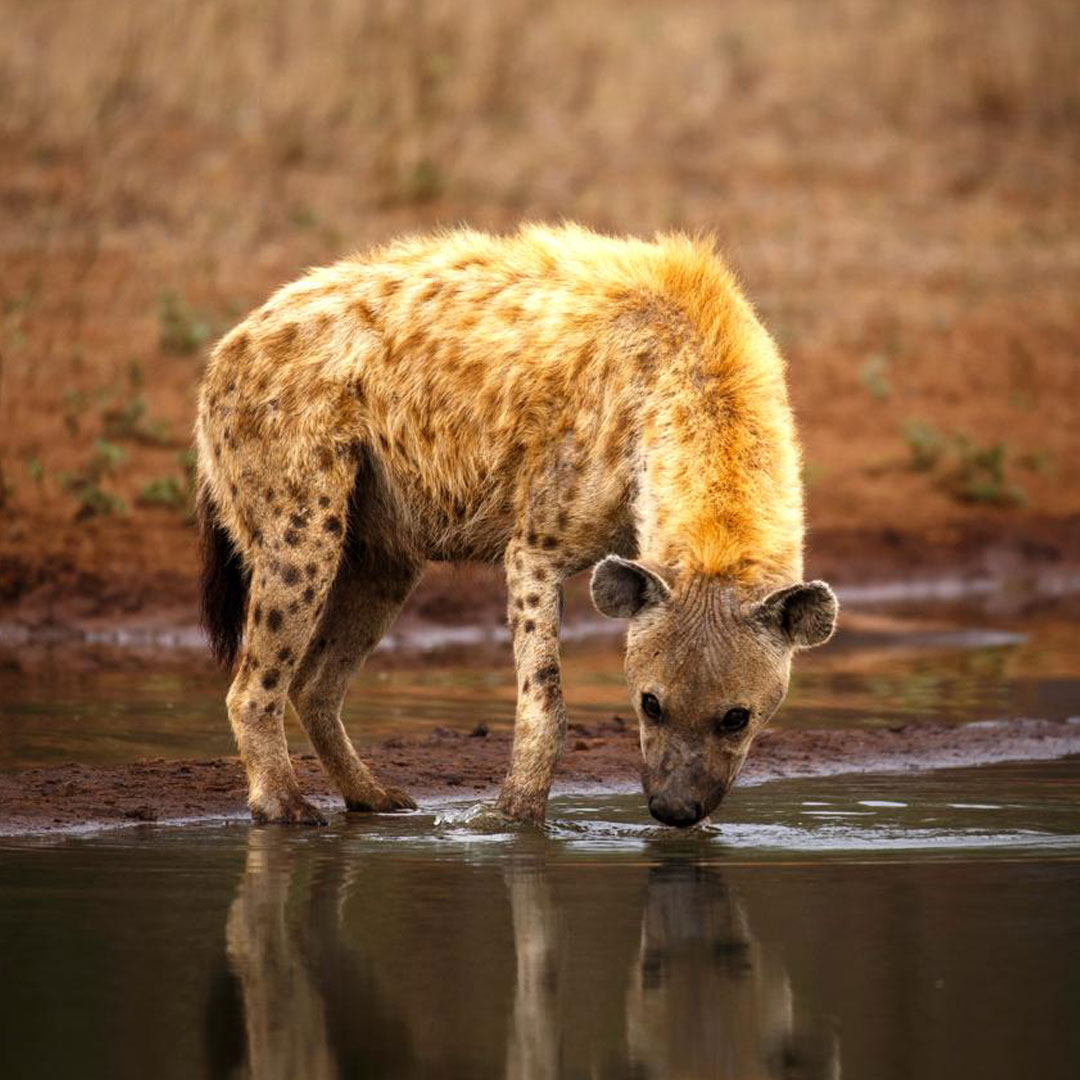
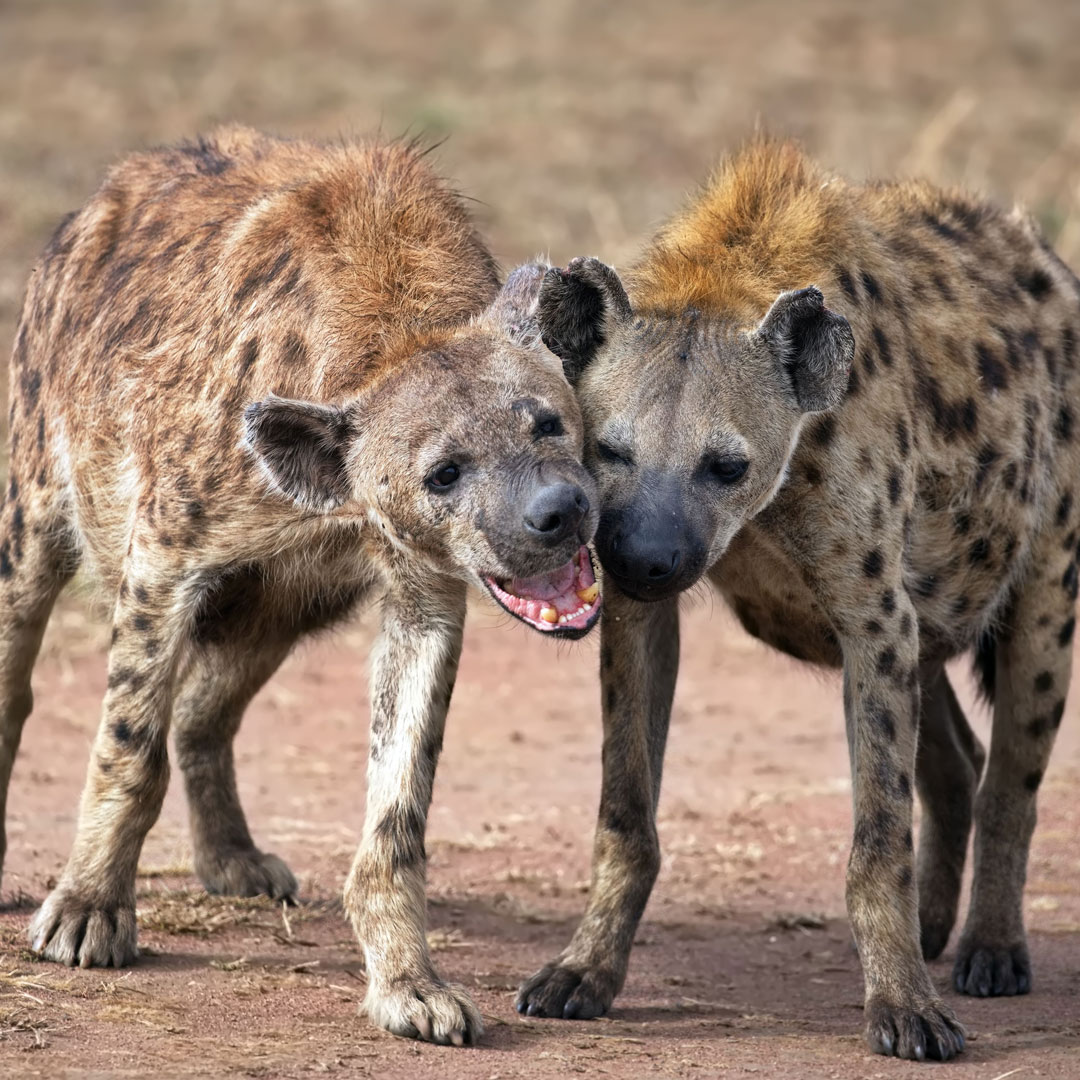
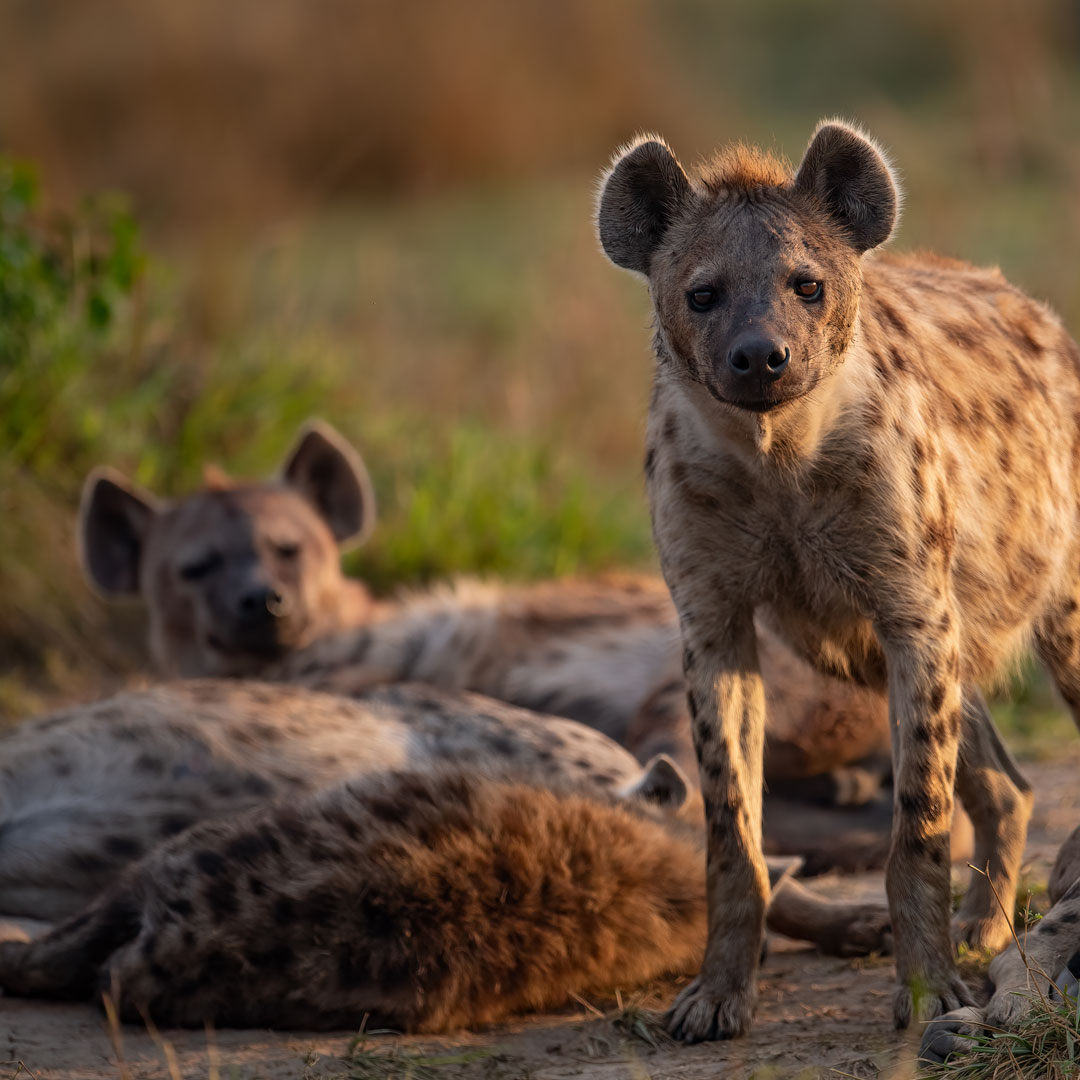
Hyena conservation fits this perfectly. Spotted hyenas are one of Africa’s most ecologically critical species — and one of its most misunderstood. For Americans raised on The Lion King, the opportunity to spend time in the field with real researchers actively changing the conservation picture for this species carries a specific cultural resonance. It is also genuinely exclusive. Fieldwork access of this kind is not on the standard itinerary menu.
Getting to Southern Africa from the USA
The main gateway for Southern Africa is O.R. Tambo International Airport, Johannesburg (JNB). Direct flights operate from:
- New York (JFK) — Delta and South African Airways operate direct flights; approximately 15–16 hours
- Atlanta (ATL) — Delta direct; approximately 16 hours
- Washington D.C. (IAD) — United via connecting hub; approximately 18–20 hours total
- Los Angeles (LAX) — typically one connection via London, Dubai, or Doha; 20–22 hours total
- Miami (MIA) — one connection; approximately 18–20 hours
US citizens do not require a visa for South Africa (stays up to 90 days), Botswana (90 days), or Zambia (90 days for most visits). A valid US passport with at least six months’ validity beyond your travel dates is required. No special vaccinations are mandatory, though recommended protocols vary by destination — consult your doctor or a travel health clinic 6–8 weeks before departure.
Best Time to Visit from an American Perspective
The Southern African dry season — May through October — is the optimal window for wildlife and conservation fieldwork. Vegetation is low, game concentrates at water sources, and hyena clan activity is highly visible. This conveniently aligns with American summer vacation (June–August), making it the most popular travel window.
For families working around school calendars, June and July are ideal: peak dry season, excellent hyena sightings, and optimal conditions for conservation fieldwork including GPS monitoring and camera trap checks. December (winter break) falls in the Southern Hemisphere summer — green season, with some trade-offs in visibility but fewer tourists, lower pricing, and spectacular afternoon thunderstorms that transform the landscape.
If flexibility allows, August and September are the sweet spot: very dry, game highly concentrated, and conservation operations at full schedule ahead of the summer rains.
What Your Hyena Conservation Experience Looks Like
Ranger Buck Safaris builds itineraries around what is actually happening on the ground — not a scripted programme. Depending on the field schedule during your visit, a typical day might include:
- Early morning game drive with experienced field guides tracking hyena clan activity and den sites
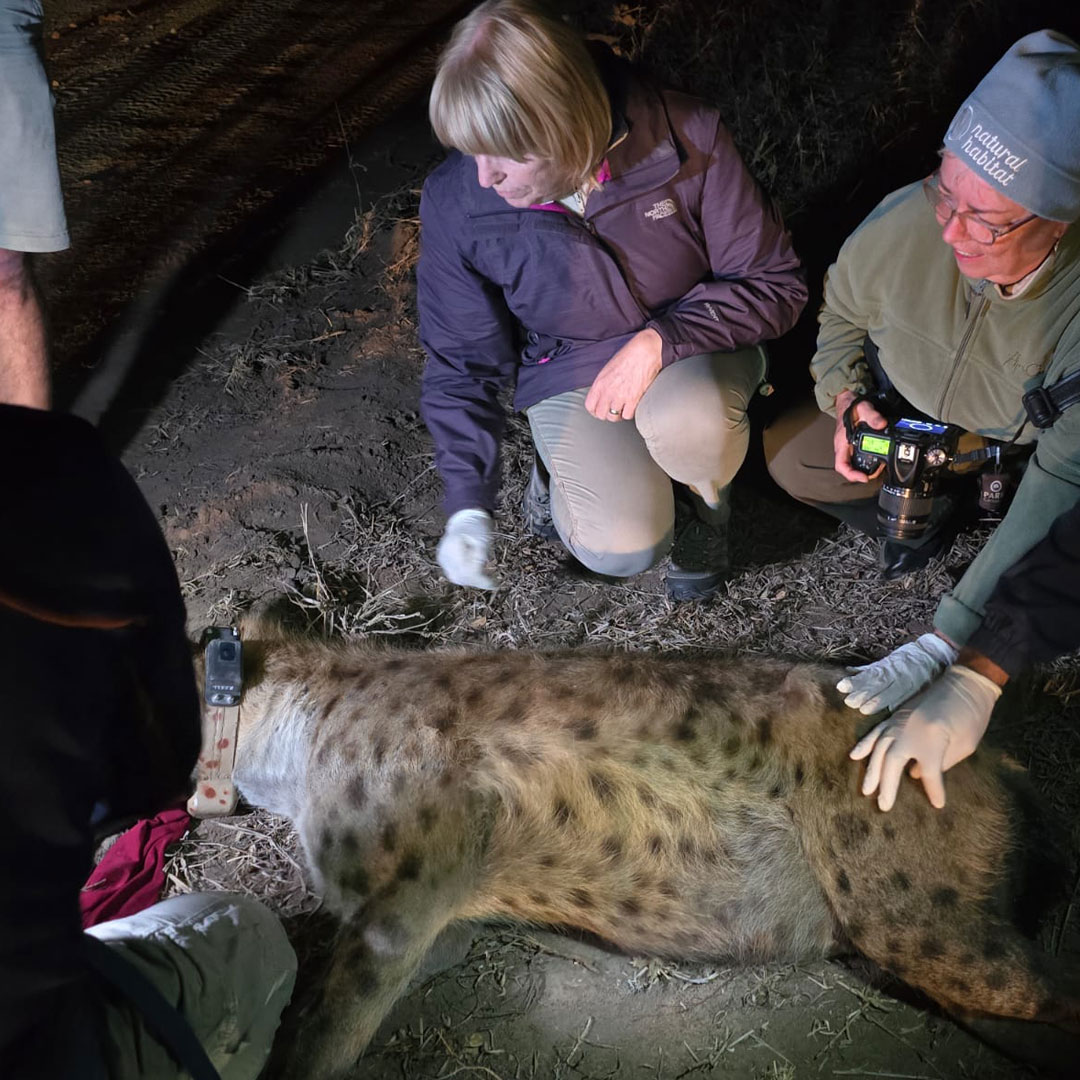
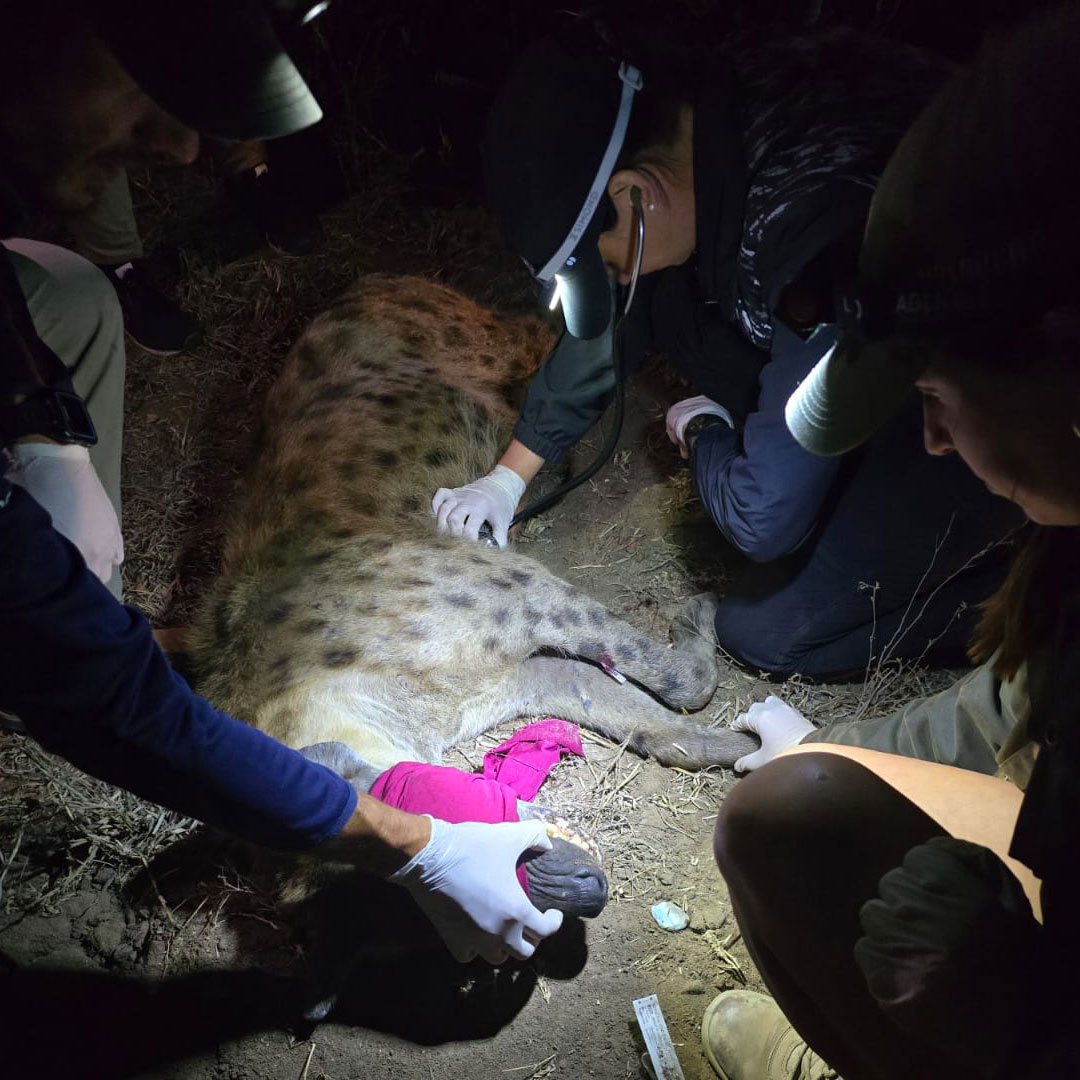
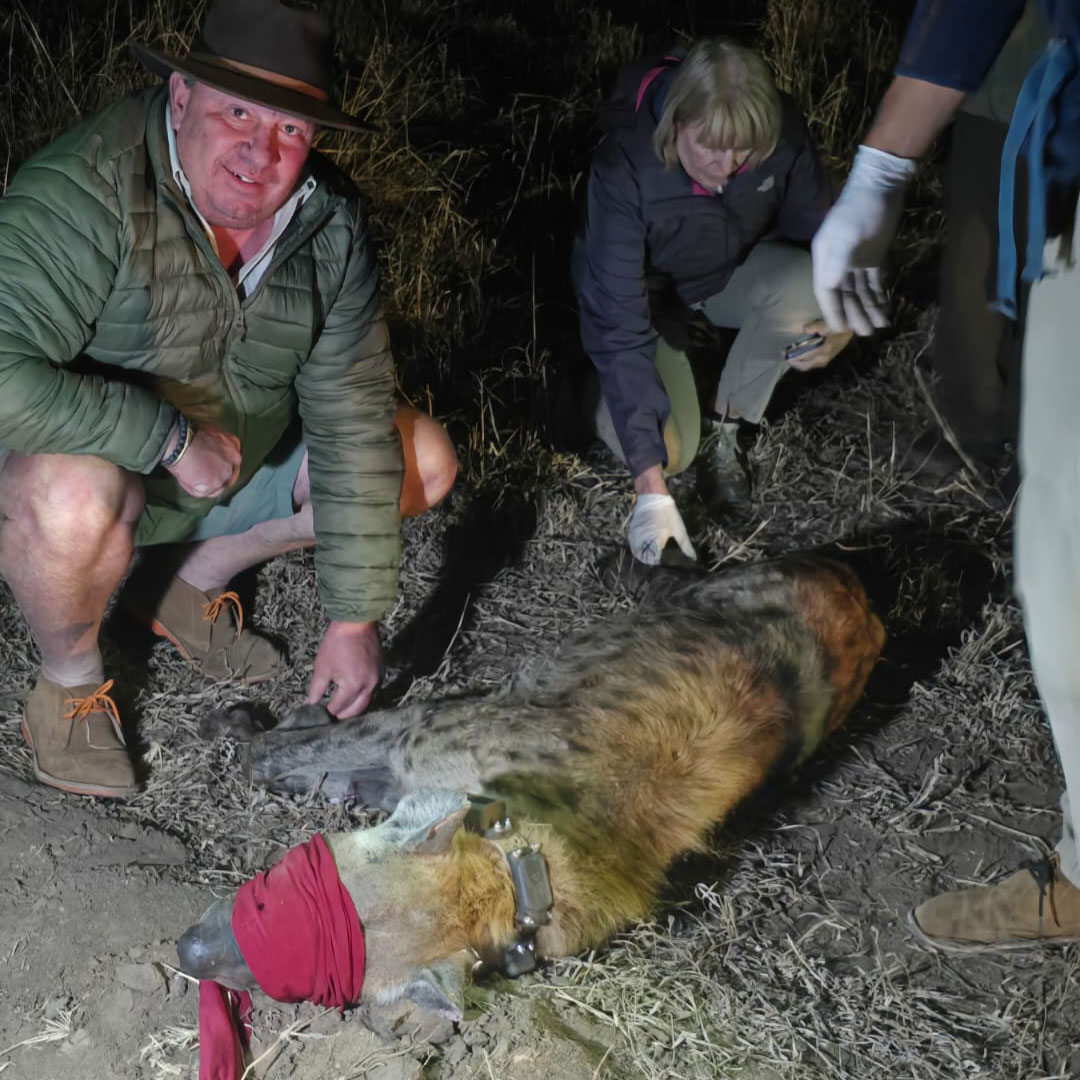
- Joining conservation field staff on camera trap checks or GPS collar data retrieval
- Attending a field briefing on current monitoring data — understanding what the numbers mean and how decisions are made
- Evening sundowner in the bush, followed by a night drive (night is when hyenas are most active)
- Returning to luxury lodge accommodation with full-service dining and all the comforts of a premium safari
This is not a volunteer programme. You are not staying in a tent doing laundry by hand. The conservation experience is integrated into a full luxury safari — the kind of itinerary you would expect from a premium Africa specialist, with the addition of genuine fieldwork access.
What It Costs — USD Context
Southern African luxury safari pricing is typically quoted per person per night in USD. For conservation-focused itineraries in the Greater Kruger ecosystem, Botswana, and Zambia, expect:
- Private reserve lodges (Sabi Sands, Timbavati, Klaserie): $600–$1,500 per person per night all-inclusive
- Botswana private camps (Okavango, Chobe): $800–$2,000 per person per night all-inclusive
- Zambia bush camps (South Luangwa): $500–$1,200 per person per night all-inclusive
A well-structured 10–14 night conservation itinerary combining two to three destinations runs between $8,000 and $20,000 per person, including internal flights. International airfare from the US adds $1,200–$2,500 per person depending on departure city and booking timing.
These figures reflect the premium that genuine conservation access, expert guiding, and luxury accommodation command. The market average budget for US safari travelers has risen to $5,500–$7,500, with conservation-focused itineraries sitting toward the upper end. What you are buying is access and authenticity that a standard package cannot provide.
Building Your Itinerary from the USA
The most effective Southern Africa itineraries for American travelers combine two to three destinations. Our recommended structures for a hyena-focused trip:
10 nights — South Africa focus: 3 nights Johannesburg area (arrival buffer + city) + 4 nights Sabi Sands or Timbavati (spotted hyena and Big Five) + 3 nights Kgalagadi (brown hyena specialty). Domestic flights between destinations; no international connections required after arrival.
14 nights — Southern Africa circuit: Johannesburg arrival + 4 nights Greater Kruger private reserve + 4 nights Botswana (Okavango or Chobe) + 3 nights Zambia (South Luangwa) + Victoria Falls extension. Covers spotted hyena populations across three countries with a natural geographic flow.
Ranger Buck Safaris handles every element from Johannesburg arrival to departure: lodge bookings, internal charter flights, conservation fieldwork access, and guiding throughout. US travelers can book directly via our enquiry form and receive a fully costed itinerary within 48 hours. We work with US-based travel advisors and are happy to liaise directly with your agent if you have one.
Hyena Conservation Library
Everything you need to understand hyenas — their biology, behaviour, threats, and the work being done to protect them.
- Hyena conservation efforts explained →
- How many hyenas are left in Africa? →
- Are hyenas endangered? →
- Why are hyenas important to the ecosystem? →
- Human–hyena conflict explained →
- Human–hyena conflict solutions →
- Spotted, striped and brown hyenas →
- Where to see hyenas in Africa →
- Is a hyena conservation experience ethical? →
- What do hyenas eat? →
- Why do hyenas laugh? →
- Are hyenas scavengers or hunters? →
- How strong is a hyena’s bite? →
- Hyena intelligence & behaviour →
- Hyena myths vs facts →
- Hyena social structure & clans →
- Are hyenas dangerous? →
- How hyenas are monitored →
- Hyena threats: poisoning & snaring →
- Hyenas vs lions →
- Hyena vs leopard →
- Hyena vs wild dog →
- Hyena reproduction & cubs →
- Hyena habitat & range →
- Hyenas in African culture & folklore →
- Hyena conservation organisations →
- Hyena Conservation South Africa →
- Hyena Conservation Botswana →
- Hyena Conservation Zambia →
- Hyena Conservation Experience →
get in touch with us
+27 83 653 5776
+27 83 653 5776 (WhatsApp)
info@rangerbucksafaris.com
16 Lourie Close, Meyersdal Eco Estate,
Alberton, Gauteng
16 Lourie Close, Meyersdal Eco Estate, Alberton, Gauteng

Website by Keeden Marketing | 2024
