
Plan a trip
Human–Hyena Conflict Solutions
Last updated: April 2026
Human–hyena conflict is not inevitable. In areas where structured interventions are in place, retaliatory killing drops significantly and communities shift from active persecution to cautious tolerance.
No single solution works everywhere. The approaches that deliver results are practical, community-led, and financially sustainable. Here is what the evidence shows.

Predator-Proof Enclosures
The most direct cause of conflict is livestock being accessible to predators overnight. The most direct solution is removing that access.
Reinforced kraals and bomas — livestock enclosures built with heavy-gauge wire mesh, secure gates, and solid foundations that prevent hyenas from digging under — dramatically reduce overnight predation rates. Studies from across southern and East Africa show predation losses dropping by 80% or more in communities where properly constructed enclosures are introduced.
The practical challenge is cost and maintenance. Initial construction requires materials and skilled labour. For smallholder farmers with limited capital, even a partial enclosure for the most vulnerable animals — young lambs and goats — can significantly reduce the economic impact of predation.
Compensation Schemes
When a family loses livestock to a predator and receives fair, fast compensation, the incentive to retaliate drops sharply. This is well-documented across lion, leopard, and hyena conflict contexts.
The word ‘fast’ matters. Compensation that arrives weeks or months after a loss does little to reduce the immediate anger that drives retaliatory poisoning. Programmes that verify losses quickly and pay out promptly are significantly more effective at reducing subsequent killings than those with slow bureaucratic processes.
Sustainability is the core challenge. The most resilient models tie compensation to tourism revenue — so the financial incentive to tolerate predators grows as wildlife-based income grows.
Community Education Programmes
The cultural dimensions of human–hyena conflict — particularly the grave-robbing association and the deeply embedded scavenger myth — cannot be addressed by enclosures and payments alone.
Education programmes that explain the ecological role of hyenas, demonstrate their value to ecosystem health, and specifically address the misconceptions that drive extreme persecution have shown measurable impact in reducing tolerance for poisoning and snaring.
Engaging traditional leaders and elders is equally important. In communities where hyena persecution is culturally sanctioned, top-down messaging from outside organisations is largely ineffective. Change happens through trusted internal voices, not external instruction.
Early Warning and Rapid Response
Much of the damage in conflict situations happens not during the initial predation event but in the days that follow, when community members are angry and motivated to act. Rapid response systems that reach affected families quickly can interrupt the cycle before retaliation occurs.
Community ranger networks — local residents trained and employed to monitor wildlife movements near reserve boundaries — provide early warning when predators are ranging into farming areas. Rapid response teams that arrive at conflict sites within hours verify losses, provide immediate support, and implement short-term deterrence measures.
Conservation Tourism Revenue
The most durable long-term solution to human–wildlife conflict is economic: when communities derive meaningful income from the presence of wildlife, their tolerance for the costs of living alongside predators increases.
This is not a theoretical principle. Across Southern and East Africa, communities with direct financial stakes in wildlife tourism — through employment, community levies, or lodge equity — report significantly lower rates of retaliatory killing than communities excluded from tourism benefits.
The model only works when the financial flow is transparent, fair, and reliable. Communities that have been promised tourism benefits and not received them are among the most hostile to conservation interventions.
What a Conservation Safari Guest Contributes
A guest on a Ranger Buck Safaris hyena conservation experience is not a passive observer. Your presence and your spend have direct, traceable consequences in the field.
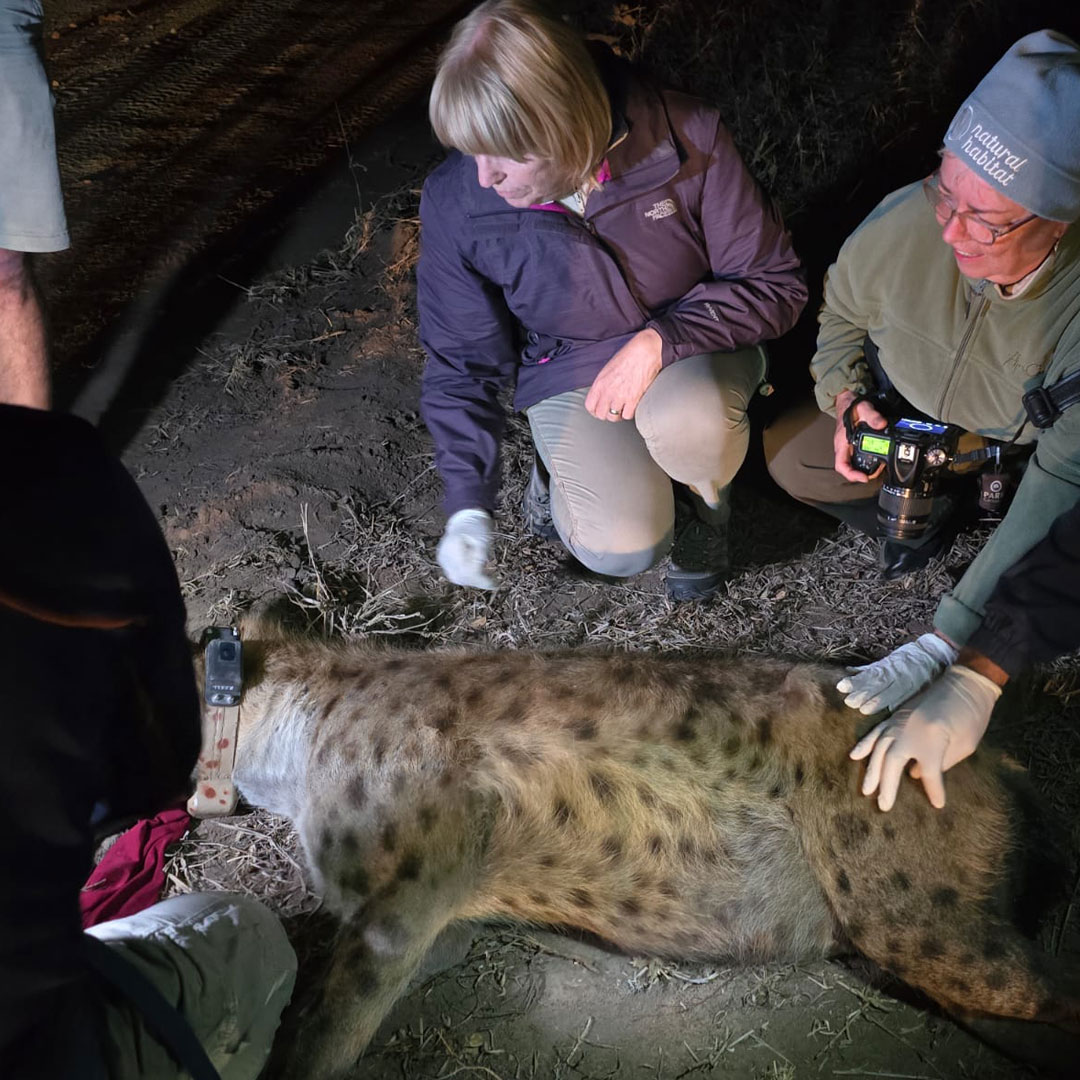
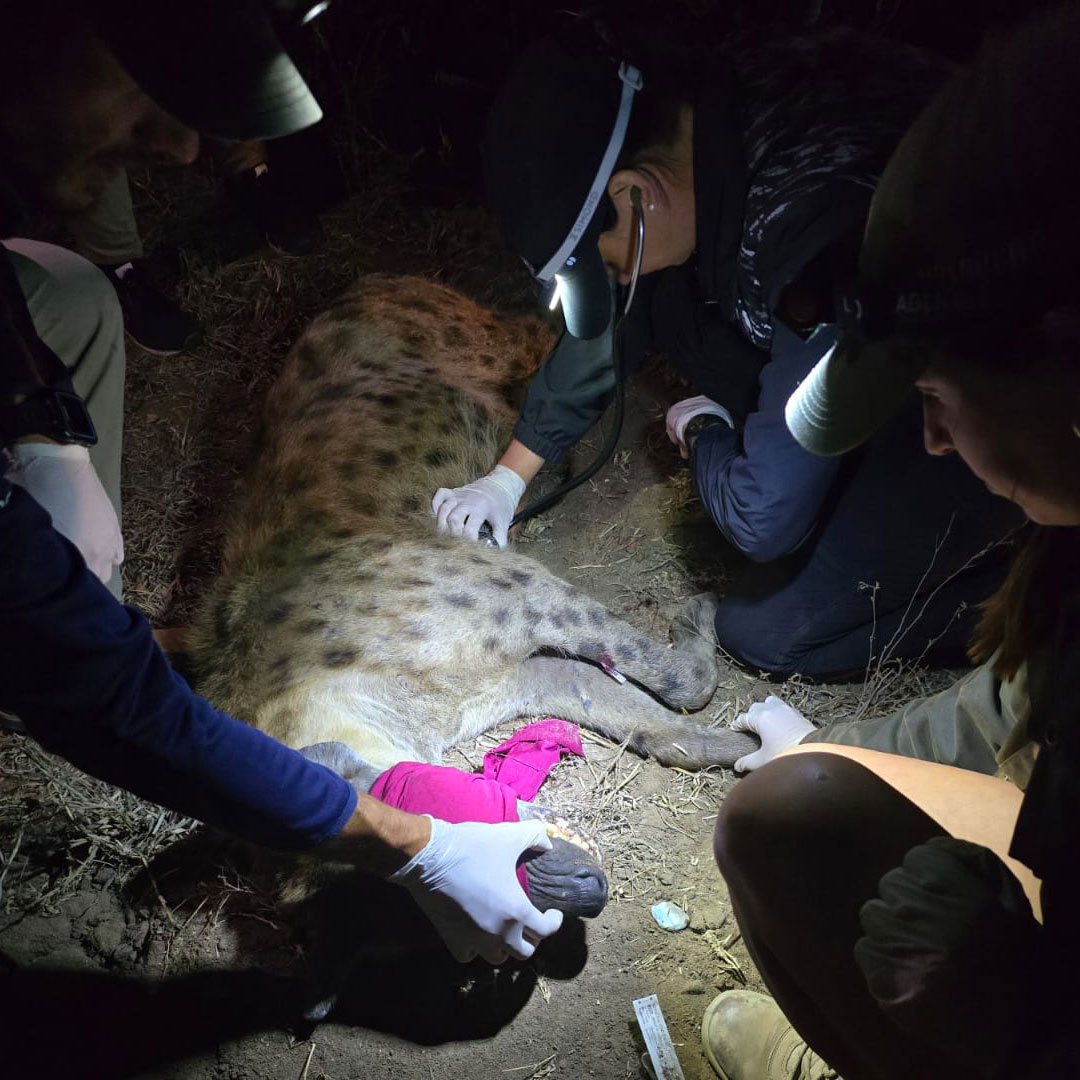
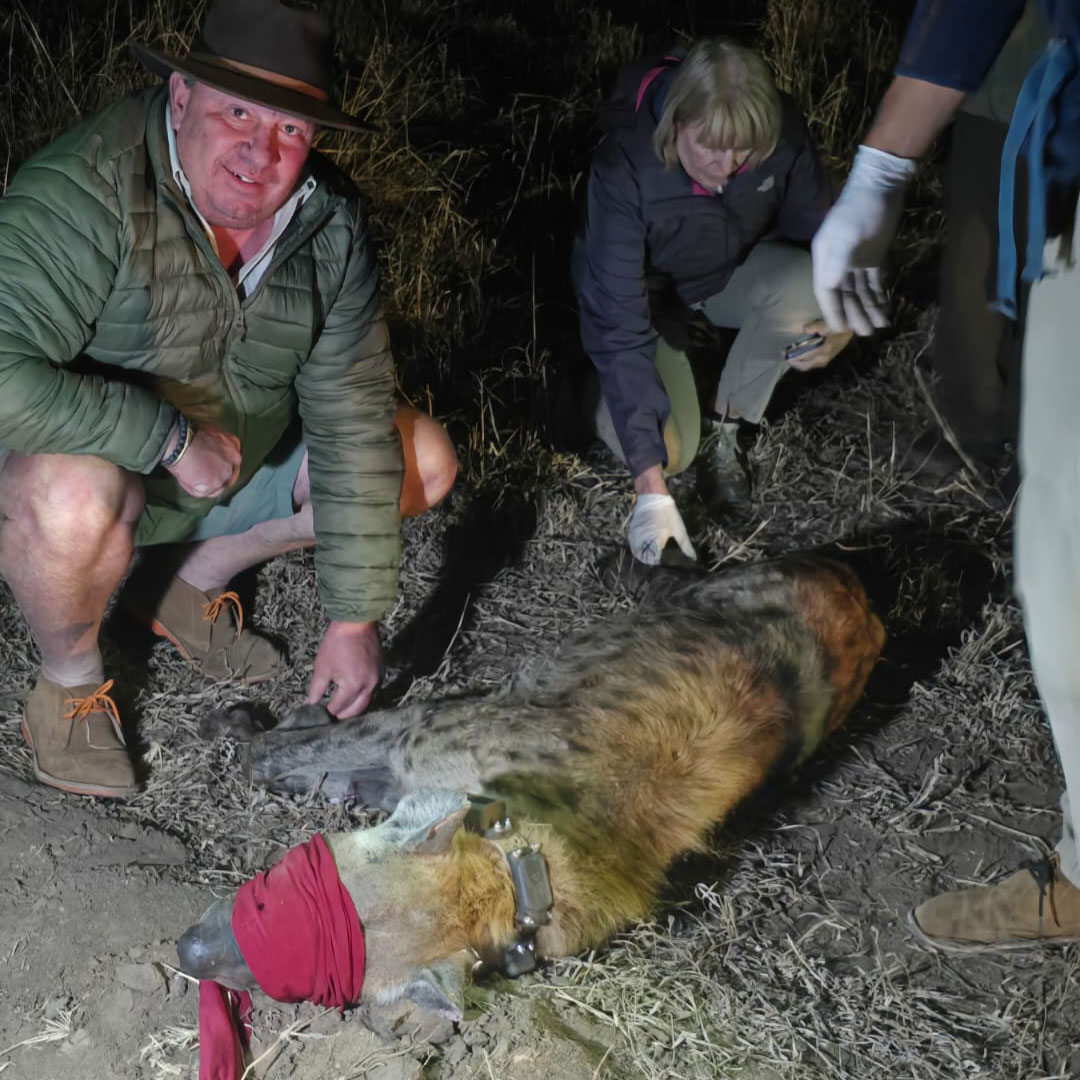
Tourism revenue funds the community rangers who run early warning systems. It funds the enclosure construction subsidies that reduce overnight livestock losses. It funds the compensation payments that break the retaliation cycle. And it funds the field researchers whose data underpins every intervention decision.
You also contribute directly during your time with us — through participation in monitoring activities, camera trap checks, and community engagement sessions that form part of the conservation programme. If you want to engage with hyena conservation in a way that is honest, effective, and directly connected to the field, this is it.
Hyena Conservation Library
If you’re exploring hyena conservation, these guides will help you understand the challenges facing Africa’s most misunderstood predators — and what a real hands-on conservation experience involves.
- Hyena conservation efforts explained →
- How many hyenas are left in Africa? →
- Are hyenas endangered? →
- Why are hyenas important to the ecosystem? →
- Human–hyena conflict explained →
- Human–hyena conflict solutions →
- Spotted, striped and brown hyenas: what’s the difference? →
- Where to see hyenas in Africa →
- Is a hyena conservation experience ethical? →
- Hyena Conservation Experience →
get in touch with us
+27 83 653 5776
+27 83 653 5776 (WhatsApp)
info@rangerbucksafaris.com
16 Lourie Close, Meyersdal Eco Estate,
Alberton, Gauteng
16 Lourie Close, Meyersdal Eco Estate, Alberton, Gauteng

Website by Keeden Marketing | 2024
