
Plan a trip
Hyenas in African Culture & Folklore
Last updated: April 2026
No animal’s survival is purely a biological question. What people believe about an animal shapes whether they protect it, tolerate it, or kill it.
For hyenas, cultural narratives have been as damaging as habitat loss. Understanding those narratives — where they come from and what they cost — is part of understanding the conservation problem.
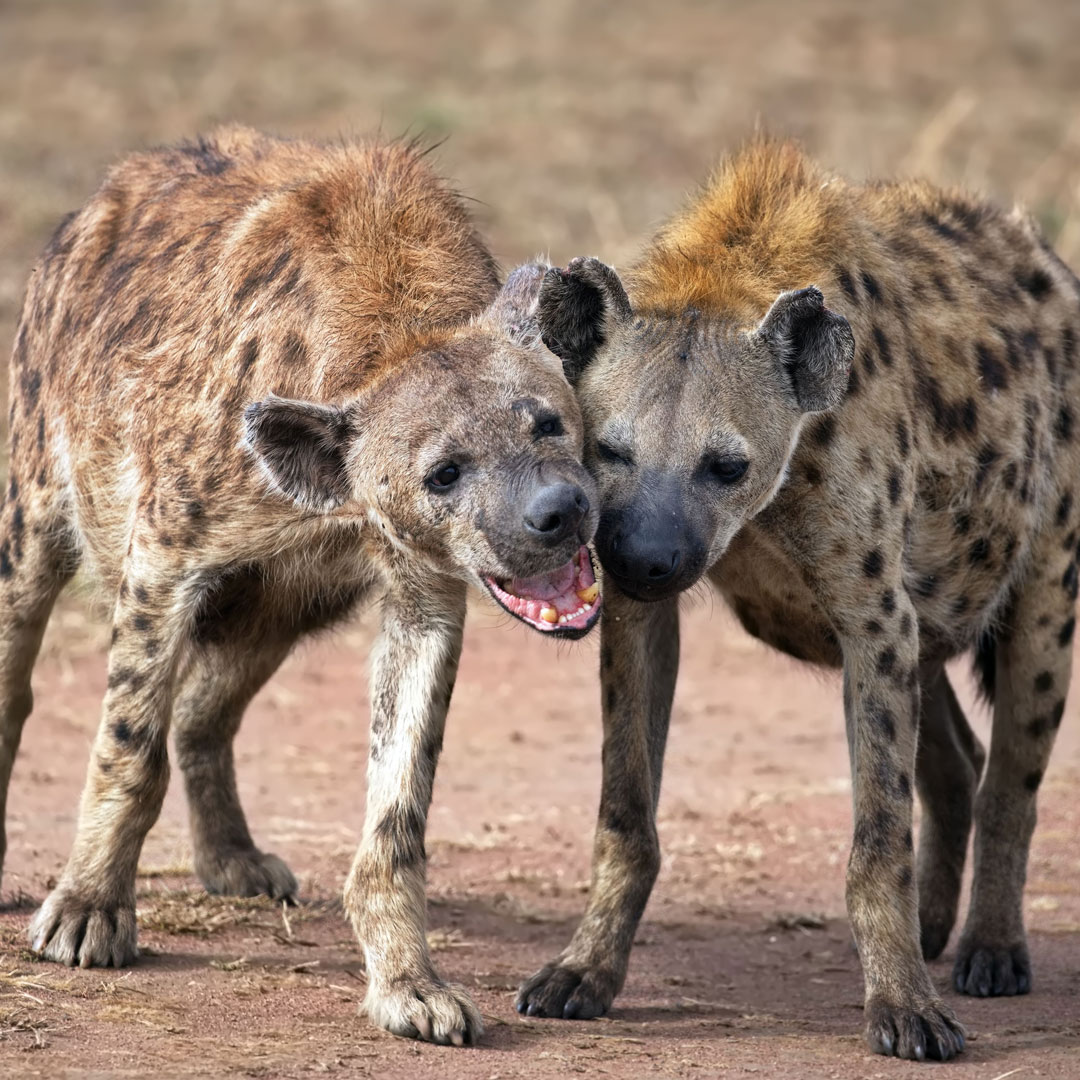
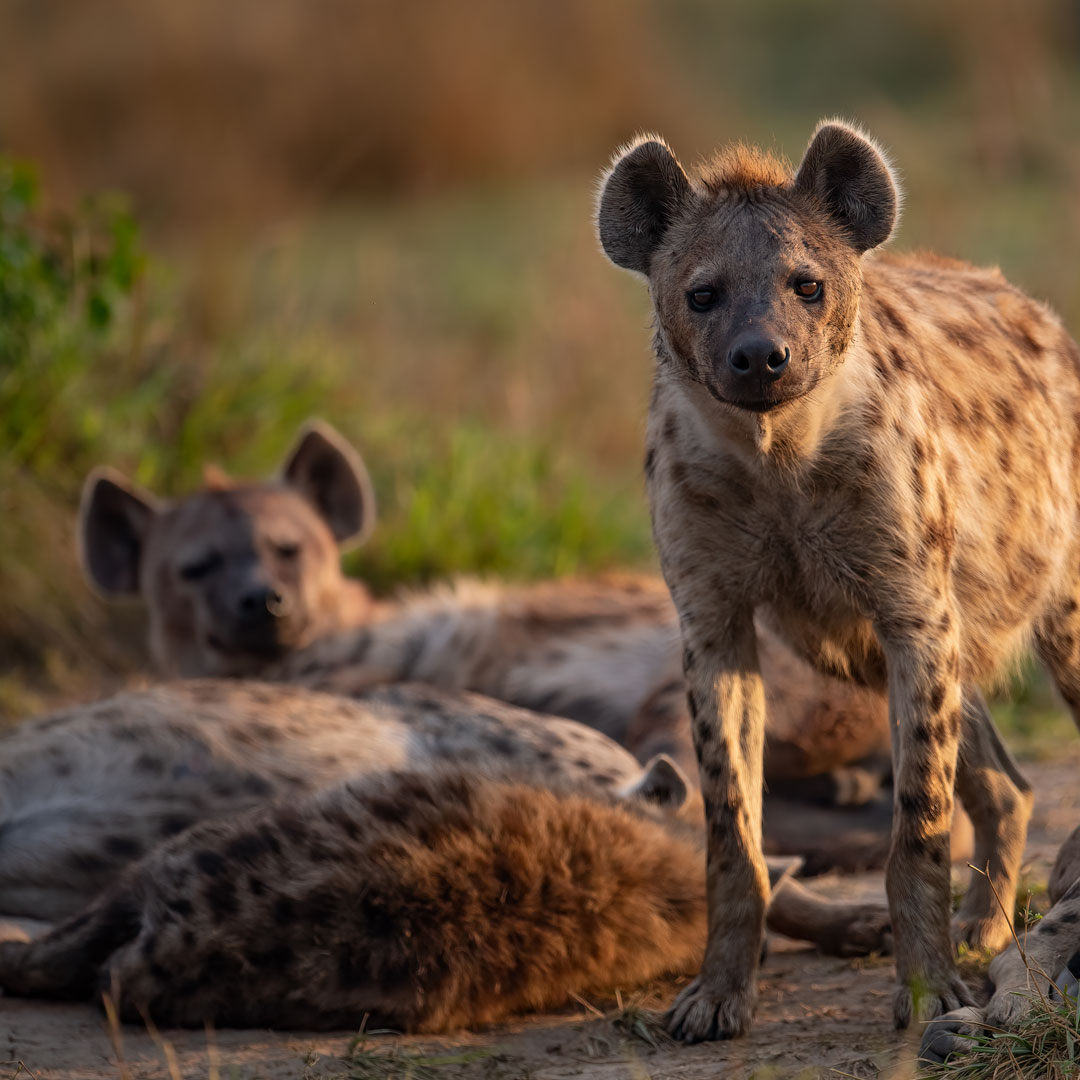
Why Culture Matters for Conservation
Conservation organisations have learned, often slowly, that changing land-use policy is easier than changing belief systems. When a community believes an animal is evil, protecting it is not just a practical challenge — it is a cultural one. Cultural stories about hyenas have contributed directly to active persecution: targeted killing, den destruction, and organised campaigns against the species in areas where the supernatural association is strong. Any conservation approach that ignores cultural context will fail. The question is how to engage respectfully while advocating for the animals.
The Witch-Riding Myth
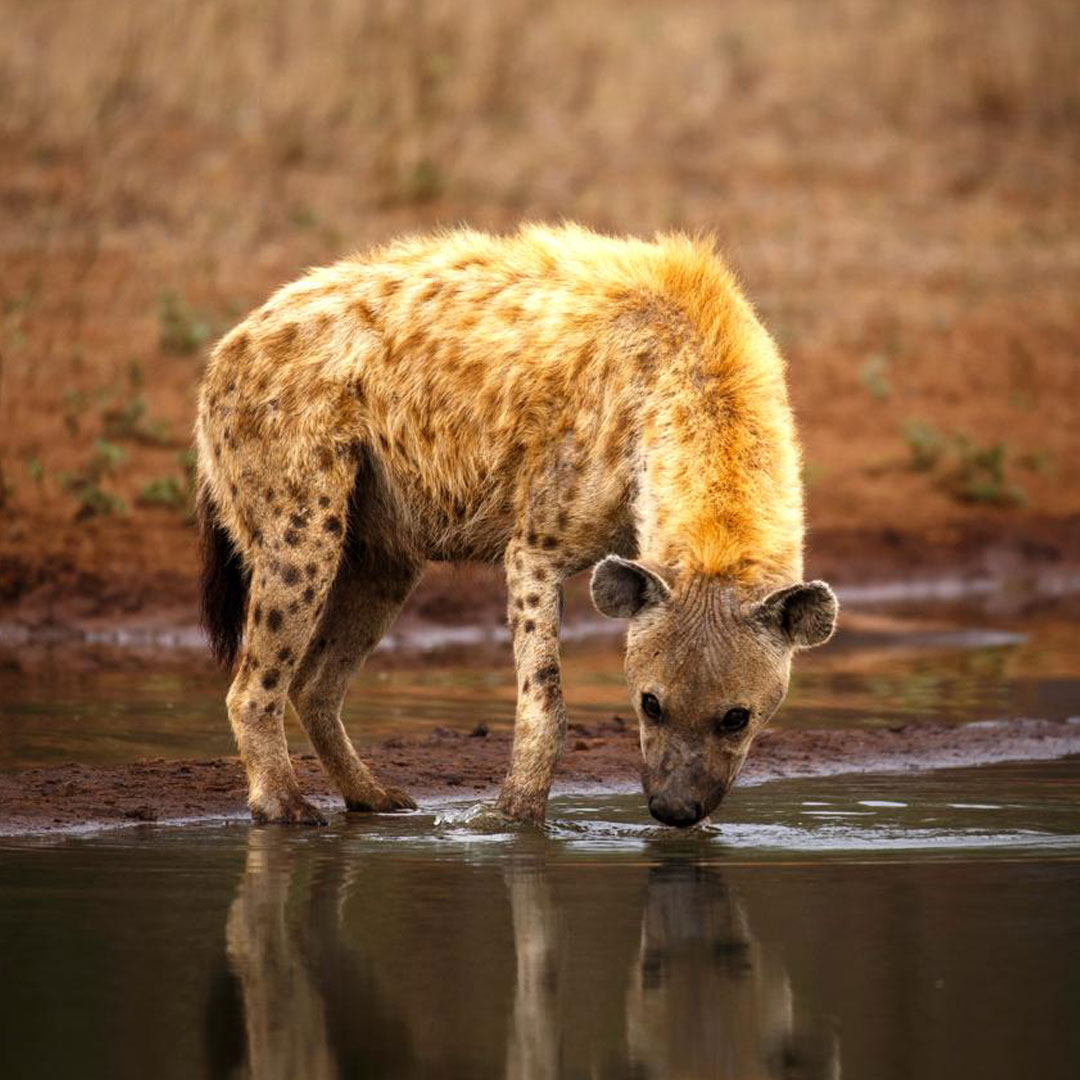
Across a broad belt of East and West Africa — including parts of Ethiopia, Kenya, Tanzania, Sudan, and West African nations — the spotted hyena is strongly associated with witchcraft. The specific belief varies by region but shares a common structure: witches or evil spirits ride hyenas at night, or hyenas are the transformed form of sorcerers. The hyena’s laugh heard at night is an announcement of misfortune.
Where this belief is strong, hyenas found near homesteads are killed on sight. Den sites discovered in the landscape are destroyed. Conservation education in these regions must engage with the witchcraft association directly — not to dismiss it, but to understand how it functions culturally and what kind of conversation can shift behaviour without disrespecting belief.
Association with Death and Impurity
Hyenas scavenge near human settlements, graves, and refuse sites. In societies with strong purity codes, this behaviour — feeding on human and animal remains — made hyenas objects of deep disgust. The hyena crosses the line between the living and the dead. It consumes what should be protected from consumption.
In some North and East African traditions, dreaming of a hyena is interpreted as an omen. Finding hyena tracks near a house is cause for alarm. The animal’s presence is read as a sign of spiritual danger. This is not unique to Africa: hyenas in Ethiopian Orthodox Christian tradition and in parts of Islamic North Africa carry complicated symbolic weight — neither fully demonised nor fully tolerated.
Harar and Hausa: Evidence of Coexistence
Not all African relationships with hyenas are rooted in fear. In Harar, Ethiopia — a walled city with centuries of Islamic history — spotted hyenas have been fed by hand at the city gates for generations. The practice is now famous globally and is believed to originate from a truce struck between the city’s elders and the local hyena clans during a famine. The Harar hyenas enter the city at night and are accepted as part of the urban ecology. It is one of the most striking examples of functional human–wildlife coexistence in Africa.
Among the Hausa people of northern Nigeria, spotted hyenas were historically kept as companion and status animals. Hausa bori spirit-possession traditions include hyena spirits, and the animal carries complex symbolic power — feared but also respected, dangerous but also protective in certain ritual contexts.
Hyenas in North African Culture
Striped hyenas appear in ancient Egyptian iconography and were likely kept in captivity by Egyptian elites. In later North African and Levantine traditions, the striped hyena was believed to be able to change sex — a direct (if distorted) echo of the pseudo-penis biology of the spotted hyena. In some traditions, hyena body parts carried medicinal or magical properties. Eyes, fat, and other organs appear in folk medicine records across North Africa and the Middle East. The trade in hyena parts for traditional medicine continues in some areas today and contributes to targeted killing.
How Conservation Programmes Engage with Culture
Effective conservation in areas where hyenas are culturally persecuted works on several levels: community education that starts with existing cultural knowledge rather than contradicting it; ecological value framing — explaining what hyenas do and what disappears when they do; economic alternatives to retaliatory killing including compensation schemes; and working with cultural and religious leaders, not around them.
Organisations like the African Wildlife Foundation, the Endangered Wildlife Trust, and local NGOs in Ethiopia and Kenya have developed community engagement models that take this seriously. The work is slow. It requires patience and humility from conservation practitioners who must operate within belief systems that are not their own.
Why Storytelling Is a Conservation Tool
The oldest conservation interventions are stories. The Harar tradition protected hyenas not because of science, but because of narrative — the hyenas were woven into a story that gave their presence meaning and value. Modern conservation is learning the same lesson. Data alone does not change behaviour. What changes behaviour is a story people can live inside — one that makes protecting an animal make sense within their own worldview.
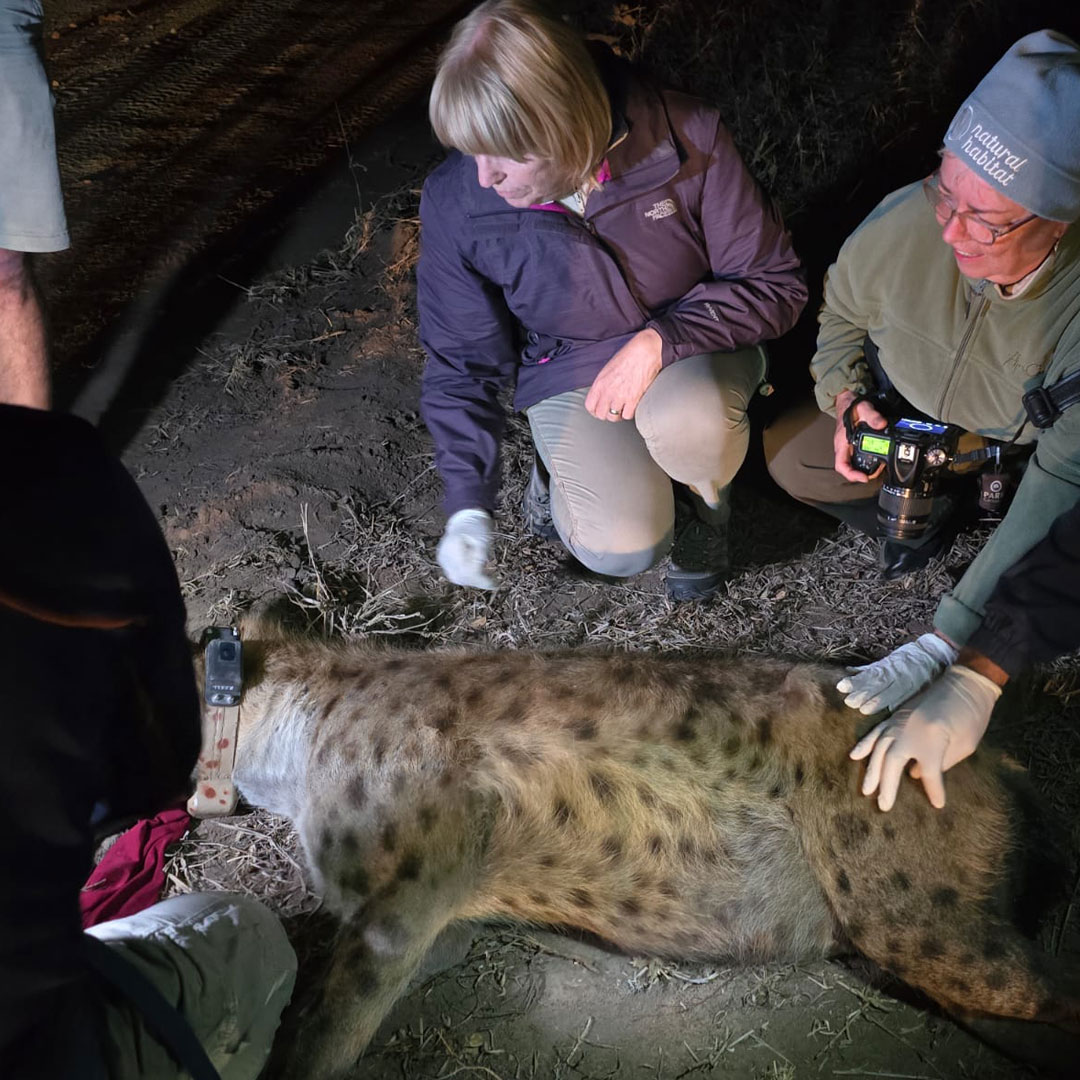
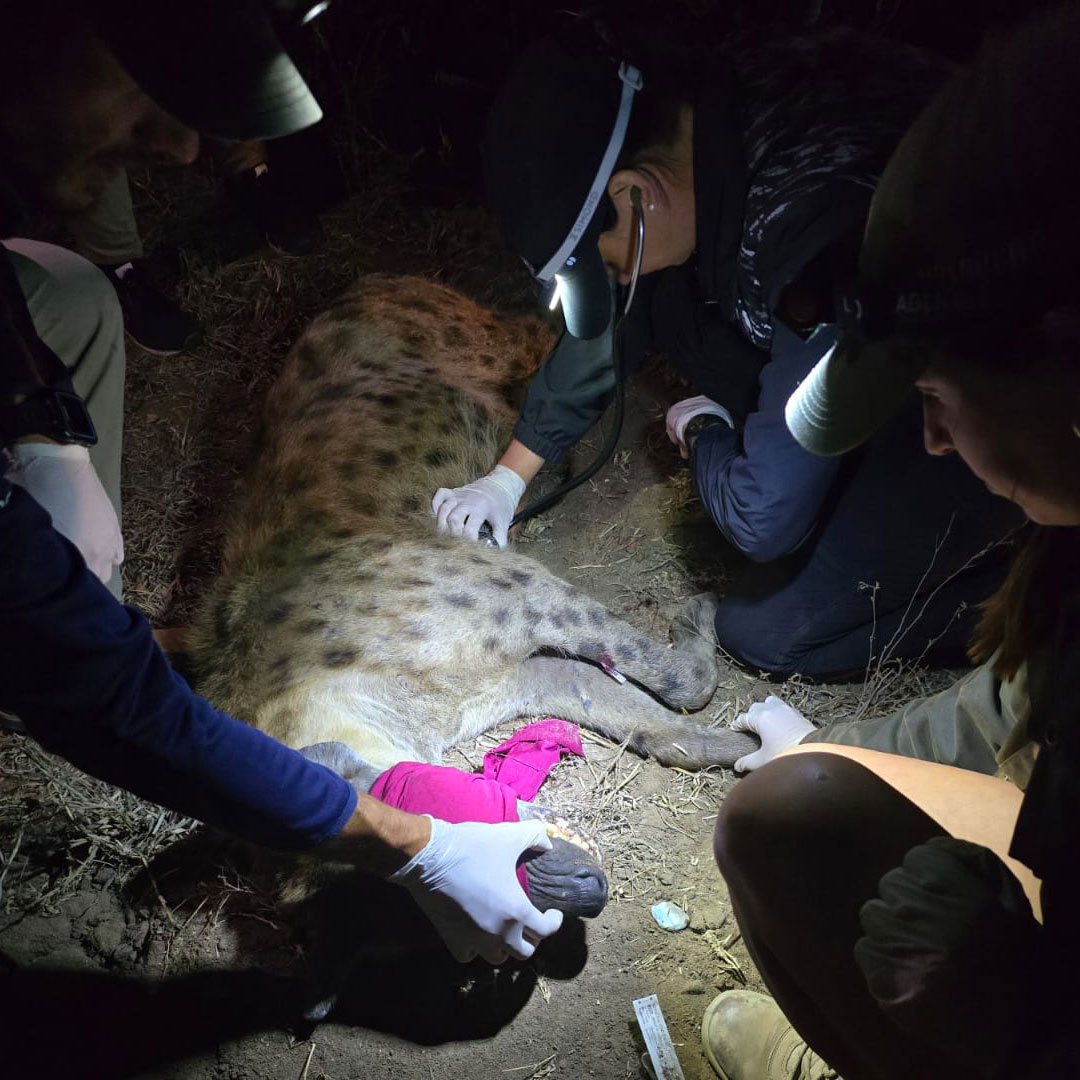
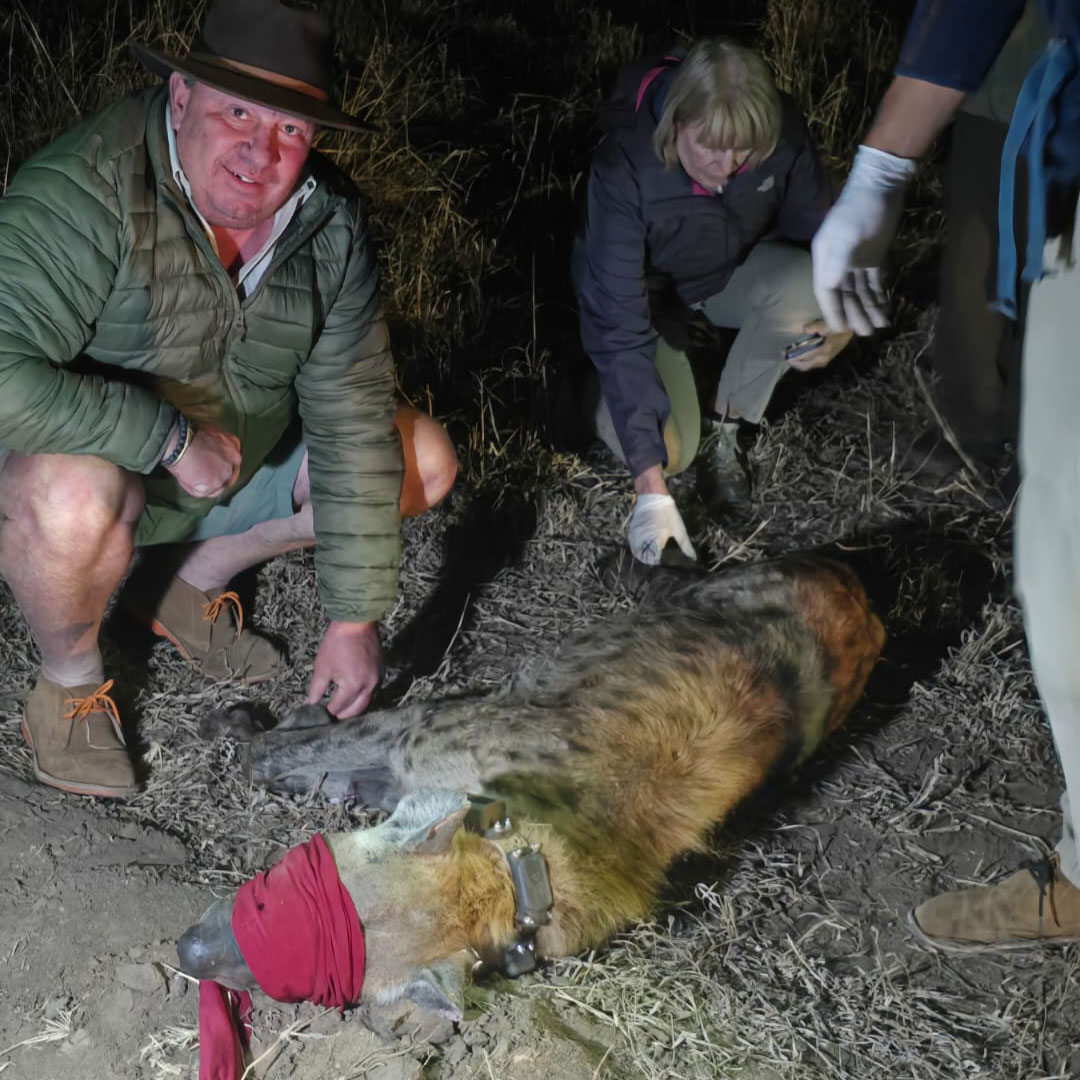
At Ranger Buck Safaris, taking guests into hyena habitat is part of this work. Every person who sees a hyena as a functioning, intelligent, complex animal — rather than a creature of the dark — becomes part of a different story about what these animals are and what they deserve.
Hyena Conservation Library
Everything you need to understand hyenas — their biology, behaviour, threats, and the work being done to protect them.
- Hyena conservation efforts explained →
- How many hyenas are left in Africa? →
- Are hyenas endangered? →
- Why are hyenas important to the ecosystem? →
- Human–hyena conflict explained →
- Human–hyena conflict solutions →
- Spotted, striped and brown hyenas →
- Where to see hyenas in Africa →
- Is a hyena conservation experience ethical? →
- What do hyenas eat? →
- Why do hyenas laugh? →
- Are hyenas scavengers or hunters? →
- How strong is a hyena’s bite? →
- Hyena intelligence & behaviour →
- Hyena myths vs facts →
- Hyena social structure & clans →
- Are hyenas dangerous? →
- How hyenas are monitored →
- Hyena threats: poisoning & snaring →
- Hyenas vs lions →
- Hyena vs leopard →
- Hyena vs wild dog →
- Hyena reproduction & cubs →
- Hyena habitat & range →
- Hyenas in African culture & folklore →
- Hyena conservation organisations →
- Hyena Conservation South Africa →
- Hyena Conservation Botswana →
- Hyena Conservation Zambia →
- Hyena Conservation Experience →
get in touch with us
+27 83 653 5776
+27 83 653 5776 (WhatsApp)
info@rangerbucksafaris.com
16 Lourie Close, Meyersdal Eco Estate,
Alberton, Gauteng
16 Lourie Close, Meyersdal Eco Estate, Alberton, Gauteng

Website by Keeden Marketing | 2024
