
Plan a trip
How Many Hyenas Are Left in Africa?
Last updated: April 2026
The honest answer is: we do not know exactly. Hyena populations are genuinely difficult to count, and the numbers that get cited vary depending on the source, the method, and the year.
What we do have are reasonable estimates for each of the three African species. Those estimates tell a story worth understanding.


Spotted Hyena: The Most Numerous — But Not as Secure as the Numbers Suggest
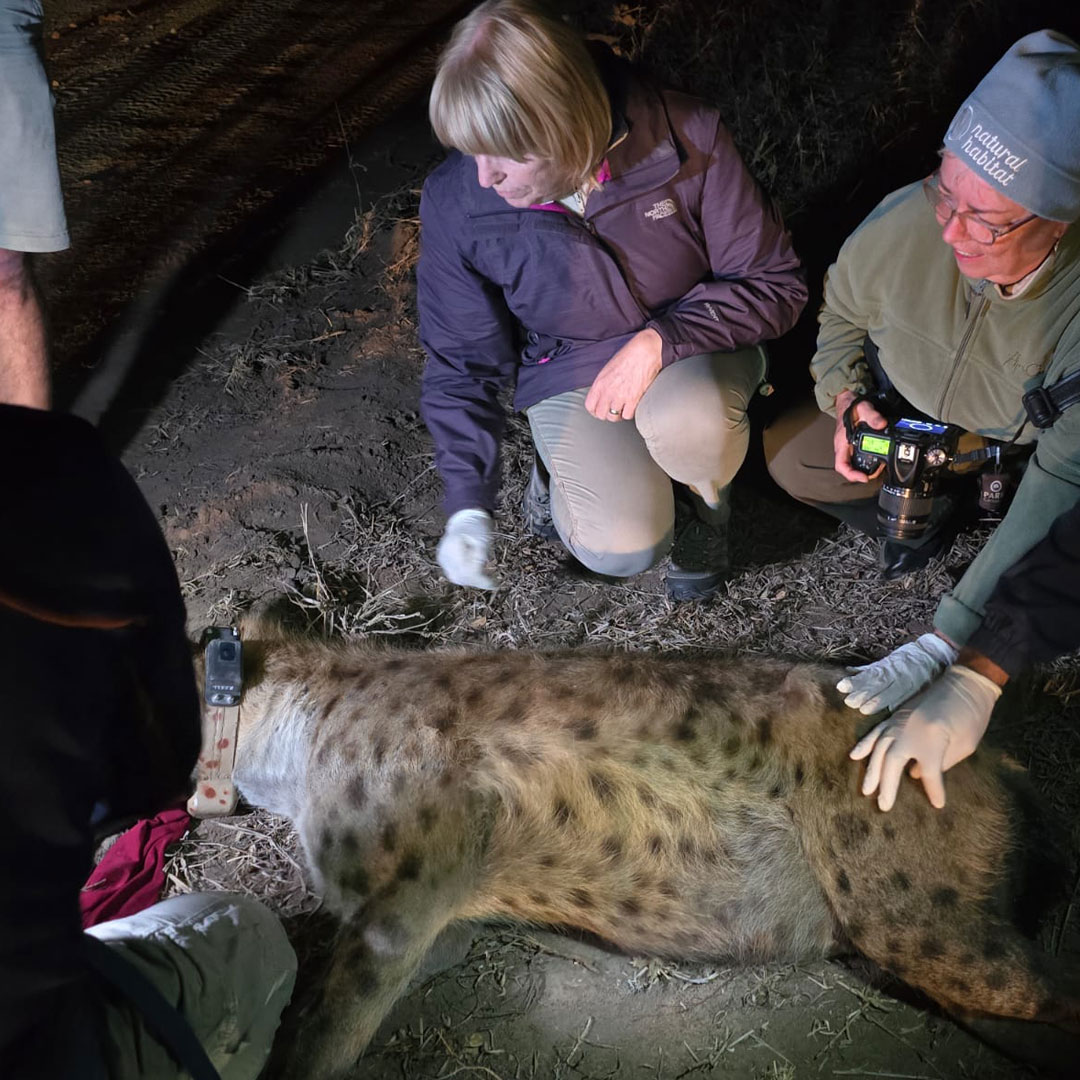
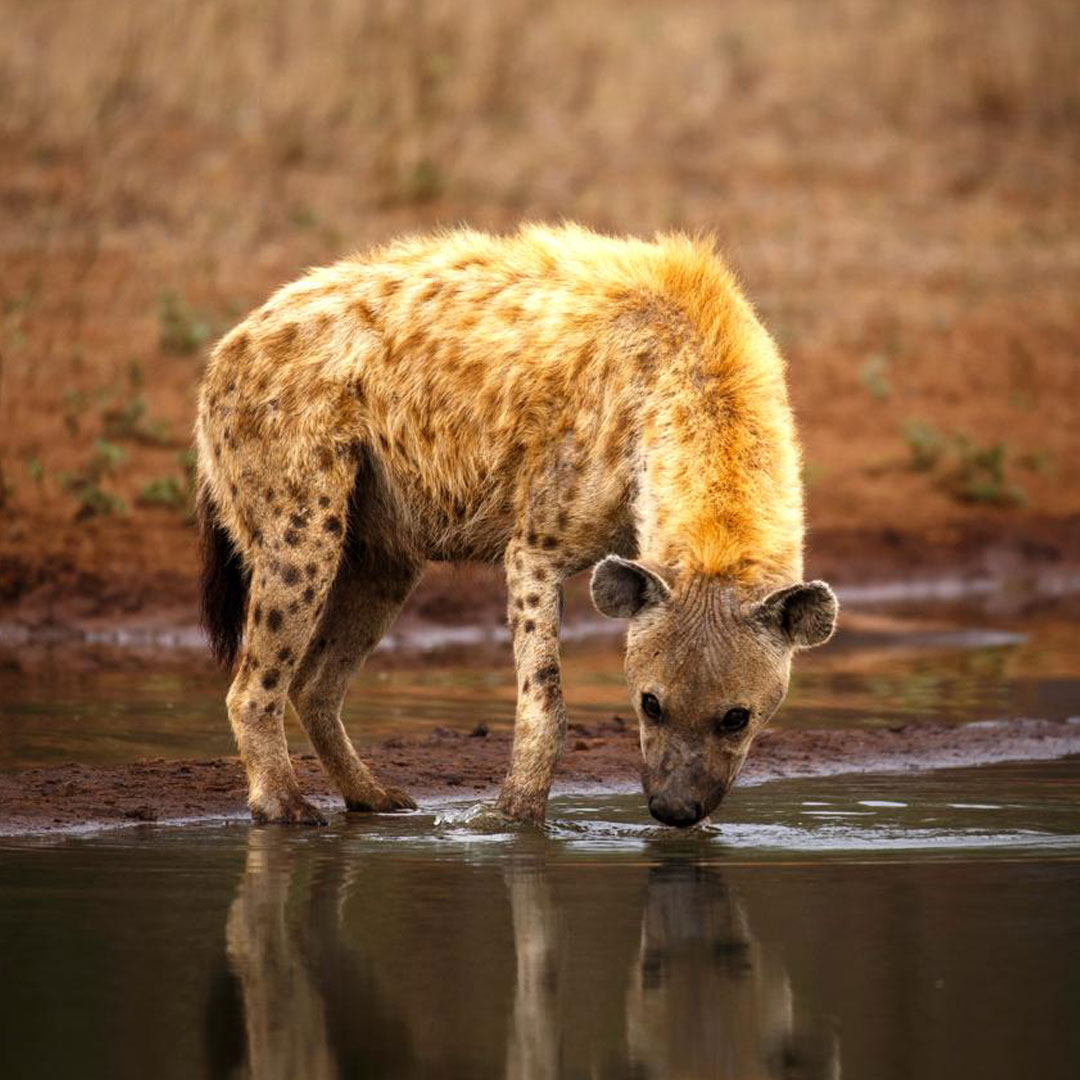
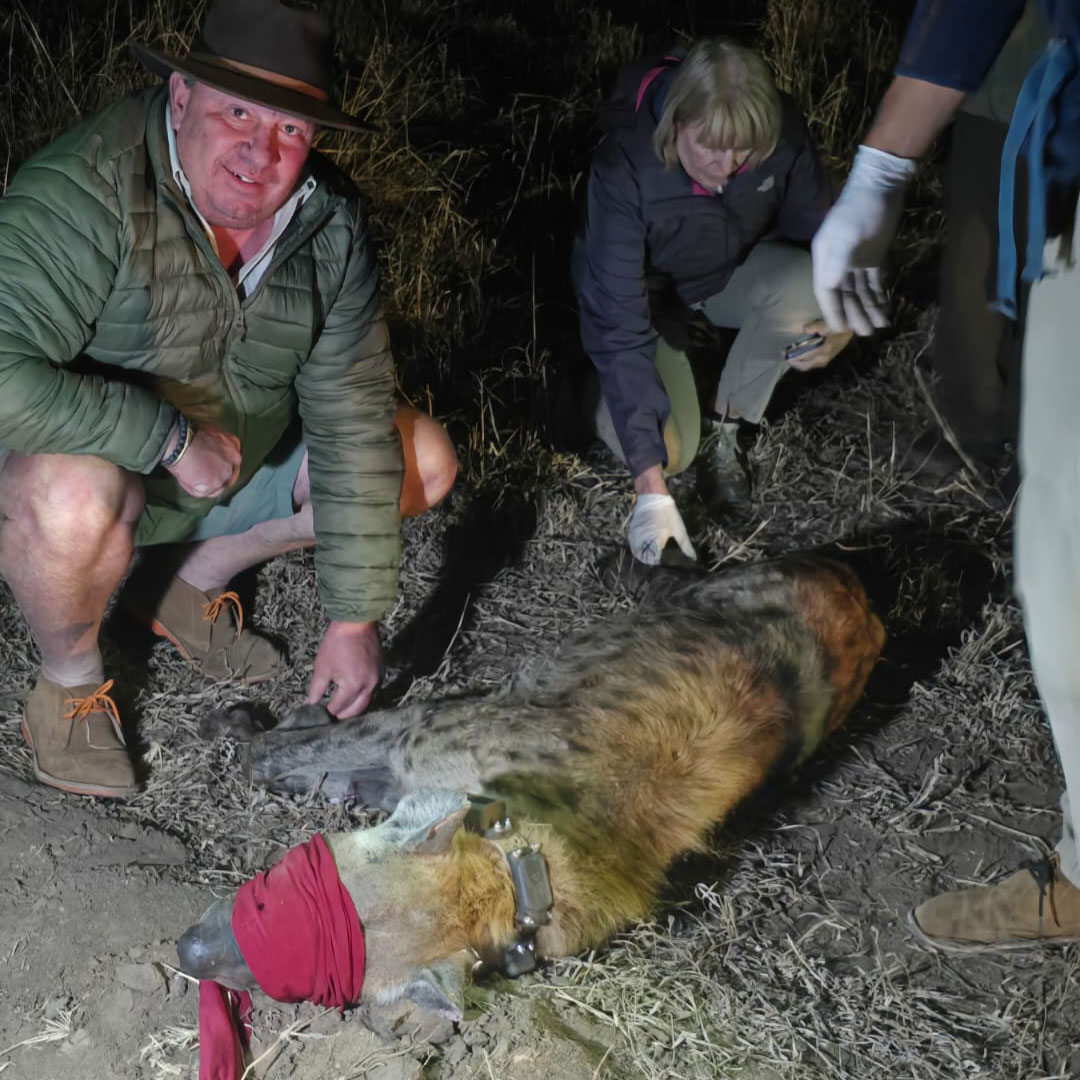
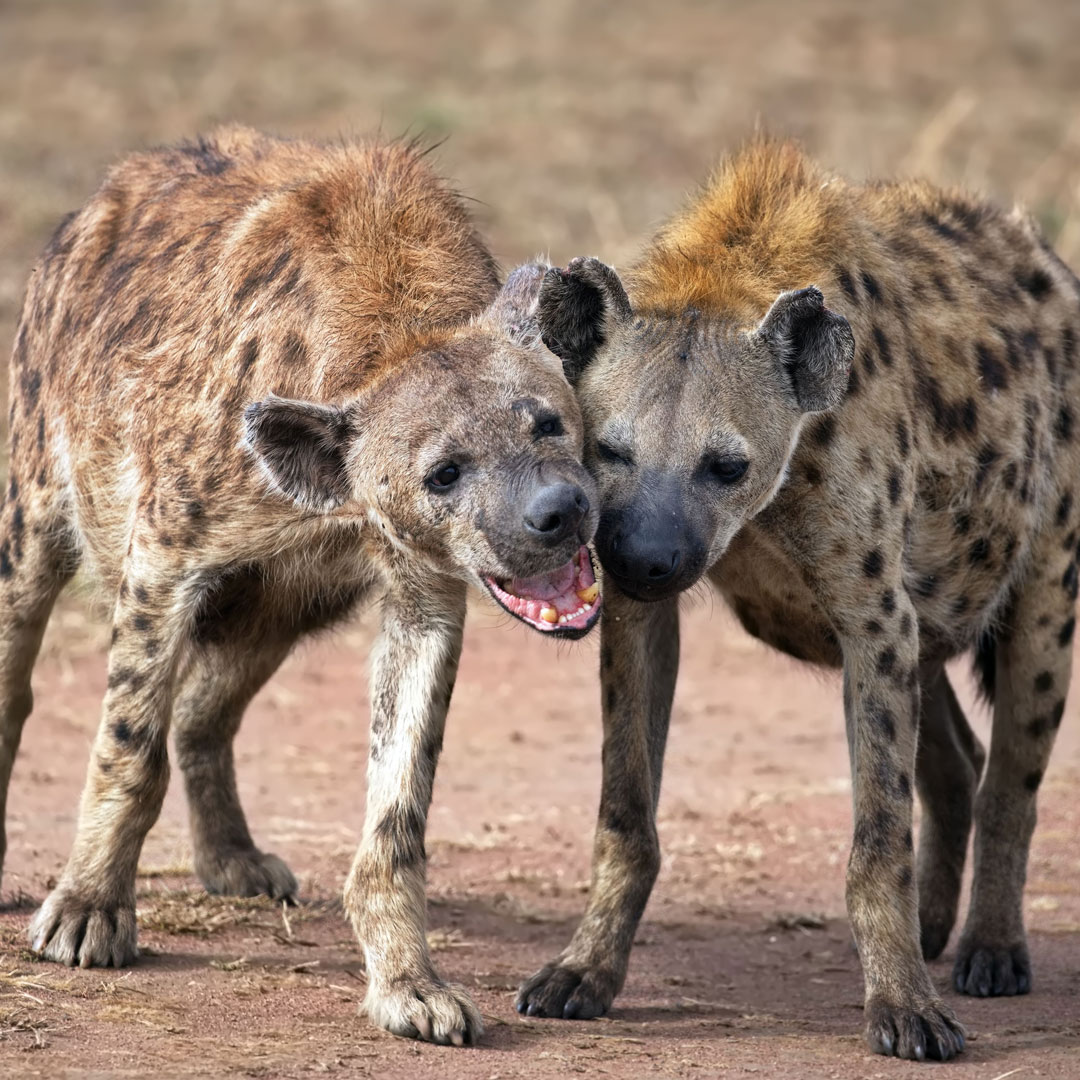
The spotted hyena (Crocuta crocuta) is the most widespread and numerous of the three species. Current IUCN estimates place the global population at somewhere between 27,000 and 47,000 individuals — a wide range that reflects the genuine uncertainty in the data.
Spotted hyenas are classified as Least Concern on the IUCN Red List, which is accurate in the sense that the species is not facing imminent extinction. But that classification masks a more uncomfortable reality:
- Populations outside protected areas are declining steadily due to habitat loss and human–wildlife conflict
- The species has already been eliminated from much of its historic range in North and West Africa
- The remaining strongholds are in East and Southern Africa, and even there the picture is uneven
Roughly 75% of spotted hyenas are estimated to live in protected areas. The populations outside those boundaries are under significant pressure.
Striped Hyena: Near Threatened and Poorly Understood
The striped hyena (Hyaena hyaena) has a much wider geographic range than the spotted — stretching from East Africa through the Middle East to the Indian subcontinent — but it is rarer and far less studied.
Current population estimates put the global figure at 5,000 to 14,000 individuals, with the African population forming only a portion of that total. The IUCN lists the striped hyena as Near Threatened, with numbers believed to be in decline.
The population data is thin. Striped hyenas are solitary, nocturnal, and tend to live in areas that are difficult to survey. What is clear is that striped hyena numbers are declining across most of their range, driven by habitat degradation, persecution, and road casualties.
Brown Hyena: Southern Africa’s Rarest Hyena
The brown hyena (Parahyaena brunnea) is the rarest of the three, with a range restricted primarily to Southern Africa — Botswana, Namibia, Zimbabwe, and parts of South Africa.
Population estimates range from approximately 5,000 to 10,000 individuals. The IUCN classifies the brown hyena as Near Threatened, with numbers believed to be declining outside formally protected land.
Brown hyenas are particularly vulnerable to persecution because they scavenge carcasses on farmland and are commonly — and often incorrectly — blamed for livestock losses. They are also slow to reproduce, which means populations recover slowly when depleted.
Why the Numbers Are So Hard to Pin Down
Population estimates for all three species carry significant uncertainty. There are real reasons for this:
- Nocturnal behaviour makes direct observation surveys difficult and expensive
- Large home ranges mean that the same individual can be counted in multiple survey areas
- Different survey methodologies — camera traps, track counts, call-up surveys, DNA sampling — produce different results and are not always comparable
- Many populations live in areas with limited research capacity, meaning large parts of the range have never been properly surveyed
- Population estimates are often not updated regularly, so figures from different sources may reflect different years
When you see a specific number cited for hyena populations, it is worth asking when it was collected, by whom, and using what method. Estimates from reputable sources like the IUCN are the most reliable benchmark available, but they are still estimates.
The Long-Term Trend
Across all three species, the trajectory outside protected areas is downward. Habitat loss, expanding human settlement, persecution, and fragmentation are reducing available range and squeezing populations into smaller, more isolated pockets.
Inside well-managed protected areas, hyena populations can be stable or even recovering. The Kruger National Park, the Serengeti-Mara ecosystem, and the Okavango Delta support some of the healthiest hyena populations on the continent.
The challenge is that protected areas cover only a fraction of the landscape. For hyena conservation to succeed at scale, the areas between reserves need to become safer for wildlife too.
Frequently Asked Questions
How many spotted hyenas are left in the world?
Current IUCN estimates suggest between 27,000 and 47,000 spotted hyenas remain globally. The majority are concentrated in East and Southern Africa, primarily within or adjacent to protected areas.
Are hyena populations increasing or decreasing?
Populations in well-protected areas can be stable or recovering. Outside protected areas, all three African hyena species are declining, primarily due to habitat loss and conflict with people.
Why do different sources give different hyena population numbers?
Different surveys use different methods, cover different years, and focus on different geographic areas. Population estimates for nocturnal, wide-ranging carnivores carry inherent uncertainty. The IUCN figures are the most widely cited benchmark.
Where do most hyenas live in Africa?
Spotted hyenas are most common in East and Southern Africa, with significant populations in the Serengeti, Kruger, and Okavango ecosystems. Brown hyenas are confined to Southern Africa. Striped hyenas range more widely but are patchily distributed.
Which hyena species is most at risk?
By population size, the brown hyena and striped hyena are in a more precarious position than the spotted hyena. Both are listed as Near Threatened. However, the spotted hyena faces significant localised declines outside protected areas that are not fully captured by its Least Concern listing.
Hyena Conservation Library
If you’re exploring hyena conservation, these guides will help you understand the challenges facing Africa’s most misunderstood predators — and what a real hands-on conservation experience involves.
- Hyena conservation efforts explained (how protection works, what conservation teams actually do) →
- How many hyenas are left in Africa? (population context + why numbers vary by species) →
- Are hyenas endangered? (conservation status explained + what the IUCN listing means) →
- Why are hyenas important to the ecosystem? (the ecological role no other species can fully replace) →
- Human–hyena conflict explained (why it happens + where it is most severe) →
- Human–hyena conflict solutions (what actually works in the field) →
- Spotted, striped and brown hyenas: what’s the difference? (three species, different threats) →
- Where to see hyenas in Africa (best regions + responsible viewing tips) →
- Is a hyena conservation experience ethical? (what ethical looks like + red flags) →
- Hyena Conservation Experience (plan a tailored itinerary) →
get in touch with us
+27 83 653 5776
+27 83 653 5776 (WhatsApp)
info@rangerbucksafaris.com
16 Lourie Close, Meyersdal Eco Estate,
Alberton, Gauteng
16 Lourie Close, Meyersdal Eco Estate, Alberton, Gauteng

Website by Keeden Marketing | 2024
