
Plan a trip
Hyena Threats: Poisoning & Snaring
Last updated: April 2026
The biggest threats to hyenas are not droughts, disease, or competition from other predators. They are human.
Poisoning, snaring, shooting, and retaliatory killing account for the majority of hyena deaths outside protected areas. Most of it happens at night, unseen, and it is accelerating.
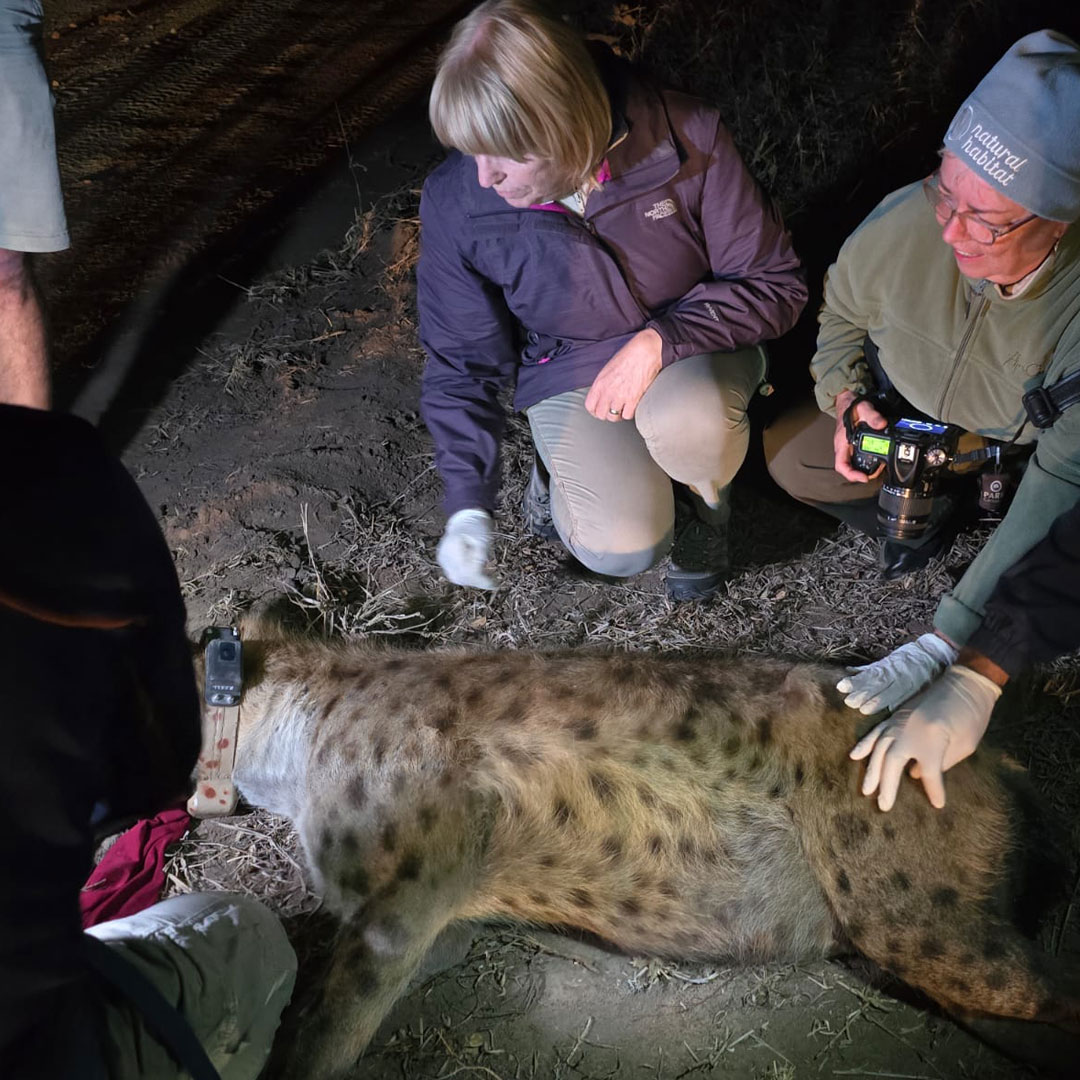
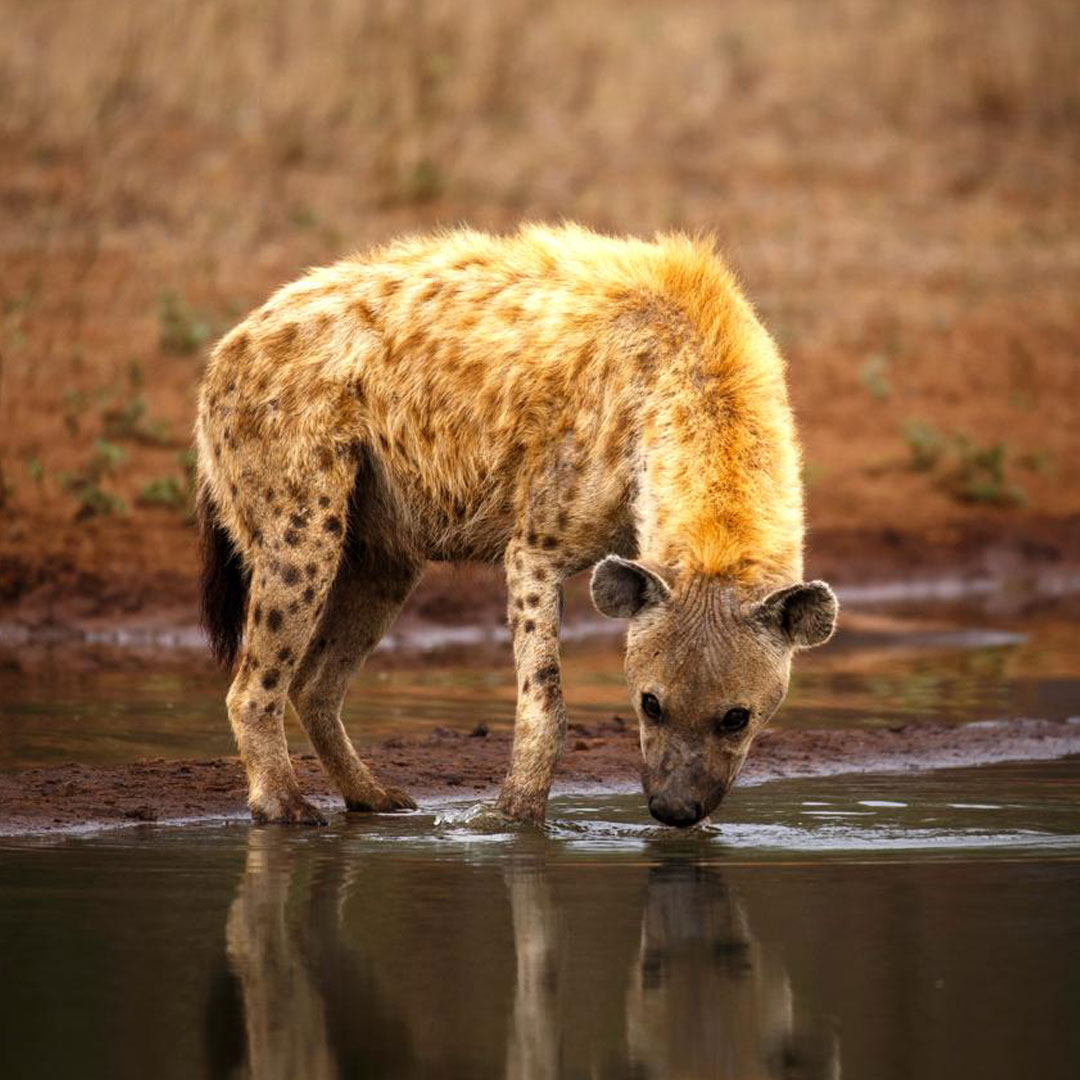
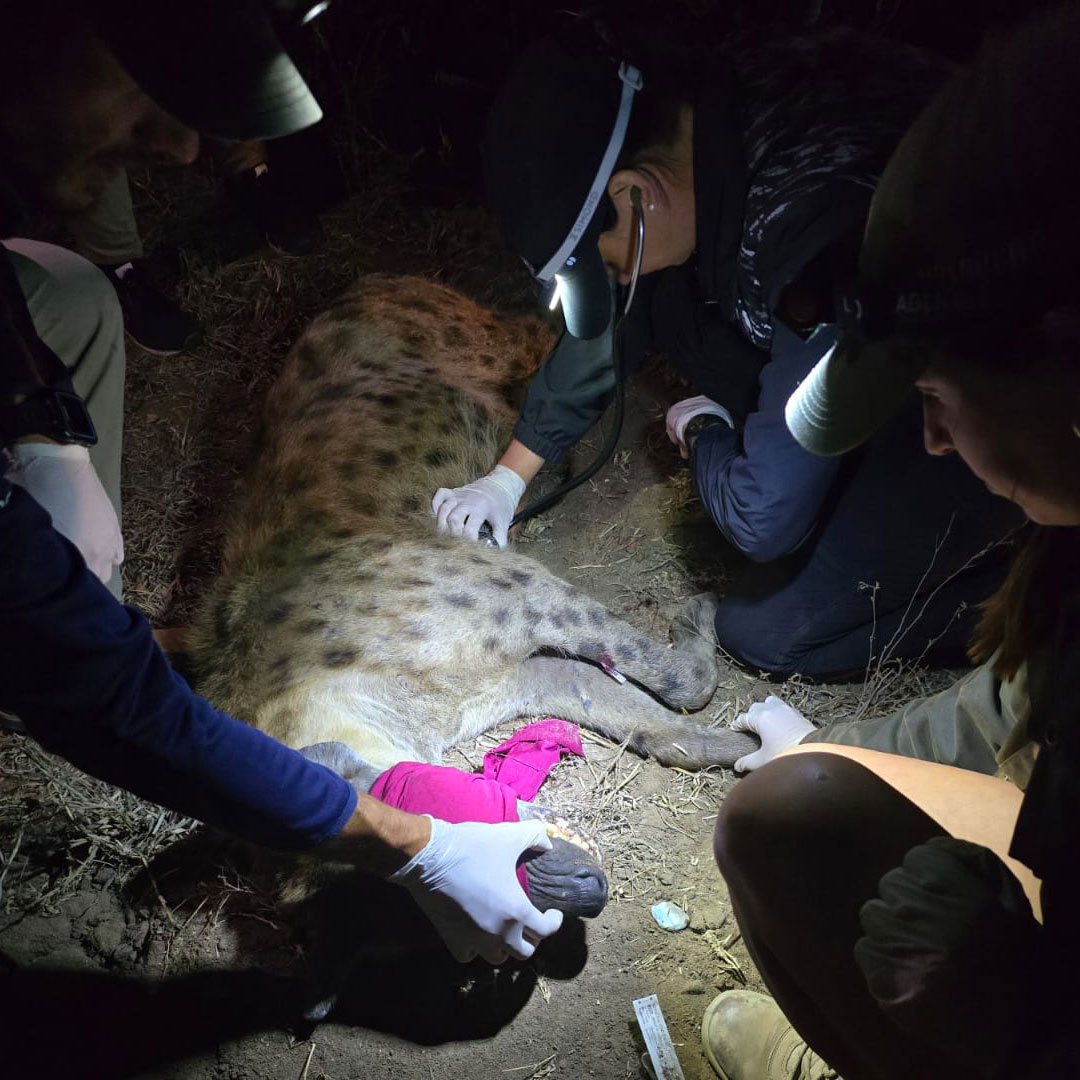
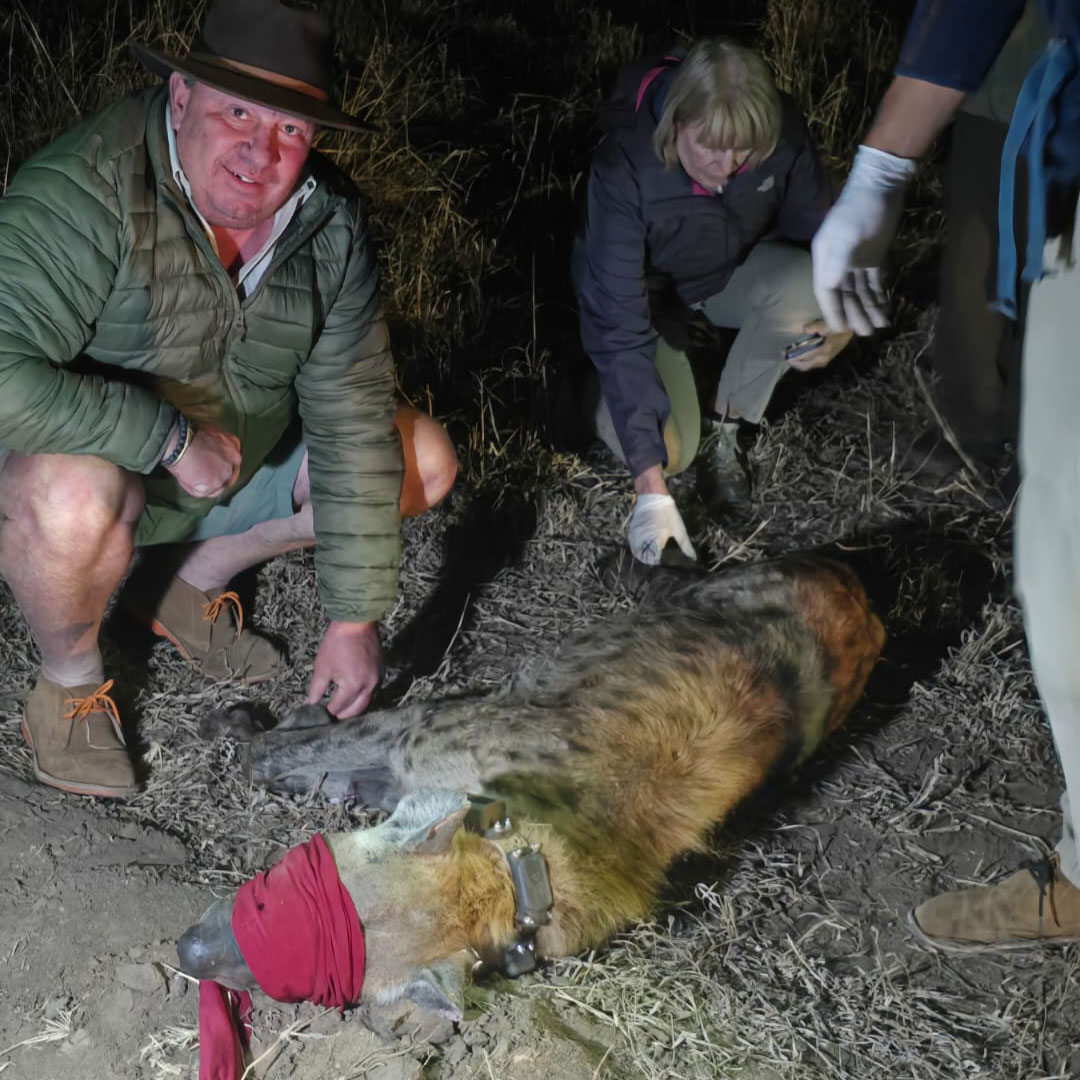
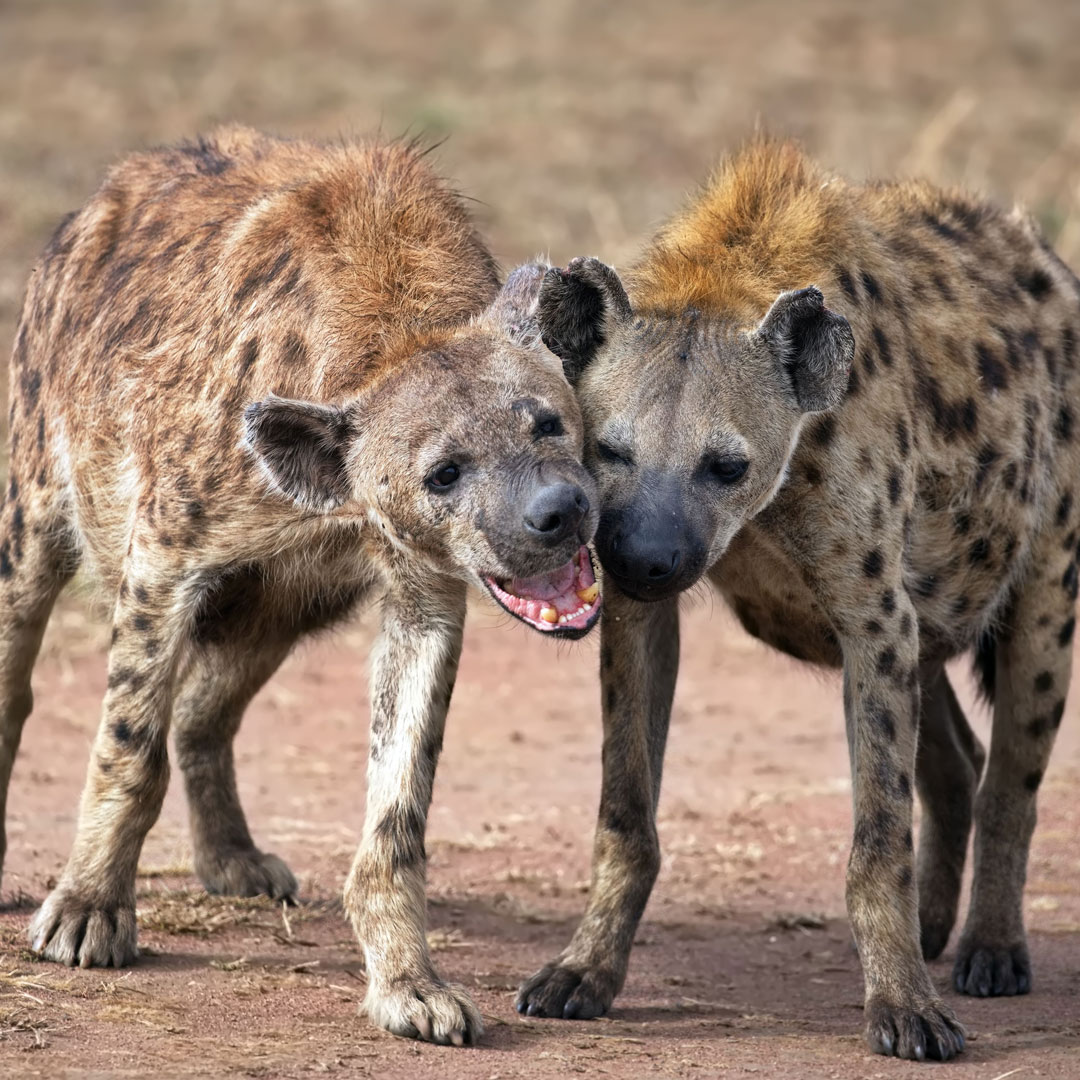
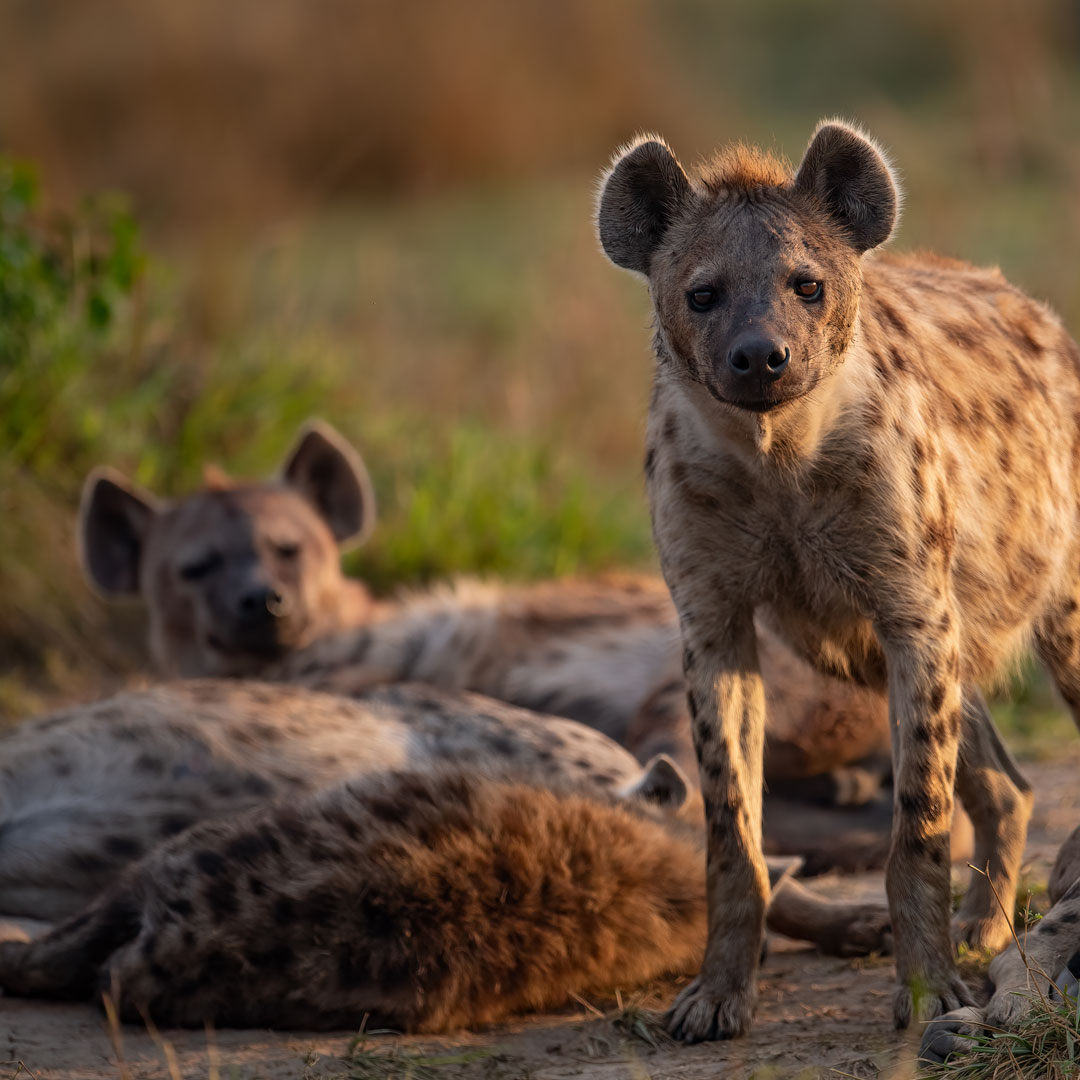
Overview of Threats
Hyenas face a range of human-caused threats, both deliberate and incidental: targeted and secondary poisoning, wire snaring set for bushmeat, retaliatory shooting and trapping in response to livestock predation, road kills on expanding road networks, and habitat loss that fragments ranges and pushes hyenas into human-use land.
No single threat operates in isolation. A hyena that crosses a reserve boundary into farmland faces snares, poison, and a farmer with a rifle. The cumulative pressure is severe.
Poisoning
Poison is the most indiscriminate threat hyenas face. It does not select for species, age, sex, or health. Poison baits are typically set for ‘problem animals’ — lions or leopards that have taken livestock. But hyenas, jackals, vultures, and a range of other scavengers consume the same carcass. A single poisoning event can kill multiple hyenas, dozens of vultures, and other non-target wildlife.
Poison bait incidents are extremely difficult to detect, investigate, and prosecute. By the time a poisoned carcass is found, evidence has often been consumed or dispersed. In some regions, poison use is increasing as conflict between predators and livestock farmers intensifies.
Snaring
Wire snares are set primarily to catch bushmeat — impala, warthog, kudu. But snares do not discriminate. The most common injury points in hyenas are jaws (where hyenas bite at the wire trying to free themselves), legs (particularly the lower limb, where wire cuts through to the bone), and necks (in neck snares, the animal typically dies from strangulation).
Hyenas rarely survive snare injuries without veterinary intervention. A snared leg means a hyena cannot hunt, cannot keep up with the clan, and cannot defend its cubs. Without intervention, the outcome is slow death. Snare removal programmes — systematic patrols that locate and remove wire snares before they kill — are one of the highest-impact, most cost-effective interventions in predator conservation.
Retaliatory Killing
When a hyena kills livestock, the farmer’s response is immediate and understandable: protect the herd. The methods used are shooting, poisoning, and trapping. Retaliatory killing is currently one of the fastest-growing threats to hyenas across sub-Saharan Africa as human settlements expand along reserve boundaries.
The problem is compounded by misidentification. Hyenas are frequently blamed for livestock losses caused by other predators, domestic dogs, or disease. A dead animal found near a hyena track is often attributed to hyenas regardless of the actual cause. The killing that follows is not rational predator management — it is persecution based on false attribution.
What Makes Hyenas Particularly Vulnerable
Several biological traits make hyenas especially exposed to human-caused mortality:
- Wide home ranges — spotted hyenas regularly cross reserve boundaries into unprotected land. A hyena in a protected area today is in farmland tomorrow.
- Nocturnal habits — hyenas do most of their moving at night. Most killing also happens at night. There are no witnesses.
- Slow reproductive rate — spotted hyenas typically raise one or two cubs per year. Populations that lose adults faster than they can replace them decline quickly and recover slowly.
- Scavenging behaviour — hyenas are drawn to carcasses and bait, making them especially vulnerable to poison campaigns.
What Conservation Teams Do About It
The conservation work supported through Ranger Buck Safaris directly addresses these threats, including regular ranger patrols across reserve boundaries and known hyena movement corridors, snare removal programmes covering thousands of snares recovered from the landscape each year, poison bait detection and rapid response, rapid veterinary response when hyenas are found injured, and community engagement with farming communities to reduce retaliatory killing and improve livestock protection practices.
None of this is theoretical. It is fieldwork, conducted on the ground, every week.
How Safari Tourism Revenue Funds This Work
Rangers, vehicles, veterinary equipment, community liaison programmes — all of it has a price. When guests visit Ranger Buck Safaris, a direct portion of the revenue funds the operational conservation work described on this page. Your visit is not just a wildlife experience. It is a direct contribution to the work that keeps hyenas in the landscape.
That is what conservation tourism looks like when it is working properly.
Hyena Conservation Library
Everything you need to understand hyenas — their biology, behaviour, threats, and the work being done to protect them.
- Hyena conservation efforts explained →
- How many hyenas are left in Africa? →
- Are hyenas endangered? →
- Why are hyenas important to the ecosystem? →
- Human–hyena conflict explained →
- Human–hyena conflict solutions →
- Spotted, striped and brown hyenas →
- Where to see hyenas in Africa →
- Is a hyena conservation experience ethical? →
- What do hyenas eat? →
- Why do hyenas laugh? →
- Are hyenas scavengers or hunters? →
- How strong is a hyena’s bite? →
- Hyena intelligence & behaviour →
- Hyena myths vs facts →
- Hyena social structure & clans →
- Are hyenas dangerous? →
- How hyenas are monitored →
- Hyena threats: poisoning & snaring →
- Hyenas vs lions →
- Hyena reproduction & cubs →
- Hyena habitat & range →
- Hyenas in African culture & folklore →
- Hyena conservation organisations →
- Hyena Conservation Experience →
get in touch with us
+27 83 653 5776
+27 83 653 5776 (WhatsApp)
info@rangerbucksafaris.com
16 Lourie Close, Meyersdal Eco Estate,
Alberton, Gauteng
16 Lourie Close, Meyersdal Eco Estate, Alberton, Gauteng

Website by Keeden Marketing | 2024
