
Plan a trip
Hyena Conservation Efforts Explained
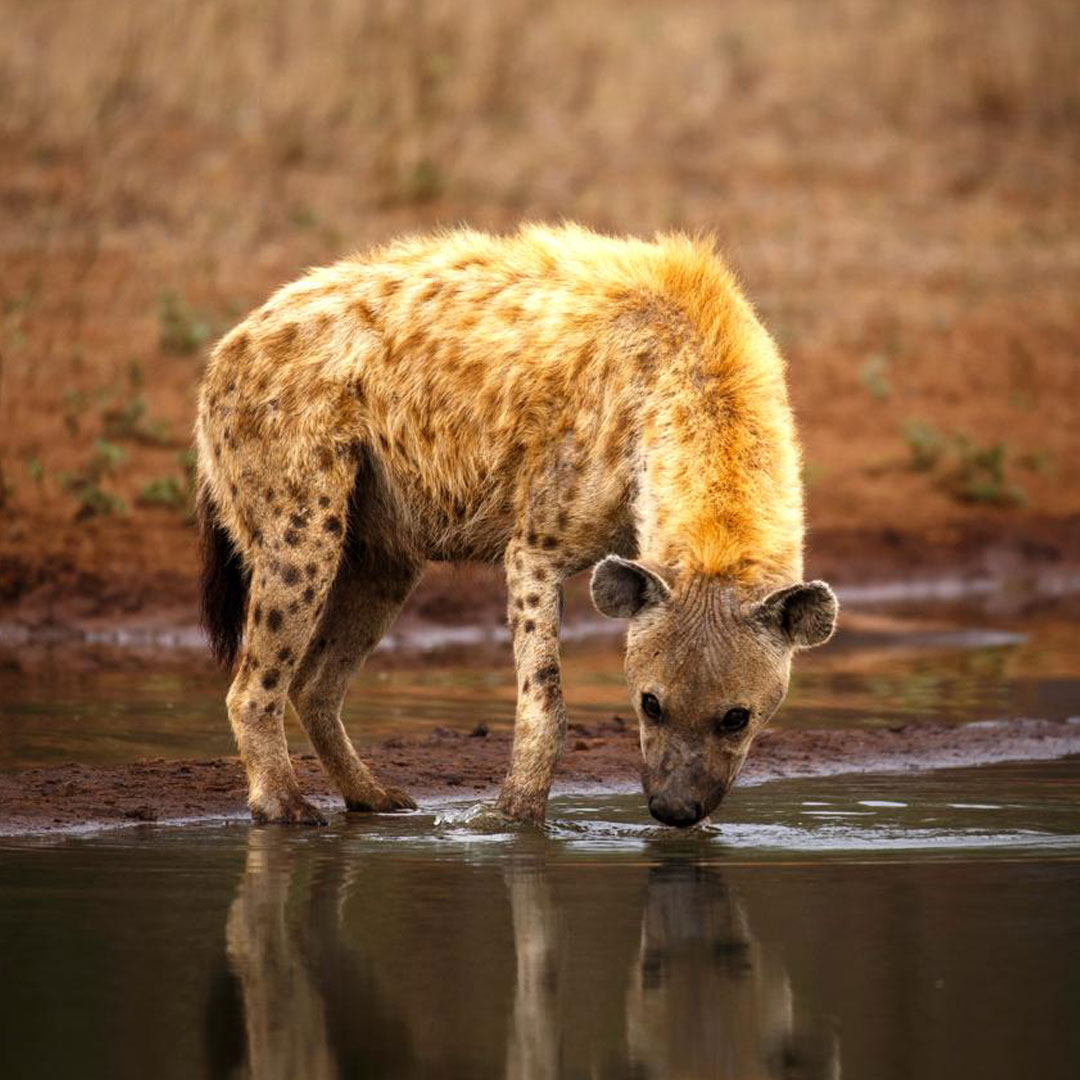
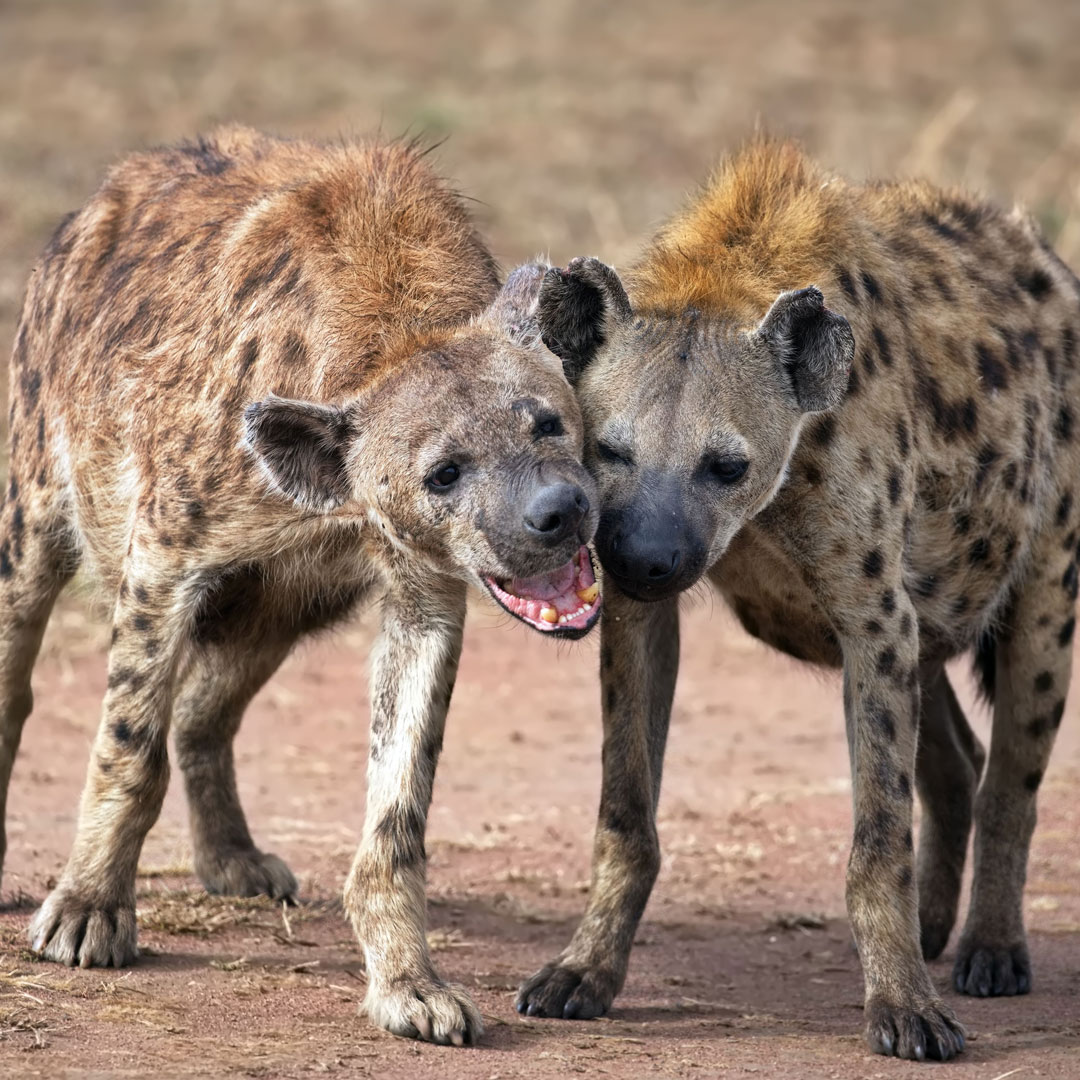
Hyenas are among Africa’s most misunderstood predators. They are also among the most important. Yet across much of their range, they are persecuted, poisoned, and pushed out.
Conservation teams are working to change that. What does that work actually look like on the ground? This page breaks it down.


Anti-Persecution and Protection Work
Persecution is the leading direct cause of hyena decline outside protected areas. Farmers kill hyenas — often legally, sometimes illegally — in response to livestock losses. In some regions, hyenas are deliberately targeted with poison carcasses, a method that kills indiscriminately and wipes out entire clans.
Conservation teams respond on several fronts:
- Ranger patrols across buffer zones and community land to monitor for snares, poison bait, and illegal killing
- Rapid-response units that investigate reported incidents and remove threats before they escalate
- Snare removal programmes that sweep key movement corridors on a regular basis
- Working with law enforcement where persecution crosses into illegal wildlife crime
Protection work is never finished. It requires consistent presence in the field and trusted relationships with the communities living alongside hyenas.
Monitoring and Research
You cannot protect what you cannot track. Most hyena conservation programmes run parallel monitoring operations to understand where animals are, how populations are changing, and what pressures they are under.
Field teams use a combination of methods:
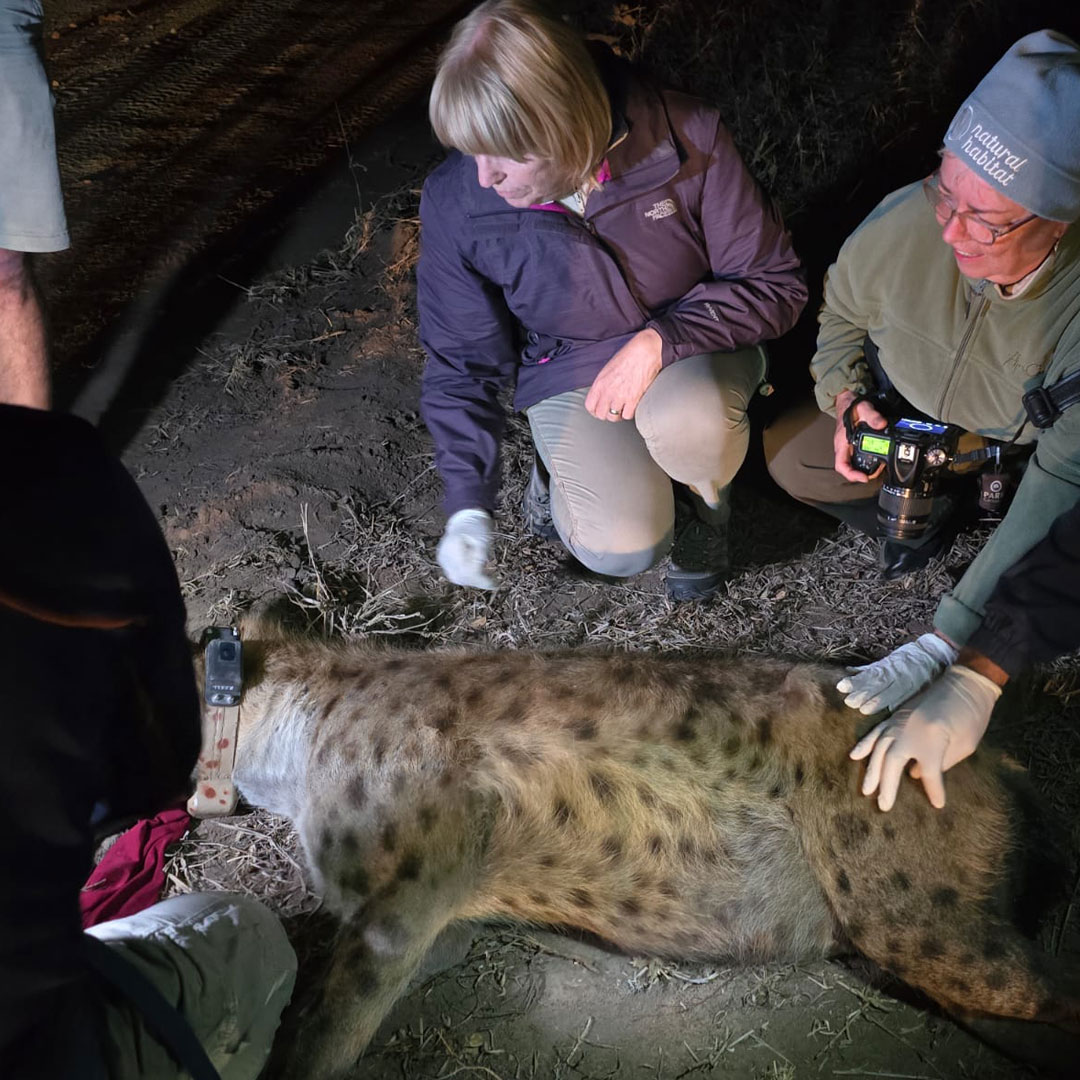
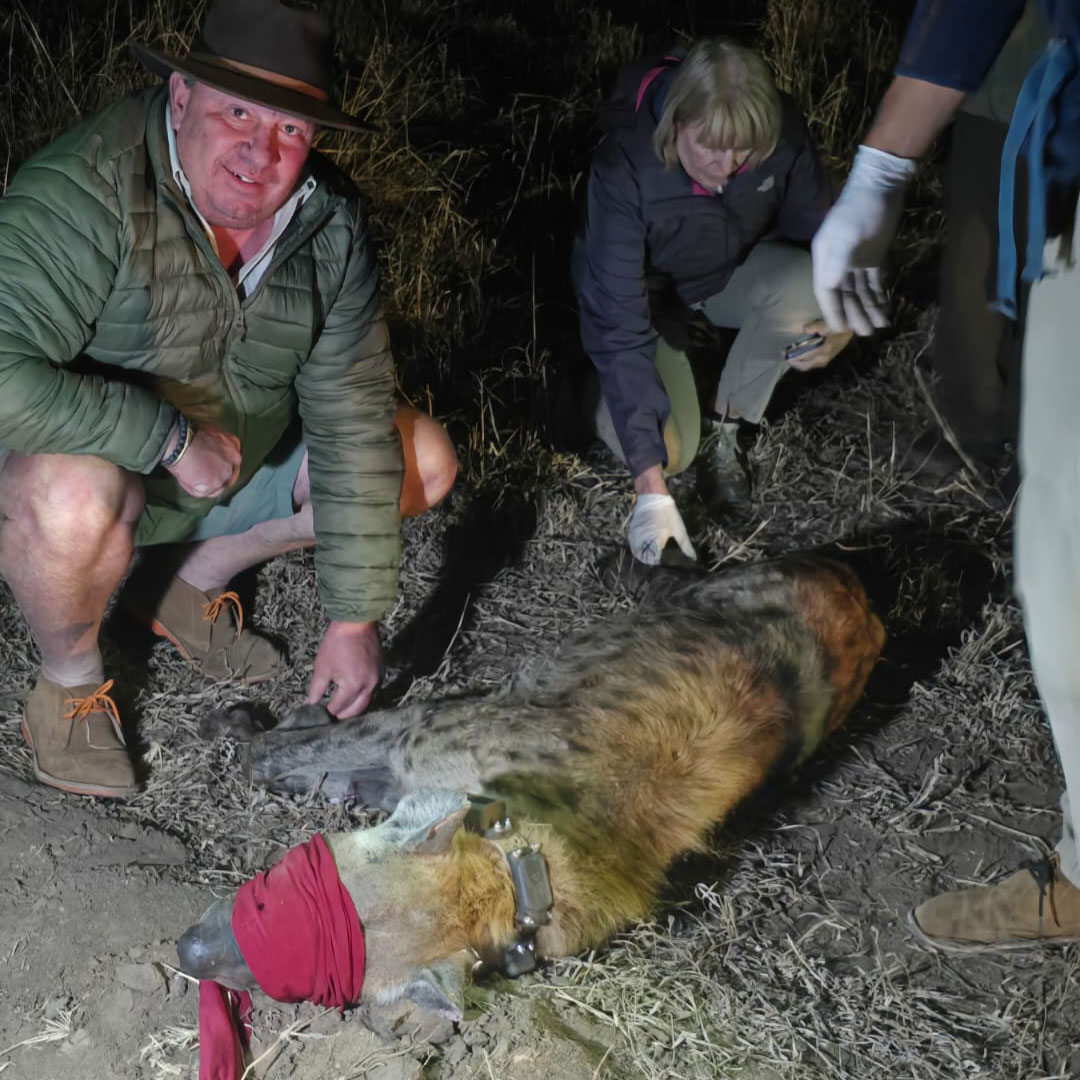
- GPS collaring on individual animals to track home range, movement corridors, and how hyenas respond to human pressure
- Camera traps deployed across territories to record activity, estimate clan size, and detect changes in behaviour over time
- Population surveys using track counts, spoor analysis, and call-up surveys to estimate numbers without direct capture
- Movement data cross-referenced with land-use maps to identify conflict hotspots before incidents occur
Research findings feed directly into management decisions. Data collected in the field shapes where patrols go, which communities receive intervention first, and where legal protections need strengthening.
Human–Hyena Conflict Reduction
Most hyena deaths outside protected areas are linked to conflict with people. A hyena kills a goat. A farmer retaliates. The cycle continues.
Conflict reduction programmes try to break that cycle before it starts. The most effective approaches combine practical protection with early warning:
- Livestock protection measures — predator-proof kraals (enclosures), guardian dogs, and improved herding practices that reduce the opportunity for predation
- Early warning systems using collar data and community reports to alert farmers when hyenas are moving through an area
- Rapid-response compensation or support when livestock losses do occur, reducing the pressure to retaliate
- Community mediators who can defuse tension and build trust between conservation teams and affected households
These programmes require long-term commitment. One-off interventions rarely stick. Conservation organisations that work in an area for years, not months, see the most durable results.
Community Value and Education
Conservation does not work if it only benefits the animals. Communities living alongside hyenas carry the costs — lost livestock, perceived danger, cultural fears — and receive little of the benefit unless programmes are deliberately designed to change that.
Effective conservation programmes include:
- Revenue-sharing models that direct money from conservation tourism back into local communities
- Employment of community members as rangers, monitors, and guides — giving hyena conservation a direct economic value for local people
- Education initiatives in schools and community settings that address the cultural stigma around hyenas and build understanding of their ecological role
- Involving local leaders and community members in monitoring and decision-making so conservation reflects local priorities, not just outside ones
The principle is straightforward: if a hyena is worth more alive than dead to the people living next to it, it stands a better chance of surviving. Conservation that ignores this reality tends not to last.
What a Conservation Safari Can Realistically Involve
If you are considering a conservation-led safari experience focused on hyenas, it helps to be honest about what that looks like in practice.
You may have the opportunity to:
- Accompany field teams on monitoring activities — checking camera traps, recording data, or assisting with community engagement work
- Observe hyenas in natural conditions, which often means nocturnal activity and unpredictable sightings
- Spend time in the field with researchers and conservationists who can explain the work and its challenges directly
- Visit communities involved in conservation programmes to understand the human side of wildlife protection
What you will not find on an ethical conservation safari: staged encounters, habituated animals used as props, or a guarantee of close-up sightings on demand. The wildlife behaves as wildlife does.
The value of a conservation safari is in what it teaches you and what it contributes. The experience is real — which sometimes means it is also unpredictable.
Hyena Conservation Library
If you’re exploring hyena conservation, these guides will help you understand the challenges facing Africa’s most misunderstood predators — and what a real hands-on conservation experience involves.
Note: These links point to the spoke pages in the cluster plan below. Add them as you publish each spoke page.
- Hyena conservation efforts explained (how protection works, what conservation teams actually do) →
- How many hyenas are left in Africa? (population context + why the numbers vary by species) →
- Are hyenas endangered? (conservation status explained + what the IUCN listing means) →
- Why are hyenas important to the ecosystem? (the ecological role no other species can fully replace) →
- Human–hyena conflict explained (why it happens + where it is most severe) →
- Human–hyena conflict solutions (what actually works in the field) →
- Spotted, striped and brown hyenas: what’s the difference? (three species, different threats, different conservation needs) →
- Where to see hyenas in Africa (best regions + responsible viewing tips) →
- Is a hyena conservation experience ethical? (what ethical looks like + red flags to avoid) →
- Hyena Conservation Experience (plan a tailored itinerary with Ranger Buck Safaris) →
get in touch with us
+27 83 653 5776
+27 83 653 5776 (WhatsApp)
info@rangerbucksafaris.com
16 Lourie Close, Meyersdal Eco Estate,
Alberton, Gauteng
16 Lourie Close, Meyersdal Eco Estate, Alberton, Gauteng

Website by Keeden Marketing | 2024
