
Plan a trip
What Do Hyenas Eat?
Last updated: April 2026
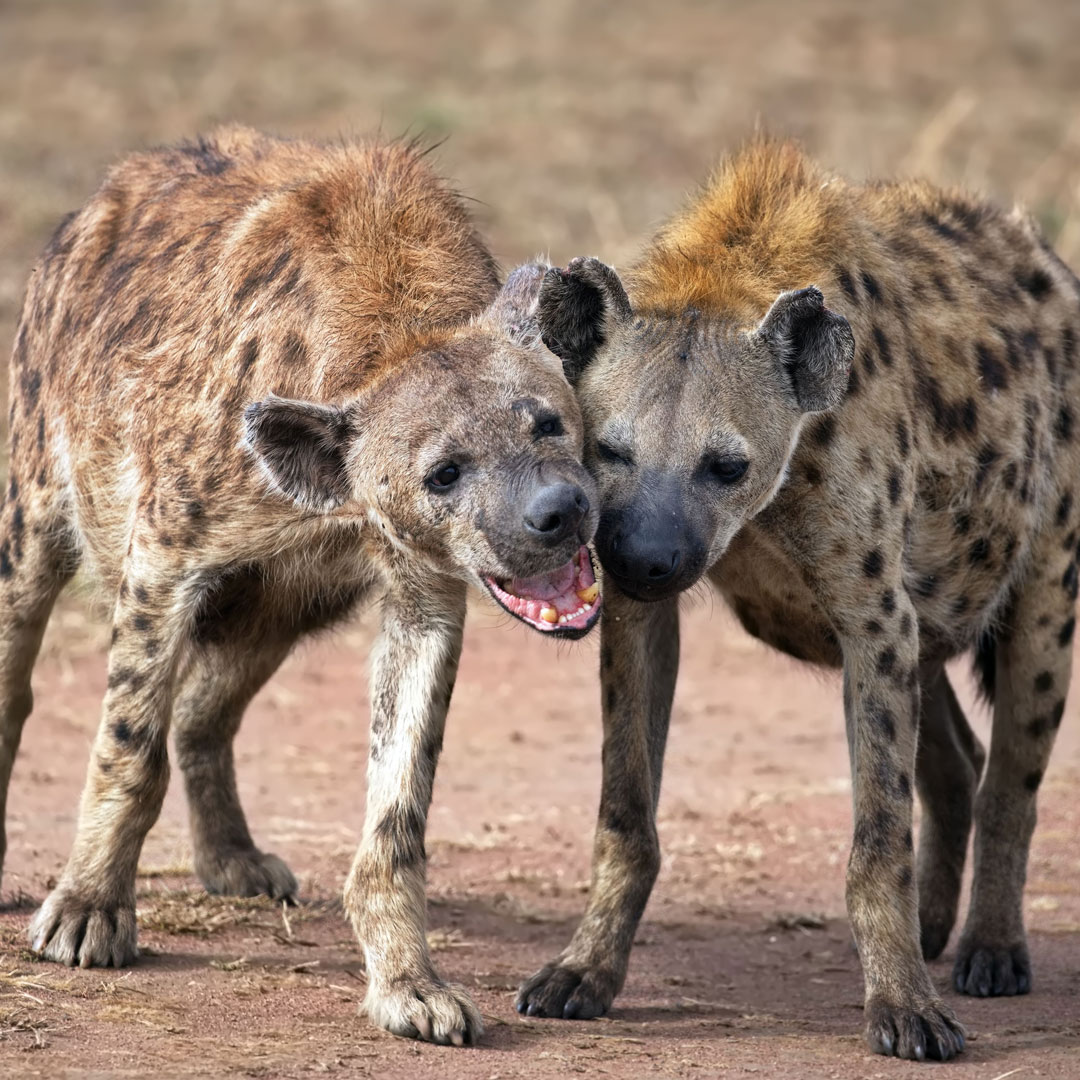
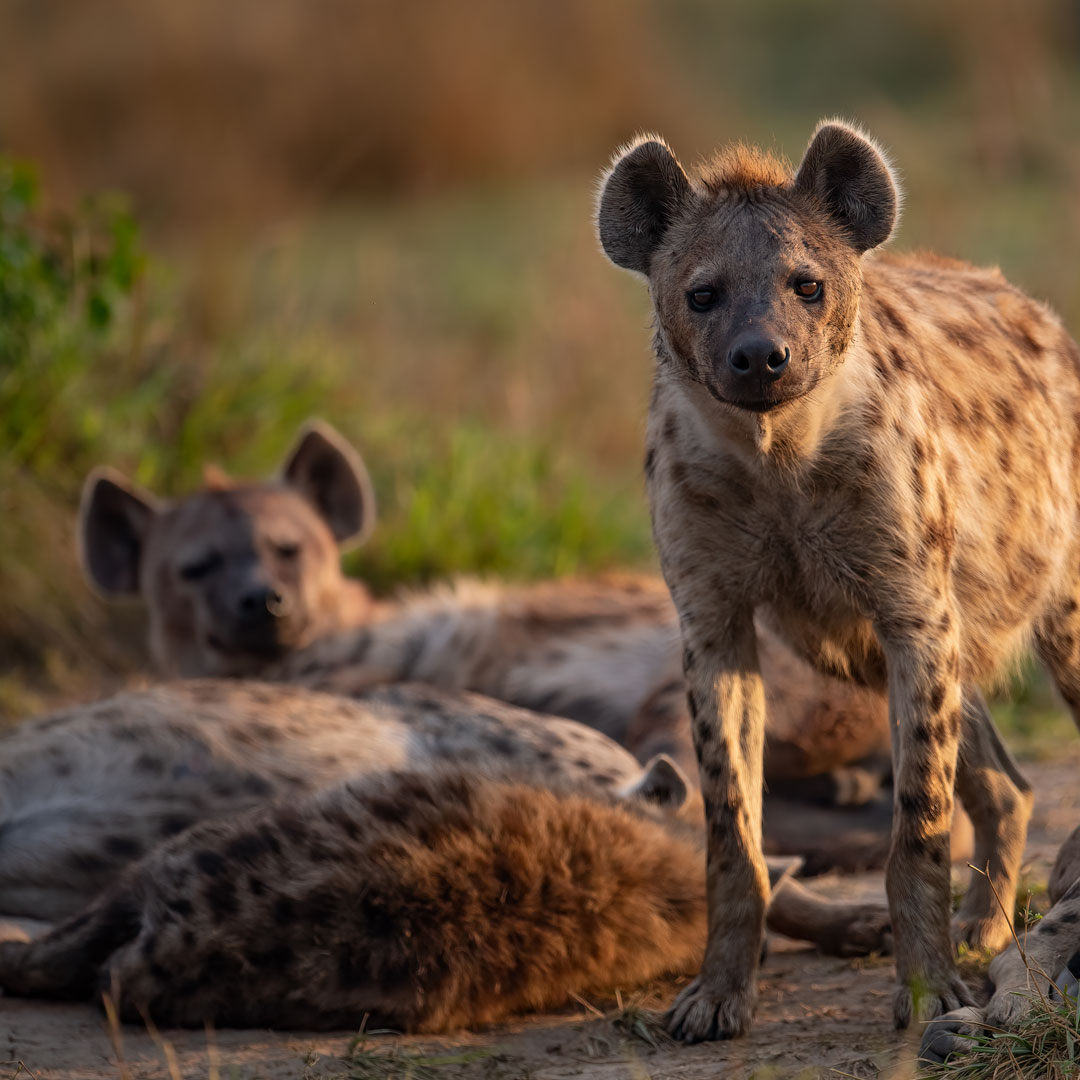
Hyenas have one of the most misunderstood diets in the animal kingdom. The image of a skulking scavenger picking over lion leftovers is a myth — and the science dismantles it completely.
Spotted hyenas are apex predators. They hunt. They kill. And when they do consume a carcass, they consume all of it — bones included. Here is exactly what hyenas eat, how they eat it, and why it matters.
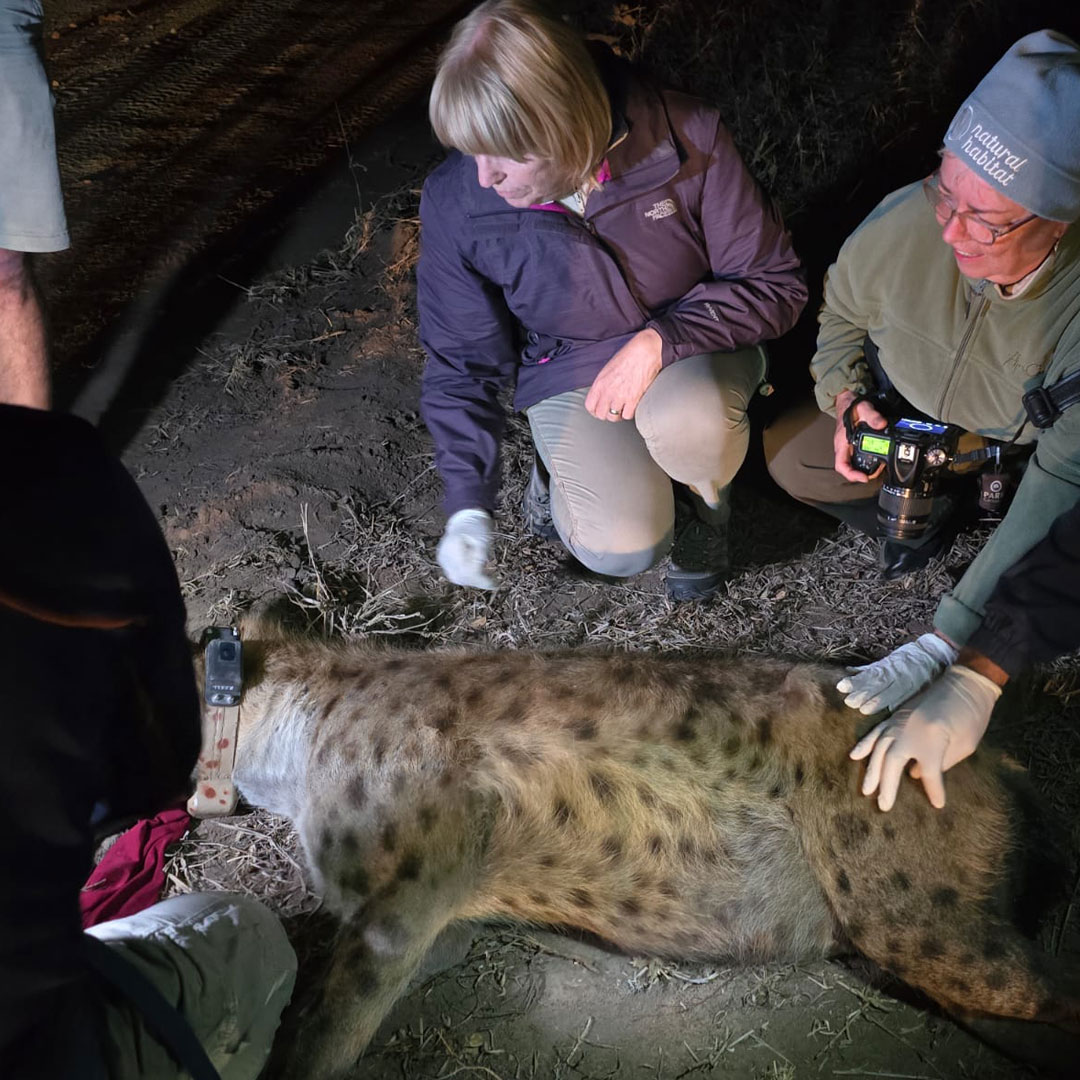
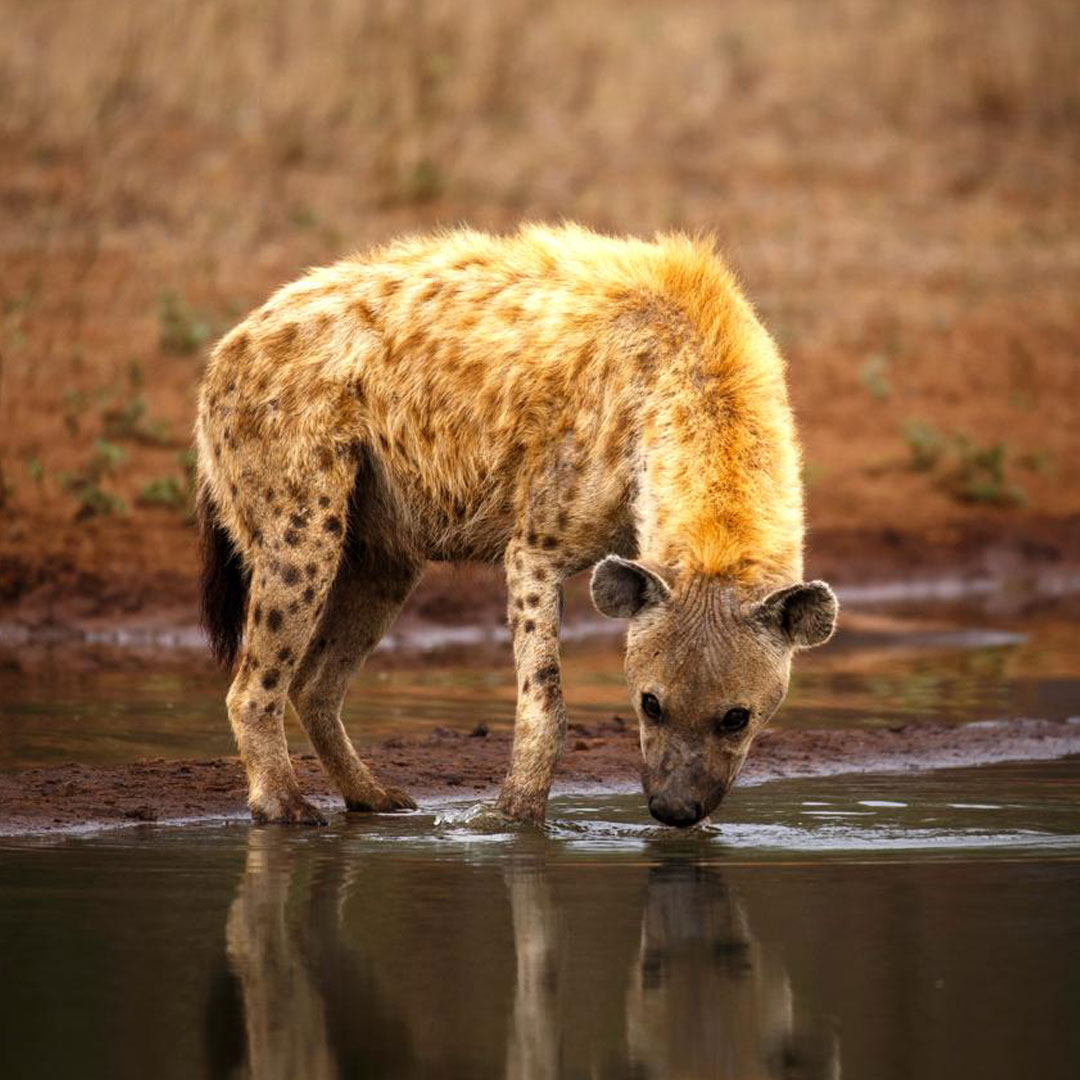
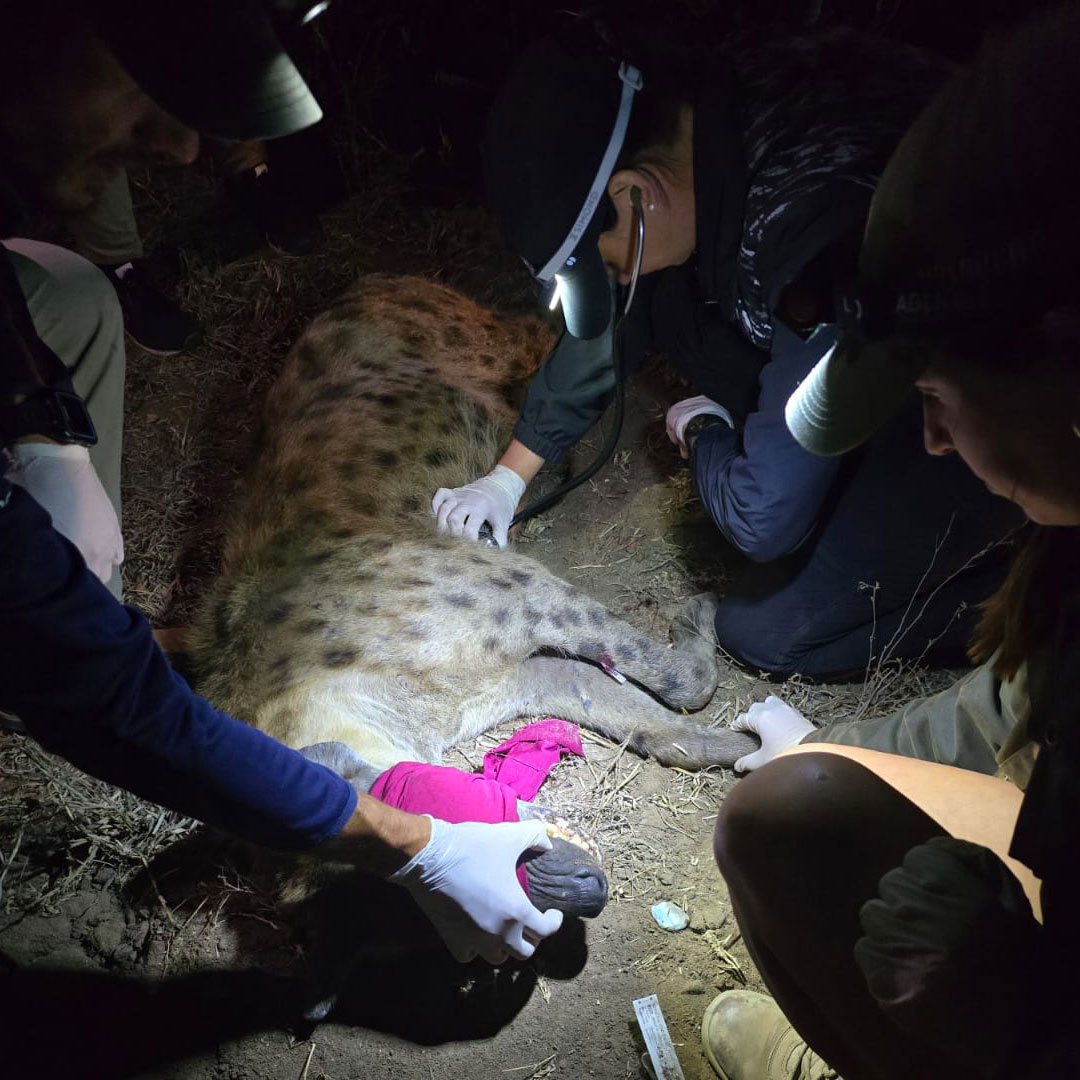
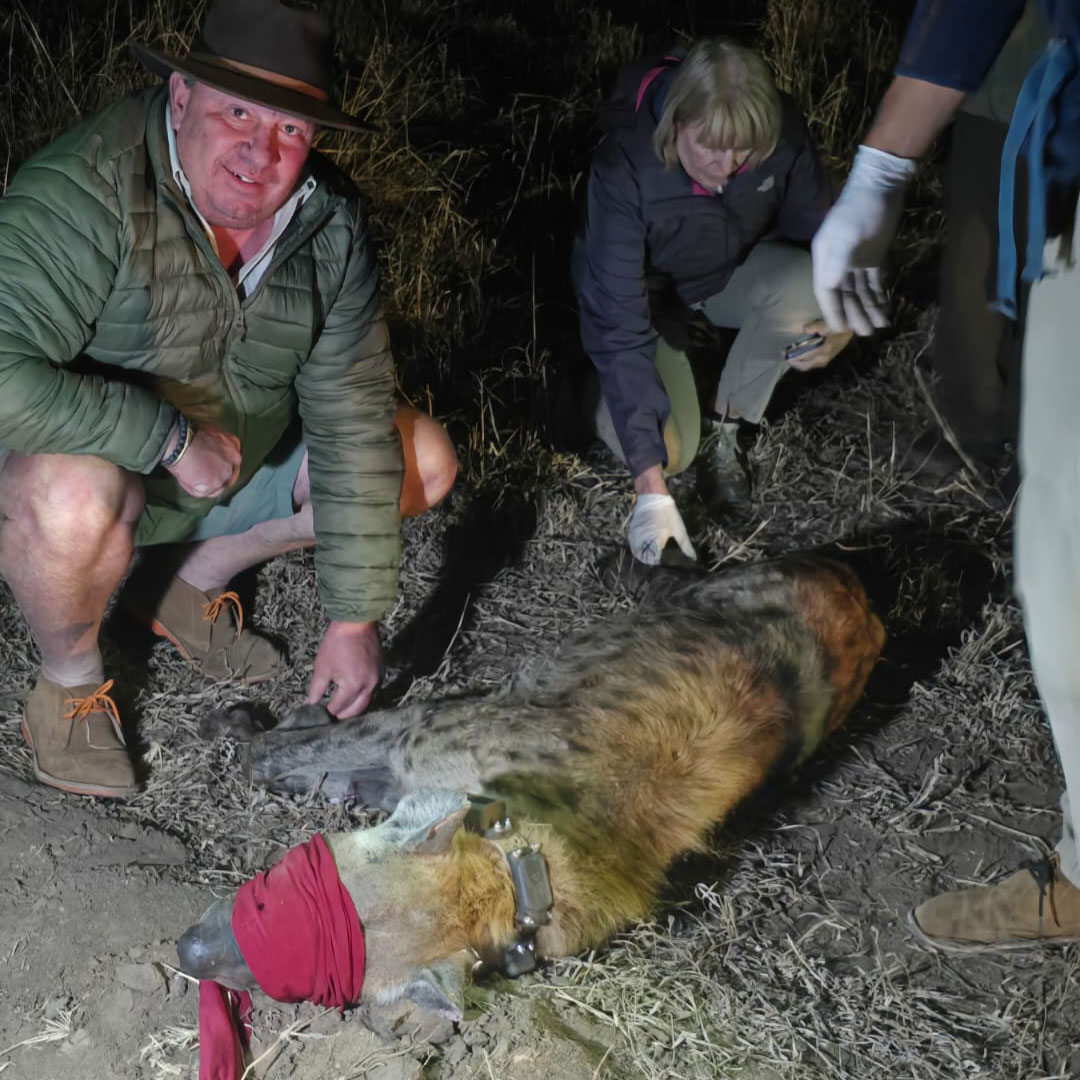
The Hunter Myth Debunked
For decades, popular culture cast the spotted hyena as nature’s janitor — waiting for lions to finish, then moving in. It is a satisfying story. It is also wrong.
Research across multiple African ecosystems shows that spotted hyenas kill the majority of what they eat. In the Serengeti, studies by Hans Kruuk found that spotted hyenas were responsible for up to 90% of their own kills. In the Ngorongoro Crater, hyenas are the dominant predator and lions are the secondary scavenger.
The confusion arises partly because hyenas are nocturnal and their kills are often made in darkness. By the time researchers or tourists arrive at a carcass, lions may have moved in. The assumption that lions killed it is understandable — and wrong.
What Spotted Hyenas Actually Eat
Spotted hyenas are generalist predators. They do not specialise on a single prey species. What they eat depends on what is available. Primary prey includes:
- Wildebeest — a staple across East African ecosystems
- Zebra — hunted cooperatively in larger clan groups
- Buffalo — targeted by larger groups, particularly older or weakened individuals
- Thomson’s and Grant’s gazelle — solo hunting targets
- Impala, warthog, springbok — common opportunistic prey
- Carrion — taken when available, but not the foundation of the diet
Hyenas are coursing predators. They chase prey over distance, wearing it down over time. This is hunting — not scavenging.
Bone Crushing: The Unique Adaptation
What separates hyenas from almost every other carnivore is what happens after the kill. Hyenas eat the entire carcass — hide, hooves, horns, and bone. This is the result of a jaw and digestive system that evolved specifically for the task.
The spotted hyena’s premolars — called bone-cracker teeth — can shear through a femur that would defeat any other land predator. Their stomach acid is highly concentrated, capable of dissolving bone matter and destroying pathogens that would be lethal to other scavengers.
The result: hyena faeces are white or pale grey from calcium. Nothing is wasted. A hyena clan can strip a large carcass in under 20 minutes, returning nutrients directly to the soil and preventing the build-up of organic matter that would otherwise harbour disease.
What Striped and Brown Hyenas Eat
Not all hyenas hunt at the same rate. The striped hyena (found across North Africa, the Middle East and South Asia) is primarily a scavenger and forager. Its diet includes carrion from large mammals, insects (particularly beetles and termites), fruit, small vertebrates, and human food waste near settlements.
Brown hyenas (endemic to Southern Africa) are also heavily scavenger-dependent, consuming carrion, eggs, small mammals, and plant material. They are solitary foragers and cover large distances nightly.
All three species fill different ecological roles. The spotted hyena’s hunting capacity is not shared by its cousins.
The Role of Diet in Disease Control
This is where hyena diet becomes genuinely critical to ecosystem health. When animals die from disease — anthrax, botulism, brucellosis — the carcass becomes a reservoir of pathogens. Left intact, it can infect scavengers, contaminate water sources and spread disease through an ecosystem for months.
Hyenas consume carcasses rapidly and completely, including infected tissue. Their highly acidic stomach environment neutralises many of the pathogens that would otherwise persist. Research in sub-Saharan Africa has shown measurable reductions in disease transmission in areas with healthy hyena populations compared to areas where hyenas have been significantly reduced.
Why Diet Makes Hyenas Ecologically Irreplaceable
No other carnivore does what the spotted hyena does. Lions leave bones. Wild dogs leave scraps. Vultures clean carcasses but cannot process bone. The hyena is the ecosystem’s complete clean-up crew — the animal that closes every loop.
Their diet drives nutrient cycling, suppresses disease, regulates prey populations, and prevents the landscape from accumulating the detritus of death. Ecosystems with healthy hyena populations function measurably better than those without.
When you encounter a hyena at Ranger Buck Safaris, you are watching one of Africa’s essential species at work. Not a scavenger. Not a villain. An engineer.
Hyena Conservation Library
Everything you need to understand hyenas — their biology, behaviour, threats, and the work being done to protect them.
- Hyena conservation efforts explained →
- How many hyenas are left in Africa? →
- Are hyenas endangered? →
- Why are hyenas important to the ecosystem? →
- Human–hyena conflict explained →
- Human–hyena conflict solutions →
- Spotted, striped and brown hyenas →
- Where to see hyenas in Africa →
- Is a hyena conservation experience ethical? →
- What do hyenas eat? →
- Why do hyenas laugh? →
- Are hyenas scavengers or hunters? →
- How strong is a hyena’s bite? →
- Hyena intelligence & behaviour →
- Hyena myths vs facts →
- Hyena social structure & clans →
- Are hyenas dangerous? →
- How hyenas are monitored →
- Hyena threats: poisoning & snaring →
- Hyenas vs lions →
- Hyena reproduction & cubs →
- Hyena habitat & range →
- Hyenas in African culture & folklore →
- Hyena conservation organisations →
- Hyena Conservation Experience →
get in touch with us
+27 83 653 5776
+27 83 653 5776 (WhatsApp)
info@rangerbucksafaris.com
16 Lourie Close, Meyersdal Eco Estate,
Alberton, Gauteng
16 Lourie Close, Meyersdal Eco Estate, Alberton, Gauteng

Website by Keeden Marketing | 2024
