
Plan a trip
Why Are Hyenas Important to the Ecosystem?
Last updated: April 2026
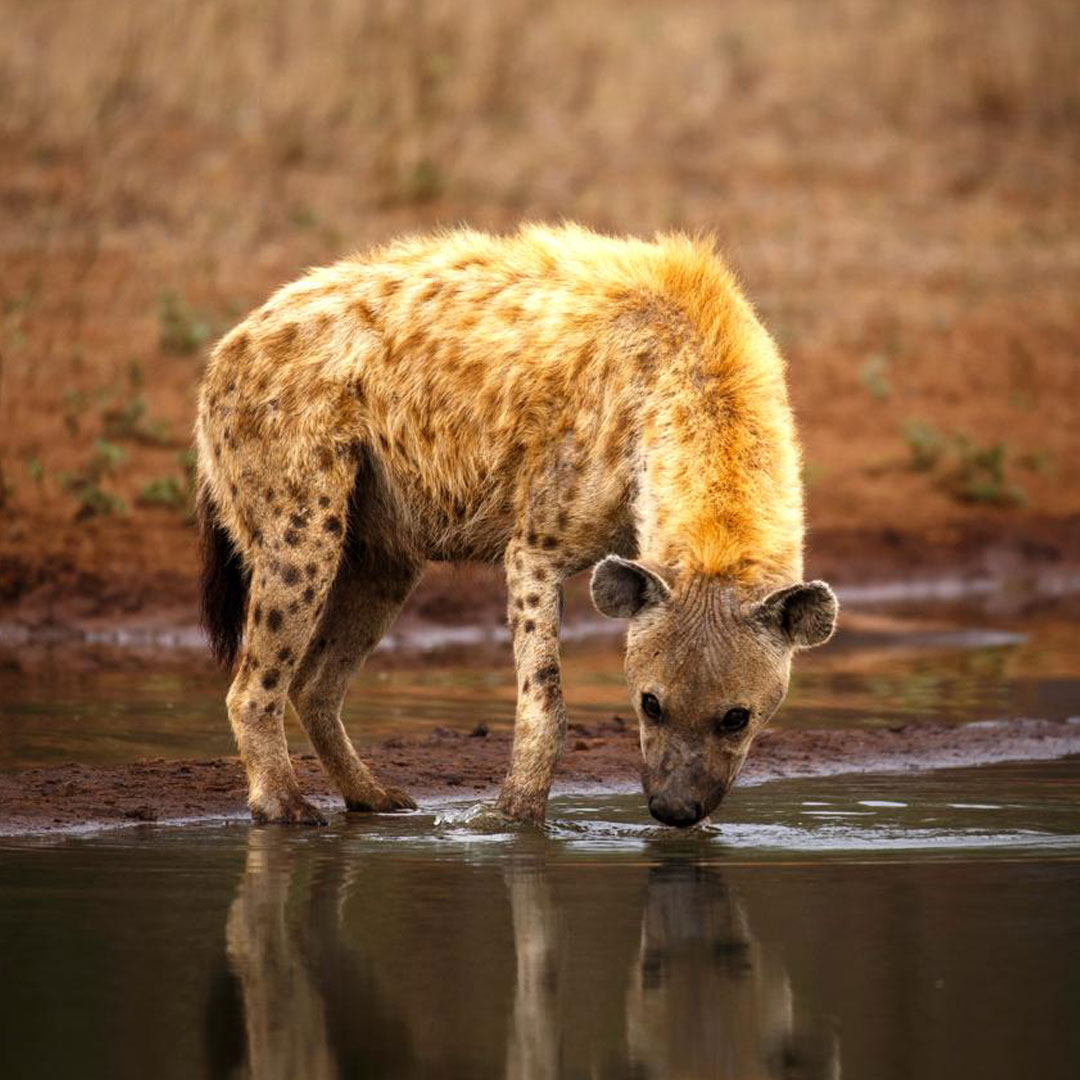
Hyenas have a reputation problem. Most people picture a skulking scavenger living off other predators’ kills. That picture is wrong — and the gap between myth and reality matters for conservation.
Spotted hyenas are among the most ecologically important large carnivores in Africa. Remove them, and ecosystems feel the loss quickly. Here is what they actually do.


Scavenging and Disease Prevention
Hyenas are nature’s biosecurity team. When an animal dies on the savanna, hyenas locate the carcass fast — often before vultures, often before lions. They consume it completely, bones included.
That last part is critical. Bones can harbour anthrax spores, tuberculosis bacteria, and other pathogens for months. Most predators leave bones behind. Hyenas do not. Their stomach acid is among the most corrosive of any land carnivore — it dissolves bone and destroys most pathogens in the process.
The practical result: hyenas dramatically reduce the environmental load of disease-causing organisms in the ecosystems where they live. In landscapes where hyena populations have declined, disease prevalence in prey species and livestock increases. The connection is direct and measurable.
Apex Predation — The Myth of the Lazy Scavenger
The idea that hyenas are primarily scavengers is one of the most persistent and most incorrect assumptions in popular wildlife understanding.
In the Serengeti, spotted hyenas kill approximately 95% of the food they eat. In some ecosystems, they are more successful hunters than lions — and lions are more likely to steal from hyenas than the reverse. Research by ecologist Hans Kruuk demonstrated this clearly: in the Ngorongoro Crater, lions were the kleptoparasites, not the hyenas.
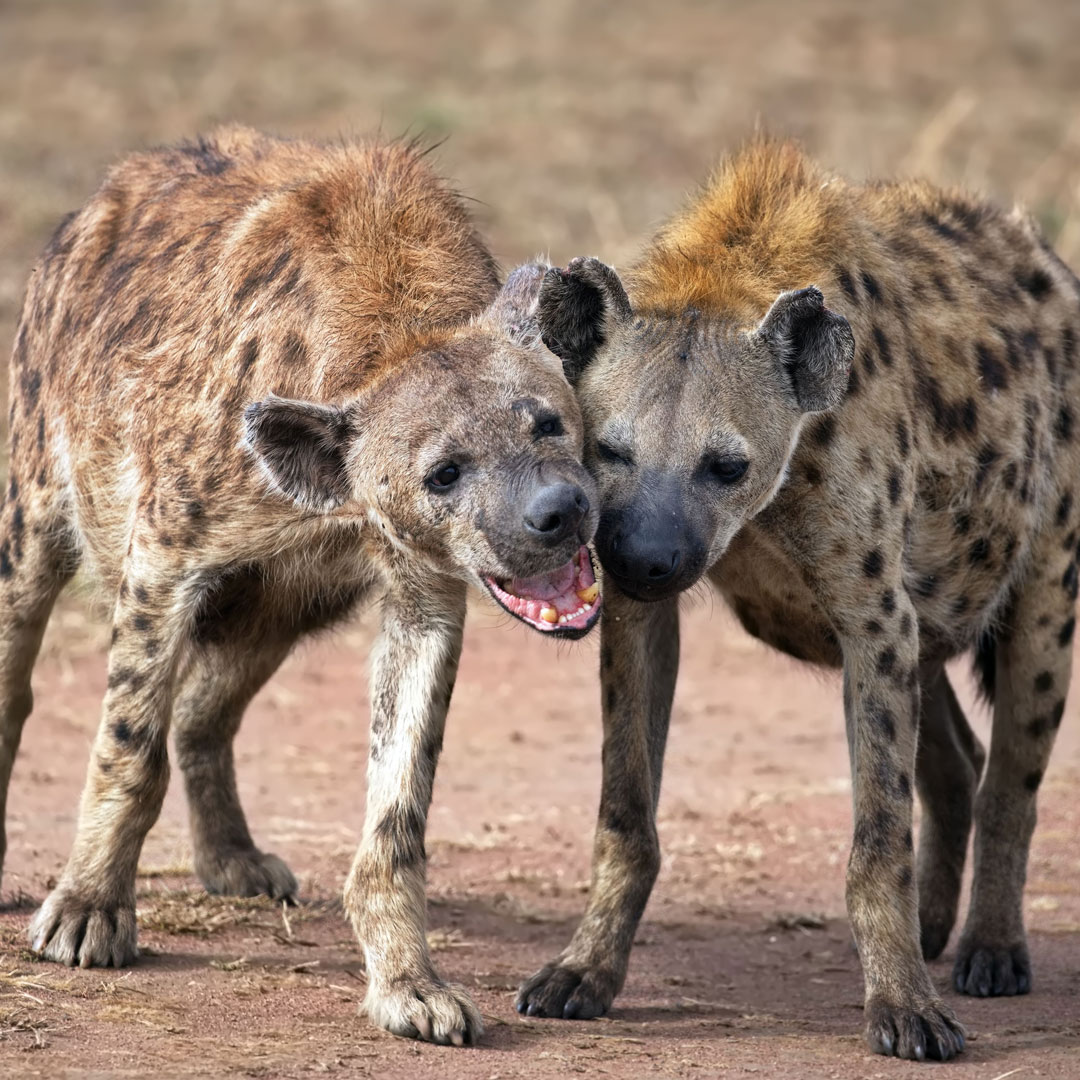
Hyenas hunt cooperatively, pursuing prey over long distances with exceptional stamina. They take wildebeest, zebra, buffalo calves, and a range of medium-sized antelope. This active predation role regulates prey populations and prevents overgrazing in specific vegetation zones.
Nutrient Cycling
Every carcass a hyena processes is a nutrient transfer. Calcium, phosphorus, and nitrogen locked in bones are returned to the soil through defecation. In nutrient-poor savanna soils, this is a meaningful contribution to the fertility that supports plant growth.
Hyena latrines — communal defecation sites — are measurably more nutrient-rich than surrounding soil, and some plant species preferentially colonise these areas. Over time, across hundreds of square kilometres of territory, this creates a patchwork of nutrient distribution that benefits the broader vegetation community.
Debunking the Myths
The lazy scavenger narrative is scientifically wrong. Studies across the Serengeti, Kruger, and the Masai Mara consistently show spotted hyenas as active, highly efficient hunters who are stolen from by lions more often than they steal.
Lions steal from hyenas far more often than the reverse. The behaviour that shaped the popular image — groups of hyenas giving way at a carcass as lions arrive — reflects a numbers disadvantage in that specific encounter, not a fundamental behavioural pattern.
Getting this right matters for conservation attitudes. Communities and policymakers who understand hyenas as apex predators rather than parasitic scavengers are more likely to support their protection. The myth actively costs lives.
What Happens When Hyena Populations Collapse
The consequences of losing hyenas from an ecosystem are well-documented in regions where persecution and habitat loss have driven local populations down.
Disease risk increases. Without efficient carcass removal, anthrax and other pathogens persist longer in the environment. Livestock near reserve boundaries are exposed to higher pathogen loads. Human communities bear the cost.
Prey populations shift. Without hyena predation pressure, certain prey species can overgraze specific vegetation zones. This has downstream effects on the full herbivore community and on the vegetation structure that the whole ecosystem depends on.
Vultures fill part of the scavenging gap, but they cannot process bones, cannot neutralise the same range of pathogens, and cannot regulate prey populations. The functional gap hyenas leave behind is not filled by any other single species.
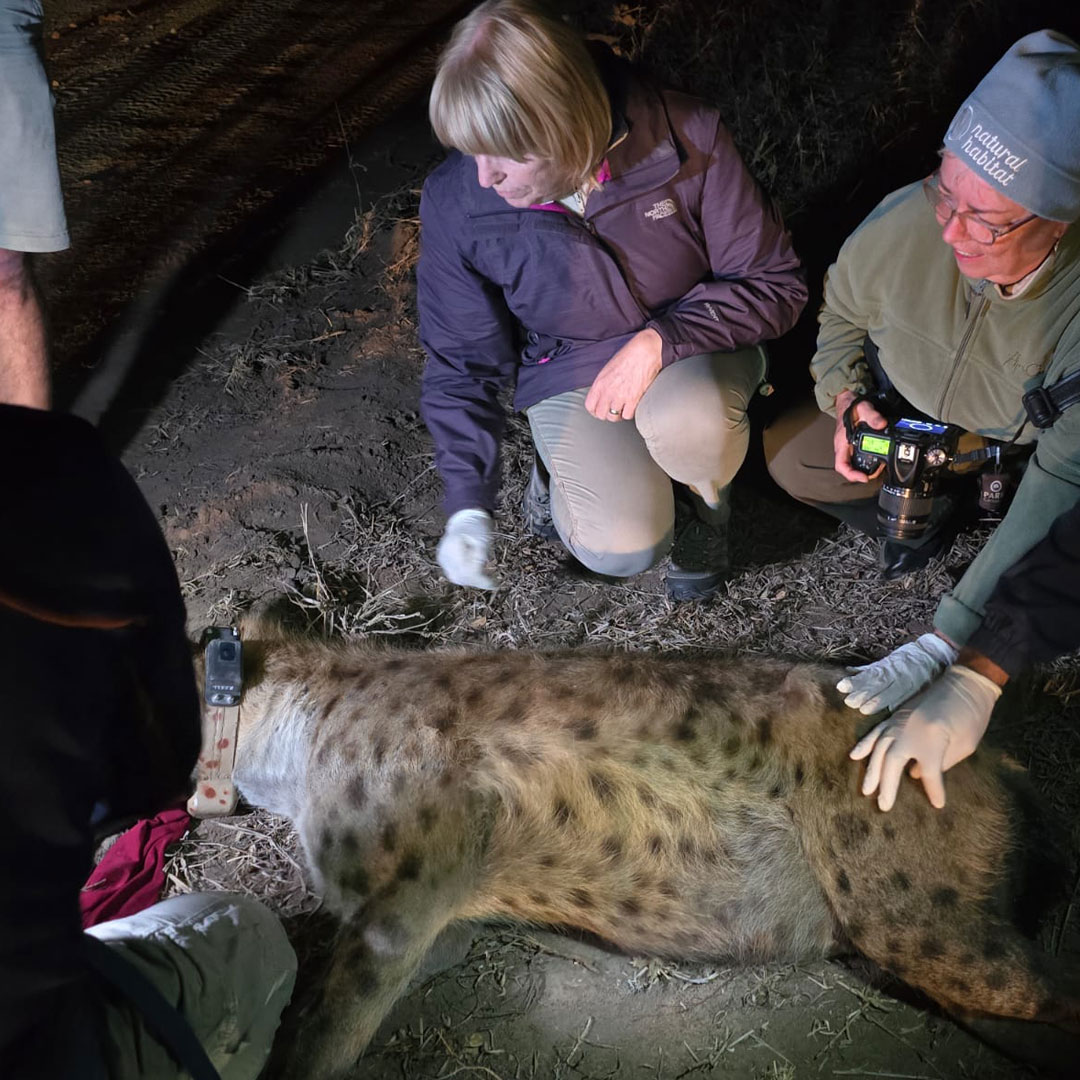
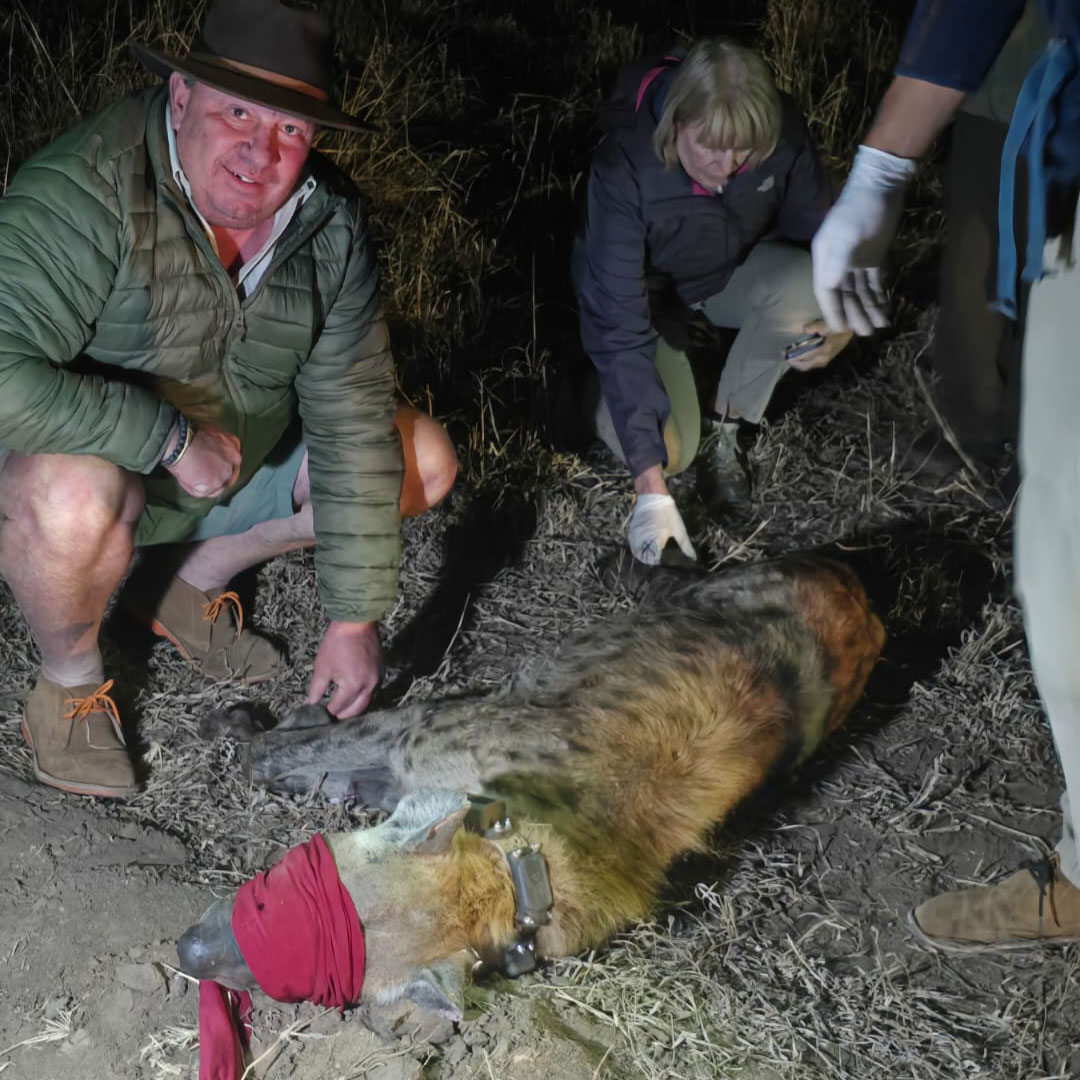
When you join a hyena conservation experience with Ranger Buck Safaris, you contribute to the field work, monitoring, and community engagement that keeps hyenas in the landscape — and keeps the ecosystem functioning.
Hyena Conservation Library
If you’re exploring hyena conservation, these guides will help you understand the challenges facing Africa’s most misunderstood predators — and what a real hands-on conservation experience involves.
- Hyena conservation efforts explained (how protection works, what conservation teams actually do) →
- How many hyenas are left in Africa? (population context + why numbers vary by species) →
- Are hyenas endangered? (conservation status explained + what the IUCN listing means) →
- Why are hyenas important to the ecosystem? (the ecological role no other species can fully replace) →
- Human–hyena conflict explained (why it happens + where it is most severe) →
- Human–hyena conflict solutions (what actually works in the field) →
- Spotted, striped and brown hyenas: what’s the difference? (three species, different threats) →
- Where to see hyenas in Africa (best regions + responsible viewing tips) →
- Is a hyena conservation experience ethical? (what ethical looks like + red flags) →
- Hyena Conservation Experience (plan a tailored itinerary) →
get in touch with us
+27 83 653 5776
+27 83 653 5776 (WhatsApp)
info@rangerbucksafaris.com
16 Lourie Close, Meyersdal Eco Estate,
Alberton, Gauteng
16 Lourie Close, Meyersdal Eco Estate, Alberton, Gauteng

Website by Keeden Marketing | 2024
