
Plan a trip
Hyena Conservation in Botswana
Last updated: April 2026
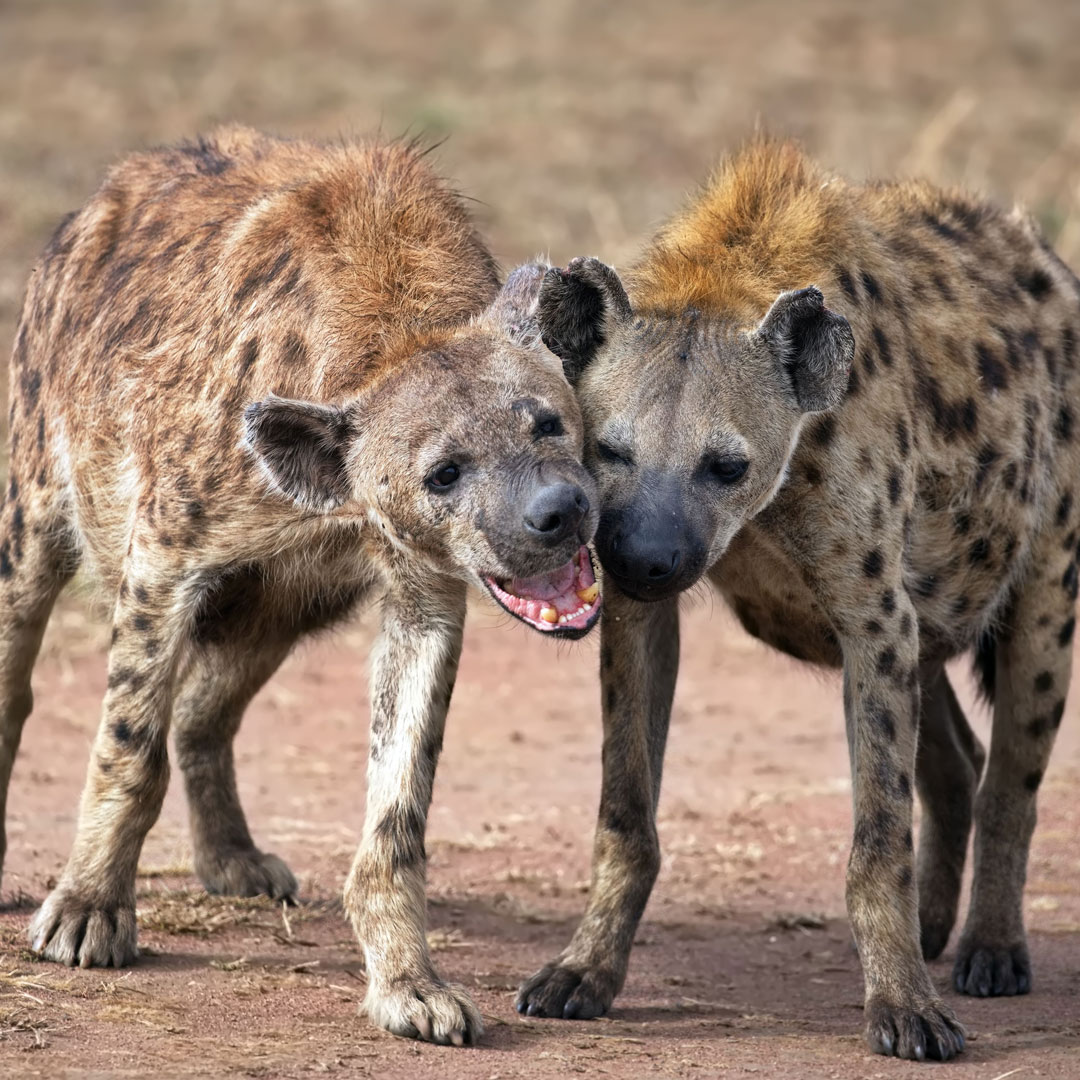
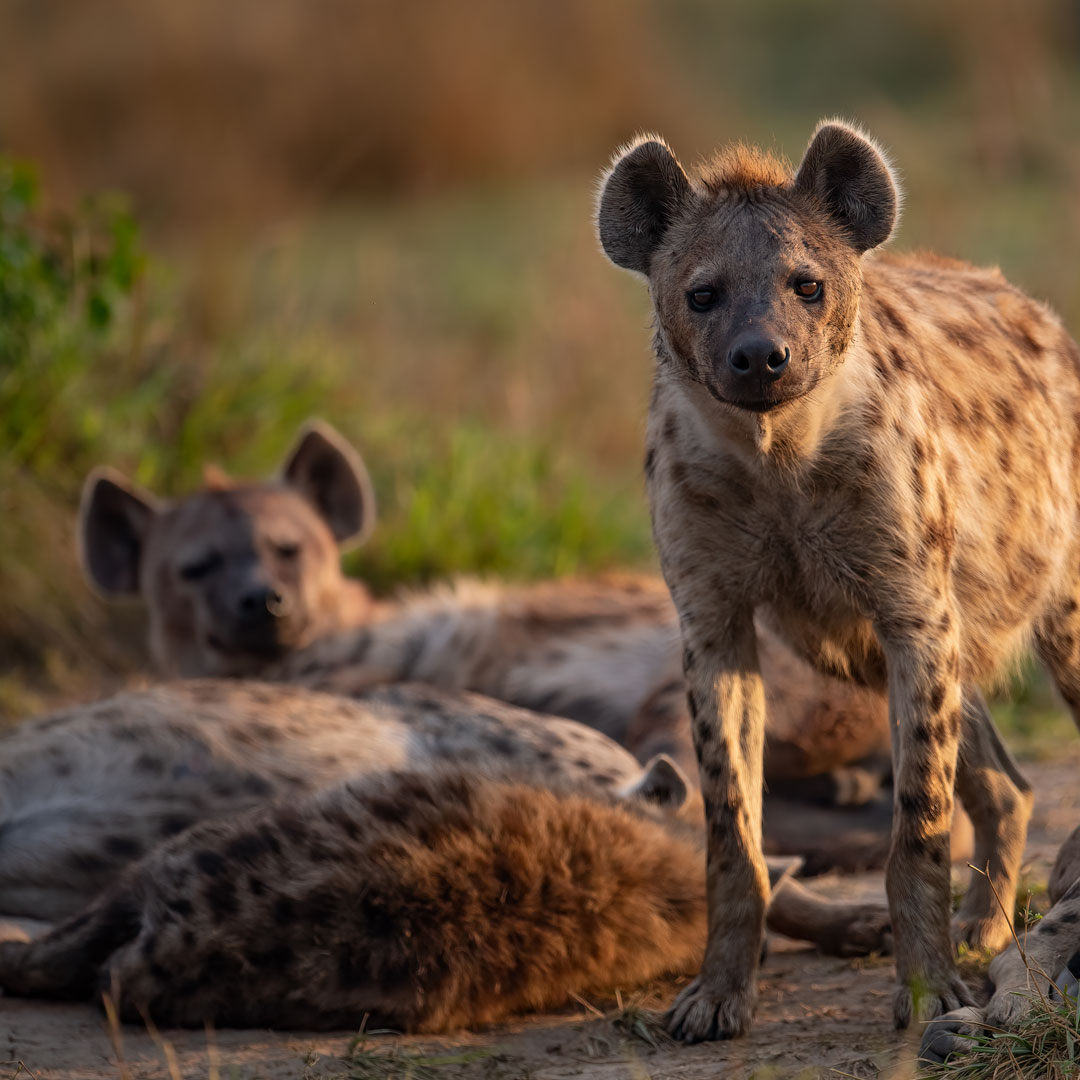
Botswana is one of the strongest spotted hyena countries on the continent. High densities, large protected areas and a low human population create conditions that allow hyena clans to operate at close to their natural scale.
It is also a country that has made a deliberate choice about what kind of tourism it wants — and that choice has conservation consequences that extend directly to predators like the hyena.
Why Botswana Matters for Hyenas
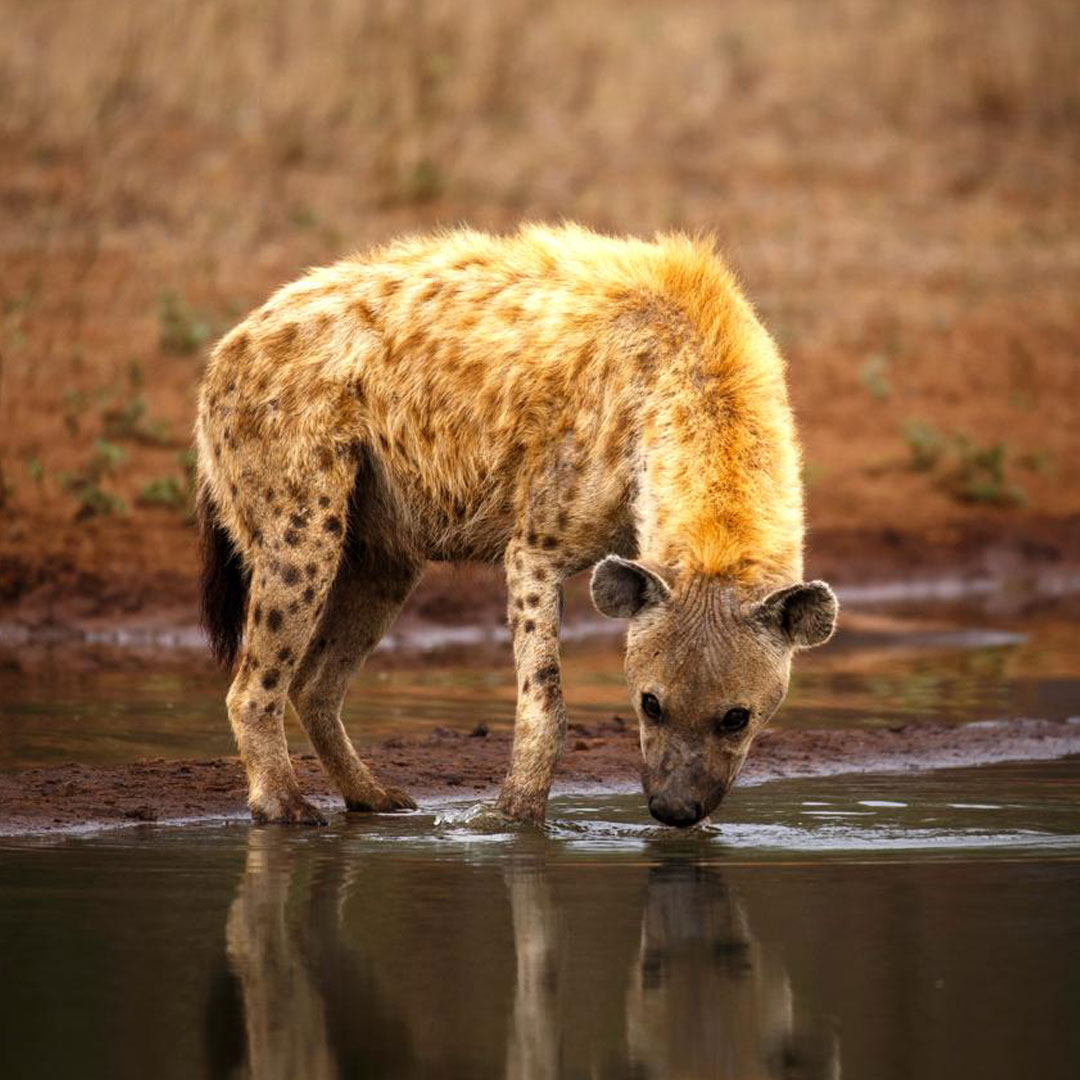
Botswana hosts some of the highest spotted hyena densities on the continent. The Okavango Delta, Chobe and the Kgalagadi ecosystems provide vast, connected habitats with robust prey bases. The country’s low human population density — approximately 4 people per square kilometre — means that wildlife corridors exist here that have been closed in more densely settled countries. For conservation, Botswana represents a baseline: what a functioning hyena population looks like in a landscape where the primary threats are managed rather than acute.
Key Areas for Hyenas in Botswana
- Okavango Delta: Large spotted hyena clans active throughout; hyenas frequently exploit elephant carcasses; highly visible around seasonal flood areas where prey concentrates
- Chobe National Park: Excellent year-round hyena density; the Chobe River frontage and Savuti Channel area are particularly productive; large concentrations of buffalo and elephant provide consistent food sources
- Central Kalahari Game Reserve: Brown hyenas present in this vast semi-arid reserve; one of the better Botswana locations for brown hyena encounters
- Kgalagadi Transfrontier Park (Botswana section): Extends into Botswana’s south-west; the Mabuasehube area offers wild, uncrowded access to both spotted and brown hyena country
- Linyanti and Selinda: Private concessions in northern Botswana with excellent predator populations and highly experienced guiding teams
Conservation Challenges in Botswana
Botswana’s conservation story is not without tension. Outside the formal protected area network, wildlife management areas (WMAs) and community concessions present a more complex picture:
- Livestock–wildlife conflict in communities adjacent to WMAs and park boundaries
- Human settlement in wildlife corridors encroaching on connectivity in the north and east
- Disease transmission risk from domestic dog populations near wildlife areas
- Hunting policy shifts creating uncertainty for communities and wildlife managers
Conservation Work in Botswana
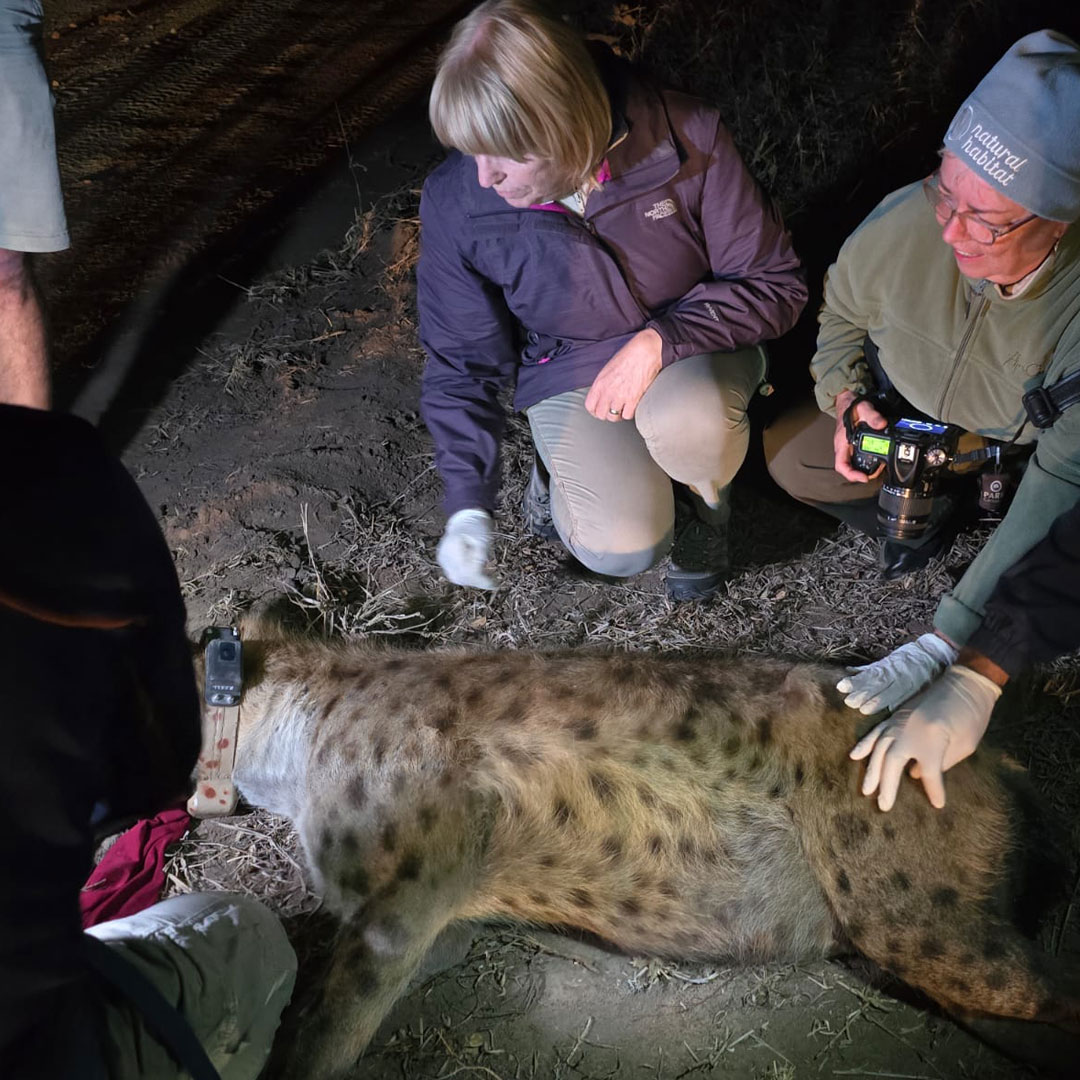
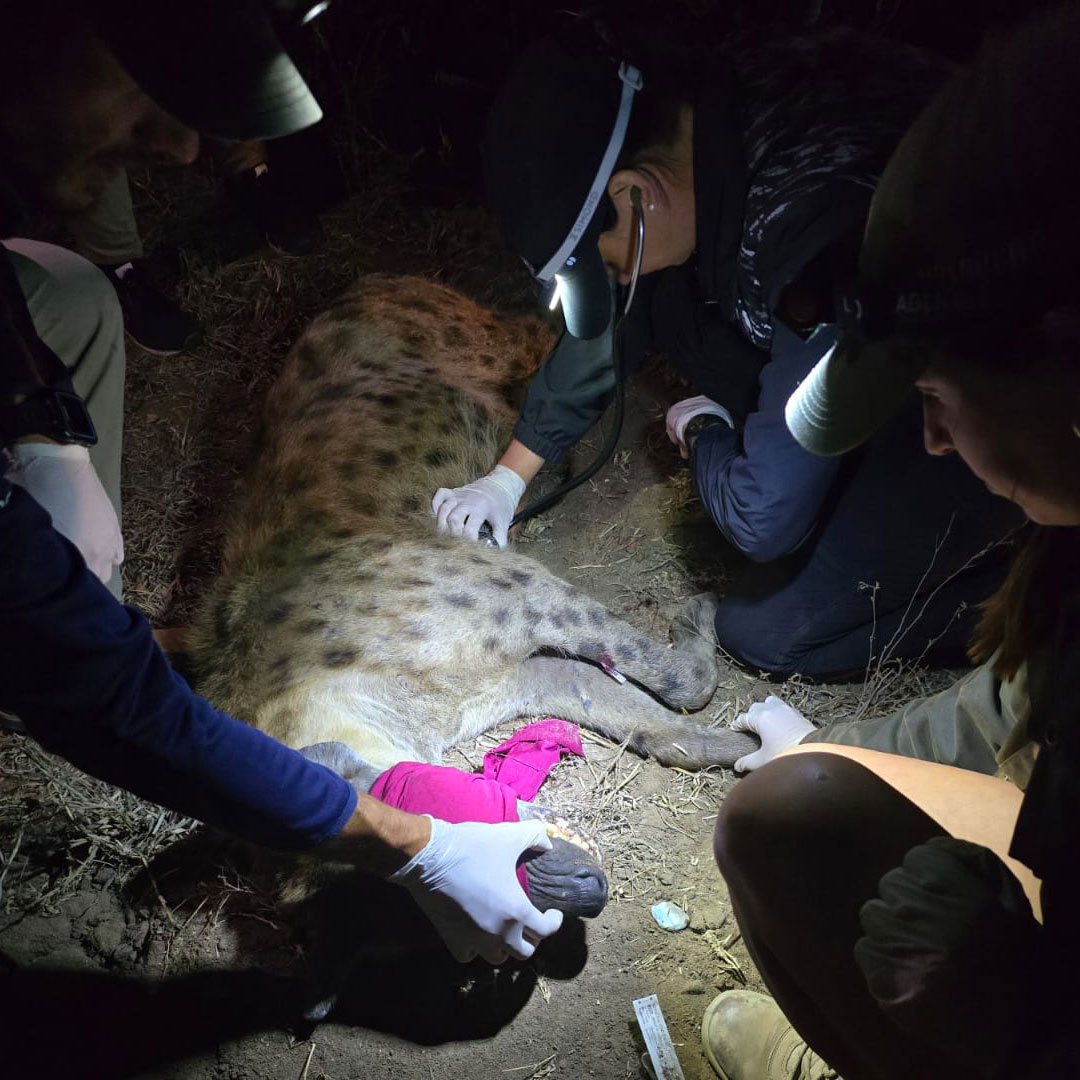
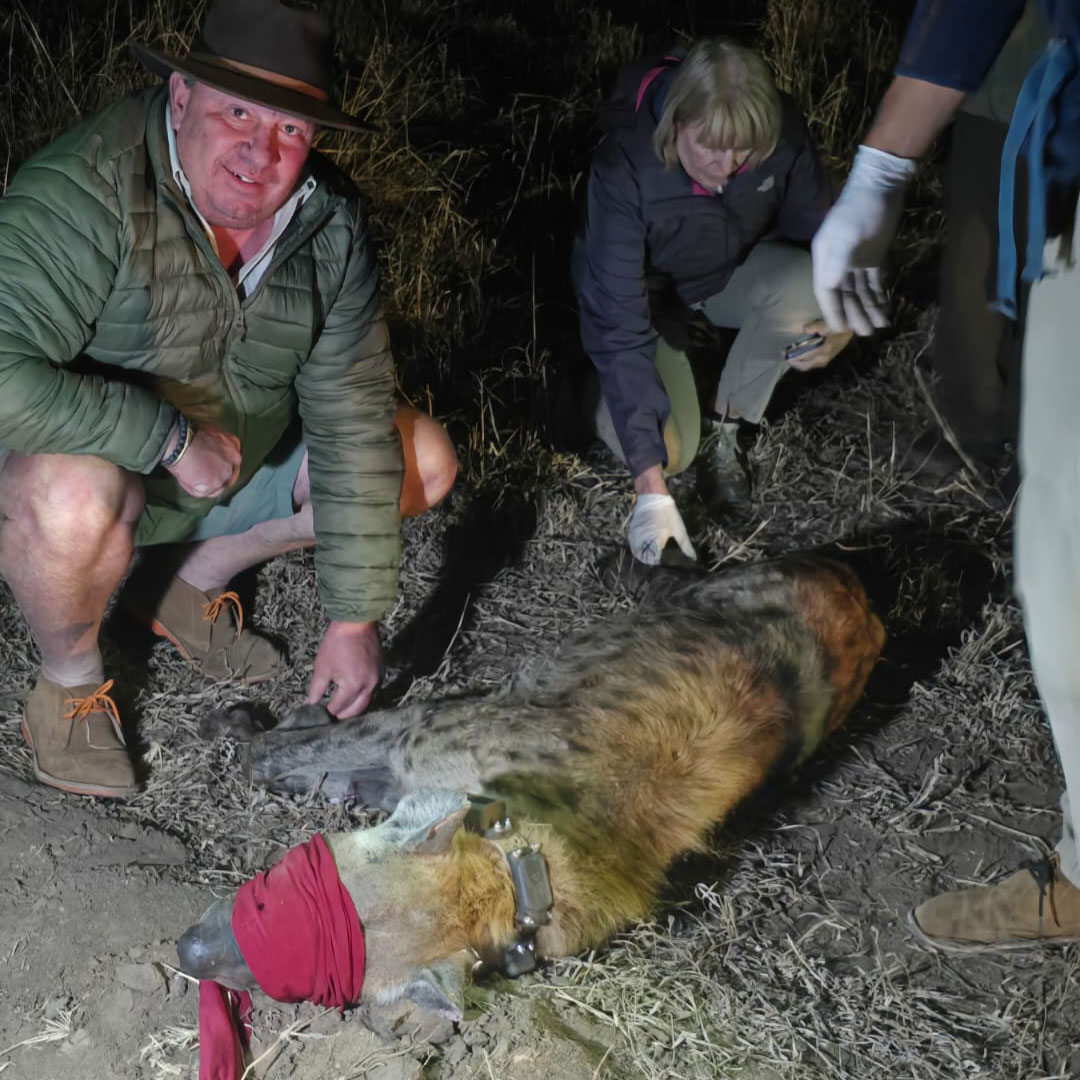
Botswana Predator Conservation (BPC) is the primary organisation conducting multi-species predator research in northern Botswana. Their work covers lions, wild dogs, cheetah and hyenas. BPC’s long-term datasets from the Okavango and Linyanti areas are among the most valuable predator ecology records in Africa. They also run community engagement programmes focused on building tolerance for large predators among farming communities adjacent to protected areas.
The High-Value, Low-Volume Safari Model
Botswana made a conscious policy decision decades ago to build a low-volume, high-value tourism model. Strict visitor limits at camps, high daily rates and the requirement that most safari areas be accessed by private charter align the financial interests of tourism operators with conservation outcomes.
This model aligns directly with conservation goals for hyenas and other predators. Fewer vehicles mean less disturbance to predator behaviour. Higher revenue per visitor means more conservation funding per hectare of protected land. When you travel to Botswana on a conservation safari, the financial architecture of your trip is itself a conservation instrument.
Ranger Buck’s Botswana Itineraries
Ranger Buck builds Botswana itineraries that combine the Okavango Delta, Chobe and Kgalagadi into a coherent conservation journey. Each destination offers a different hyena story — spotted clans in the delta, brown hyenas in the Kalahari, and the intersection of both in Kgalagadi.
Through partner operations, we can arrange access to conservation fieldwork, telemetry tracking sessions and discussions with researchers actively working on predator ecology in the region. This is a structured engagement with conservation in one of Africa’s most important predator landscapes.
Hyena Conservation Library
Everything you need to understand hyenas — their biology, behaviour, threats, and the work being done to protect them.
- Hyena conservation efforts explained →
- How many hyenas are left in Africa? →
- Are hyenas endangered? →
- Why are hyenas important to the ecosystem? →
- Human–hyena conflict explained →
- Human–hyena conflict solutions →
- Spotted, striped and brown hyenas →
- Where to see hyenas in Africa →
- Is a hyena conservation experience ethical? →
- What do hyenas eat? →
- Why do hyenas laugh? →
- Are hyenas scavengers or hunters? →
- How strong is a hyena’s bite? →
- Hyena intelligence & behaviour →
- Hyena myths vs facts →
- Hyena social structure & clans →
- Are hyenas dangerous? →
- How hyenas are monitored →
- Hyena threats: poisoning & snaring →
- Hyenas vs lions →
- Hyena vs leopard →
- Hyena vs wild dog →
- Hyena reproduction & cubs →
- Hyena habitat & range →
- Hyenas in African culture & folklore →
- Hyena conservation organisations →
- Hyena Conservation South Africa →
- Hyena Conservation Botswana →
- Hyena Conservation Zambia →
- Hyena Conservation Experience →
get in touch with us
+27 83 653 5776
+27 83 653 5776 (WhatsApp)
info@rangerbucksafaris.com
16 Lourie Close, Meyersdal Eco Estate,
Alberton, Gauteng
16 Lourie Close, Meyersdal Eco Estate, Alberton, Gauteng
Website by Keeden Marketing | 2024
