
Plan a trip
Hyena vs Leopard: Different Strategies, Shared Threats
Last updated: April 2026
A leopard hunts alone and in silence. A hyena hunts in numbers and with noise. Their strategies barely overlap. But their territories do. And that overlap has shaped some of the most distinctive behaviours in African wildlife.
Understanding how these two predators interact tells you a great deal about predator adaptation — and about why both species need protecting.
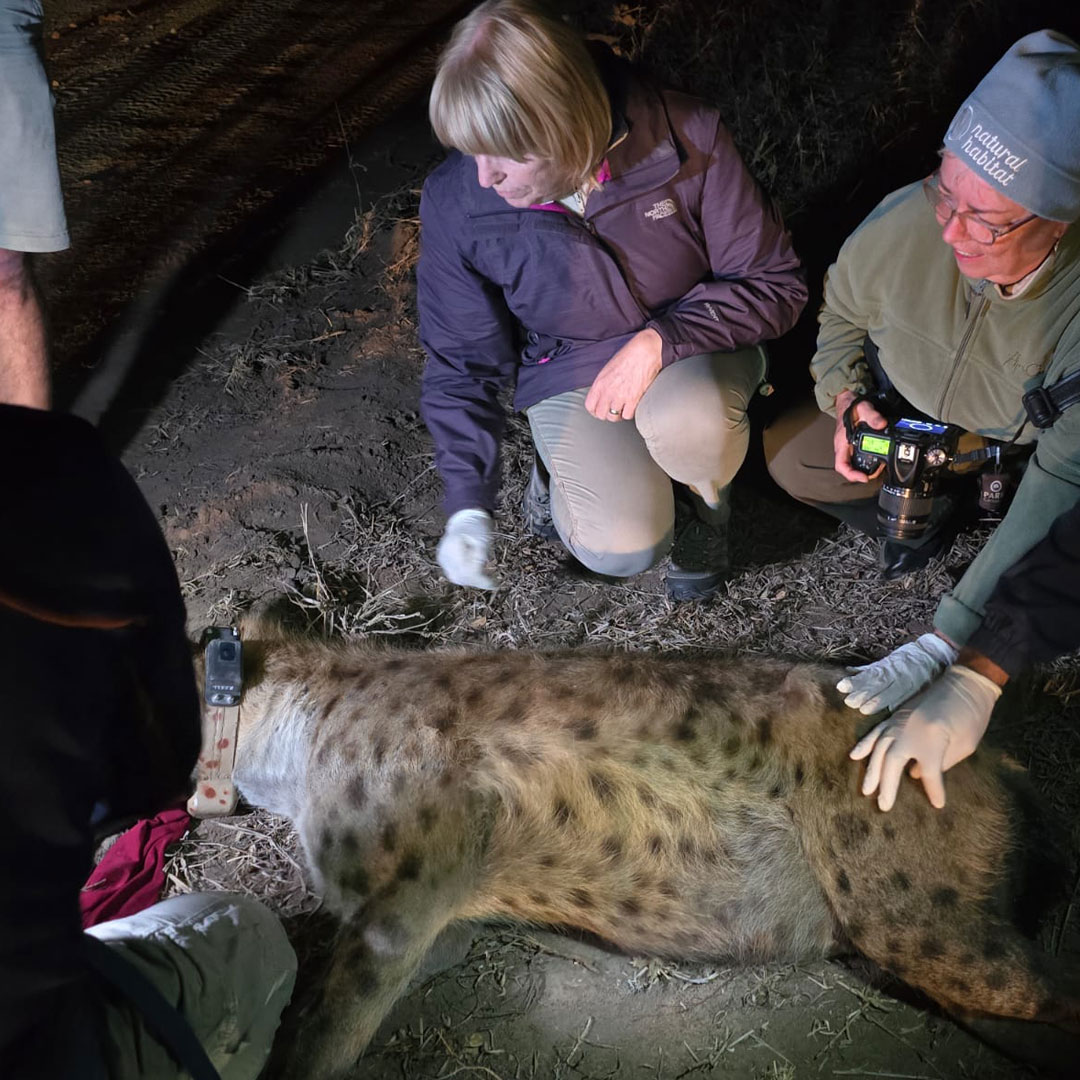
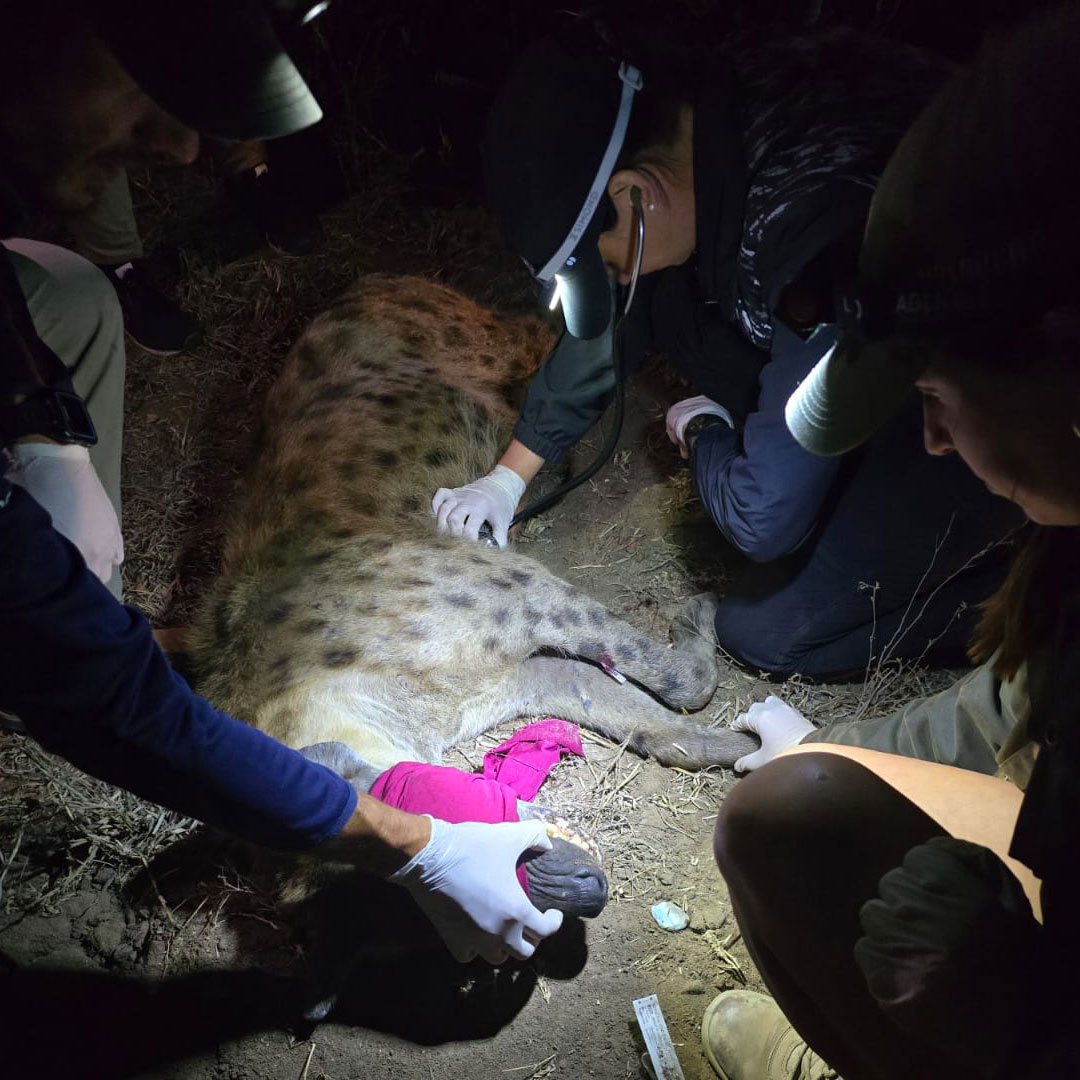
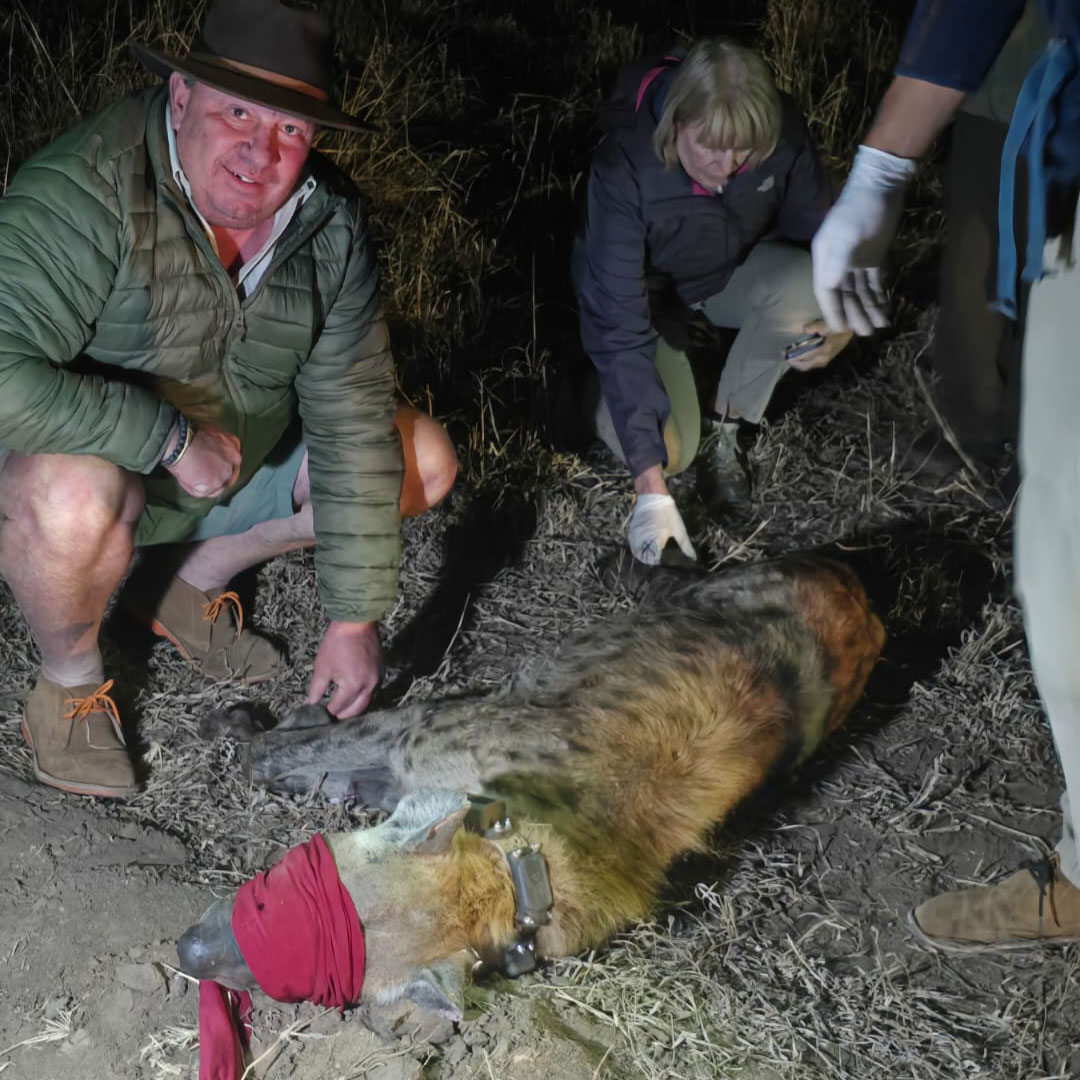
Two Very Different Predators
Leopards are solitary, opportunistic ambush hunters. They rely on stealth, proximity and explosive speed over short distances. They are adapted to woodland, riverine thickets, and rocky terrain — landscapes where cover allows close approach. A single leopard can survive and thrive in a landscape where hyena clans range widely.
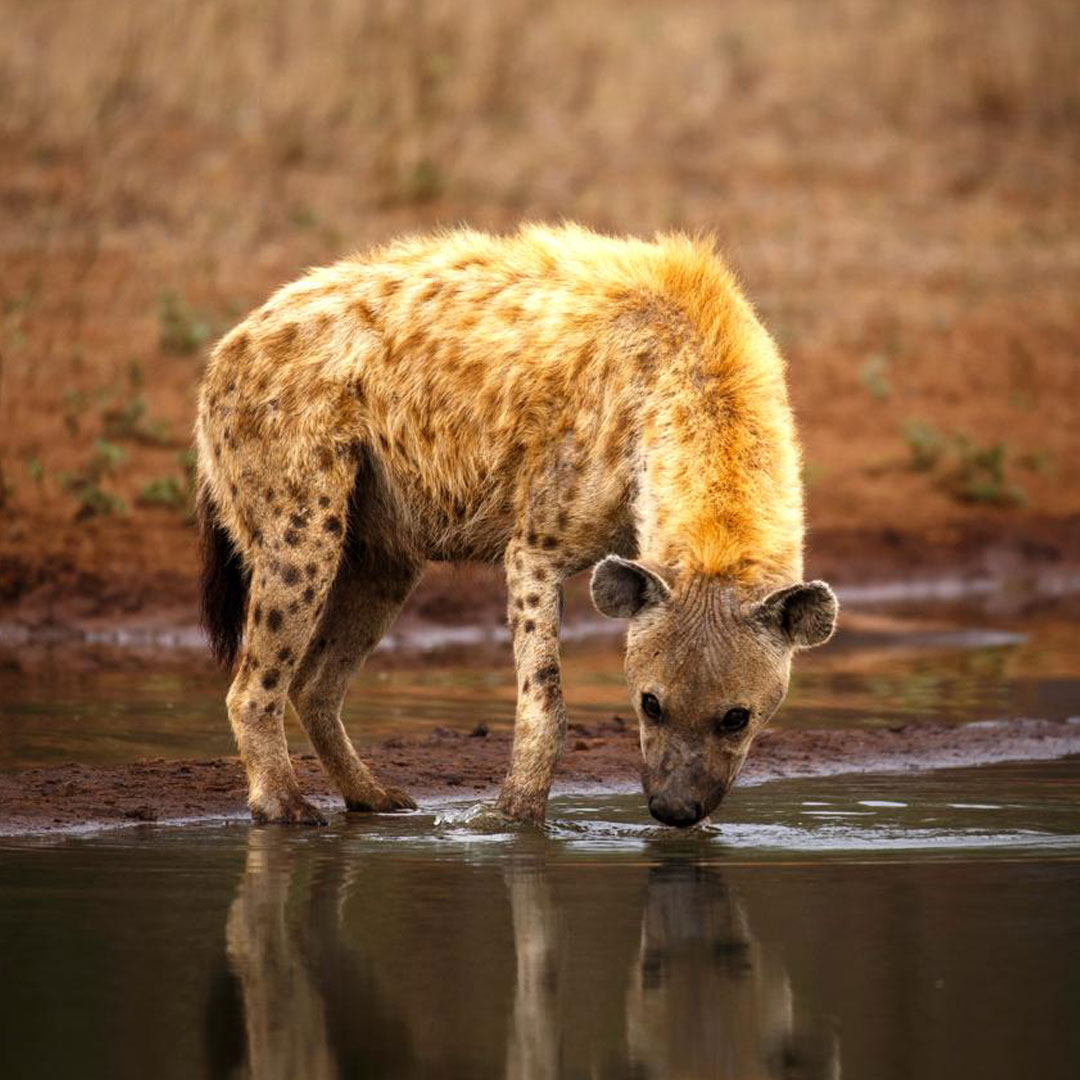
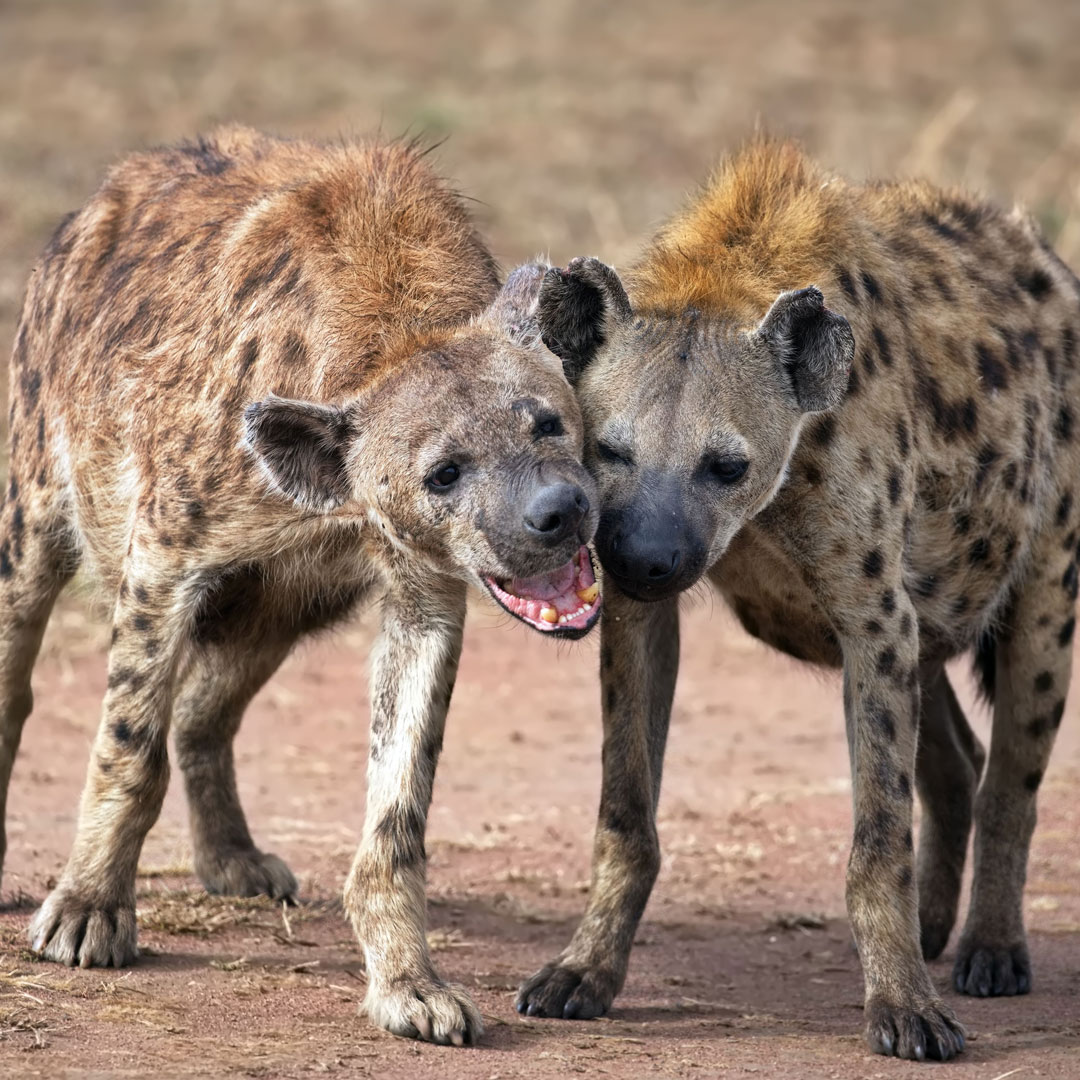
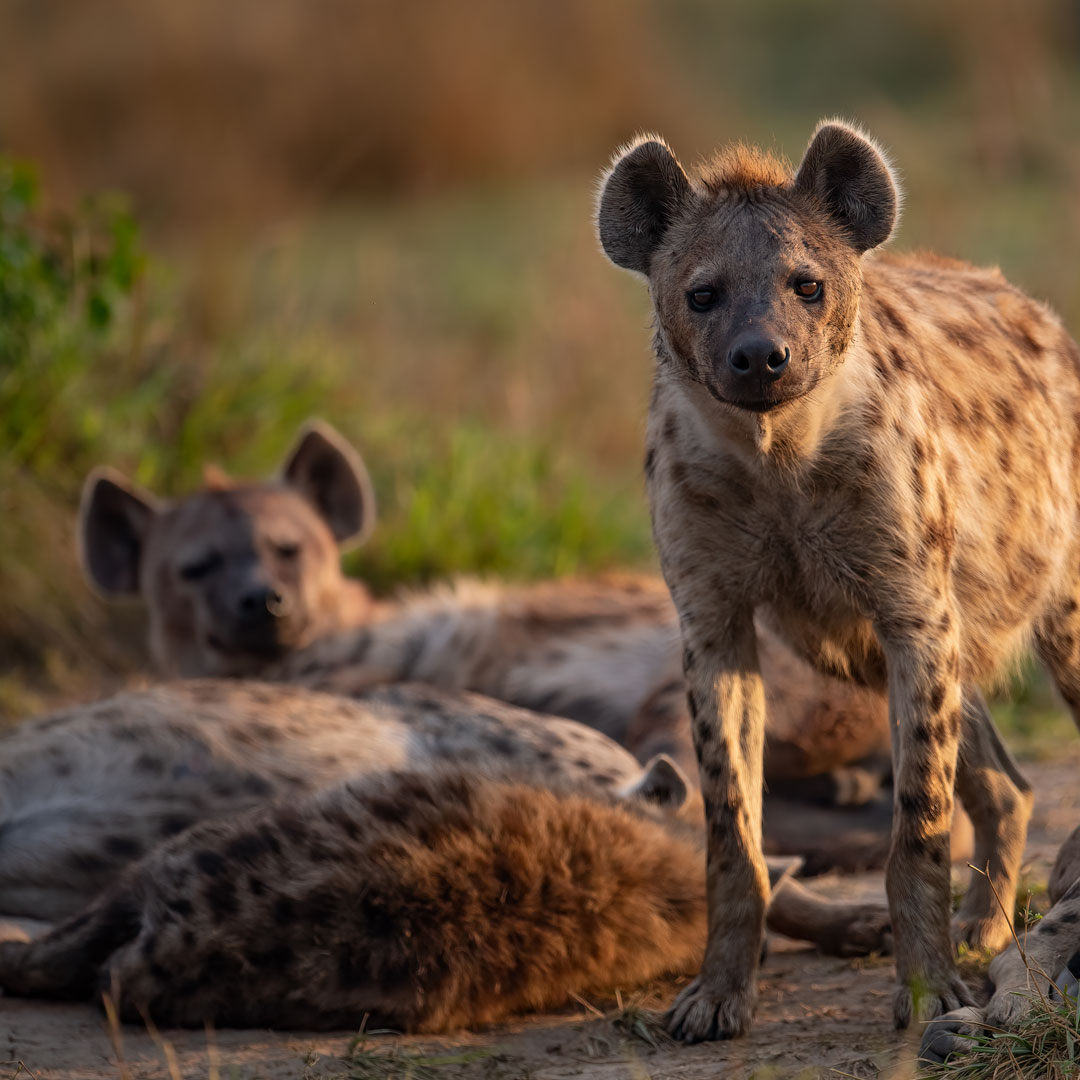
Spotted hyenas are cooperative coursers. They use stamina, clan coordination and vocal communication to pursue prey over distance, wear it down, and overwhelm it through numbers. These are fundamentally different ecological strategies that rarely compete for the same hunting opportunity at the same time — but they share landscapes, and that creates inevitable friction.
Competition for Kills
The most visible point of conflict is the carcass. Hyenas can detect a kill from kilometres away. A leopard that has made a ground-level kill and cannot move it to safety will lose it to a hyena clan almost without exception. The clan arrives, the leopard retreats.
This is almost certainly why leopards developed the habit of hoisting kills into trees. A carcass wedged in the fork of a marula or sycamore fig is effectively beyond hyena reach. In areas with high hyena density, leopards hoist kills more frequently. In areas where hyenas are absent or rare, leopards sometimes cache kills on the ground.
Who Wins in a Direct Confrontation?
A single leopard against a single hyena is a contest the leopard can manage. Leopards are pound-for-pound among the strongest felids and can hold their own against an individual hyena. A clan of hyenas against a single leopard is no contest at all. The leopard relies on speed and agility to escape, often into a tree. Leopards are excellent climbers; hyenas are not. The tree is the leopard’s sanctuary.
Shared Threats
Despite their rivalry, hyenas and leopards face almost identical conservation threats: habitat loss and fragmentation, human–wildlife conflict leading to retaliatory killing, indiscriminate snaring set for bushmeat, poisoning campaigns aimed at problem animals, and prey base depletion. An anti-snaring programme in Limpopo protects both. A community conflict mitigation programme that reduces farmer retaliatory killing benefits both. They are ecological rivals but conservation allies.
Why Comparing Them Matters
The leopard tells a story about solitary adaptation — how one animal can thrive by mastering stealth, strength and self-reliance in a landscape full of larger, more social competitors. The hyena tells a story about cooperative evolution — how social intelligence, communication and clan structure can produce an animal capable of dominating landscapes despite physical disadvantages against individual larger predators.
Both stories are worth understanding. Both species are worth protecting.
See Both on a Ranger Buck Safari
Sabi Sands and Timbavati are two of Africa’s best destinations for both leopard and hyena sightings. Open-vehicle game drives at night — with experienced guides who understand predator ecology — regularly produce encounters with both species, sometimes in direct interaction. Ranger Buck builds itineraries around exactly this kind of depth. Contact us to plan yours.
Hyena Conservation Library
Everything you need to understand hyenas — their biology, behaviour, threats, and the work being done to protect them.
- Hyena conservation efforts explained →
- How many hyenas are left in Africa? →
- Are hyenas endangered? →
- Why are hyenas important to the ecosystem? →
- Human–hyena conflict explained →
- Human–hyena conflict solutions →
- Spotted, striped and brown hyenas →
- Where to see hyenas in Africa →
- Is a hyena conservation experience ethical? →
- What do hyenas eat? →
- Why do hyenas laugh? →
- Are hyenas scavengers or hunters? →
- How strong is a hyena’s bite? →
- Hyena intelligence & behaviour →
- Hyena myths vs facts →
- Hyena social structure & clans →
- Are hyenas dangerous? →
- How hyenas are monitored →
- Hyena threats: poisoning & snaring →
- Hyenas vs lions →
- Hyena vs leopard →
- Hyena vs wild dog →
- Hyena reproduction & cubs →
- Hyena habitat & range →
- Hyenas in African culture & folklore →
- Hyena conservation organisations →
- Hyena Conservation South Africa →
- Hyena Conservation Botswana →
- Hyena Conservation Zambia →
- Hyena Conservation Experience →
get in touch with us
+27 83 653 5776
+27 83 653 5776 (WhatsApp)
info@rangerbucksafaris.com
16 Lourie Close, Meyersdal Eco Estate,
Alberton, Gauteng
16 Lourie Close, Meyersdal Eco Estate, Alberton, Gauteng

Website by Keeden Marketing | 2024
