
Plan a trip
Is a Hyena Conservation Experience Ethical?
Last updated: April 2026
Conservation tourism has grown fast. It is now a significant industry in Africa, and like any fast-growing industry, quality varies enormously.
Some operations are genuinely contributing to field conservation, funding research, and changing outcomes for wildlife. Others are using conservation language to sell experiences that have no real conservation content. If you are considering a hyena conservation experience, you deserve a clear picture of what the real thing looks like — and what the red flags are.
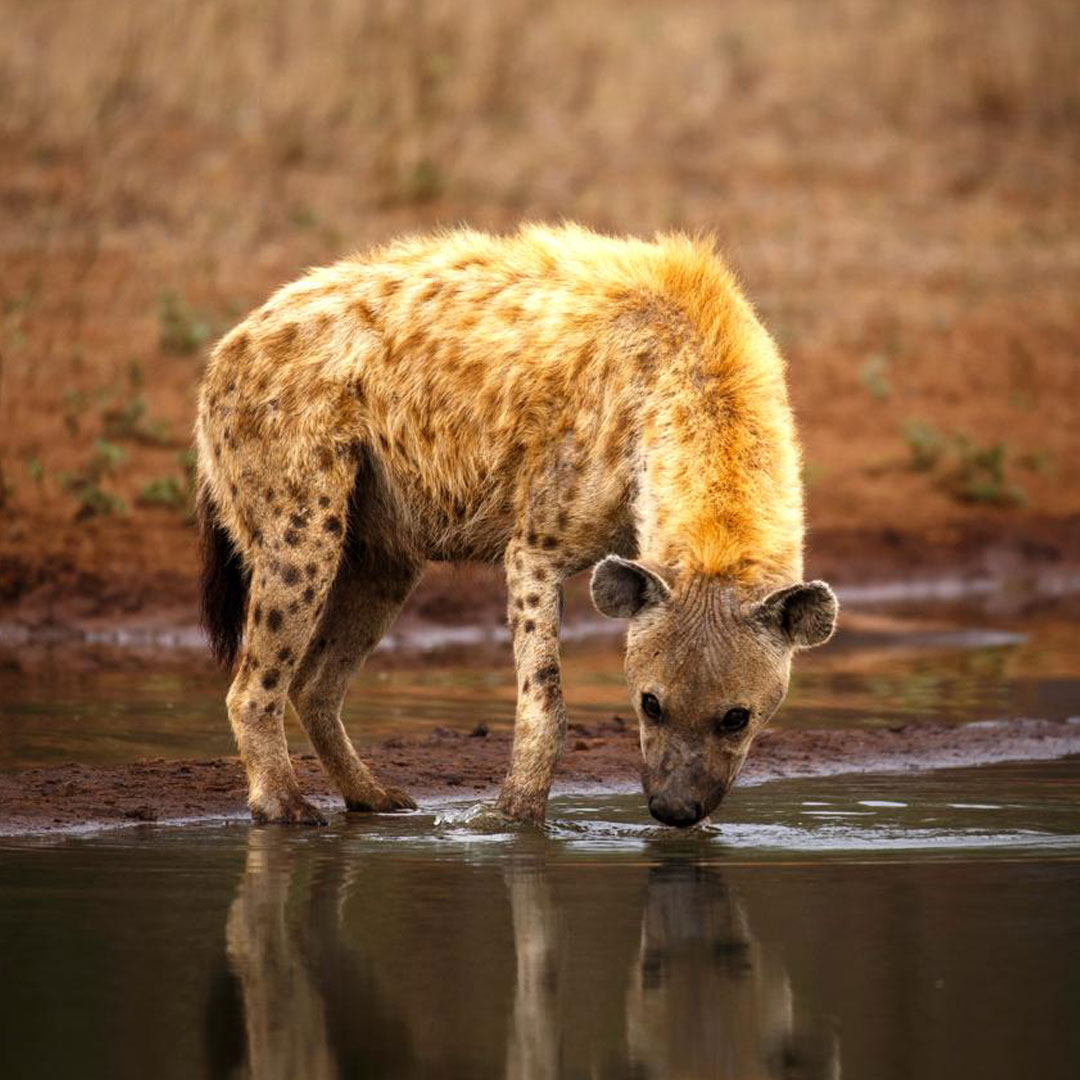
What Genuine Hyena Conservation Work Looks Like
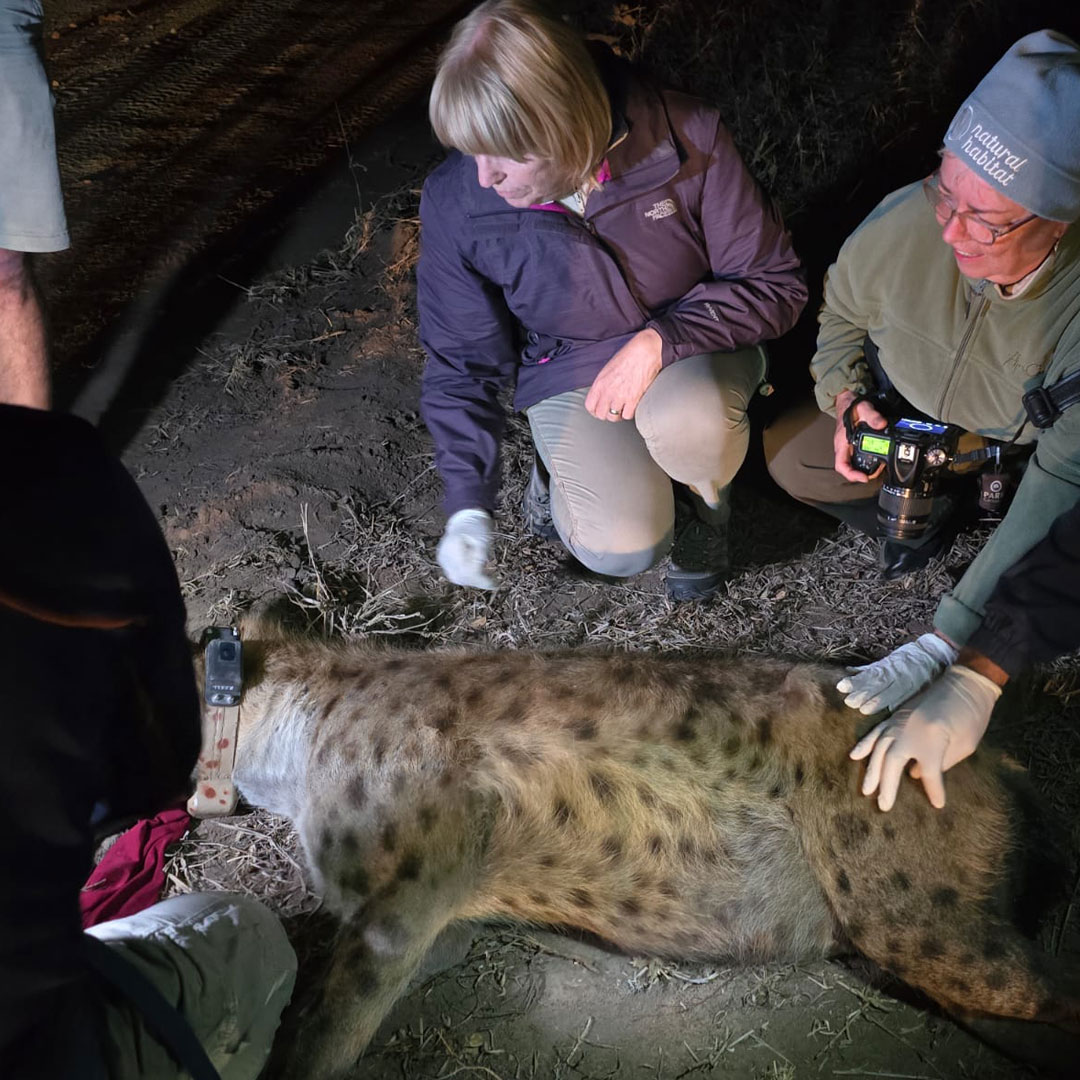
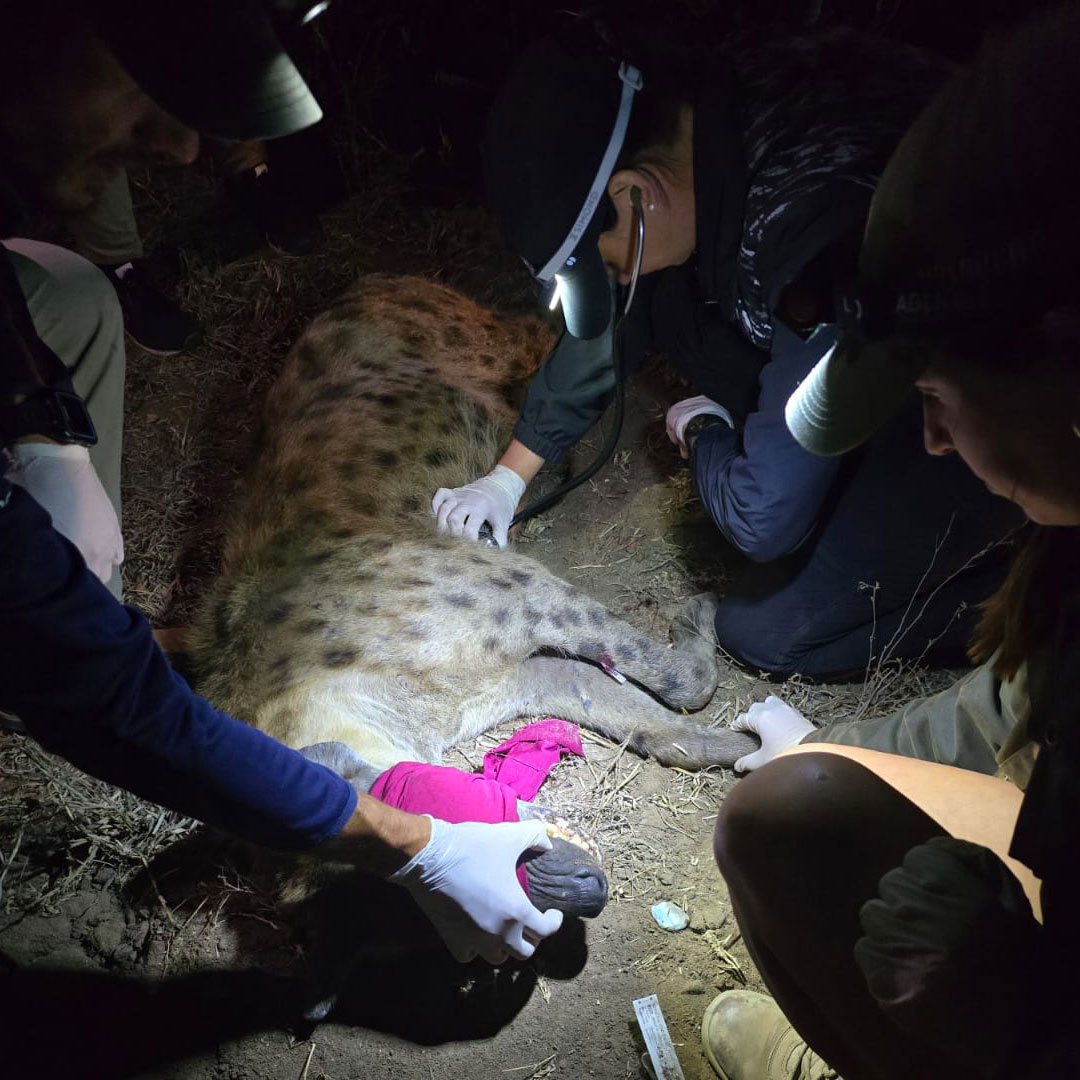
Real field conservation is unglamorous, methodical, and driven by data. The kind of work that actually moves the needle on hyena populations includes:
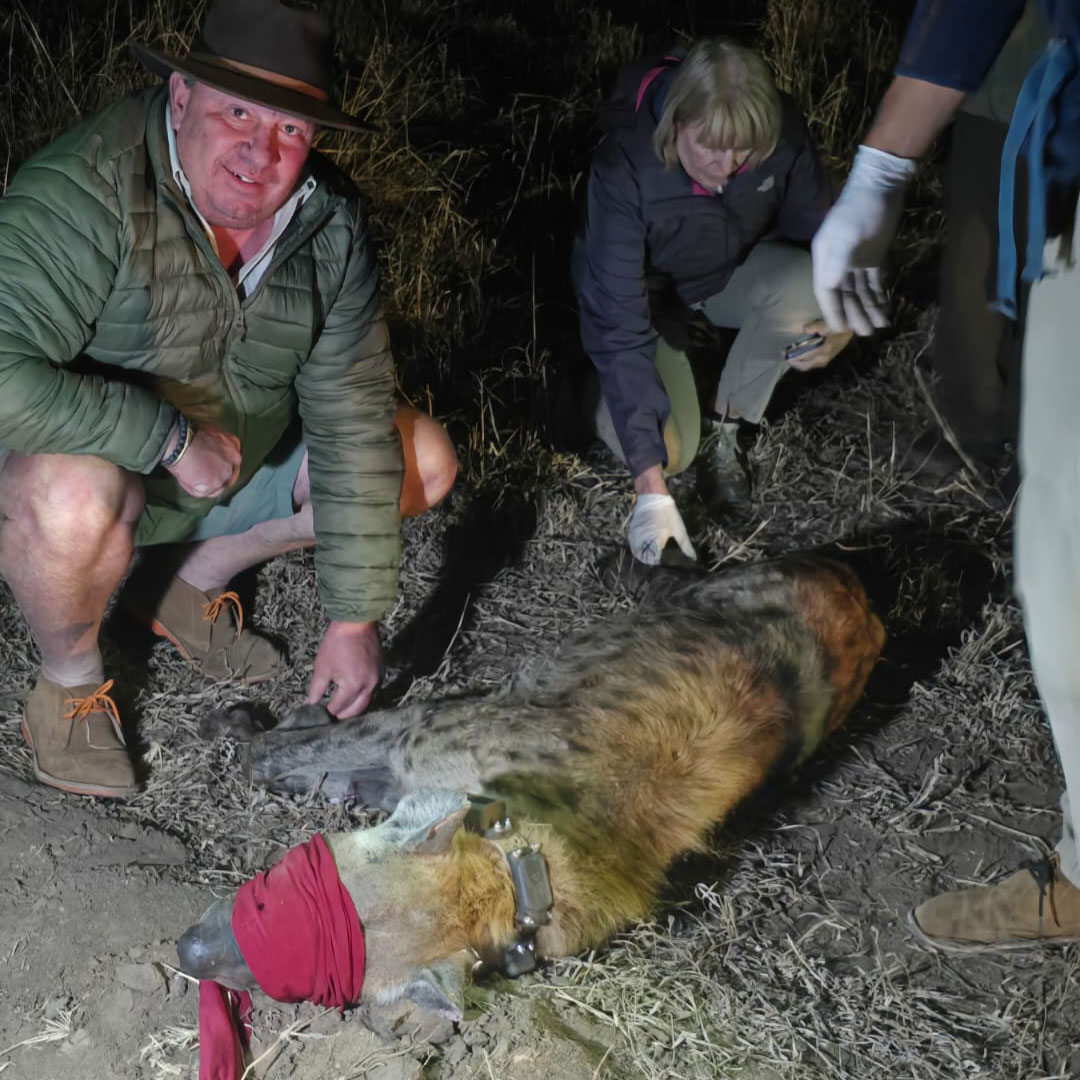
- GPS collaring and telemetry monitoring — fitting individual hyenas with GPS collars to track territory size, movement patterns, and den site use over time
- Camera trap surveys — systematic deployment and retrieval of camera traps to estimate population density and monitor individual animals
- Population monitoring — regular transect counts, spoor surveys, and den site checks feeding into long-term databases
- Human–wildlife conflict mitigation — working directly with farming communities to reduce retaliatory killings
- Behavioural research — observation-based data collection on clan structure, breeding, and inter-species interactions
Genuine operations are run by, or in formal partnership with, accredited conservation bodies. The data collected is used for actual research. Guests assist the field team — they do not perform for cameras. The schedule is set by the science, not the itinerary.
Red Flags to Avoid
Not everything marketed as a conservation experience deserves the name. Watch for these warning signs:
- Handling hyenas for photos with no research justification — there is no routine field procedure that requires a member of the public to handle a wild hyena.
- No clear conservation partner or NGO affiliation — vague references to ‘supporting conservation’ without a named partner organisation are a red flag. Ask who the research partner is and look them up.
- Guaranteed sightings or guaranteed fieldwork activities — real conservation fieldwork depends on what is scheduled and what conditions allow. Operators who promise specific activities regardless of circumstances are not running real operations.
- Animals that appear visibly stressed or are kept in enclosures — wild carnivores habituated to close human contact for tourist purposes are not living natural lives.
- No transparency about where money goes — legitimate operations can tell you specifically what percentage of fees goes to conservation programmes.
Questions to Ask Before You Book
Before committing to any hyena conservation experience, ask these questions directly:
- Who is the research or conservation partner, and are they accredited?
- Where does my money go? What percentage is directed to conservation work, and what does it fund specifically?
- What will I actually do during the fieldwork component?
- What happens if no fieldwork is scheduled during my visit?
- Are the animals wild? Have any been habituated, and if so, why and by whom?
A credible operator will answer all of these without hesitation. Vague or defensive responses are informative in themselves.
How Ranger Buck Safaris Approaches This
Our itineraries are built around real fieldwork schedules maintained by our conservation partners in Southern Africa. We do not build the fieldwork around the itinerary — it is the other way around.
That means some guests spend three days in the field and some spend one. What we can promise is that when fieldwork is on the schedule, it is the real thing. Guests who join us assist the field team in ways that are genuinely useful: helping with equipment, recording data, maintaining observation positions during monitoring sessions. It is not performative. It is real work.
Our conservation partnerships are named, verifiable, and long-standing. Revenue from our experiences flows back into the field programmes that make the work possible. The luxury component — the accommodation, the food, the guiding — is built around the fieldwork, not instead of it.
Frequently Asked Questions
Is hyena conservation tourism worth it?
When it is genuine, yes — demonstrably. Conservation tourism that funds real field operations directly supplements research and conflict mitigation work that would otherwise be underfunded. It also creates economic incentives for communities to tolerate predators rather than persecute them.
Can I touch or interact with hyenas?
No — not with us. There is no legitimate conservation or research reason for guests to physically handle wild hyenas. The only time hyenas are handled in real field operations is during collaring or veterinary procedures, which require professional wildlife vets.
How do I know a safari is ethical?
Ask the questions above and pay attention to how the operator responds. Ethical operators are transparent about partners, financials, and what the experience actually involves. They are also honest when conditions make certain activities impossible.
Hyena Conservation Library
If you’re exploring hyena conservation, these guides will help you understand the challenges facing Africa’s most misunderstood predators — and what a real hands-on conservation experience involves.
- Hyena conservation efforts explained →
- How many hyenas are left in Africa? →
- Are hyenas endangered? →
- Why are hyenas important to the ecosystem? →
- Human–hyena conflict explained →
- Human–hyena conflict solutions →
- Spotted, striped and brown hyenas: what’s the difference? →
- Where to see hyenas in Africa →
- Is a hyena conservation experience ethical? →
- Hyena Conservation Experience →
get in touch with us
+27 83 653 5776
+27 83 653 5776 (WhatsApp)
info@rangerbucksafaris.com
16 Lourie Close, Meyersdal Eco Estate,
Alberton, Gauteng
16 Lourie Close, Meyersdal Eco Estate, Alberton, Gauteng

Website by Keeden Marketing | 2024
