
Plan a trip
Human–Hyena Conflict Explained
Last updated: April 2026
Hyenas and people have lived side by side for thousands of years. In many parts of Africa, that coexistence has broken down.
Understanding why conflict happens — and where it is worst — is the first step toward solving it. The picture is more complex than a predator stealing livestock.
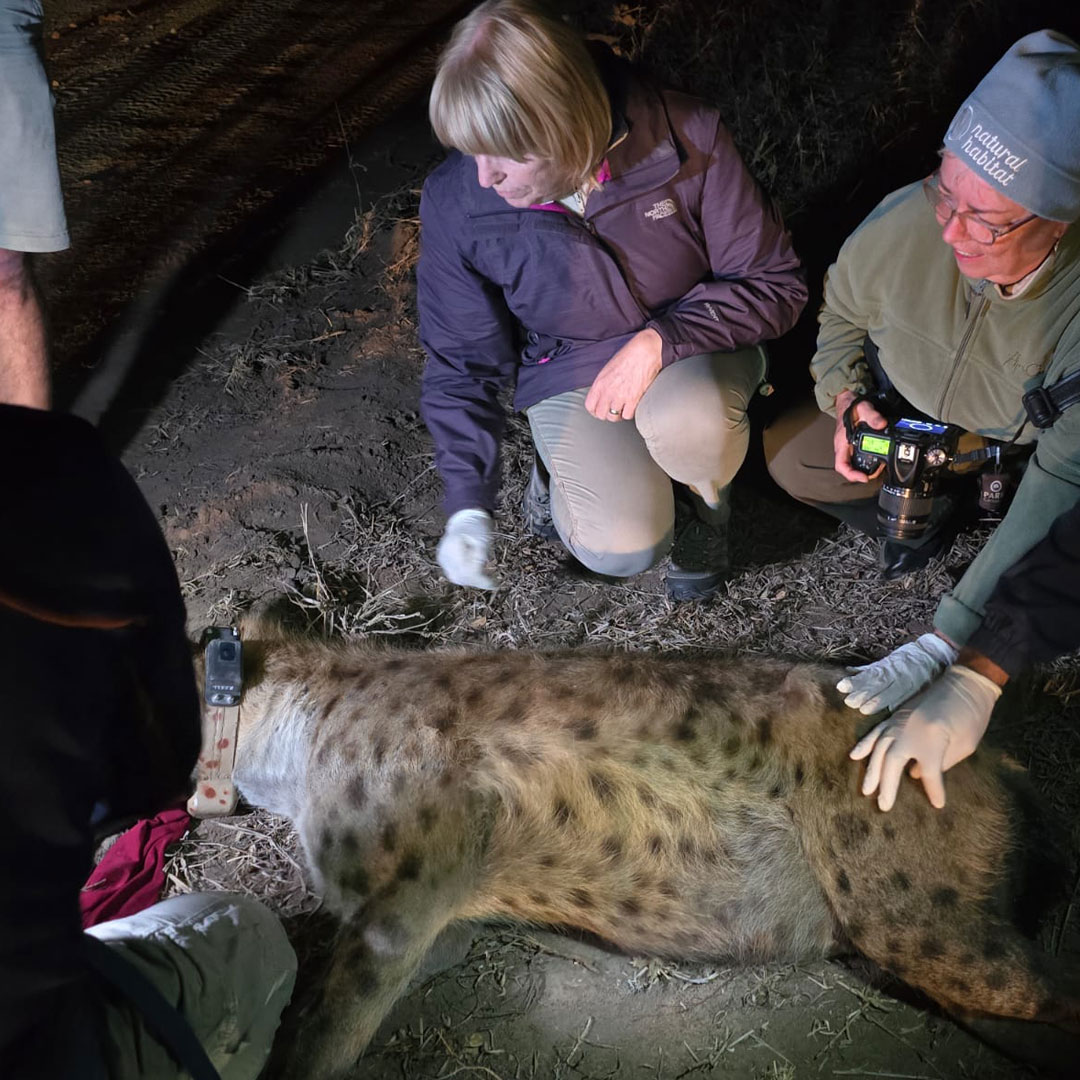
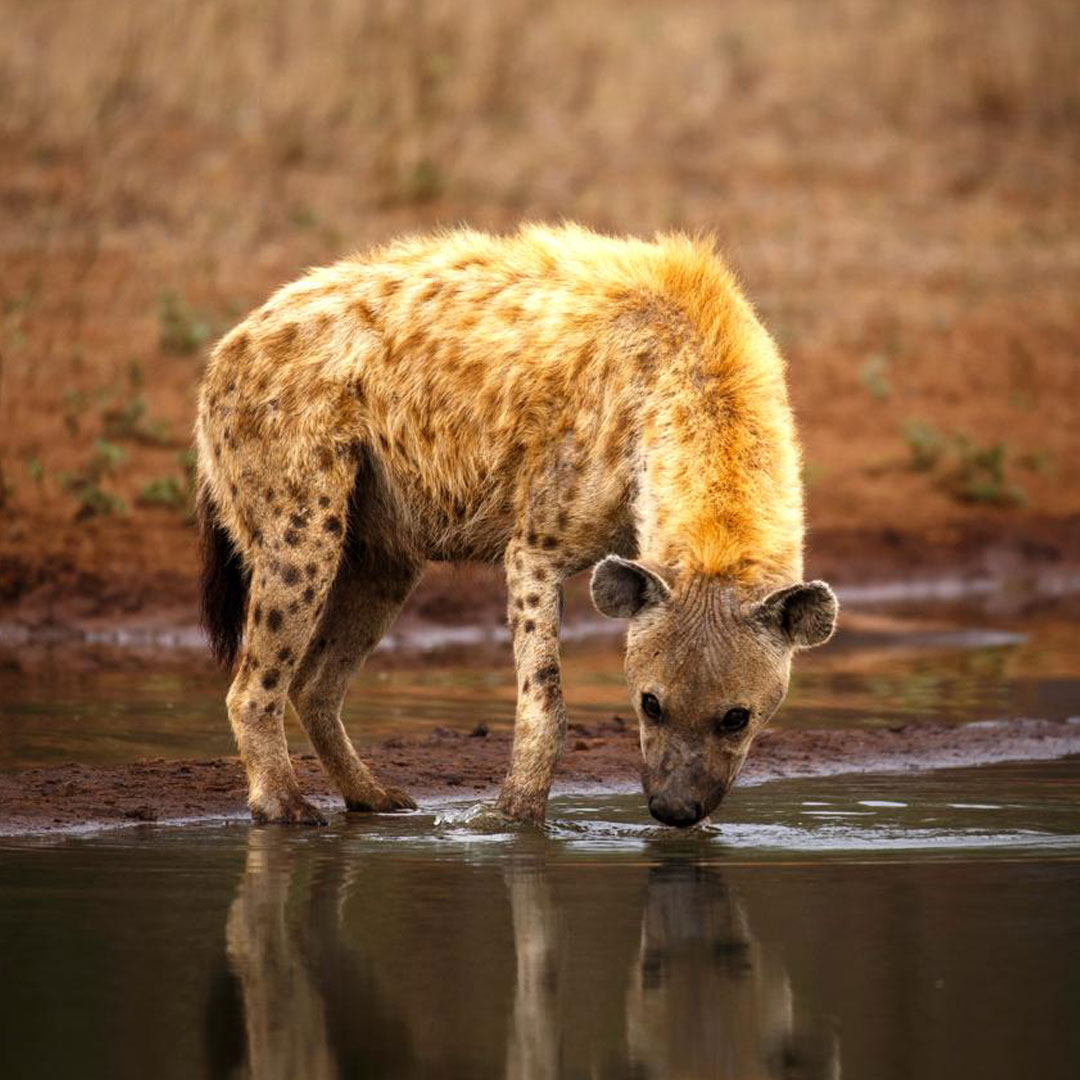
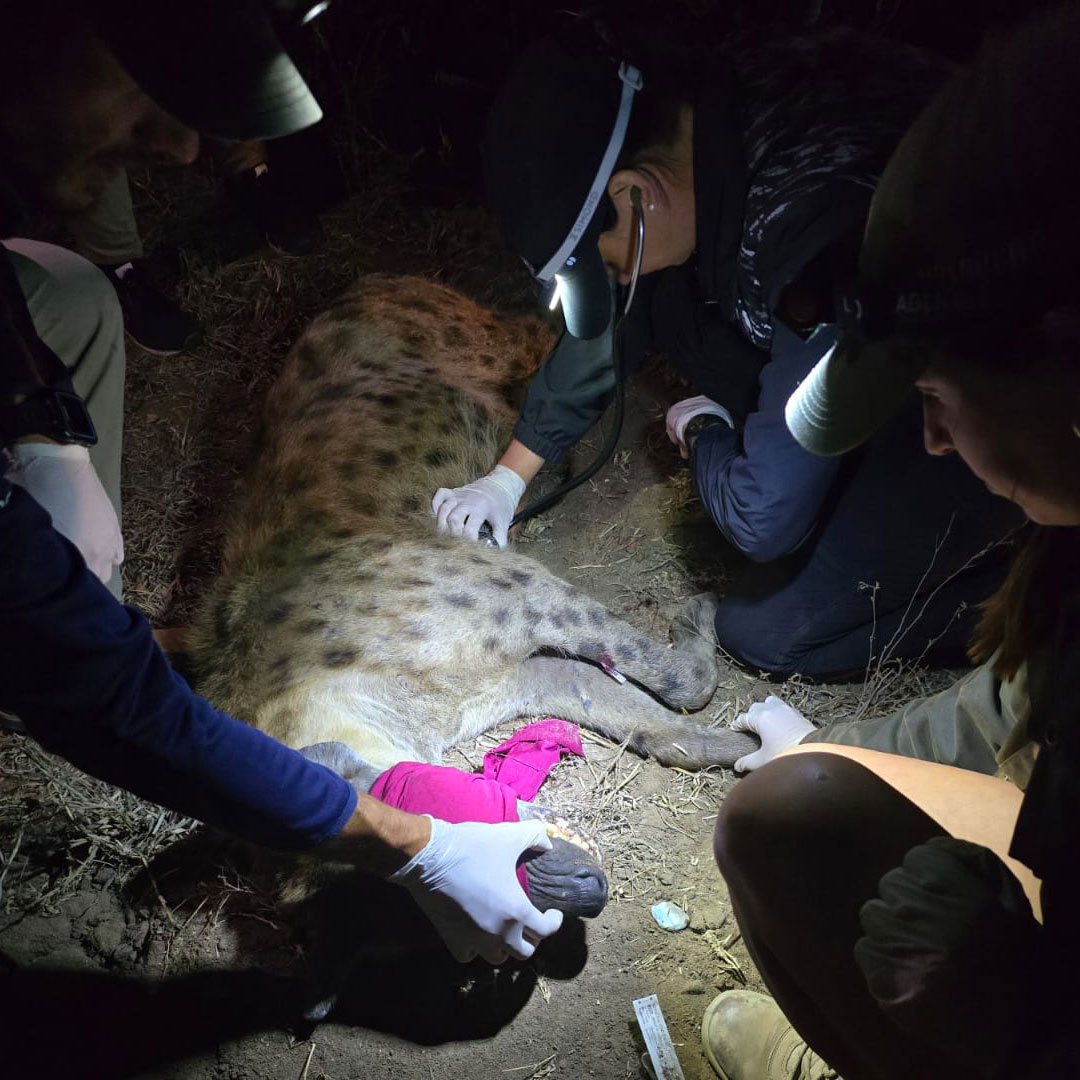
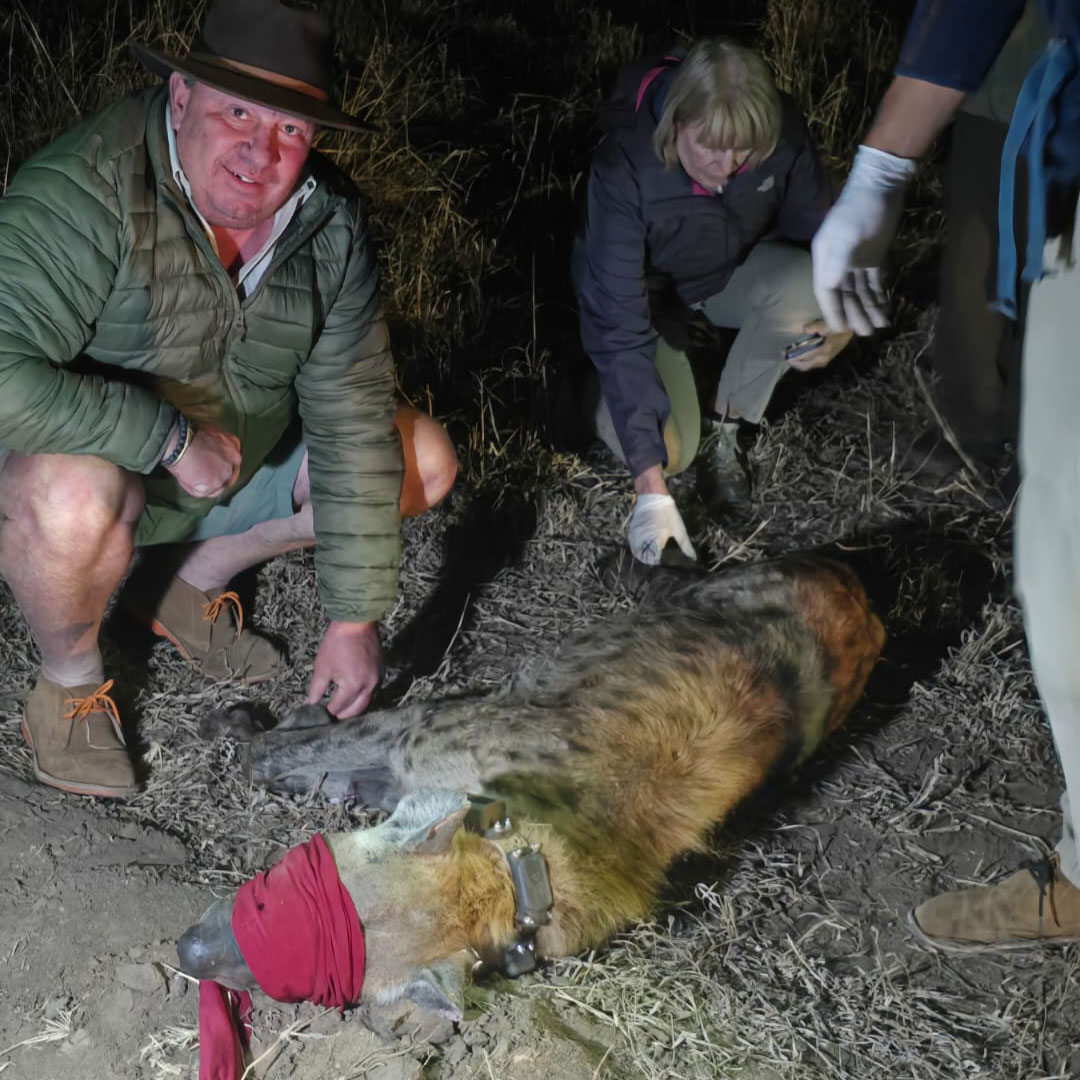

Why Conflict Happens
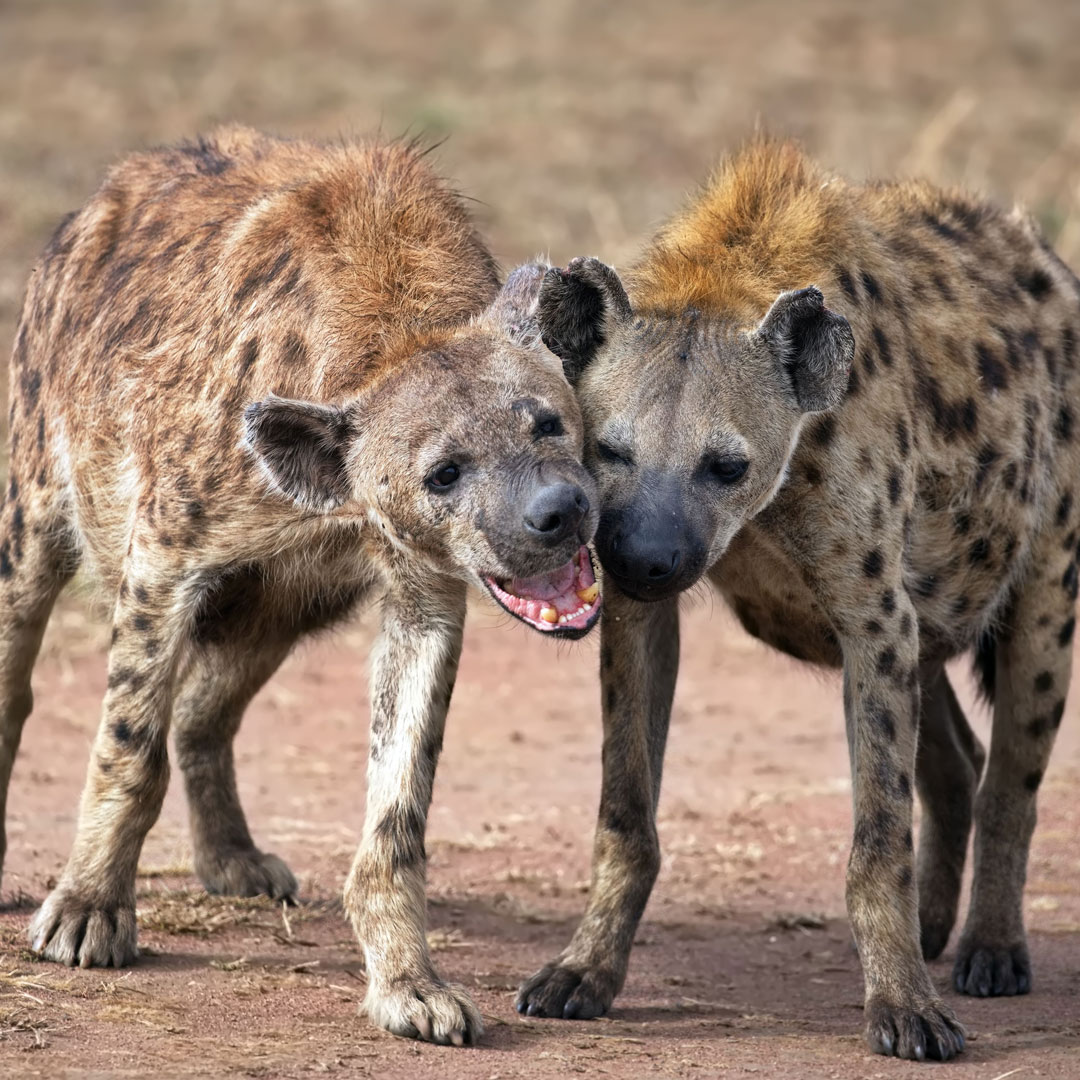
The primary driver of human–hyena conflict is livestock predation. Spotted hyenas and, in drier areas, striped hyenas, take sheep, goats, cattle calves, and donkeys — particularly when natural prey is scarce or when livestock are kept in inadequately protected enclosures overnight.
Communities that depend on livestock for income and food security experience these losses as serious economic harm. When a family loses several goats in a single night, the immediate response is rarely to consider the ecological role of the predator responsible.
There is a second dimension that is less discussed in conservation literature but critically important on the ground: in parts of East Africa and the Horn of Africa, hyenas have historically scavenged near human settlements — entering villages, taking refuse, occasionally taking infants or the elderly who are unprotected at night. These incidents, though rare, create deep-seated fear and justify extreme responses.
Where Conflict Is Most Severe
Conflict is concentrated at reserve boundary zones — the edges where formally protected land meets communal farmland. This is where predators range out at night, where livestock are most exposed, and where conservation budgets rarely reach.
- Kruger National Park boundaries in Limpopo and Mpumalanga, particularly on the western edge bordering communal land
- Kgalagadi Transfrontier Park margins, where livestock herding communities in both South Africa and Botswana operate close to the park fence
- Hwange National Park margins in Zimbabwe, where chronic drought conditions push wildlife further into communal areas in dry years
- The greater Masai Mara ecosystem in Kenya and Tanzania, where Maasai pastoralists have historically had complex relationships with large carnivores, including hyenas
- The Horn of Africa — Ethiopia, Somalia, Djibouti — where striped hyenas are widespread outside protected areas and face intense persecution from communities with limited tolerance and no formal conflict-reduction support
How Communities Respond
Retaliatory killing is the most common response to livestock loss. In practice, this often means poisoning — and poison baits set for a problem hyena kill indiscriminately. Carcasses laced with agricultural chemicals kill not only the intended target but any scavenger or predator that feeds on it — vultures, jackals, leopards, and other hyenas.
Snaring is widespread in buffer zones around many reserves. Snares set for bushmeat species catch hyenas regularly, often causing prolonged deaths or leaving animals with severe injuries that compromise their ability to hunt or reproduce.
Trapping and shooting are used where communities have more direct means — typically closer to formal reserves where rangers are present and can be pressured to act on livestock complaints.
The Persecution Cycle
One of the most insidious dynamics in hyena conservation is what happens when boundary populations decline.
As hyenas outside reserves are persecuted, the animals that survive increasingly concentrate inside protected areas. This makes hyenas more visible to tourists and reserve staff — creating the impression that populations are stable or recovering. Meanwhile, the animals living and ranging outside reserve boundaries — exactly the individuals most exposed to human pressure — are being lost.
This creates a dangerous gap in conservation attention. Reserve managers see stable or increasing numbers. Scientists monitoring reserve populations may not flag a problem. Meanwhile, the boundary population — the genetic bridge between reserves, the animals doing the most difficult ecological work in human-dominated landscapes — is quietly disappearing.
Conservation planning that focuses only on protected areas misses this entirely. Effective hyena conservation requires monitoring and intervention outside reserve boundaries — exactly where Ranger Buck Safaris supports field operations.
Why This Matters for the Species as a Whole
Spotted hyenas are currently listed as Least Concern on the IUCN Red List, which can give a misleading impression of safety. That classification reflects total population estimates, not the health of boundary populations. A species can be Least Concern globally while losing the genetic connectivity and spatial range that long-term survival requires.
Striped hyenas are Near Threatened and declining. Brown hyenas, restricted to Southern Africa, face similar boundary pressures. For all three species, the conflict zone is where the most critical conservation work is needed — and where it is most underfunded.
If persecution outside protected areas continues at its current rate, the result will not be visible in total population numbers for some time — but the genetic isolation, the loss of range, and the gradual shrinkage of viable habitat will be very difficult to reverse.
Hyena Conservation Library
If you’re exploring hyena conservation, these guides will help you understand the challenges facing Africa’s most misunderstood predators — and what a real hands-on conservation experience involves.
- Hyena conservation efforts explained (how protection works, what conservation teams actually do) →
- How many hyenas are left in Africa? (population context + why numbers vary by species) →
- Are hyenas endangered? (conservation status explained + what the IUCN listing means) →
- Why are hyenas important to the ecosystem? (the ecological role no other species can fully replace) →
- Human–hyena conflict explained (why it happens + where it is most severe) →
- Human–hyena conflict solutions (what actually works in the field) →
- Spotted, striped and brown hyenas: what’s the difference? (three species, different threats) →
- Where to see hyenas in Africa (best regions + responsible viewing tips) →
- Is a hyena conservation experience ethical? (what ethical looks like + red flags) →
- Hyena Conservation Experience (plan a tailored itinerary) →
get in touch with us
+27 83 653 5776
+27 83 653 5776 (WhatsApp)
info@rangerbucksafaris.com
16 Lourie Close, Meyersdal Eco Estate,
Alberton, Gauteng
16 Lourie Close, Meyersdal Eco Estate, Alberton, Gauteng

Website by Keeden Marketing | 2024
