
Plan a trip
Hyena Reproduction & Cubs
Last updated: April 2026
Hyenas are among the most biologically unusual mammals on earth. Nowhere is this clearer than in how they reproduce.
From birth anatomy to cub development, spotted hyena reproduction challenges almost every assumption people bring to large African carnivores. Understanding it matters for conservation — a slow reproductive rate means population recovery is slow, and losing adult breeding females can set a clan back by years.
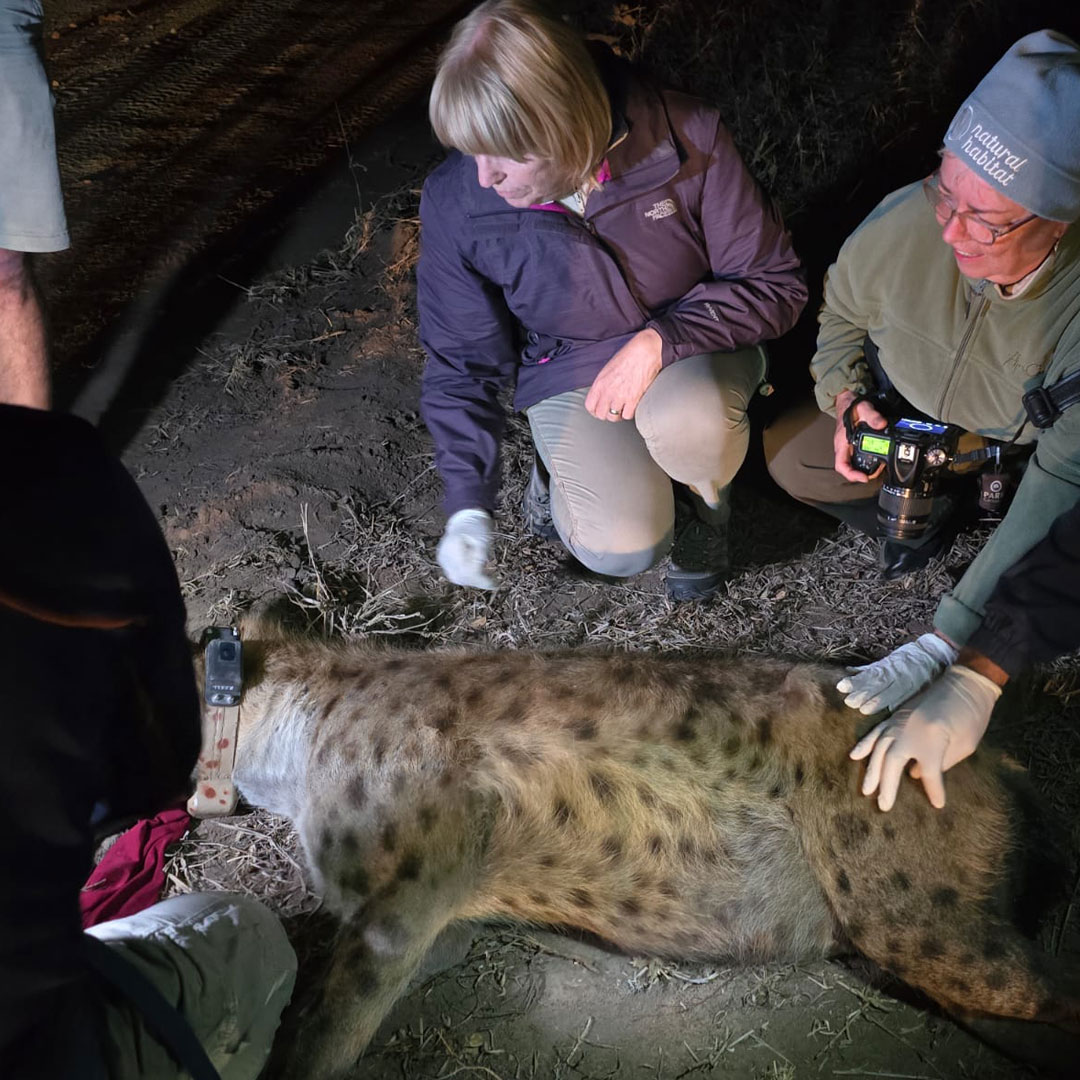
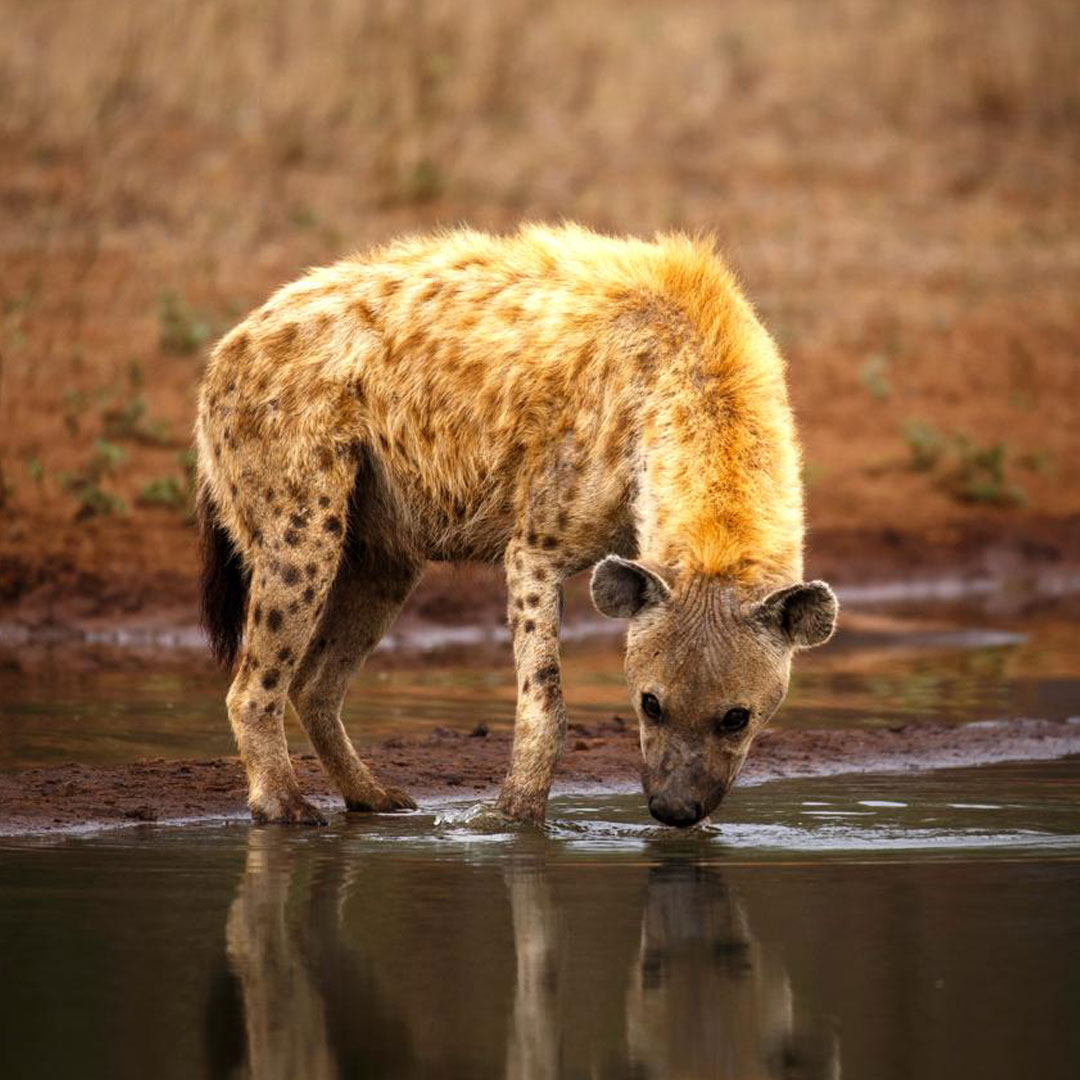
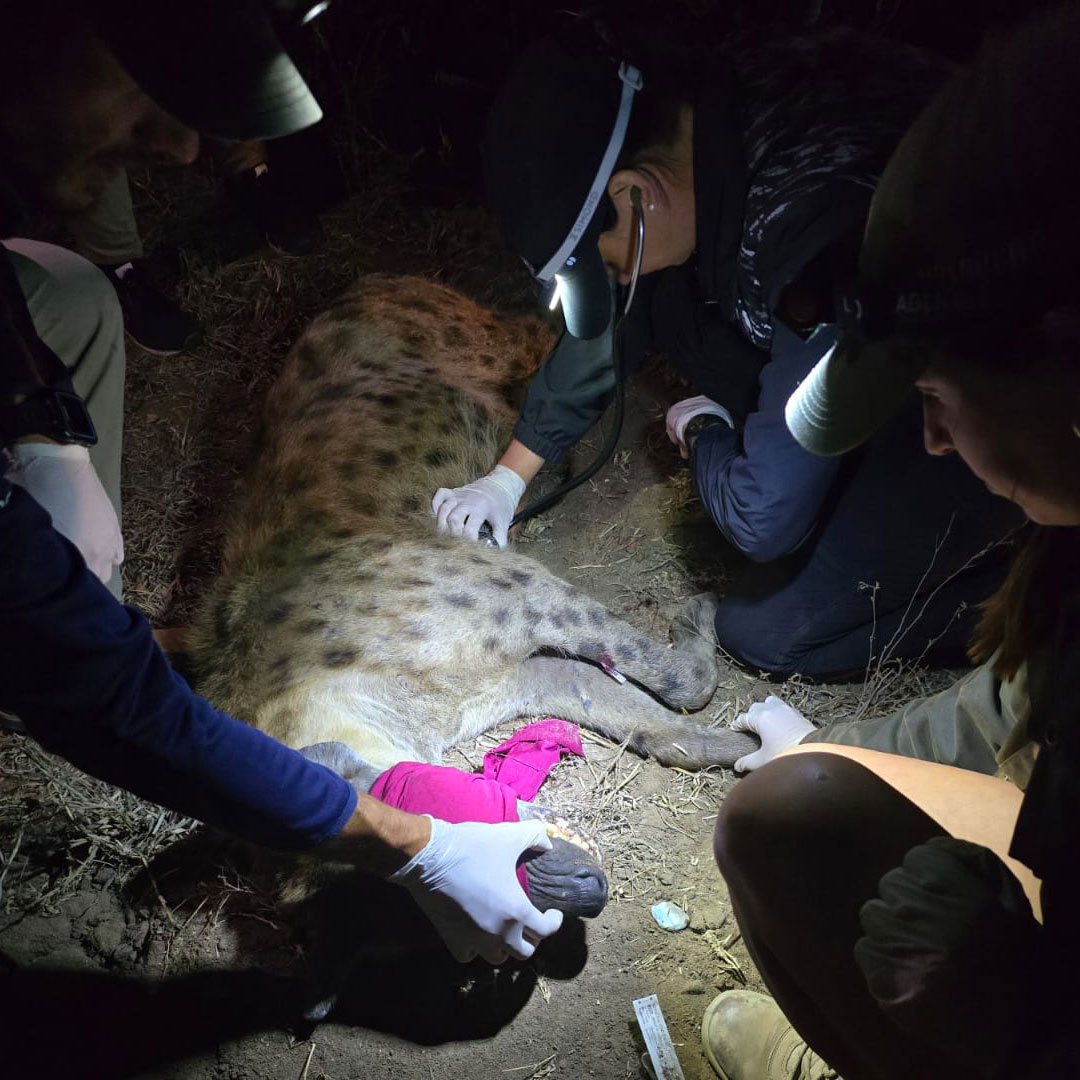
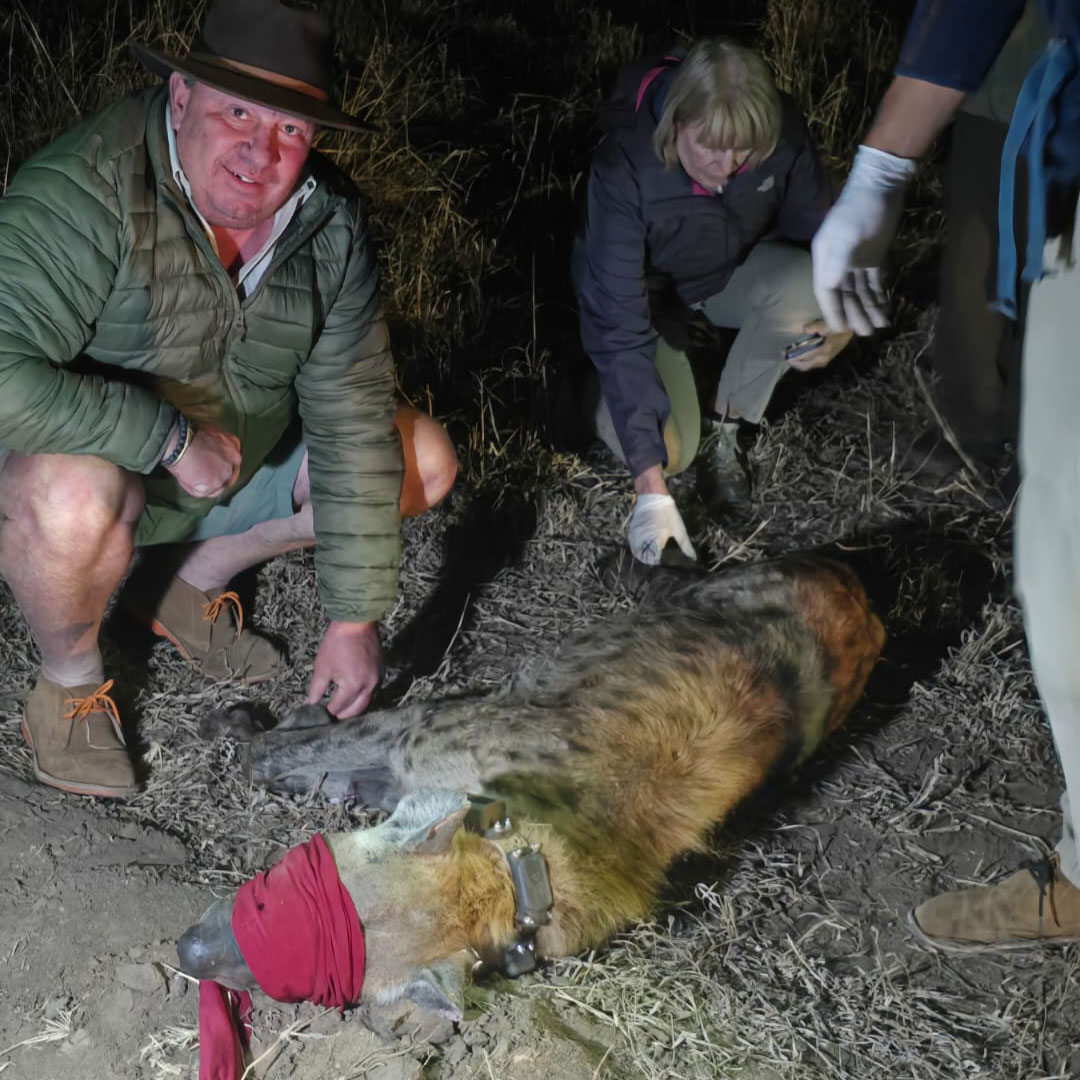
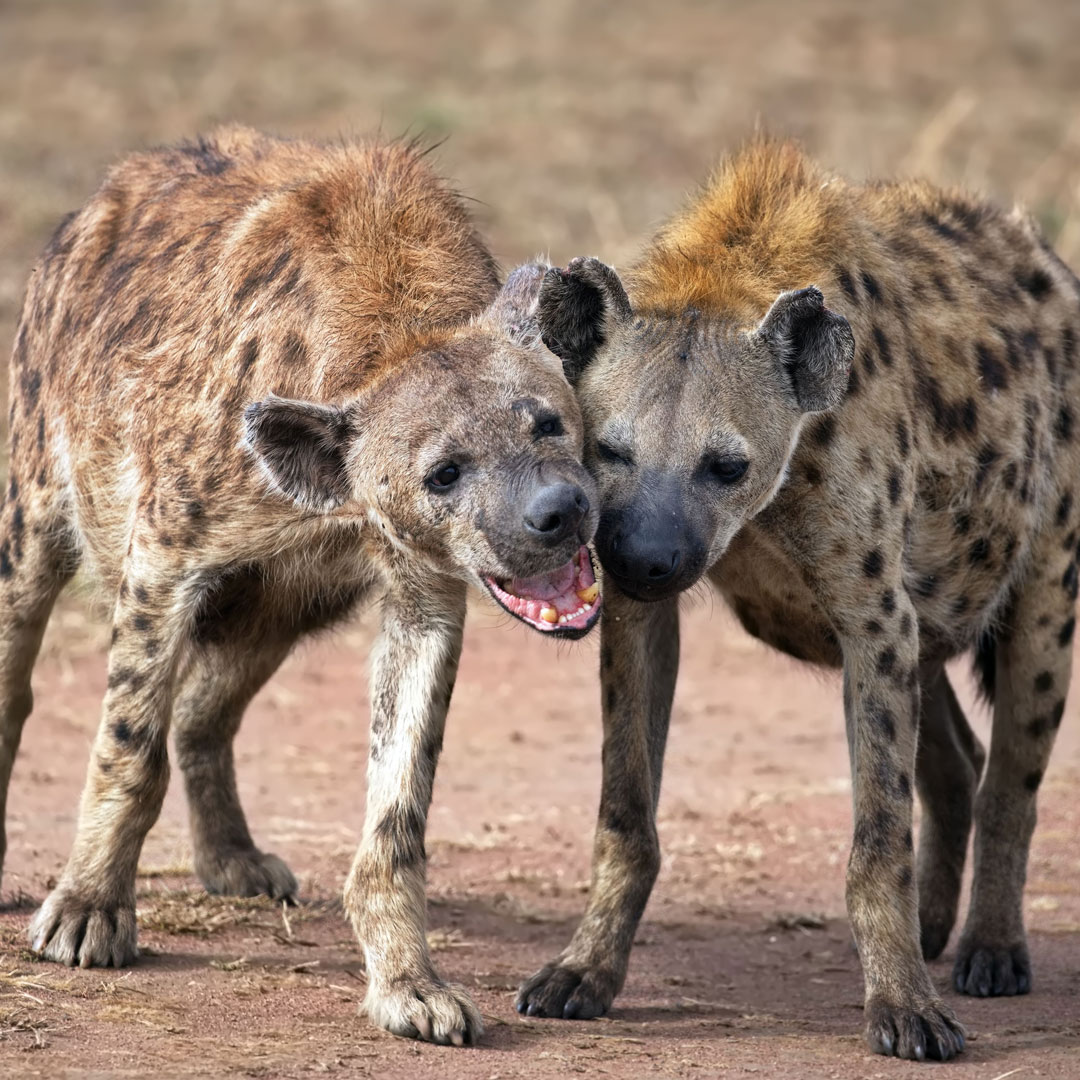
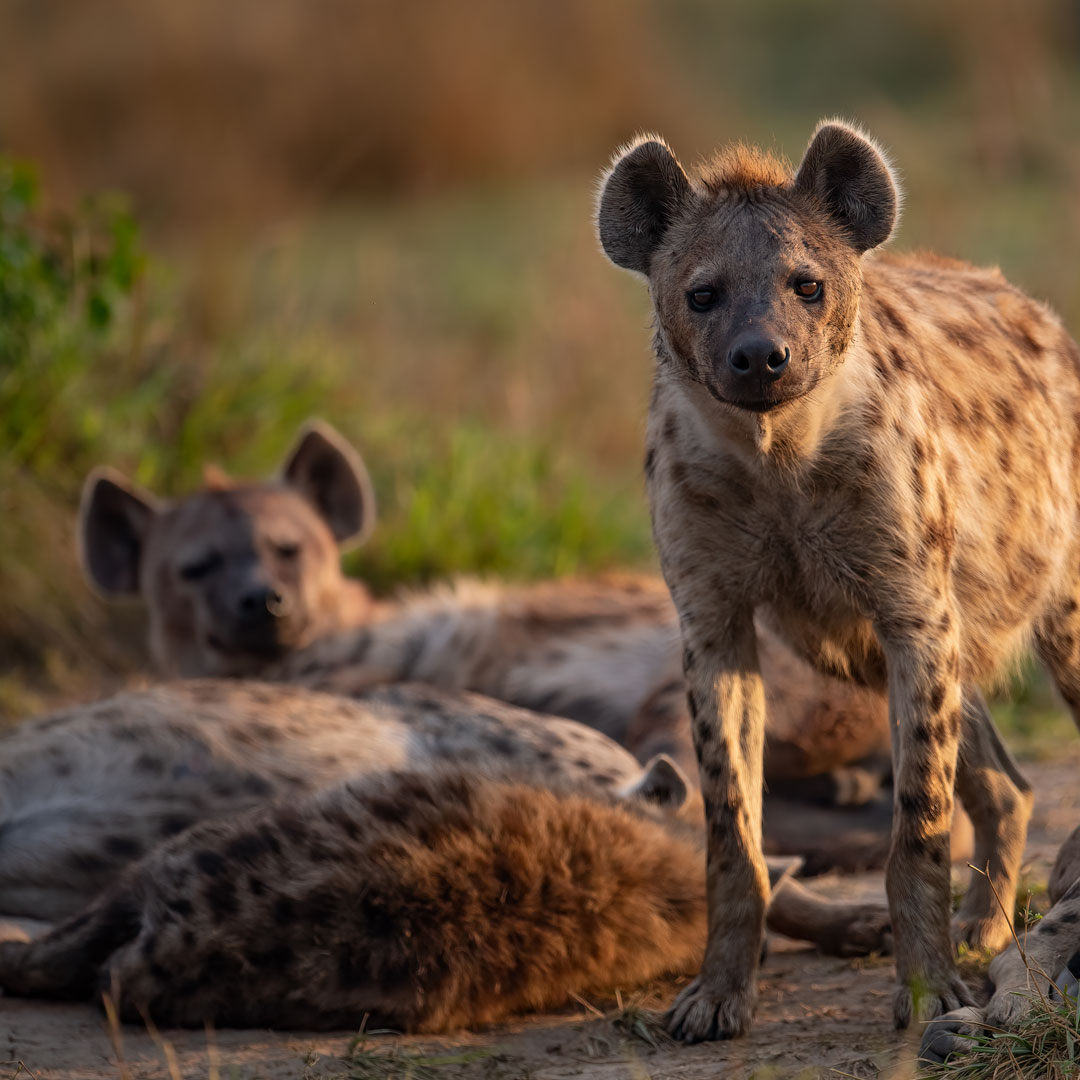
Extraordinary Biology
Spotted hyenas (Crocuta crocuta) have one of the most unusual reproductive systems of any mammal. Females are larger than males, more aggressive, and — critically — anatomically unusual in ways that have significant consequences for how reproduction works. Striped and brown hyenas follow more conventional mammalian reproduction. Most of what makes hyena reproduction remarkable refers specifically to the spotted hyena.
The Pseudo-Penis
Female spotted hyenas have a pseudo-penis: an enlarged clitoris that closely resembles male genitalia and is fully erectile. All births — and mating — occur through this structure. There is no conventional external vaginal opening.
This makes birth one of the most physically dangerous processes in the mammal world. The pseudo-penis must tear on first birth. First-birth mortality in both mother and cub is significantly higher than in subsequent births. The leading evolutionary hypothesis is that this anatomy reinforces female dominance by requiring male cooperation and giving females complete control over reproduction.
Gestation and Litter Size
Spotted hyena gestation is approximately 110 days — relatively short for a carnivore of this size. Litters are typically one or two cubs. The cubs are born unusually developed: eyes open at birth, fully erupted milk teeth, and able to move and orient within hours. This is markedly more precocial than most carnivores, which are born helpless.
In same-sex twin litters, siblicide — one cub killing the other — is common in the first days of life, particularly in female-female twins where competition for maternal resources and social rank is immediate and intense.
Cub Development
Cubs are born dark brown to black. This natal coat gradually lightens over the first few months to the spotted juvenile pattern. For the first two to three months, cubs are entirely den-dependent — mothers return to nurse but do not carry prey to the den. Cubs receive no solid food during this period, relying entirely on milk.
Rank begins to be established almost immediately. In the matriarchal spotted hyena system, the mother’s rank largely determines the cub’s starting rank at the communal den. Higher-ranking cubs have feeding priority from birth. Cubs begin joining hunts and learning foraging behaviour from around six months, though they remain dependent on the mother for much longer.
Maternal Investment
Spotted hyenas have one of the longest nursing periods of any carnivore: 12 to 18 months, sometimes longer in poor conditions. Hyena milk is extremely rich — one of the highest fat contents recorded in a carnivore. This partly compensates for the fact that mothers do not bring solid food to the den.
The energetic cost to mothers is enormous. A nursing female hyena expends more energy per day than almost any other land mammal relative to body mass. This is also why stable clan territories matter: females with access to adequate prey base and low human disturbance raise more cubs successfully than those in fragmented or conflict-affected landscapes.
Why This Matters for Conservation
The reproductive profile of spotted hyenas makes population recovery inherently slow: gestation is only 110 days but cubs remain dependent for over a year; litters rarely exceed two cubs; first-birth mortality is high; siblicide can reduce effective litter size to one. Adult female mortality has disproportionate consequences — an experienced breeding female with established territory and known hierarchy position is not easily replaced.
This is the argument for protecting breeding females specifically, and the argument against indiscriminate retaliatory killing when hyenas come into conflict with livestock farmers. The science is not abstract. At Ranger Buck Safaris, it shapes exactly who we are trying to protect, and why the conservation work our guests support matters.
Hyena Conservation Library
Everything you need to understand hyenas — their biology, behaviour, threats, and the work being done to protect them.
- Hyena conservation efforts explained →
- How many hyenas are left in Africa? →
- Are hyenas endangered? →
- Why are hyenas important to the ecosystem? →
- Human–hyena conflict explained →
- Human–hyena conflict solutions →
- Spotted, striped and brown hyenas →
- Where to see hyenas in Africa →
- Is a hyena conservation experience ethical? →
- What do hyenas eat? →
- Why do hyenas laugh? →
- Are hyenas scavengers or hunters? →
- How strong is a hyena’s bite? →
- Hyena intelligence & behaviour →
- Hyena myths vs facts →
- Hyena social structure & clans →
- Are hyenas dangerous? →
- How hyenas are monitored →
- Hyena threats: poisoning & snaring →
- Hyenas vs lions →
- Hyena vs leopard →
- Hyena vs wild dog →
- Hyena reproduction & cubs →
- Hyena habitat & range →
- Hyenas in African culture & folklore →
- Hyena conservation organisations →
- Hyena Conservation South Africa →
- Hyena Conservation Botswana →
- Hyena Conservation Zambia →
- Hyena Conservation Experience →
get in touch with us
+27 83 653 5776
+27 83 653 5776 (WhatsApp)
info@rangerbucksafaris.com
16 Lourie Close, Meyersdal Eco Estate,
Alberton, Gauteng
16 Lourie Close, Meyersdal Eco Estate, Alberton, Gauteng

Website by Keeden Marketing | 2024
