
Plan a trip
Hyena Intelligence & Behaviour
Last updated: April 2026
Spotted hyenas are among the most cognitively sophisticated animals on the planet. That is not a romanticised claim — it is the conclusion of controlled scientific research comparing their performance against lions, leopards, and in some tests, chimpanzees.
The problem is that nobody told them. Hyenas remain one of the most underestimated species in the conservation conversation. Here is what the science shows.
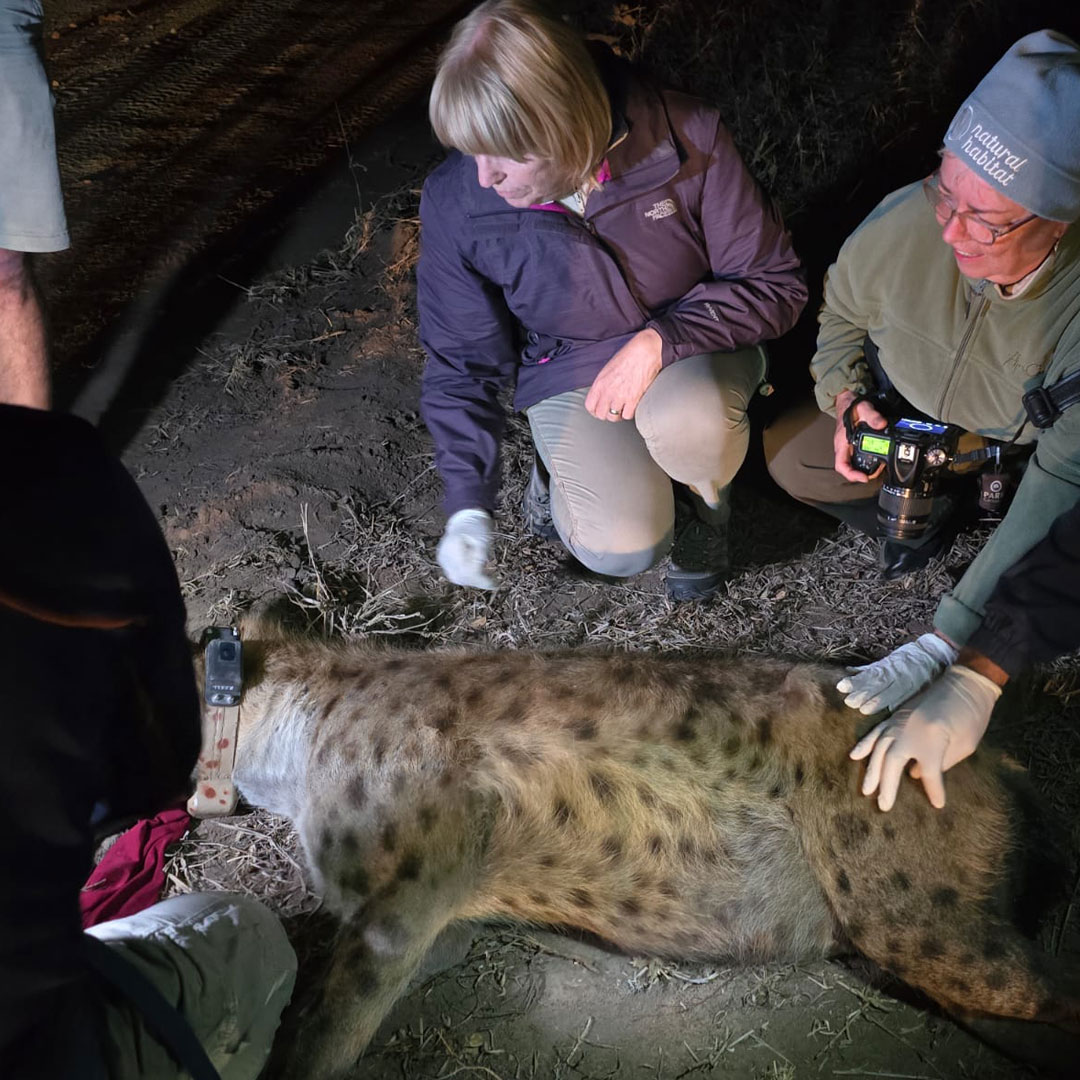
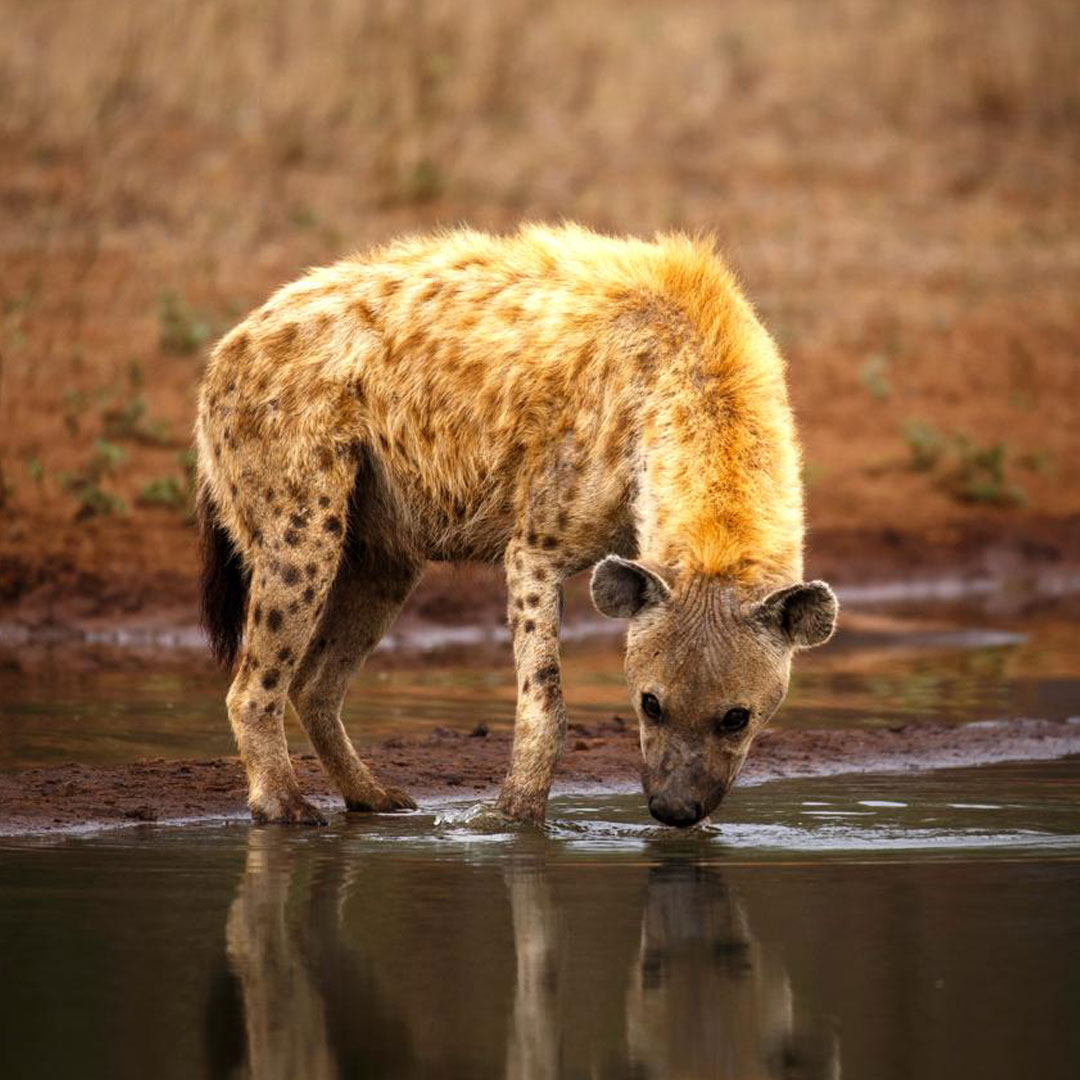
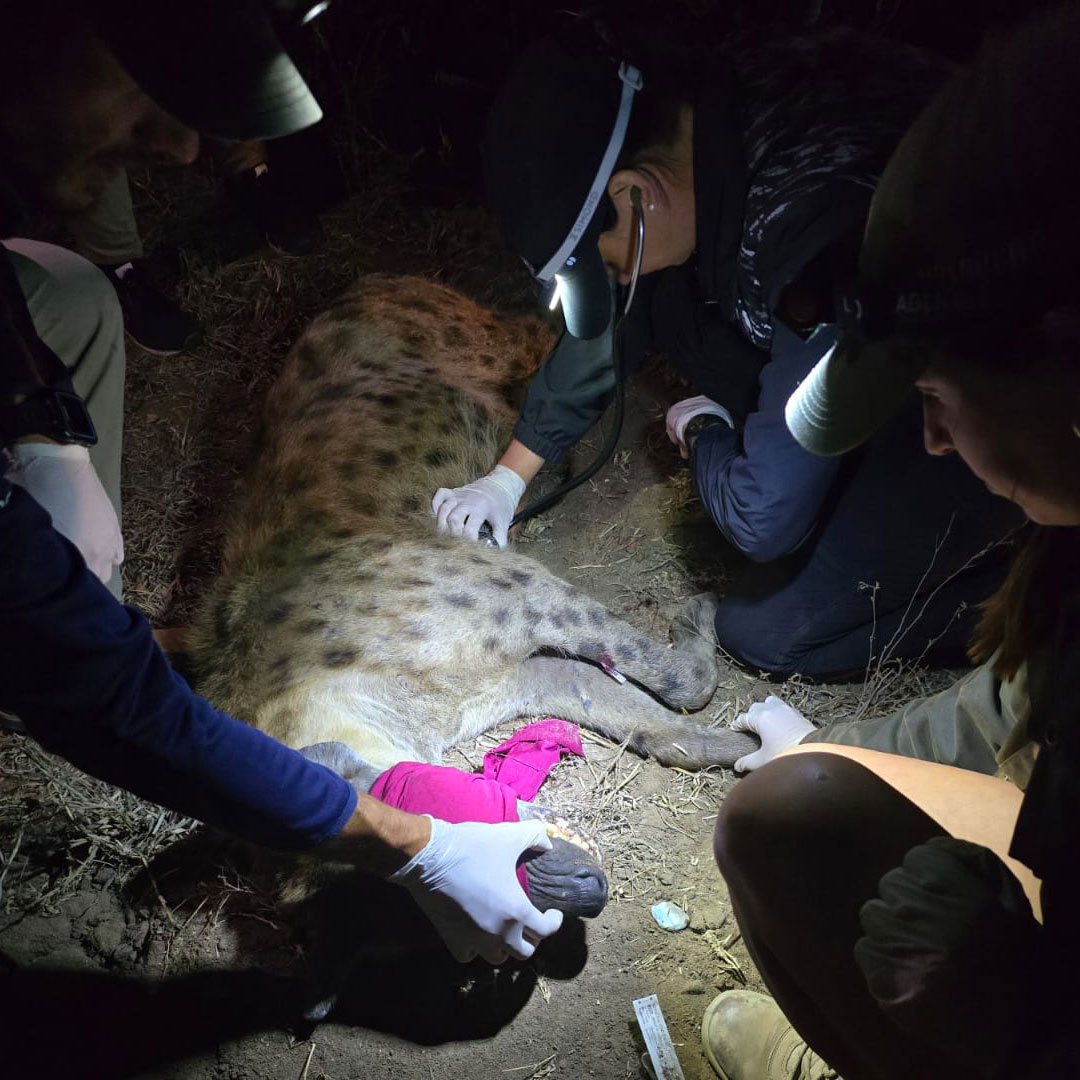
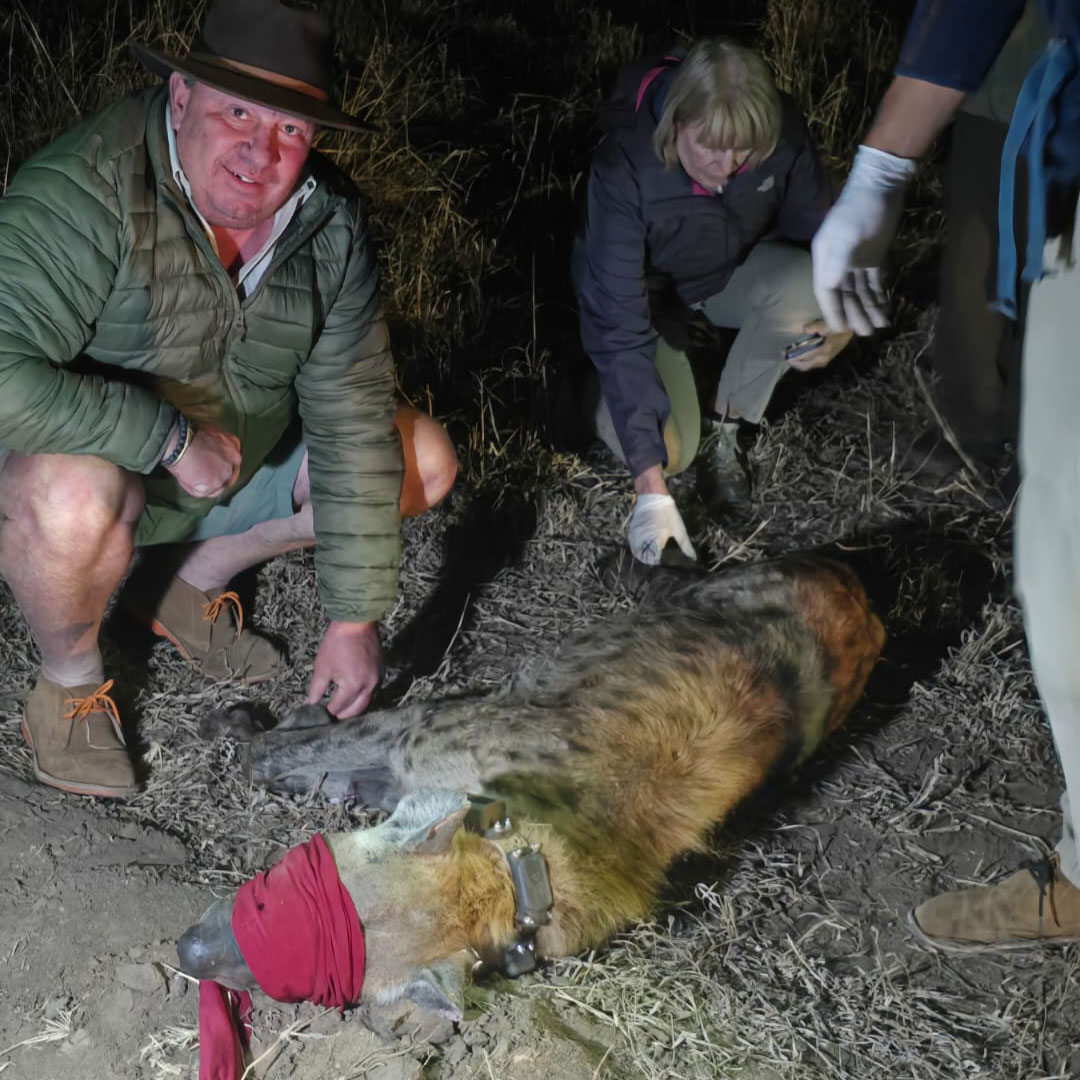
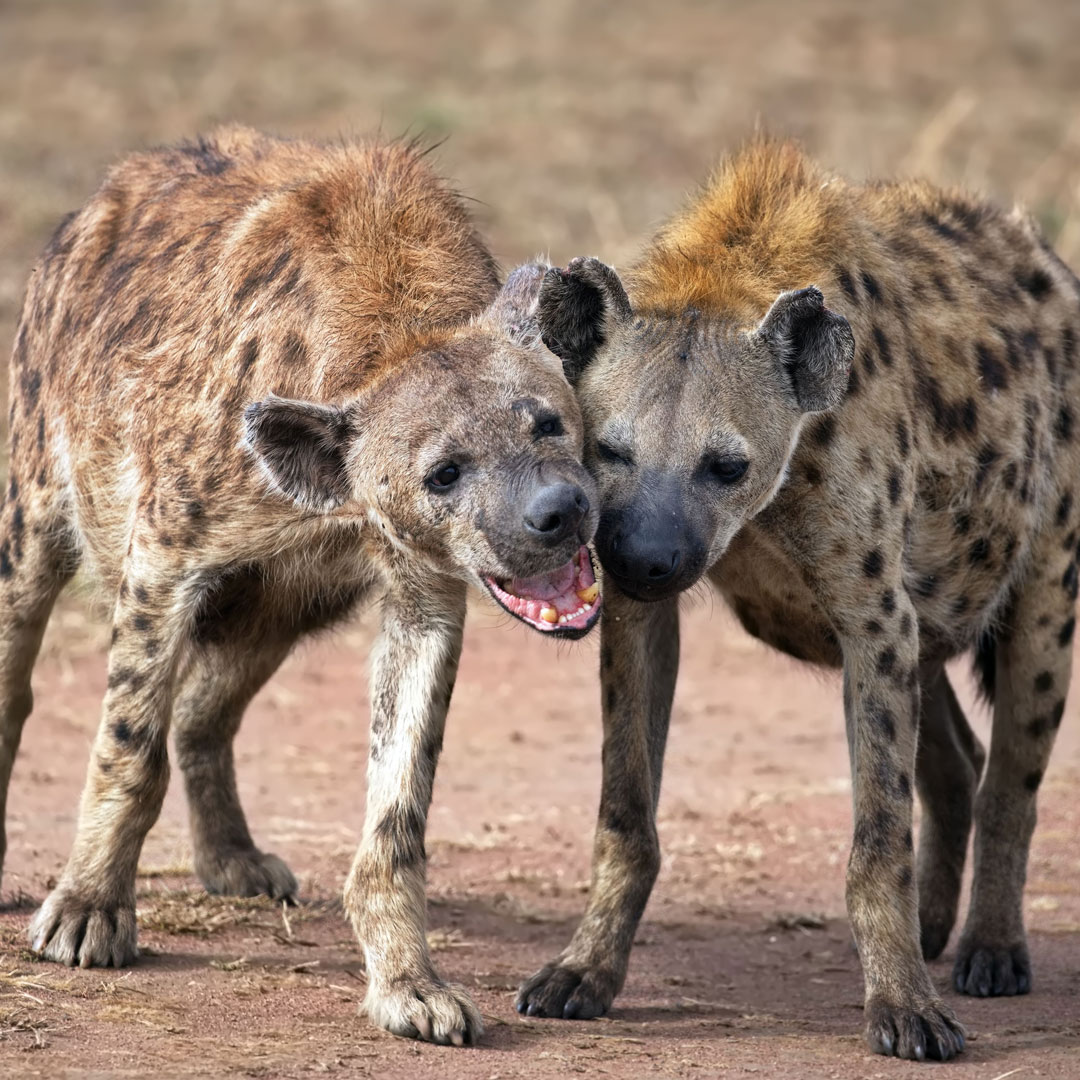
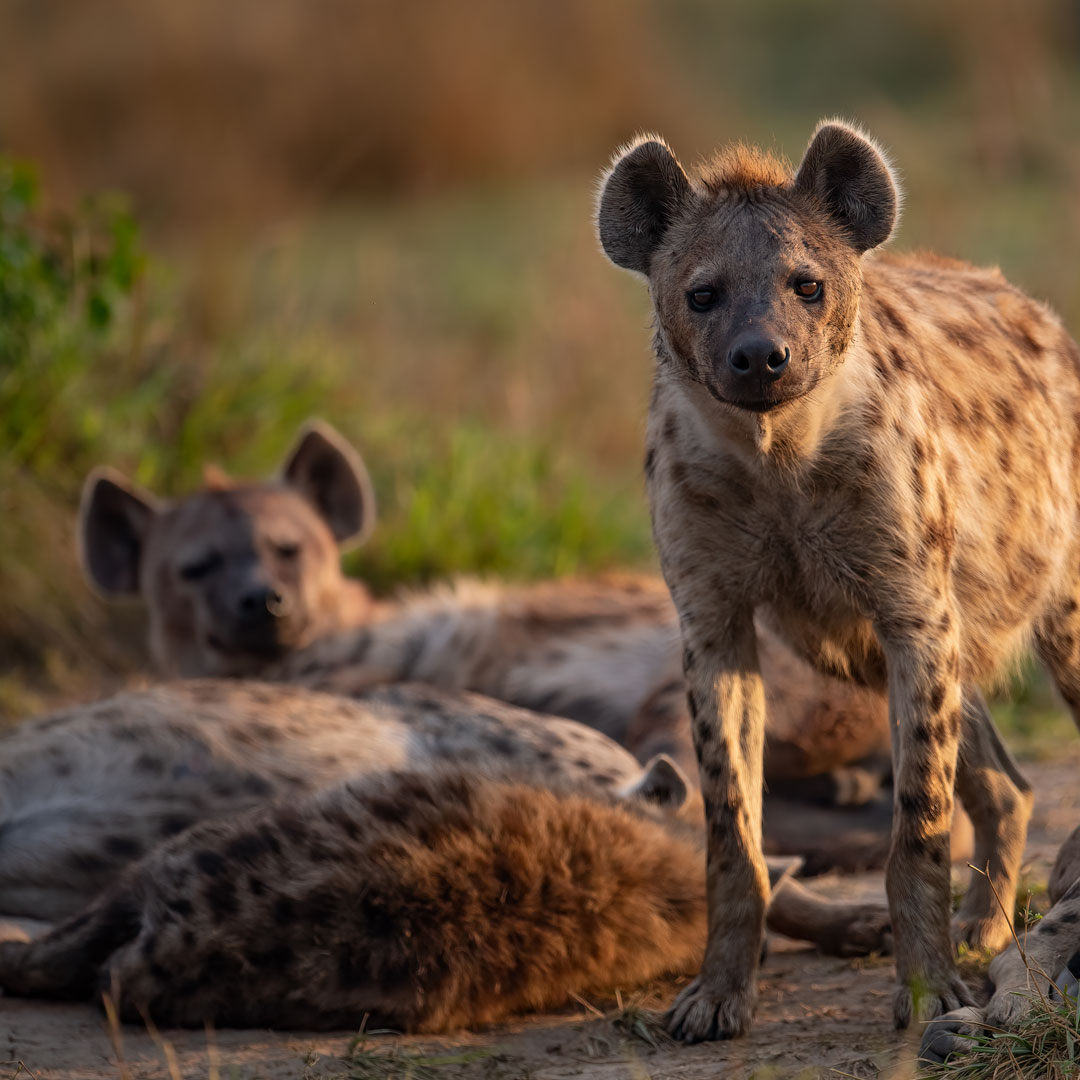
The Surprising Truth
When researchers began comparing large carnivores on standardised problem-solving tasks, the results surprised many in the field. Spotted hyenas consistently outperformed lions and leopards. In some tests, they outperformed chimpanzees. This is not incidental — cognitive ability tracks closely with social complexity across species. Animals that live in large, politically structured groups need more processing power to navigate their social environment.
Problem-Solving Ability
Laboratory and field studies have tested hyenas on multi-step physical problems — tasks requiring the animal to understand causality, sequence actions correctly, and in some cases cooperate with a partner. Key findings:
- In tasks requiring two animals to pull separate ropes simultaneously to release food, hyenas solved the problem faster and with fewer trials than chimpanzees in comparative studies
- Hyenas adjust strategies when an initial approach fails — a marker of flexible cognition rather than fixed behavioural routines
- They demonstrate understanding of cause and effect: pulling the correct rope, not just any rope
Lions tested on comparable tasks performed significantly worse, often failing entirely on multi-step problems that hyenas solved without extended training.
Social Intelligence
The spotted hyena lives in a fission-fusion society. The clan as a whole may contain 40 to 80 individuals, but they do not all move and feed together. Smaller subgroups form and dissolve constantly — which means every individual must maintain a constantly updated mental map of social relationships across the entire clan.
This is an enormous cognitive load. Research suggests that managing these relationships is the primary driver of spotted hyena brain development — more demanding than hunting, navigation or any other single activity. Female cubs in high-ranking families acquire social status partly through observation and memory, not just through aggression. They are learning the social landscape before they are capable of enforcing their position within it.
Communication and Theory of Mind
One of the markers of advanced cognition is theory of mind — the ability to model what another individual knows, believes or intends. Hyenas adjust their vocalisations based on who is listening. When calling to summon clan members, they produce different call types depending on whether the perceived audience is a dominant or subordinate individual. This audience-sensitive behaviour is a marker of perspective-taking — an animal operating with some model of what other individuals know or perceive. In the carnivore world, this level of social cognition is exceptional.
Memory and Spatial Awareness
Hyenas are wide-ranging animals. In arid environments, individuals may cover 70 kilometres or more in a single night. Research has shown that hyenas:
- Remember the locations of food caches and return to them accurately after intervals of hours or days
- Maintain mental maps of territory boundaries and update them as borders shift through clan conflict
- Recognise individual members of neighbouring clans and adjust behaviour accordingly
- Track the movements of prey herds seasonally and position themselves accordingly
This is not instinctive pattern-following. It is flexible, learnable spatial cognition — the kind that requires ongoing memory storage and retrieval.
Female Dominance and Its Cognitive Demands
The spotted hyena is one of very few mammals with a fully matriarchal social structure. All females outrank all males. Maintaining this hierarchy is not simply a matter of aggression. It requires social memory, coalition management, and what researchers have called “political intelligence” — the ability to manage alliances, anticipate challenges, and respond strategically to social threats.
Dominant females have been observed forming and maintaining coalitions with other high-ranking females to reinforce their positions. This is not reflexive behaviour. It is strategy — built on memory, relationship tracking, and forward-looking decision-making. The cognitive demands of maintaining rank in a matriarchal clan of 80 individuals are, by any reasonable measure, significant.
Why Intelligence Should Change How We View Conservation
Highly intelligent, socially complex animals suffer in ways that less cognitively developed species do not when their populations are disrupted. When a spotted hyena clan is fragmented — through habitat loss, persecution or roads — the social structure that took years to build is damaged. Animals that invested cognitive resources in tracking relationships now find their network severed.
Cubs raised in disrupted clans have reduced access to experienced mentors. Social learning — a major component of how young hyenas acquire competence in hunting, territory navigation and social negotiation — requires an intact social environment to function properly.
Protecting a hyena population is not just about counting individuals. It is about preserving the social architecture that allows that intelligence to function. At Ranger Buck Safaris, we work with hyena populations monitored as social units, not just numbers. Come and see what a healthy, intact spotted hyena clan looks like.
Hyena Conservation Library
Everything you need to understand hyenas — their biology, behaviour, threats, and the work being done to protect them.
- Hyena conservation efforts explained →
- How many hyenas are left in Africa? →
- Are hyenas endangered? →
- Why are hyenas important to the ecosystem? →
- Human–hyena conflict explained →
- Human–hyena conflict solutions →
- Spotted, striped and brown hyenas →
- Where to see hyenas in Africa →
- Is a hyena conservation experience ethical? →
- What do hyenas eat? →
- Why do hyenas laugh? →
- Are hyenas scavengers or hunters? →
- How strong is a hyena’s bite? →
- Hyena intelligence & behaviour →
- Hyena myths vs facts →
- Hyena social structure & clans →
- Are hyenas dangerous? →
- How hyenas are monitored →
- Hyena threats: poisoning & snaring →
- Hyenas vs lions →
- Hyena reproduction & cubs →
- Hyena habitat & range →
- Hyenas in African culture & folklore →
- Hyena conservation organisations →
- Hyena Conservation Experience →
get in touch with us
+27 83 653 5776
+27 83 653 5776 (WhatsApp)
info@rangerbucksafaris.com
16 Lourie Close, Meyersdal Eco Estate,
Alberton, Gauteng
16 Lourie Close, Meyersdal Eco Estate, Alberton, Gauteng

Website by Keeden Marketing | 2024
