
Plan a trip
Are Hyenas Scavengers or Hunters?
Last updated: April 2026
The answer is hunters. Primarily, definitively, and by a wide margin — at least when it comes to spotted hyenas.
The scavenger myth is one of the most persistent and damaging misconceptions in African wildlife. It has shaped how people perceive hyenas, how they are represented in culture, and how they are treated in the field. Here is what the science actually shows.
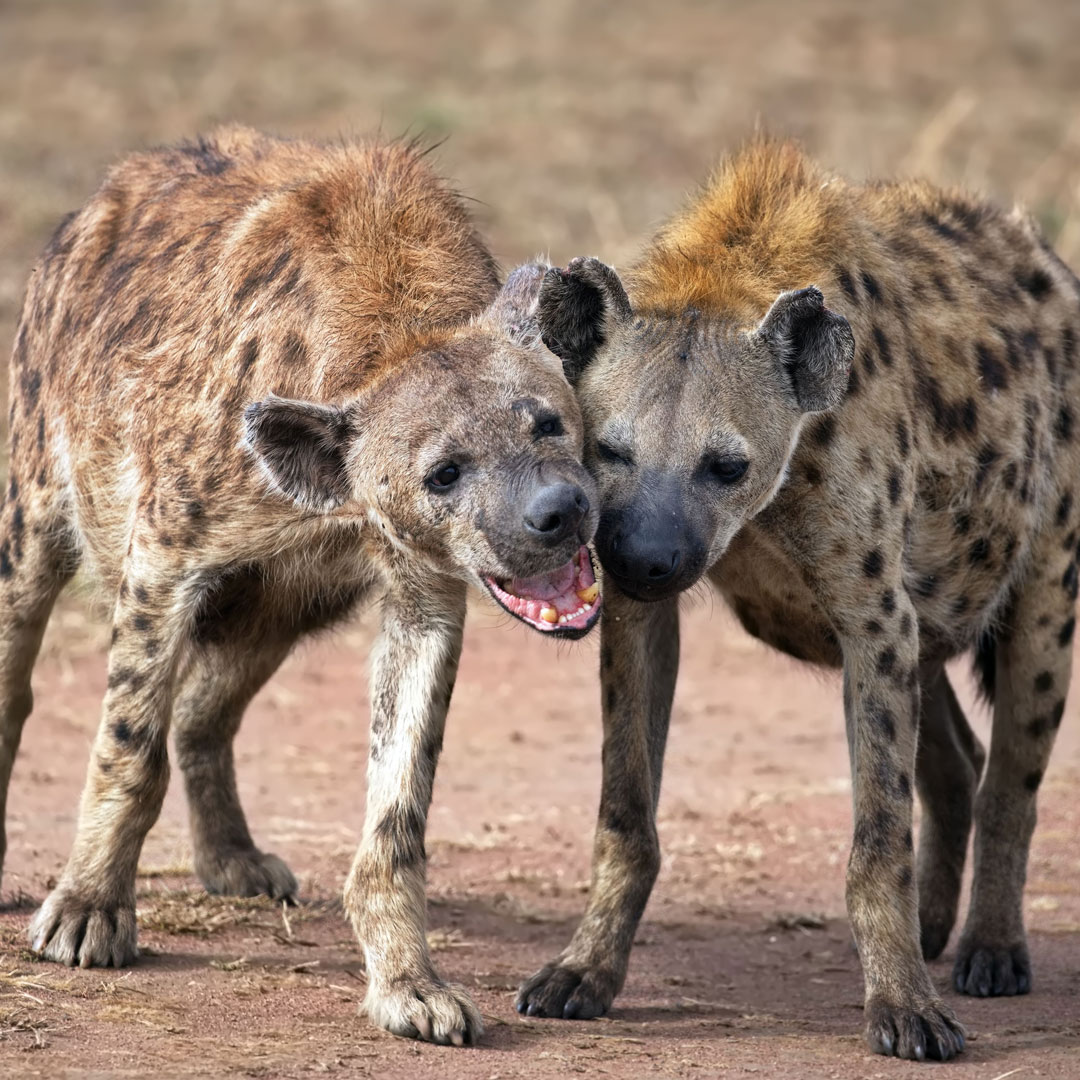
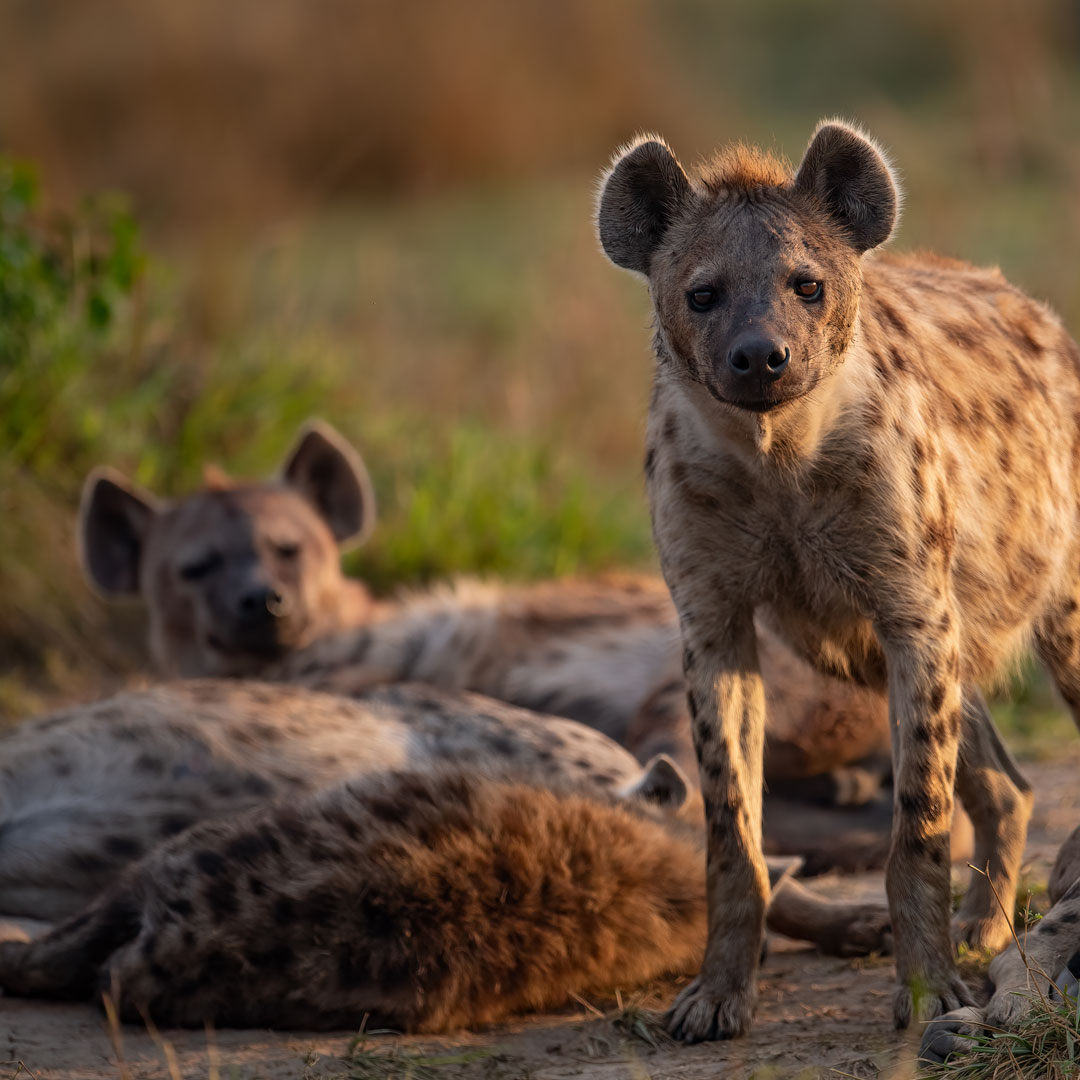
The Myth
The image of the hyena as a skulking scavenger — hunched, cowardly, laughing as it steals from noble lions — runs deep in Western culture. Disney’s The Lion King is the most famous recent example, but the narrative is centuries older. In this version of events, lions are the heroic hunters and hyenas are the opportunists who wait, watch, and steal. It is a morality tale dressed as natural history. And it is scientifically inaccurate.
The science has been clear for decades. The problem is that the myth is more compelling than the correction.
What the Research Shows
The foundational research on hyena predation was conducted by zoologist Hans Kruuk in the Serengeti in the 1960s and 1970s. Kruuk conducted systematic night observations — the first of their kind — and what he found inverted the popular narrative.
Spotted hyenas were not following lions. Lions were following hyenas. Subsequent research has confirmed and extended these findings:
- In the Serengeti, spotted hyenas make approximately 60–70% of their own kills
- In Kruger National Park, studies have found hyena self-kill rates as high as 90–95% in certain prey-dense areas
- In the Ngorongoro Crater, hyenas are the dominant predator — lions are the secondary scavenger
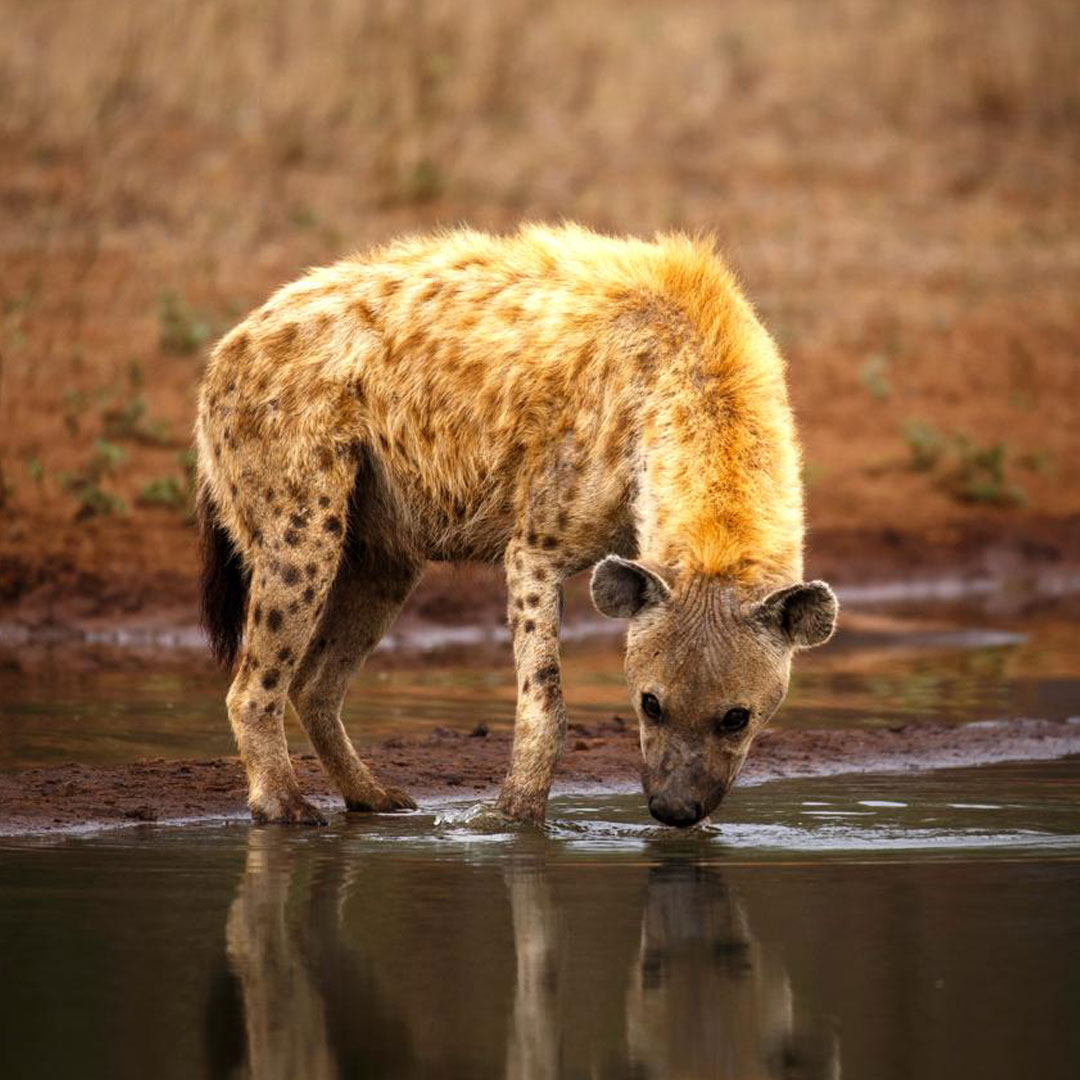
Across all major study sites, spotted hyenas are classified as apex predators, not scavengers.
The Irony: Lions Scavenge from Hyenas More Than the Reverse
Kruuk’s most surprising finding — and the one that most dramatically reverses the popular narrative — concerns who steals from whom. In the Serengeti, lions steal more kills from spotted hyenas than spotted hyenas steal from lions.
This makes ecological sense. Lions are ambush predators — less mobile than hyenas. When a hyena clan makes a large kill, the noise and activity attract lions from a distance. Lions arrive in force and displace the hyenas, who typically move on rather than contest them. The dynamic the popular image portrays has it exactly backwards.
How Hyenas Hunt
Spotted hyenas are coursing predators. Unlike lions, which rely on ambush and a short explosive burst, hyenas pursue prey over distance. Key features of hyena hunting:
- Speed: spotted hyenas can reach 65 km/h and sustain 40–50 km/h over several kilometres
- Endurance: prey is worn down over a long chase, not overpowered in a single strike
- Cooperation: clan members hunt cooperatively for large prey, coordinating pursuit and flanking
- Target selection: hyenas are highly skilled at identifying weaker individuals — old, injured, or young — within a herd
Once prey is brought down, the kill is rapid and efficient. A hyena clan can consume a wildebeest in minutes — bones and all.
When Hyenas Do Scavenge
Hyenas are opportunistic. If a carcass is available, they will eat it. This is efficient energy management — not evidence of a scavenger lifestyle.
Striped hyenas and brown hyenas are significantly more scavenger-dependent than the spotted hyena. For these species, carrion forms a larger portion of the diet, supplemented by insects, fruit and small prey. Even for spotted hyenas, scavenging is part of the toolkit — exactly as it is for lions, leopards, cheetahs, and wild dogs. What it is not is the primary strategy.
Why the Myth Persists
Three factors explain why the scavenger myth has proved so durable: nocturnality (hyena hunts happen in darkness, tourists and early researchers rarely witnessed kills directly), carcass association (hyenas and lions are often found at the same carcass, and the assumption favours lions), and cultural narrative (the villain archetype is deeply embedded and self-reinforcing across media, education and folklore).
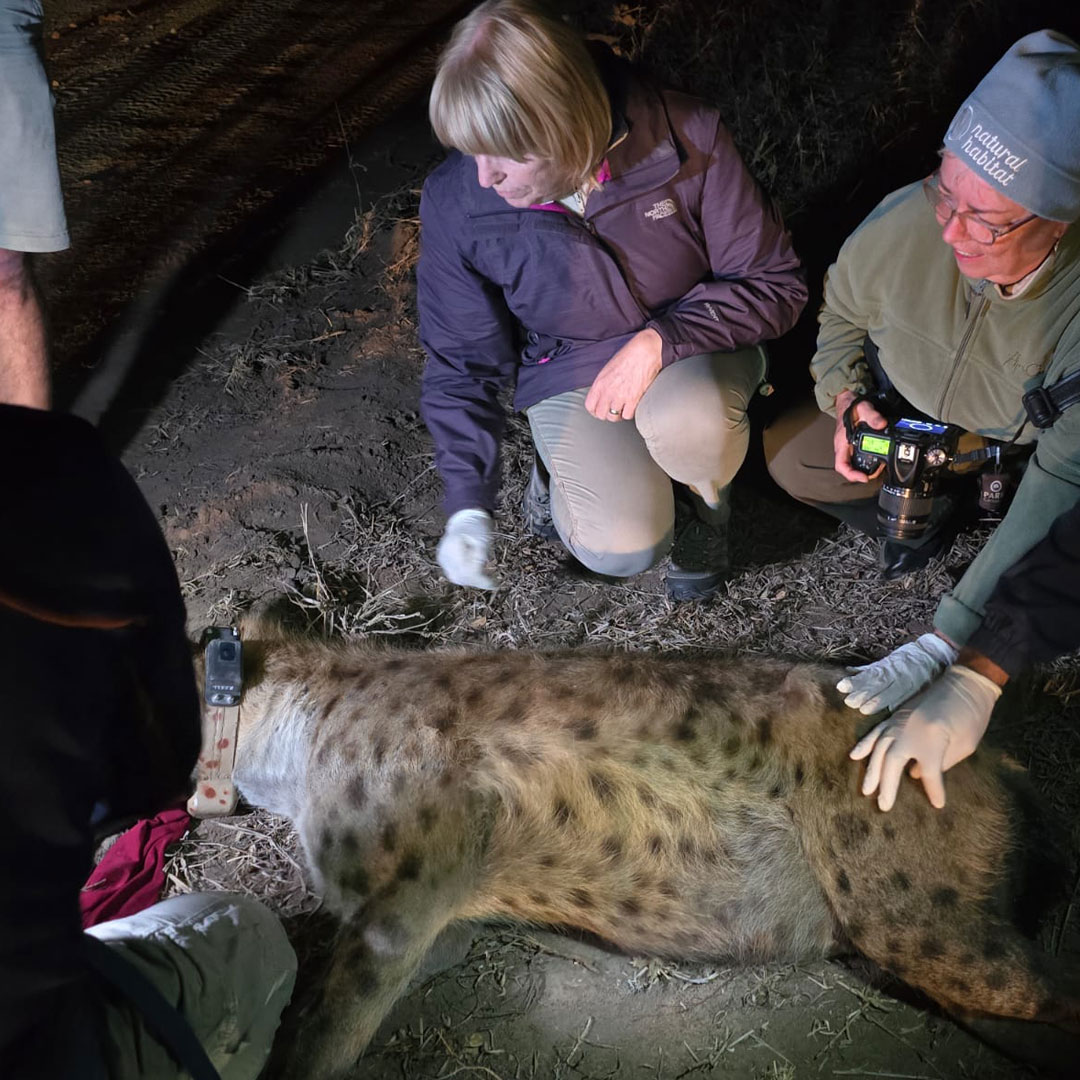
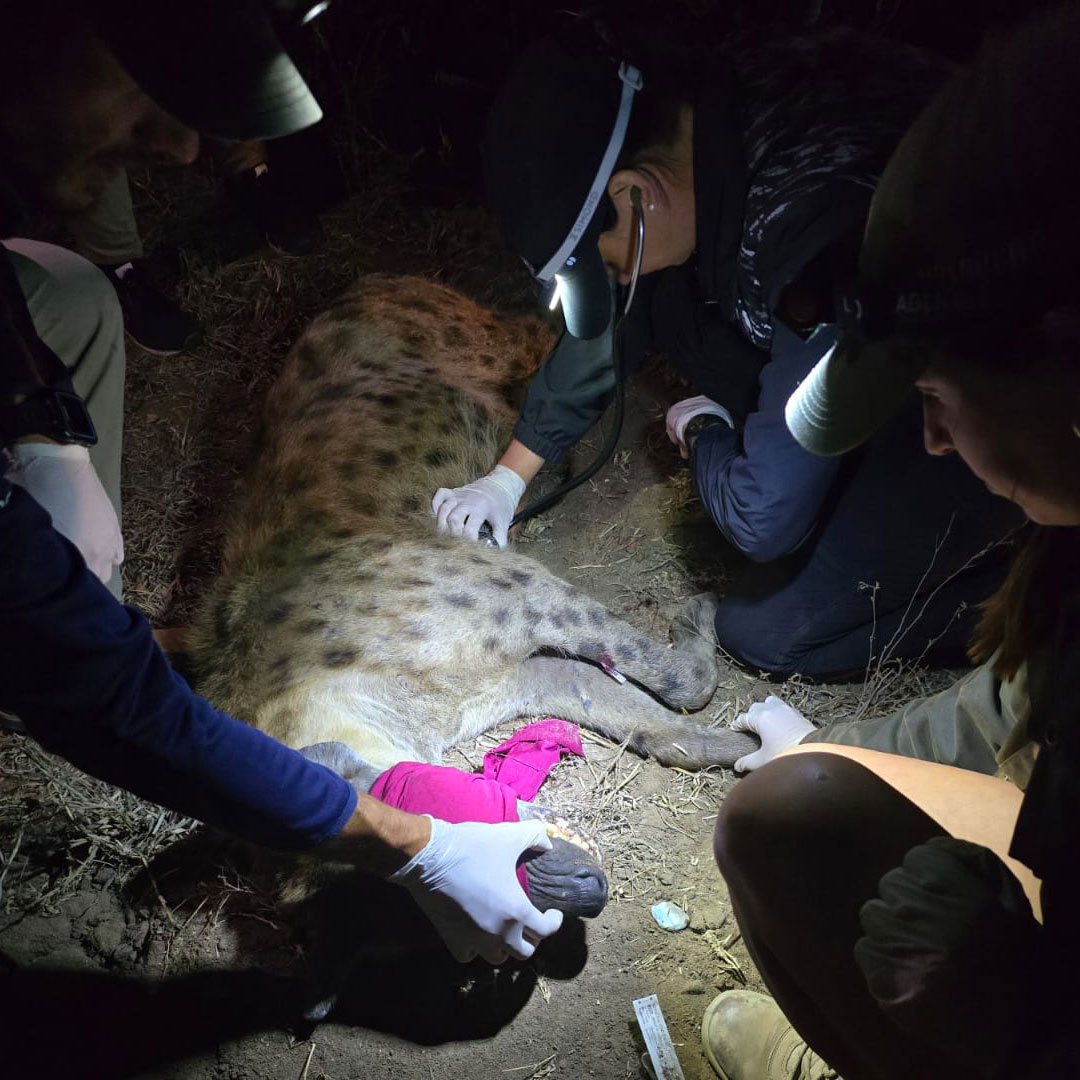
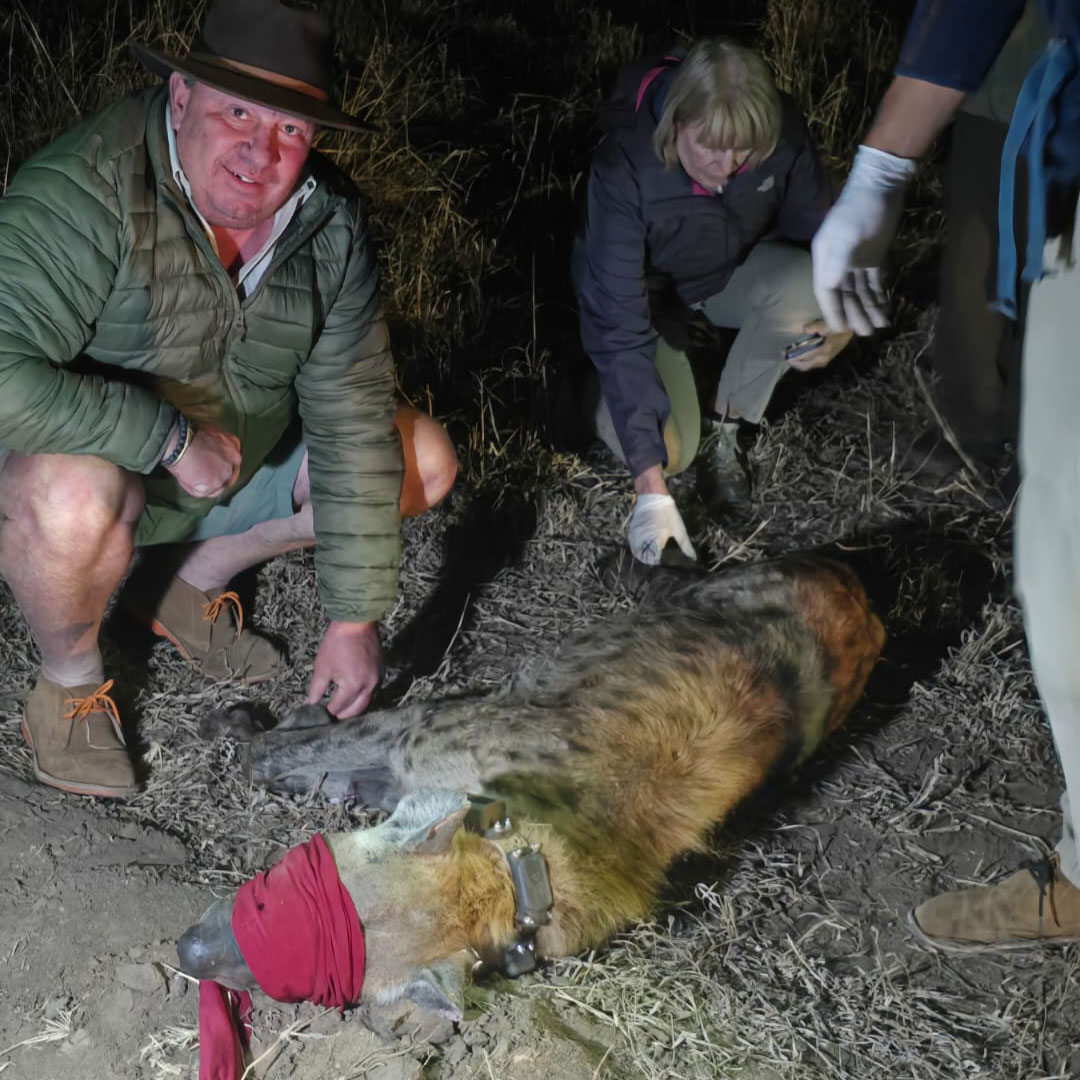
The arrival of night-vision equipment and GPS-collar technology changed the picture dramatically. Researchers could now follow individual hyenas through the night. The hunting behaviour they documented was not ambiguous.
What This Means for Conservation
This is not just a scientific correction. It has real consequences for how hyenas are treated. Animals perceived as scavengers and thieves attract less sympathy and less protection. Correcting the myth changes the conversation.
A spotted hyena is not a parasite on the ecosystem — it is one of its primary engines. Protecting it is not charity. It is ecologically rational. At Ranger Buck Safaris, hyena conservation starts with this correction. Understanding what these animals actually are is the first step toward protecting them.
Hyena Conservation Library
Everything you need to understand hyenas — their biology, behaviour, threats, and the work being done to protect them.
- Hyena conservation efforts explained →
- How many hyenas are left in Africa? →
- Are hyenas endangered? →
- Why are hyenas important to the ecosystem? →
- Human–hyena conflict explained →
- Human–hyena conflict solutions →
- Spotted, striped and brown hyenas →
- Where to see hyenas in Africa →
- Is a hyena conservation experience ethical? →
- What do hyenas eat? →
- Why do hyenas laugh? →
- Are hyenas scavengers or hunters? →
- How strong is a hyena’s bite? →
- Hyena intelligence & behaviour →
- Hyena myths vs facts →
- Hyena social structure & clans →
- Are hyenas dangerous? →
- How hyenas are monitored →
- Hyena threats: poisoning & snaring →
- Hyenas vs lions →
- Hyena reproduction & cubs →
- Hyena habitat & range →
- Hyenas in African culture & folklore →
- Hyena conservation organisations →
- Hyena Conservation Experience →
get in touch with us
+27 83 653 5776
+27 83 653 5776 (WhatsApp)
info@rangerbucksafaris.com
16 Lourie Close, Meyersdal Eco Estate,
Alberton, Gauteng
16 Lourie Close, Meyersdal Eco Estate, Alberton, Gauteng

Website by Keeden Marketing | 2024
