
Plan a trip
Hyena Conservation in Zambia
Last updated: April 2026
Zambia does not appear at the top of most hyena conservation conversations. It should.
As one of Africa’s most important corridors between Southern and East Africa, Zambia’s protected areas support significant spotted hyena populations — and face conservation challenges that are shaping the future of predators across the region.
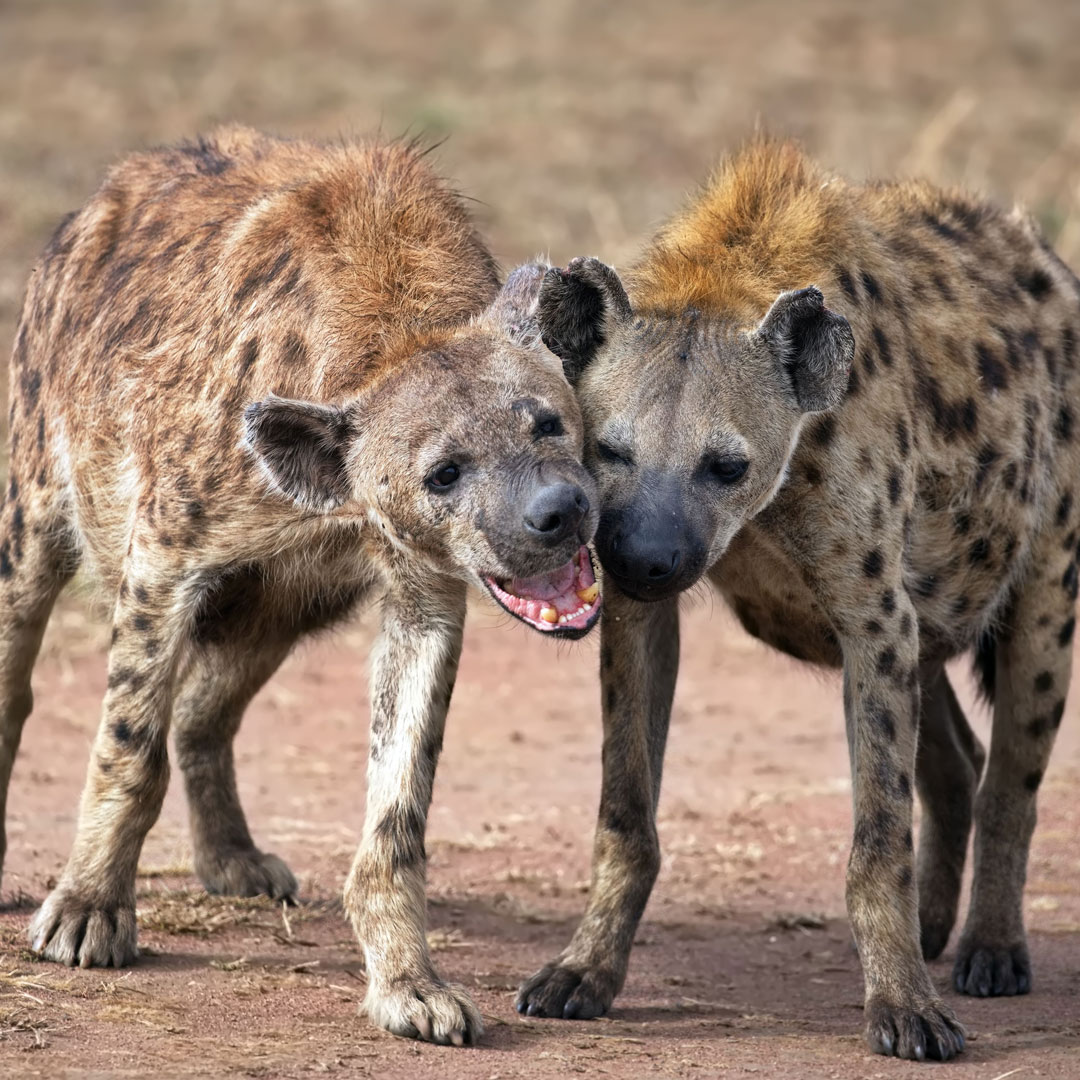
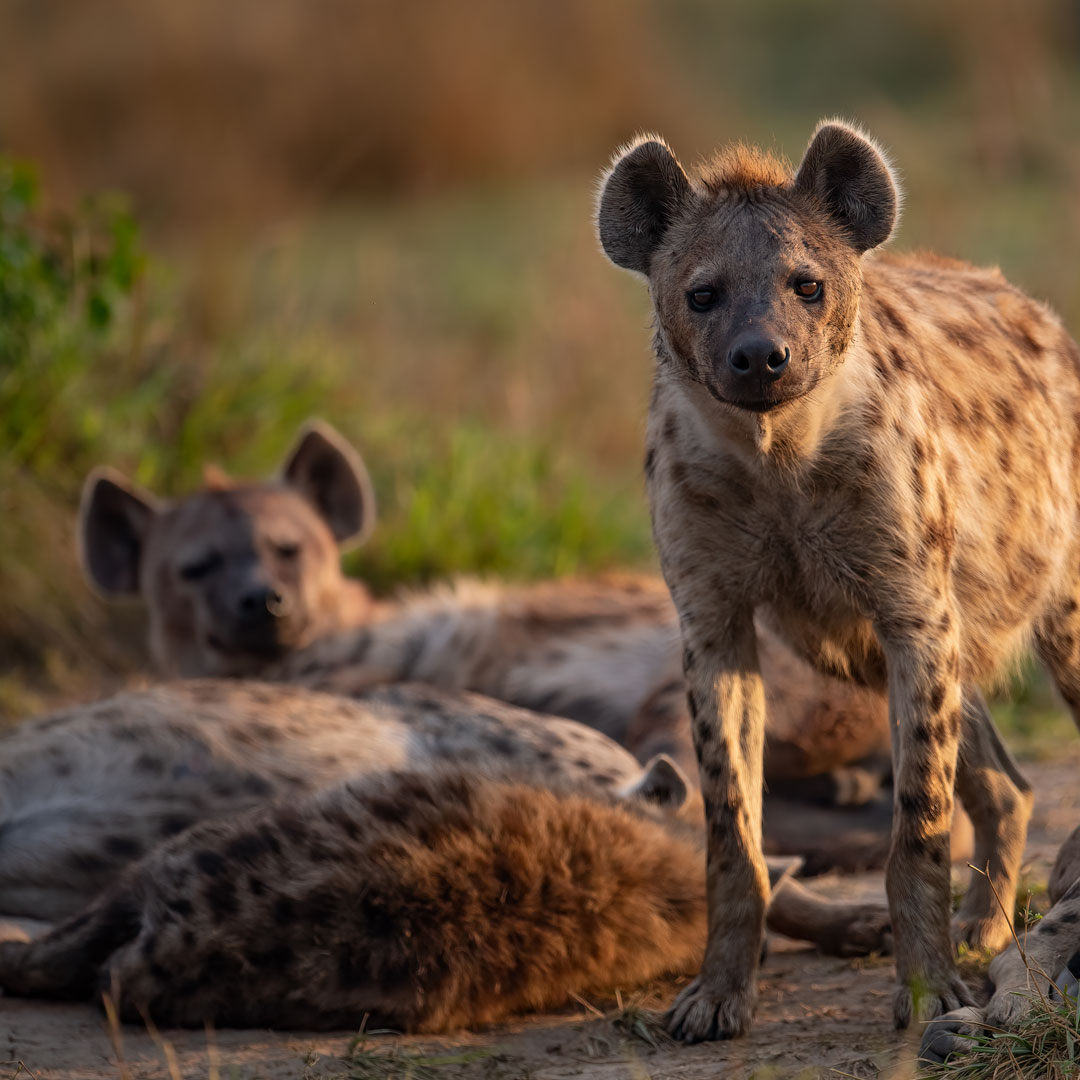
Zambia’s Hyena Population
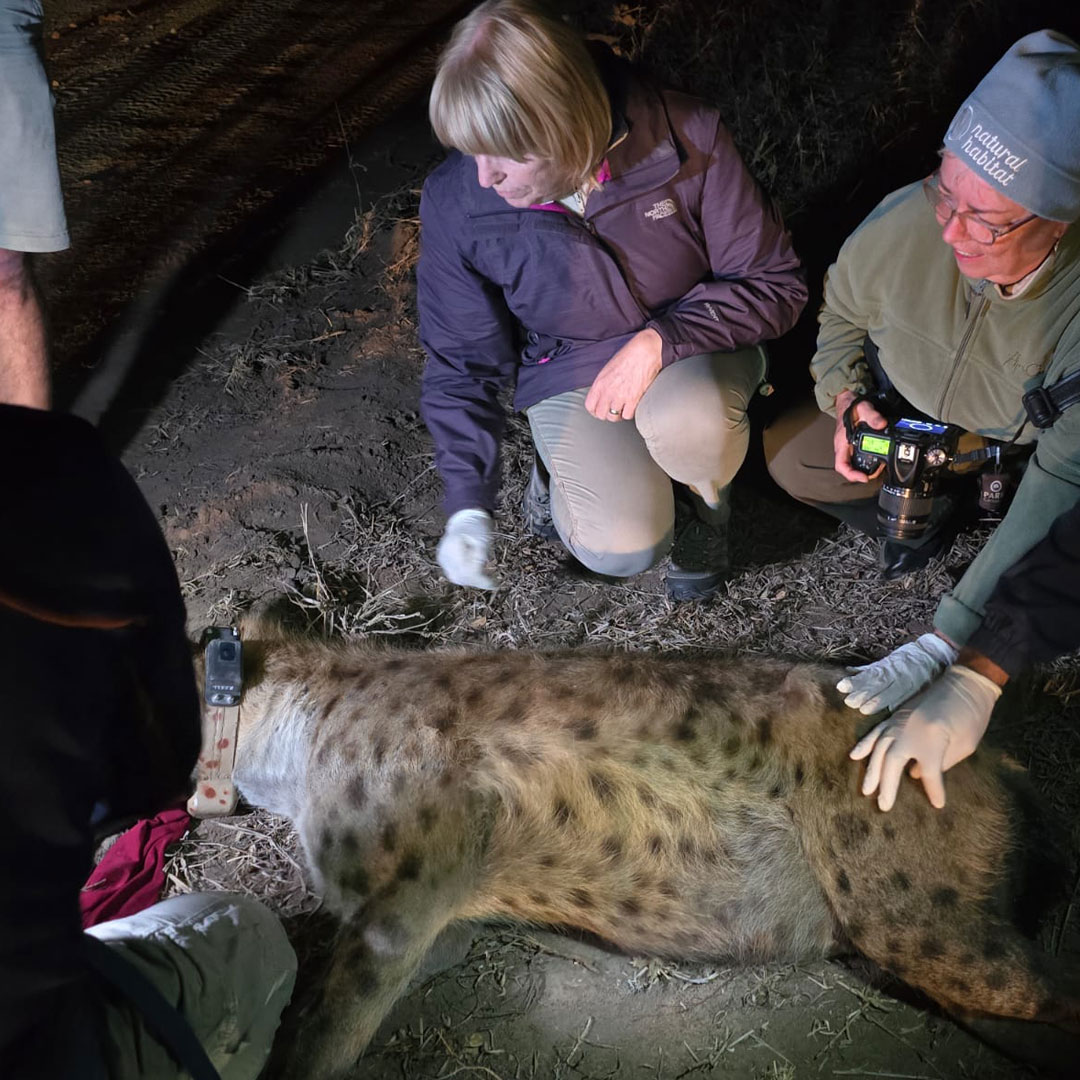
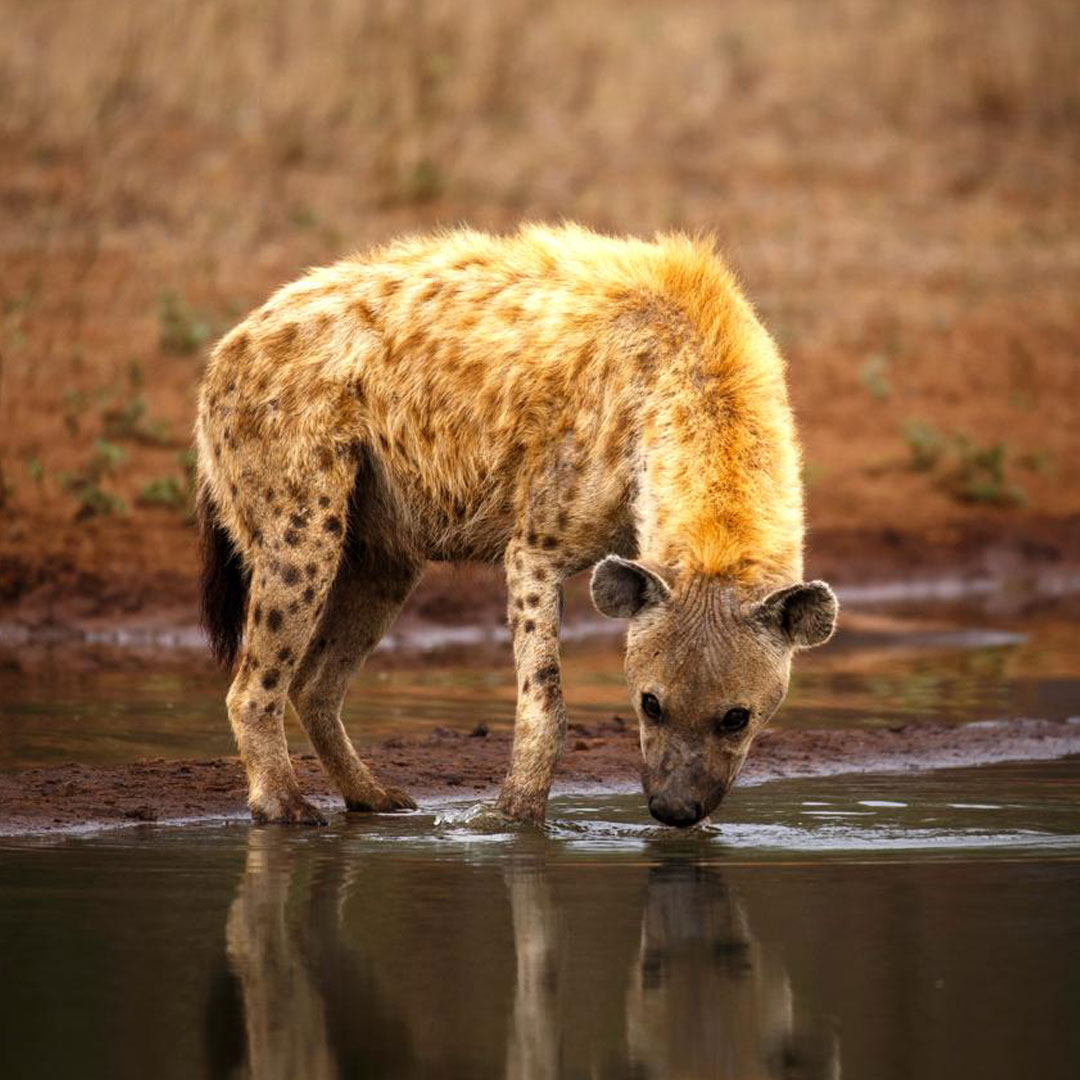
Spotted hyenas are widespread across Zambia’s major protected areas — South Luangwa, Kafue, Lower Zambezi and the Luangwa Valley corridor. Zambia is less frequently discussed in hyena conservation literature than South Africa or Kenya, partly because research infrastructure has historically been more limited. What the field evidence shows is a country with genuinely viable hyena populations in its core protected areas, embedded in landscapes that are wilder and less tourist-dense than the most famous African safari destinations.
Key Areas for Hyenas in Zambia
- South Luangwa National Park: One of Africa’s finest wildlife areas. Strong spotted hyena population alongside lions, leopards and wild dogs. Night drives are a key feature of all quality camps here.
- Kafue National Park: Africa’s second largest national park at over 22,000 km². Significant predator populations including spotted hyenas across a range of habitats.
- Lower Zambezi National Park: The Zambezi River corridor provides a productive dry-season hunting ground. Combined canoe and game drive safaris give unusual access to predator behaviour near water.
- Luangwa Valley corridor: The broader valley system, including GMAs adjacent to South Luangwa, supports hyena populations that face higher levels of human pressure than those inside the park.
Conservation Challenges in Zambia
- Bushmeat poaching: Wire snares set for ungulates catch hyenas; commercial poaching affects the prey base hyenas depend on
- Human–wildlife conflict: Retaliatory killing occurs on park boundaries and is difficult to monitor effectively
- Under-resourced ranger forces: Some areas suffer from insufficient ranger numbers, vehicles and equipment, limiting rapid response capacity
- Prey depletion: Where poaching pressure is high, prey base reduction increases the likelihood of livestock predation and resulting conflict
Conservation Work in Zambia
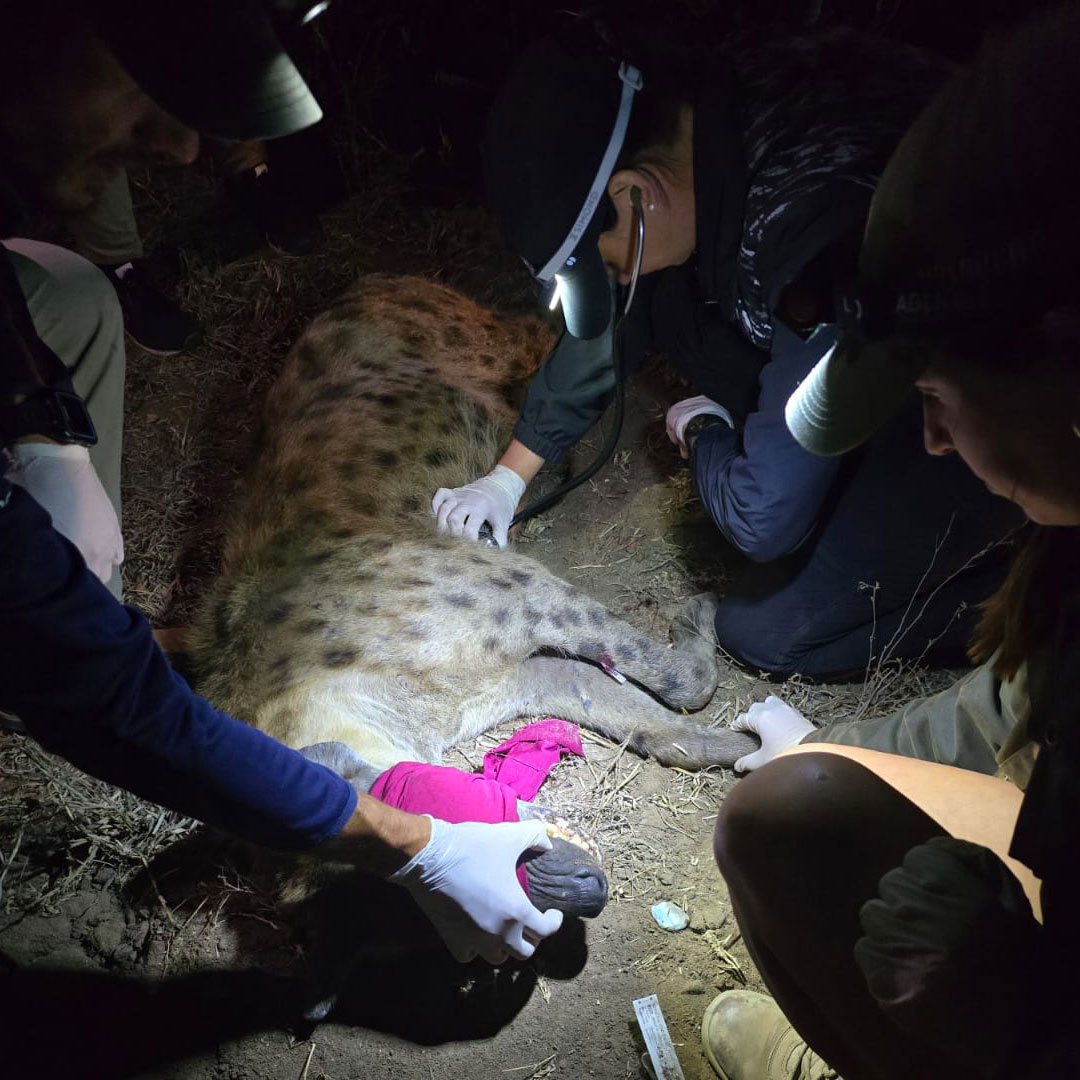
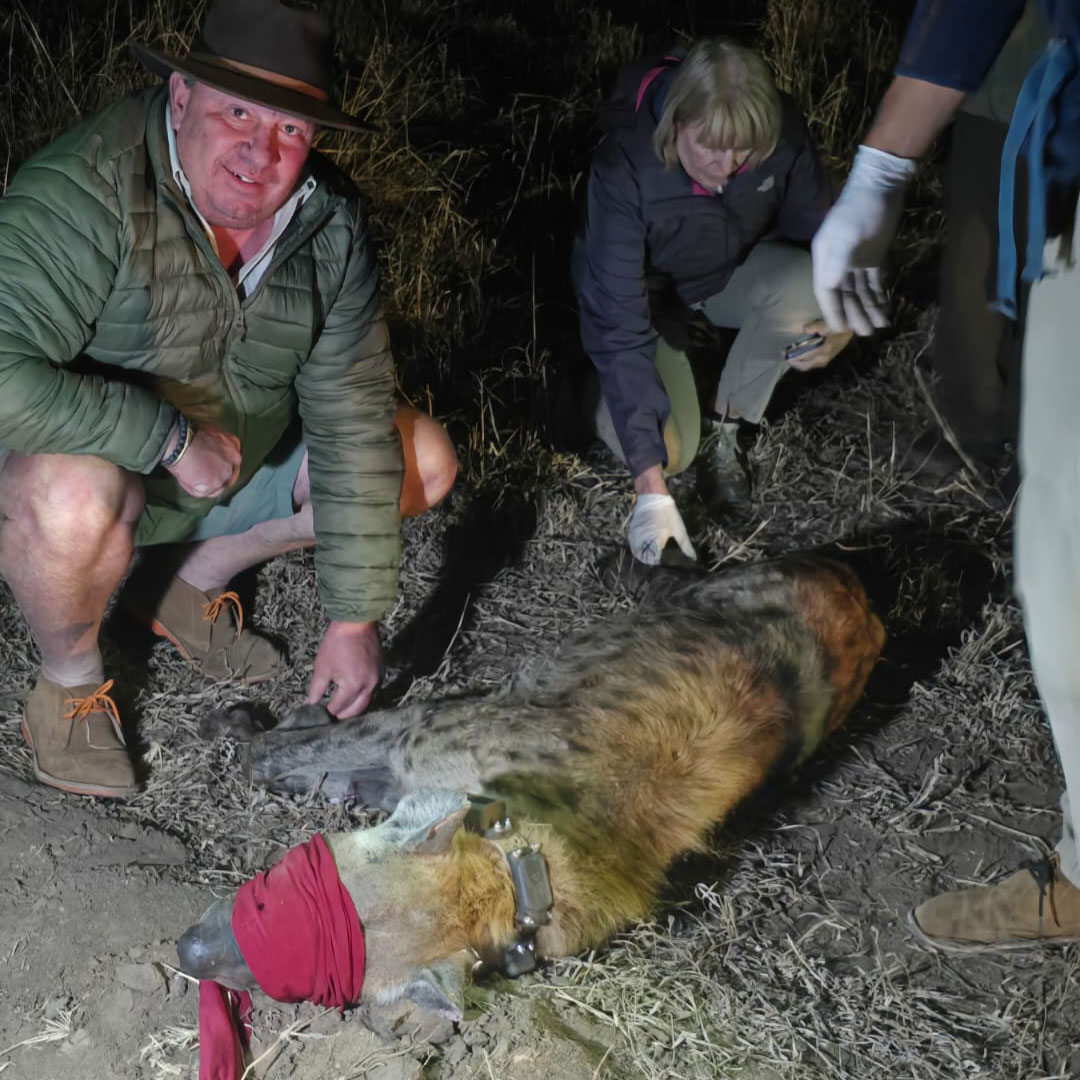
The Zambia Carnivore Programme (ZCP) conducts research and monitoring of large carnivores across Zambia’s protected areas, including spotted hyenas. Population estimates, movement data, and conflict mapping inform management decisions for park authorities and private concession operators.
The African Wildlife Foundation (AWF) is active across multiple Zambian landscapes, working on community-based conservation, human–wildlife conflict mitigation and land-use planning. Community-based natural resource management (CBNRM) programmes in several GMAs give communities a direct stake in wildlife conservation through tourism revenue sharing.
Why Zambia Is Worth Adding to a Conservation Itinerary
- Genuinely wild: South Luangwa and Kafue offer a rawness and remoteness increasingly difficult to find in more heavily visited destinations
- Fewer tourists: Even in peak season, visitor numbers are a fraction of those in the Kruger ecosystem or Masai Mara
- Important wildlife corridor: Zambia sits at the junction of the Southern African and East African wildlife systems; species including elephants, wild dogs and lions move through Zambia between ranges
- Authentic conservation encounter: The camps and guides operating in South Luangwa and Lower Zambezi are among the most knowledgeable on the continent
Ranger Buck’s Zambia Itineraries
Ranger Buck designs Zambia conservation itineraries centred on South Luangwa and Lower Zambezi. South Luangwa provides the multi-species predator experience: hyenas, lions, leopards and wild dogs in one ecosystem, with night drives and walking safaris led by experienced field guides.
Lower Zambezi adds the river dimension — canoe safaris, floodplain game drives and the chance to observe predator behaviour in a corridor that connects to Zimbabwe’s Mana Pools across the river. Both can be combined with Botswana or Zimbabwe for a multi-country conservation circuit tracing hyena range across one of Africa’s most important predator landscapes.
Hyena Conservation Library
Everything you need to understand hyenas — their biology, behaviour, threats, and the work being done to protect them.
- Hyena conservation efforts explained →
- How many hyenas are left in Africa? →
- Are hyenas endangered? →
- Why are hyenas important to the ecosystem? →
- Human–hyena conflict explained →
- Human–hyena conflict solutions →
- Spotted, striped and brown hyenas →
- Where to see hyenas in Africa →
- Is a hyena conservation experience ethical? →
- What do hyenas eat? →
- Why do hyenas laugh? →
- Are hyenas scavengers or hunters? →
- How strong is a hyena’s bite? →
- Hyena intelligence & behaviour →
- Hyena myths vs facts →
- Hyena social structure & clans →
- Are hyenas dangerous? →
- How hyenas are monitored →
- Hyena threats: poisoning & snaring →
- Hyenas vs lions →
- Hyena vs leopard →
- Hyena vs wild dog →
- Hyena reproduction & cubs →
- Hyena habitat & range →
- Hyenas in African culture & folklore →
- Hyena conservation organisations →
- Hyena Conservation South Africa →
- Hyena Conservation Botswana →
- Hyena Conservation Zambia →
- Hyena Conservation Experience →
get in touch with us
+27 83 653 5776
+27 83 653 5776 (WhatsApp)
info@rangerbucksafaris.com
16 Lourie Close, Meyersdal Eco Estate,
Alberton, Gauteng
16 Lourie Close, Meyersdal Eco Estate, Alberton, Gauteng

Website by Keeden Marketing | 2024
