
Plan a trip
Are Hyenas Dangerous to Humans?
Last updated: April 2026
It’s a fair question. Hyenas are large, powerful carnivores with the strongest bite of any land mammal relative to body size. They are also nocturnal, vocal, and frequently misunderstood.
The honest answer is nuanced — and more reassuring than the mythology suggests.
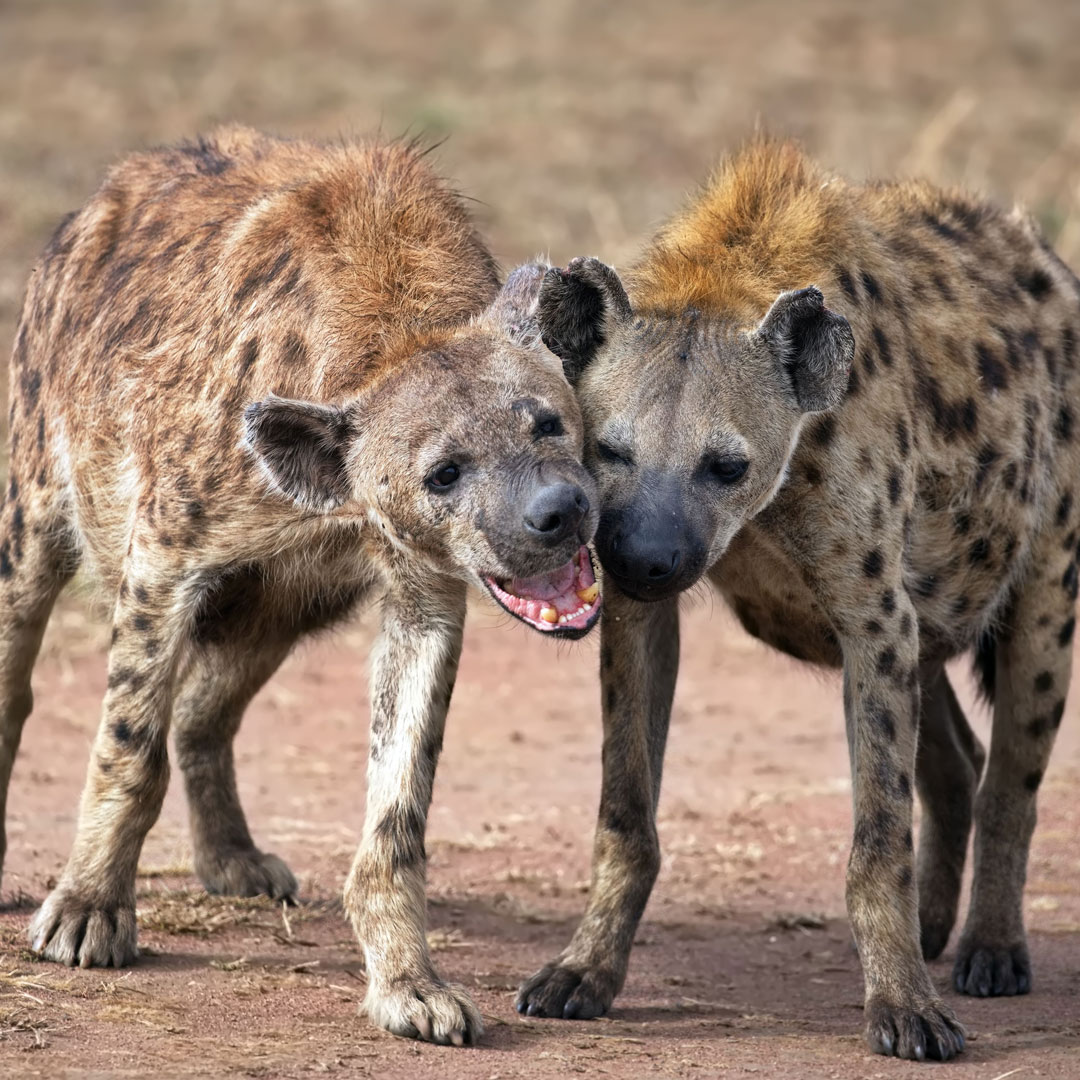
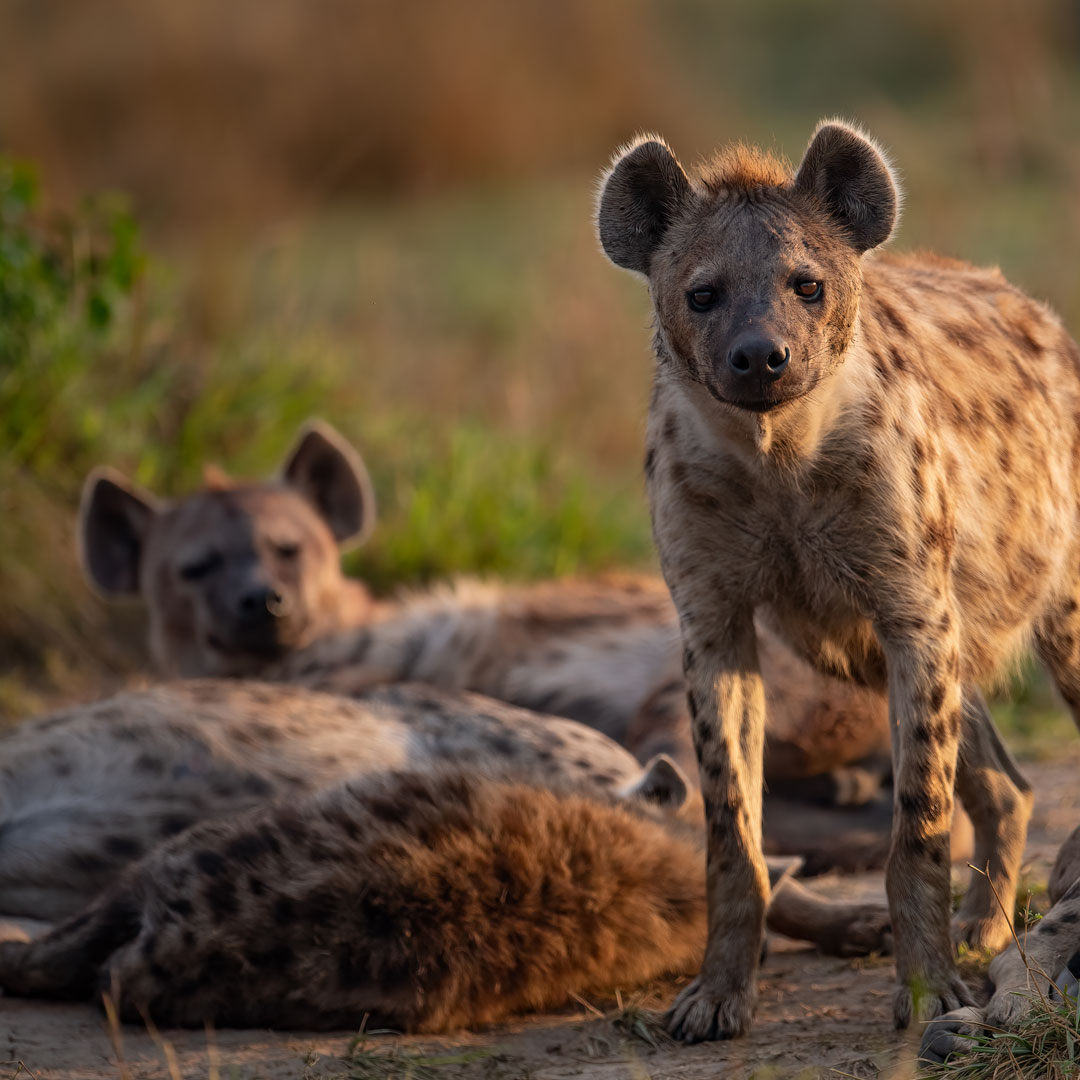
The Short Answer
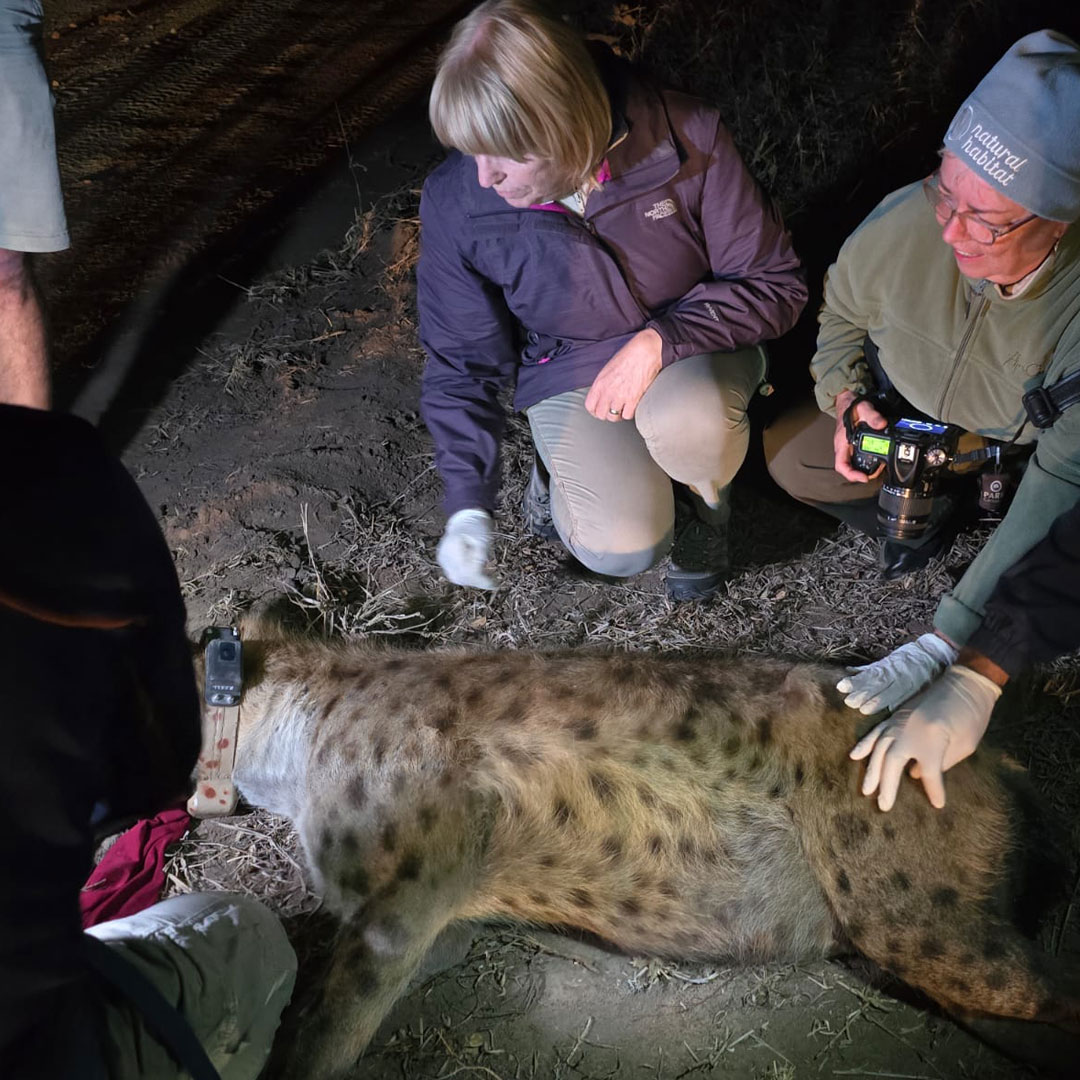
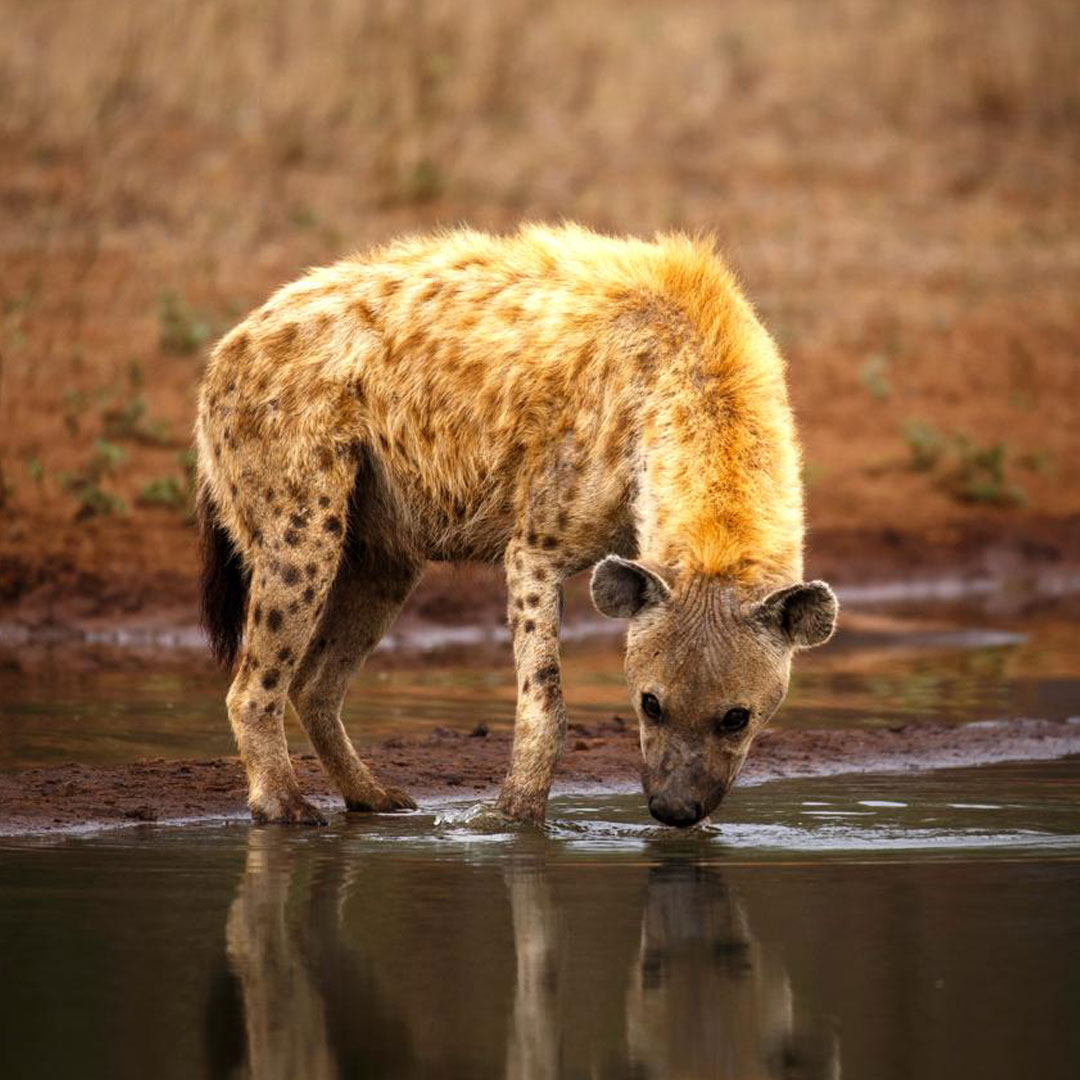
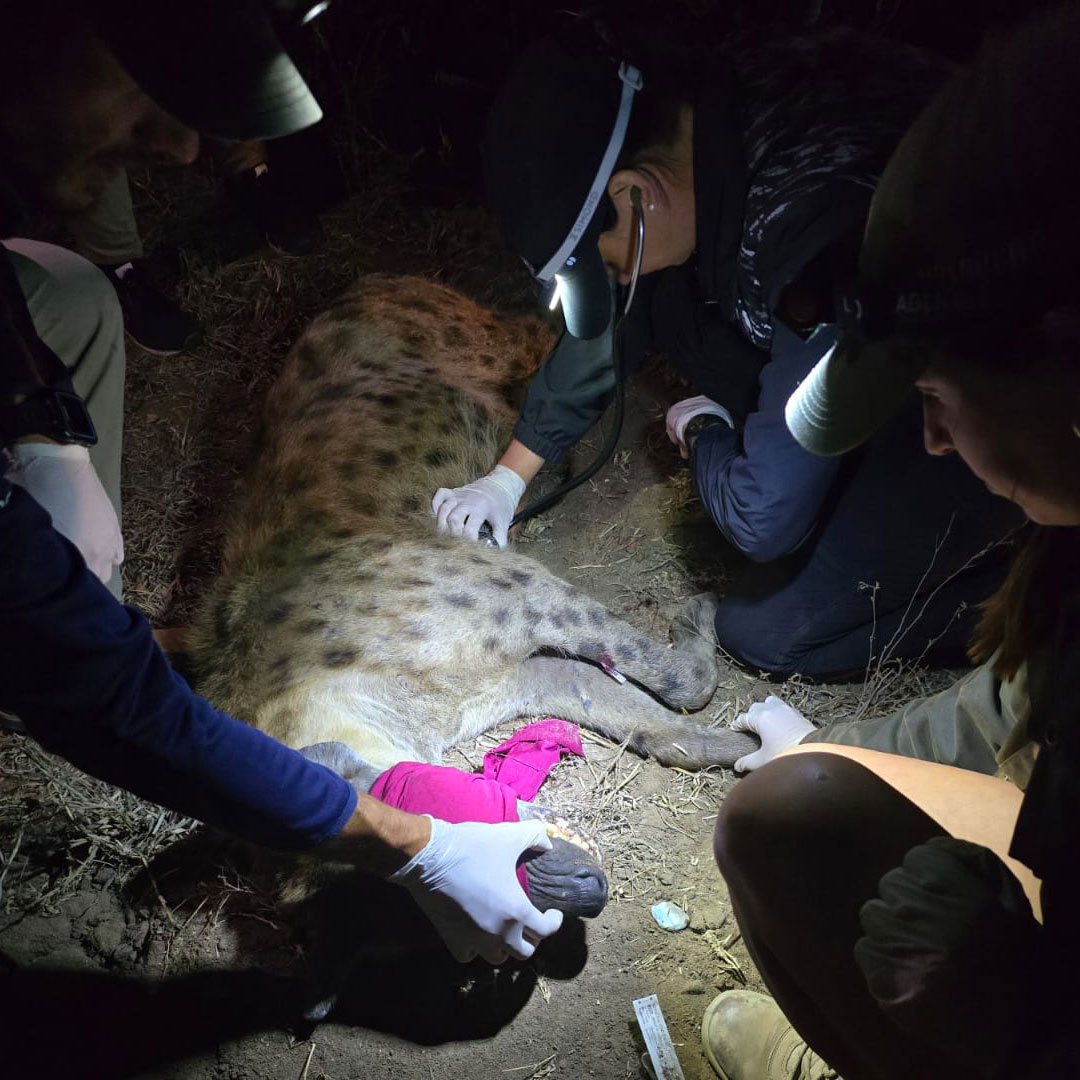
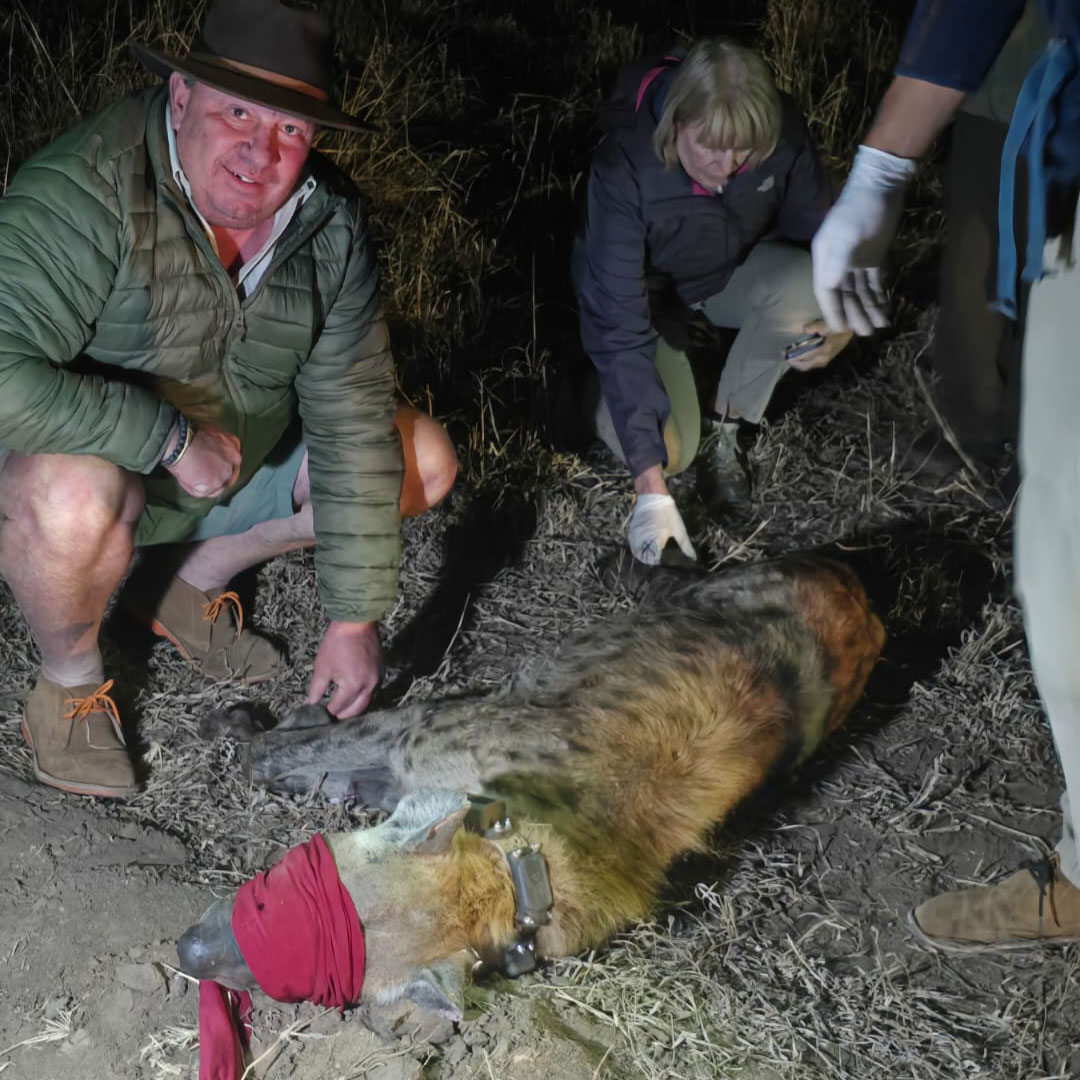
Wild, healthy spotted hyenas rarely attack adult humans. They are naturally cautious of people and typically give us a wide berth in the wild. On safari, in a vehicle, you are not at risk. Hyenas are curious animals — they will approach, investigate, and move on. Aggression toward safari vehicles is not typical hyena behaviour.
When Attacks Do Occur
Attacks on humans do happen, but the circumstances are consistent:
- Food-conditioned animals — hyenas that have learned to associate humans with food, usually near villages or waste disposal sites, lose their natural wariness
- Injured or sick hyenas — a compromised animal may attempt prey it would normally avoid
- Sleeping in the open in hyena territory — historically documented in parts of Ethiopia and Malawi, particularly in areas where striped hyenas scavenged close to settlements
- Very young children left unattended in areas of high hyena activity
The pattern is clear: attacks are not random. They occur when the normal boundaries between humans and hyenas break down.
Spotted Hyena vs Striped Hyena — Different Risk Profiles
The two most commonly encountered hyena species present different risk profiles, though both are low-risk in practice. Spotted hyenas are larger and physically more powerful, but attacks on healthy adult humans are rare and typically involve food-conditioned individuals near settlements.
Striped hyenas have a longer historical association with human settlements, particularly across North Africa, the Middle East, and South Asia. Historical records document striped hyenas scavenging near graves and taking infants from sleeping families in villages — incidents that drove intense persecution. These events are uncommon today but have shaped cultural attitudes for centuries.
Hyenas on Safari — What to Know
If you encounter hyenas at Ranger Buck Safaris, here is what to expect:
- In a vehicle, you are safe. Hyenas are accustomed to safari vehicles and treat them as part of the environment.
- On night drives, stay in the vehicle. Hyenas are most active after dark. Step out only when directed by your guide.
- Do not feed hyenas or leave food accessible. This is the fastest way to create food-conditioned behaviour.
- Hyenas approaching the vehicle is normal. They are curious. Let them investigate.
Your guide understands hyena behaviour and will read the situation accurately. Follow their lead.
Why Hyenas Get a Worse Reputation Than They Deserve
The fear of hyenas runs deep in many cultures. Hyenas are nocturnal, so most people encounter their sounds before they see the animals — the laugh, the whoop, the bone-cracking in the dark. Combined with their association with death and carrion, centuries of misrepresentation in folklore and popular media have created a species that is almost universally miscast.
The reality is an animal that is cautious around humans, highly intelligent, and far more interested in prey than in people.
Flipping the Frame — Who Is More Dangerous to Whom?
Here is the statistic worth sitting with: more than 80% of hyena mortality outside protected areas is caused by humans. Poisoning, snaring, shooting, trapping. Hyenas are killed across their range because they are feared, misunderstood, and blamed for livestock losses that often have other causes.
Hyenas are not a significant threat to human populations. Humans are an existential threat to hyenas. That is the more accurate framing. Conservation starts with getting the facts right.
Hyena Conservation Library
Everything you need to understand hyenas — their biology, behaviour, threats, and the work being done to protect them.
- Hyena conservation efforts explained →
- How many hyenas are left in Africa? →
- Are hyenas endangered? →
- Why are hyenas important to the ecosystem? →
- Human–hyena conflict explained →
- Human–hyena conflict solutions →
- Spotted, striped and brown hyenas →
- Where to see hyenas in Africa →
- Is a hyena conservation experience ethical? →
- What do hyenas eat? →
- Why do hyenas laugh? →
- Are hyenas scavengers or hunters? →
- How strong is a hyena’s bite? →
- Hyena intelligence & behaviour →
- Hyena myths vs facts →
- Hyena social structure & clans →
- Are hyenas dangerous? →
- How hyenas are monitored →
- Hyena threats: poisoning & snaring →
- Hyenas vs lions →
- Hyena reproduction & cubs →
- Hyena habitat & range →
- Hyenas in African culture & folklore →
- Hyena conservation organisations →
- Hyena Conservation Experience →
get in touch with us
+27 83 653 5776
+27 83 653 5776 (WhatsApp)
info@rangerbucksafaris.com
16 Lourie Close, Meyersdal Eco Estate,
Alberton, Gauteng
16 Lourie Close, Meyersdal Eco Estate, Alberton, Gauteng

Website by Keeden Marketing | 2024
