
Plan a trip
Hyenas vs Lions: Who Really Rules the Savanna?
Last updated: April 2026
Lions get the glory. Hyenas get the reputation. Neither tells the full story.
The rivalry between spotted hyenas and lions is one of Africa’s oldest and most misunderstood predator relationships — a contest not of dominance but of balance. On a Ranger Buck safari, you see this relationship for what it really is: dynamic, adaptive, and critical to the ecosystems both species share.
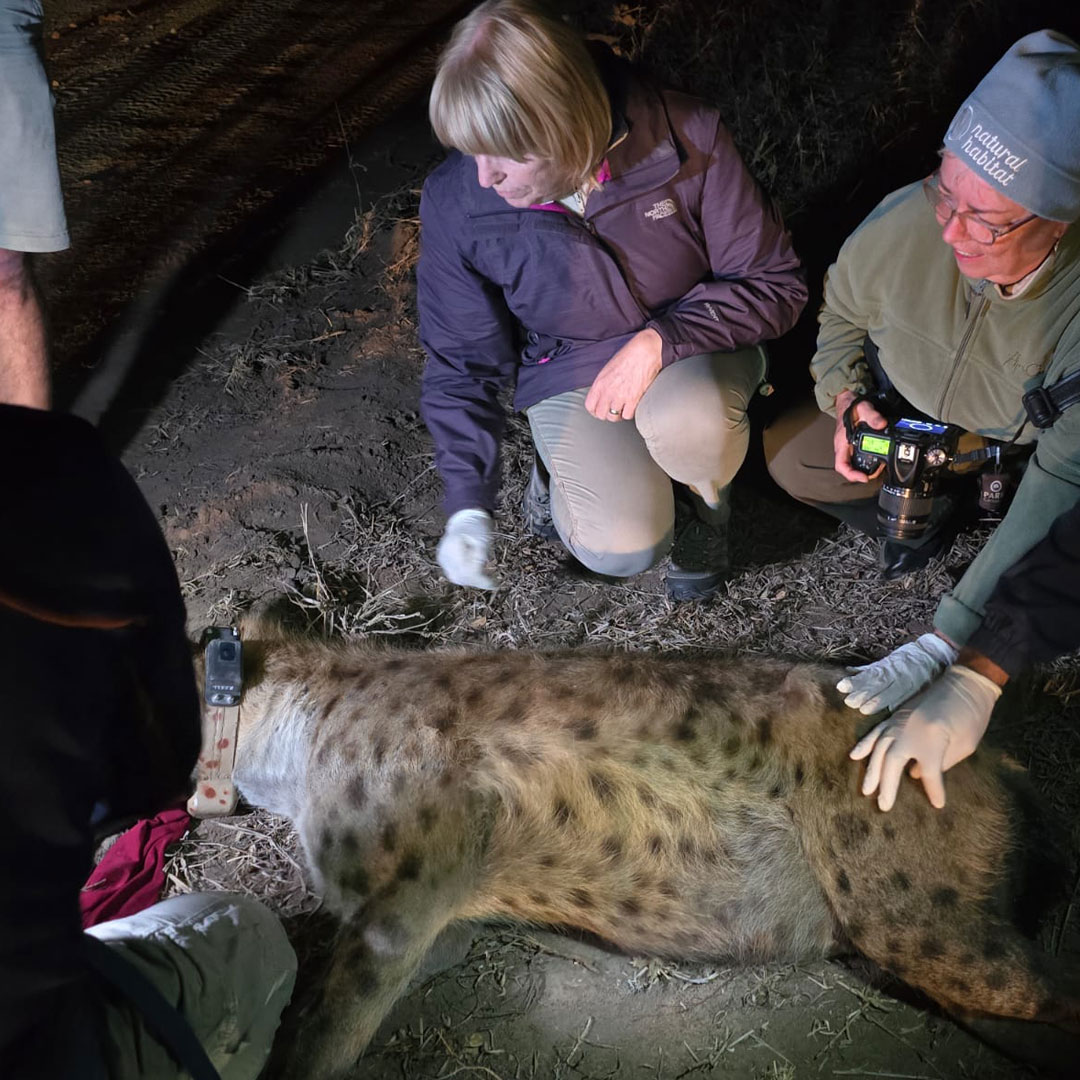
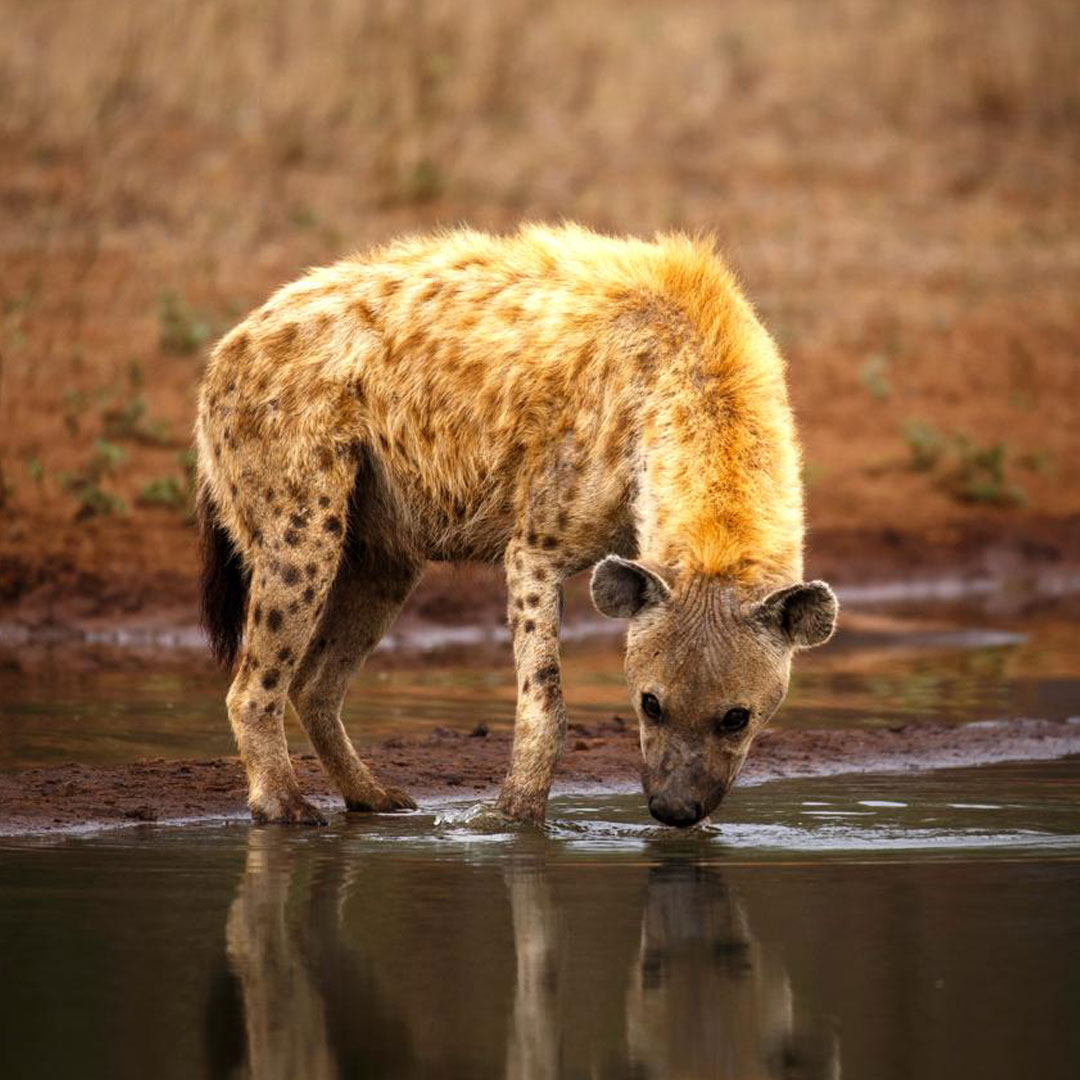
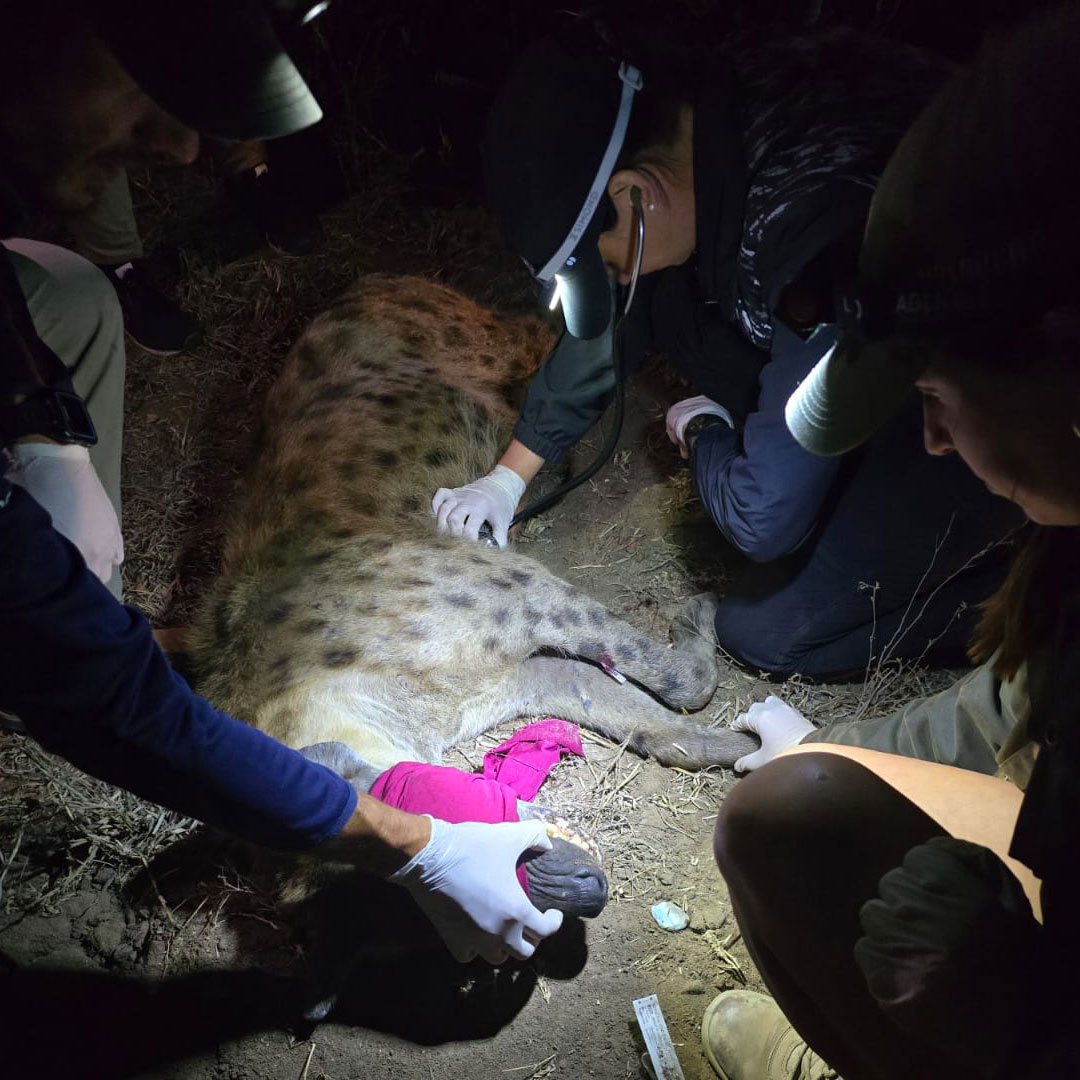
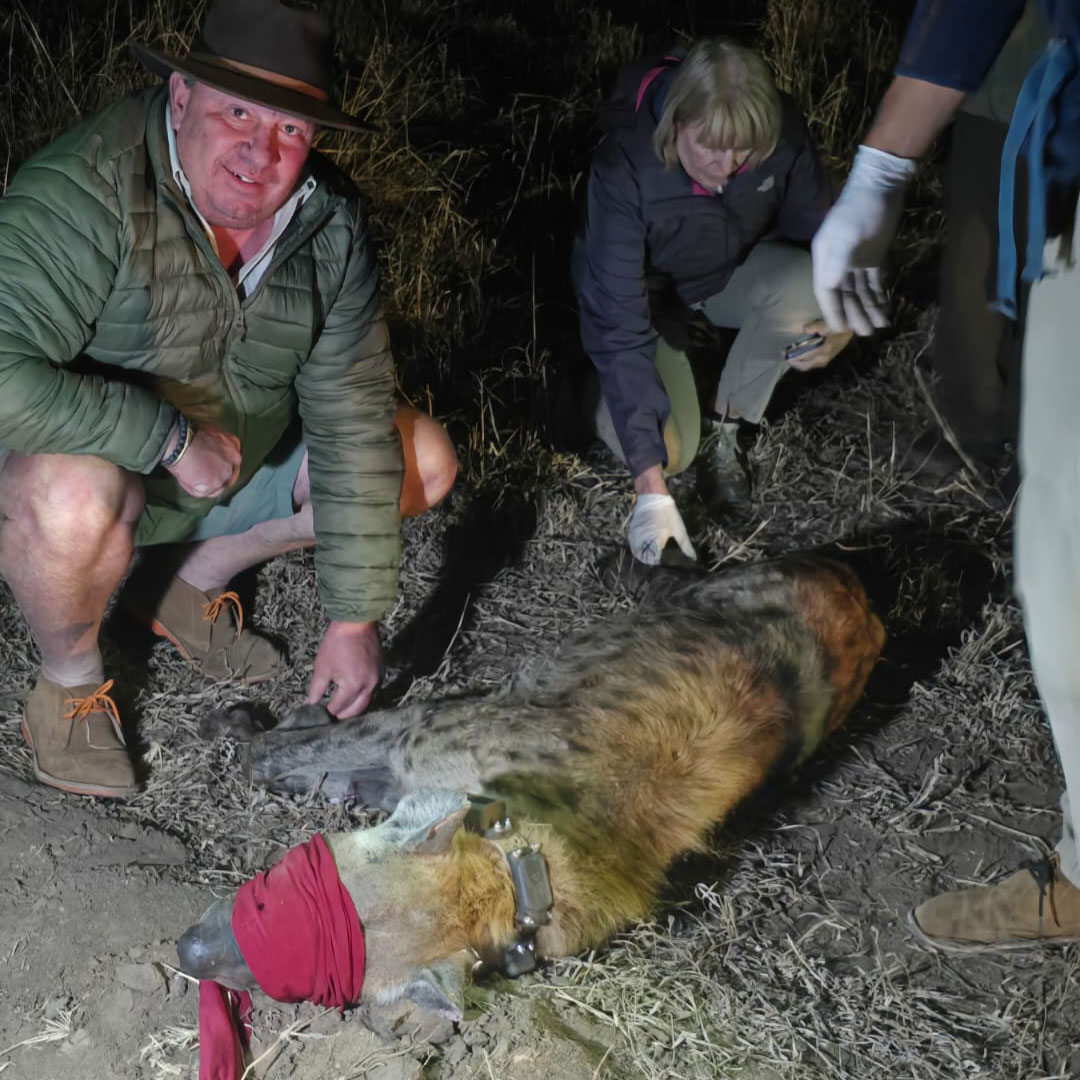
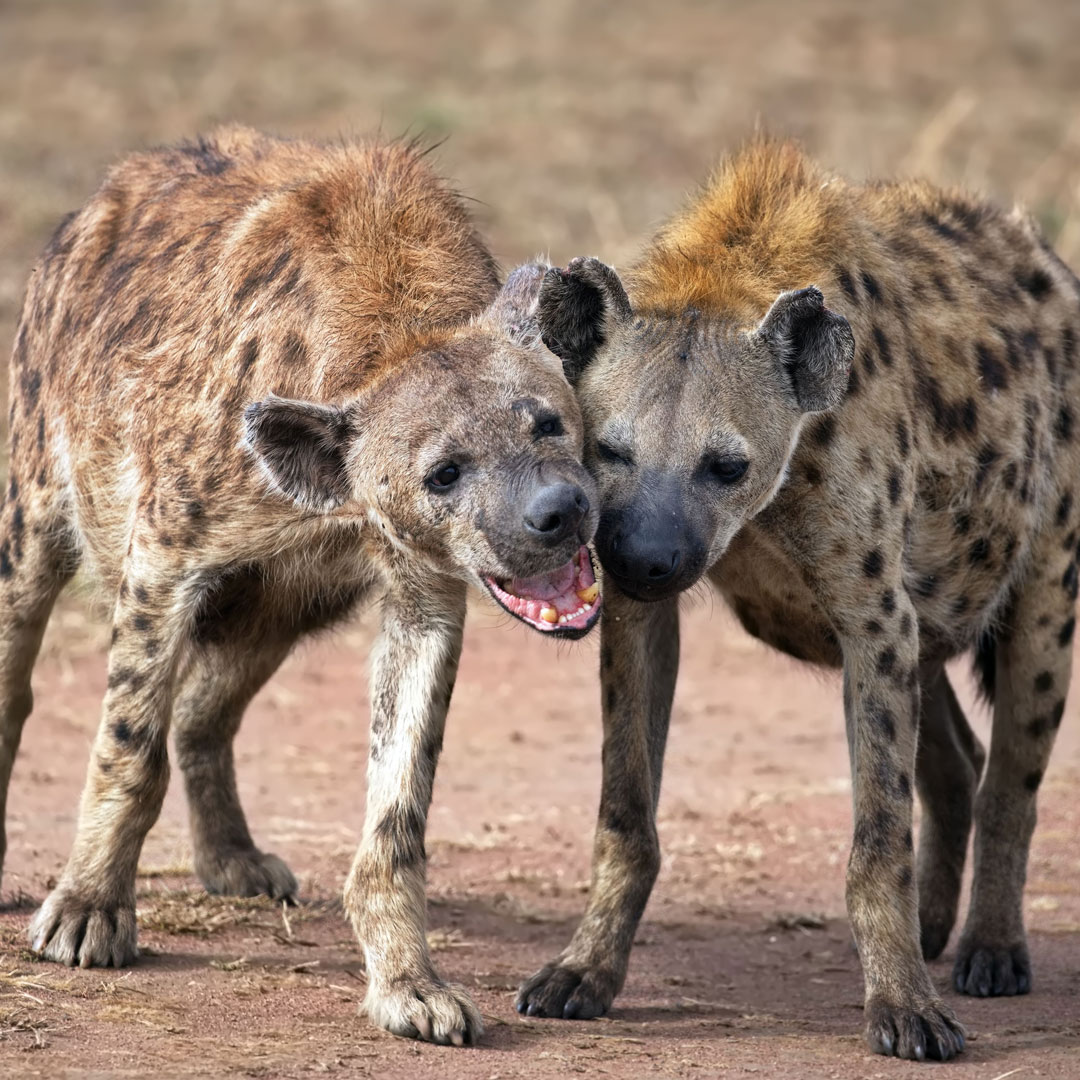
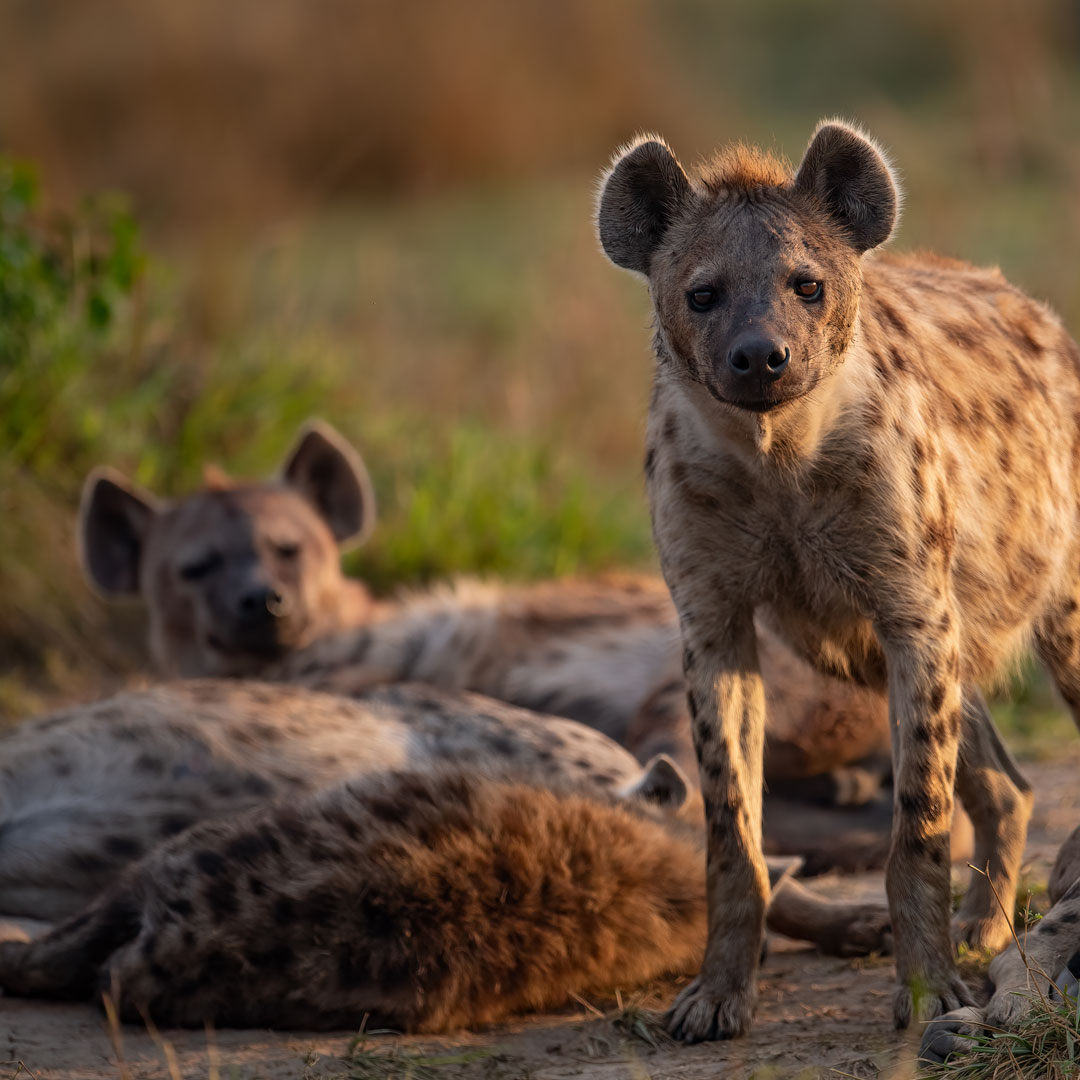
The Rivalry
No predator relationship in Africa is documented as extensively as the one between spotted hyenas and lions. They compete for the same prey, occupy the same territories, and share waterholes, carcasses, and landscapes across sub-Saharan Africa. For decades, this was framed as a simple hierarchy: lions at the top, hyenas as opportunists below. Field research has steadily dismantled that narrative. The reality is more nuanced — and more interesting.
Who Is Stronger?
Lions are larger. A male lion can weigh 190 kg; a spotted hyena averages 60–70 kg. In a one-on-one encounter, a lion wins. But hyenas rarely operate alone. Clans in the Serengeti and Kruger ecosystem can number 50 to 80 individuals. When clan size exceeds the lion coalition, hyenas routinely displace lions from kills and hold territory against them.
Studies in the Ngorongoro Crater found that clan size was the single biggest predictor of which species held a carcass. Larger clans pushed off smaller lion groups consistently. Strength is contextual. Group dynamics determine outcomes far more than body mass.
Who Is a Better Hunter?
This is where the narrative shifts most dramatically. Hans Kruuk’s landmark study of spotted hyenas in the Serengeti showed that spotted hyenas have a higher per-attempt hunt success rate than lions in many ecosystems. More striking: lions steal from hyenas more often than hyenas steal from lions. When researchers tracked carcass origin, lion kleptoparasitism of hyena kills was the more common dynamic — not the reverse.
The “laughing scavenger” is largely a myth built on incomplete observation. Hyenas hunt. They hunt well. And they often lose what they catch to lions.
Territory and Competition
Both species need large home ranges and access to prey. Where prey is abundant — as in Kruger’s private reserves or the Okavango Delta — both species coexist with relative stability. Where prey is scarce, the competition intensifies sharply. Hyenas and lions track each other’s movements, monitor kills, and respond to each other’s vocalisations across kilometres.
This is one reason why prey base conservation matters as much as predator conservation. A landscape that cannot support both species in healthy numbers will see elevated conflict and ecosystem function decline.
Cooperative Behaviour
Both species are highly cooperative within their own groups, but the strategies look very different. Lion prides use cooperative hunting with clear roles — typically females doing the bulk of the hunting, with males defending territory and protecting kills. Hyena clans are structured around a strict female dominance hierarchy, with rapid assembly responses to recruitment calls and coordinated pursuit of large prey.
Both systems are sophisticated. Both evolved in response to the same ecological pressures. Dismissing one as primitive or inferior misses the point entirely.
What This Means for Conservation
When lion populations decline, spotted hyena populations often increase — and vice versa. The two species exist in a dynamic predator guild where both are necessary. Remove lions and hyenas may over-expand, driving changes to prey selection and landscape use. Remove hyenas and you lose one of the most effective scavengers on the continent, disrupting disease control and nutrient cycling.
Conservation plans that protect one without the other are incomplete. Ranger Buck’s conservation itineraries support predator guild monitoring that covers both species.
Where to See Both on a Ranger Buck Safari
The greater Kruger ecosystem — including Sabi Sands, Timbavati and Klaserie — offers some of the continent’s best hyena and lion sightings, often on the same game drive. The Kgalagadi Transfrontier Park gives you open landscapes where both species are highly visible. Hwange National Park in Zimbabwe supports large lion prides and strong hyena clans in a landscape that still feels genuinely remote.
All three destinations are part of Ranger Buck’s conservation safari network. We work with field guides who understand predator ecology, not just sighting checklists.
Hyena Conservation Library
Everything you need to understand hyenas — their biology, behaviour, threats, and the work being done to protect them.
- Hyena conservation efforts explained →
- How many hyenas are left in Africa? →
- Are hyenas endangered? →
- Why are hyenas important to the ecosystem? →
- Human–hyena conflict explained →
- Human–hyena conflict solutions →
- Spotted, striped and brown hyenas →
- Where to see hyenas in Africa →
- Is a hyena conservation experience ethical? →
- What do hyenas eat? →
- Why do hyenas laugh? →
- Are hyenas scavengers or hunters? →
- How strong is a hyena’s bite? →
- Hyena intelligence & behaviour →
- Hyena myths vs facts →
- Hyena social structure & clans →
- Are hyenas dangerous? →
- How hyenas are monitored →
- Hyena threats: poisoning & snaring →
- Hyenas vs lions →
- Hyena vs leopard →
- Hyena vs wild dog →
- Hyena reproduction & cubs →
- Hyena habitat & range →
- Hyenas in African culture & folklore →
- Hyena conservation organisations →
- Hyena Conservation South Africa →
- Hyena Conservation Botswana →
- Hyena Conservation Zambia →
- Hyena Conservation Experience →
get in touch with us
+27 83 653 5776
+27 83 653 5776 (WhatsApp)
info@rangerbucksafaris.com
16 Lourie Close, Meyersdal Eco Estate,
Alberton, Gauteng
16 Lourie Close, Meyersdal Eco Estate, Alberton, Gauteng

Website by Keeden Marketing | 2024
