
Plan a trip
Hyena Conservation Safari: A Guide for European Travellers
Last updated: April 2026
European travellers — particularly from Germany, the Netherlands, France, Switzerland, and Scandinavia — represent one of the most conservation-conscious safari markets in the world. Environmental awareness runs deep, research before booking runs long, and the appetite for experiences that connect tourism revenue directly to conservation outcomes is higher here than almost anywhere.
Southern Africa’s hyena conservation opportunities are built for this market. Here is everything you need to plan your trip from Europe.
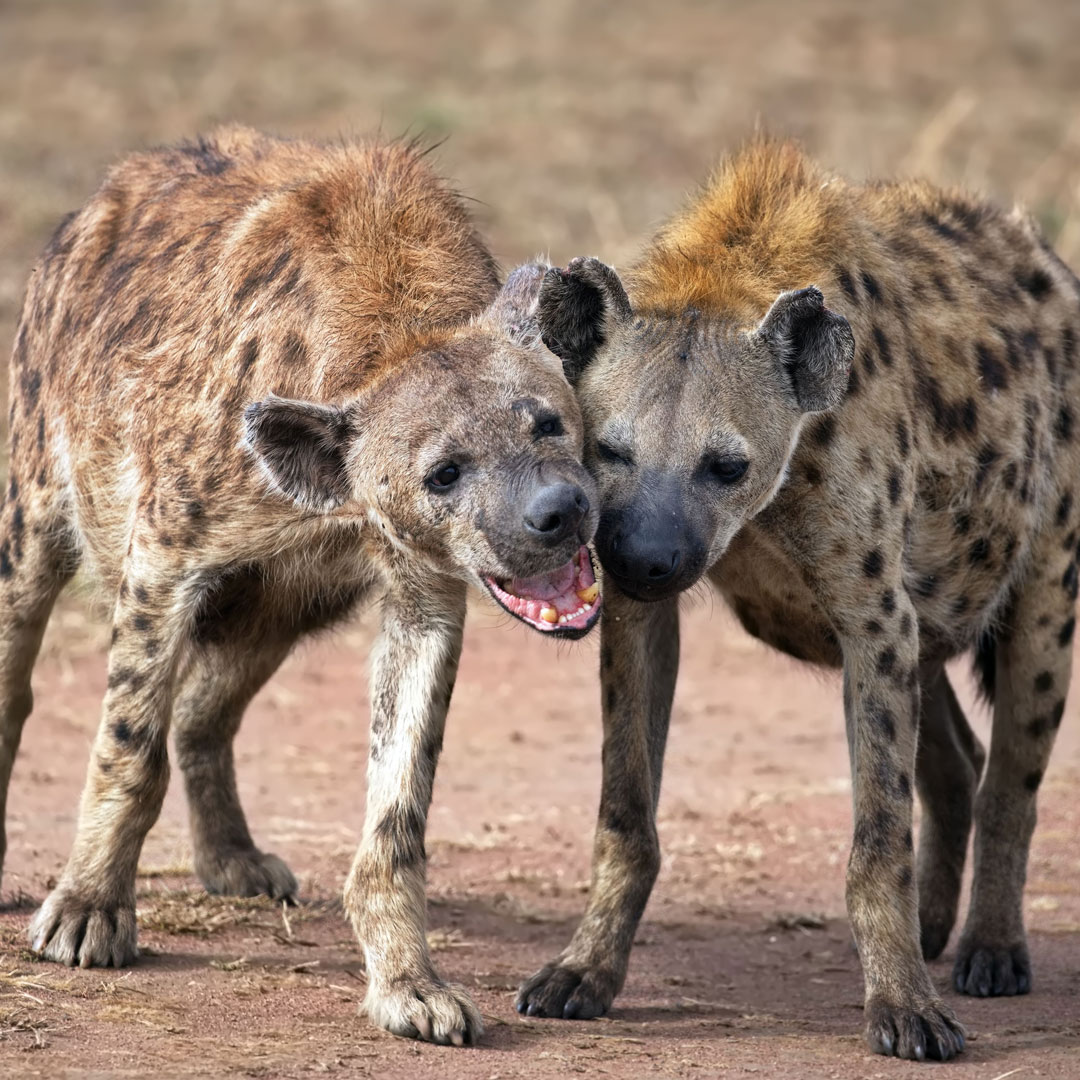
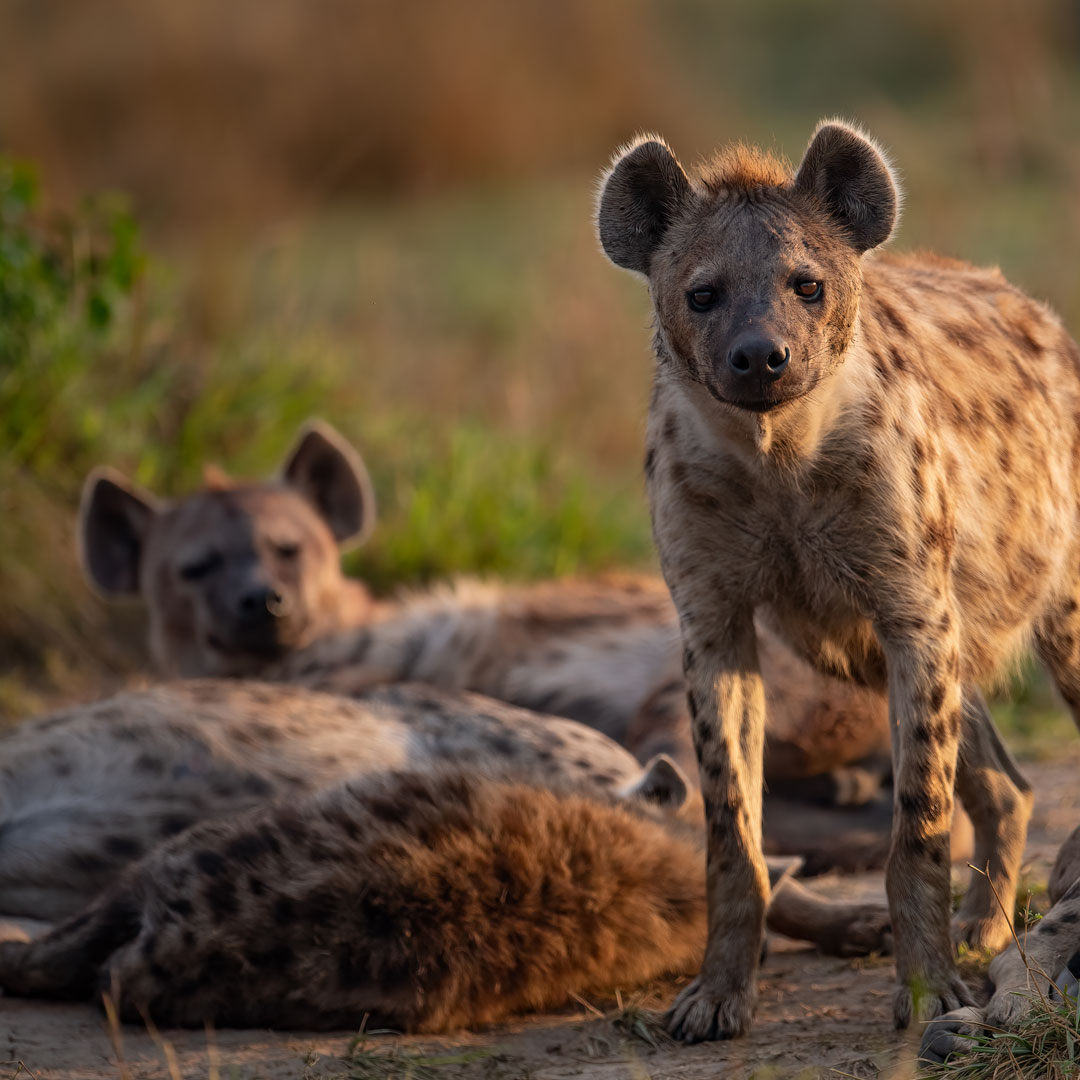
Why European Travellers Are Choosing Conservation Safaris
The European market for African safari travel is driven by a combination of long-standing colonial-era wildlife nostalgia, a strong tradition of nature conservation (particularly in Germany, the Netherlands, and Scandinavia), and an increasingly sophisticated demand for travel that is accountable to its stated environmental values.
German travellers specifically bring an environmental awareness shaped by decades of Naturschutz culture, strict domestic environmental policy, and some of the most informed wildlife documentary consumption in Europe. Dutch, Swiss, and Scandinavian travellers share a broadly similar profile: well-researched, conservation-conscious, and prepared to spend premium for an experience that can demonstrate genuine impact. Hyena conservation — a misunderstood species, a measurable conservation challenge, hands-on fieldwork access — matches this demand precisely.
Getting to Southern Africa from Europe
Europe has outstanding direct access to Southern Africa’s main gateway, O.R. Tambo International Airport, Johannesburg (JNB):
- Frankfurt (FRA) — Lufthansa daily direct; approximately 10 hours
- Amsterdam (AMS) — KLM daily direct; approximately 11 hours
- Paris (CDG) — Air France direct; approximately 11 hours
- Zurich (ZRH) — SWISS direct; approximately 11 hours
- Vienna (VIE) — Austrian Airlines direct; approximately 10.5 hours
- Brussels (BRU) — Brussels Airlines direct; approximately 10.5 hours
- Copenhagen, Oslo, Stockholm — connect via above hubs; total journey approximately 12–14 hours
EU passport holders and citizens of most European nations do not require a visa for South Africa (up to 30 days), Botswana (90 days), or Zambia. A valid passport with at least 30 days’ validity beyond your return date is required for South Africa. No mandatory vaccinations are required for South Africa. Malaria prophylaxis is recommended for parts of the itinerary — consult your GP or travel health clinic.
Best Time to Visit from a European Perspective
The Southern African dry season — May through October — is the optimal window for wildlife and hyena conservation fieldwork. For European travellers, this sits within European summer holiday season, making June through September the most popular booking window.
German school holiday schedules vary by Bundesland, but the summer holiday window (typically mid-July through early September) aligns well with peak Southern Africa conditions. Dutch, Swiss, and Scandinavian summer holidays follow a broadly similar pattern. For travellers with school-age children, late July through August is the most natural fit. For independent travellers, June and early September offer the same quality of conditions with fewer visitors and marginally better pricing.
European travellers typically book 6–12 months in advance for peak-season dates, particularly for the top private reserves in the Greater Kruger ecosystem and Botswana camps that operate on limited capacity models.
What Your Hyena Conservation Experience Involves
Ranger Buck Safaris builds itineraries around genuine field schedules rather than performance-based programmes. Conservation tourism that can not explain specifically what its fieldwork does is not conservation tourism. Our approach is transparent about what is scheduled, what guests do in the field, and where the revenue flows.
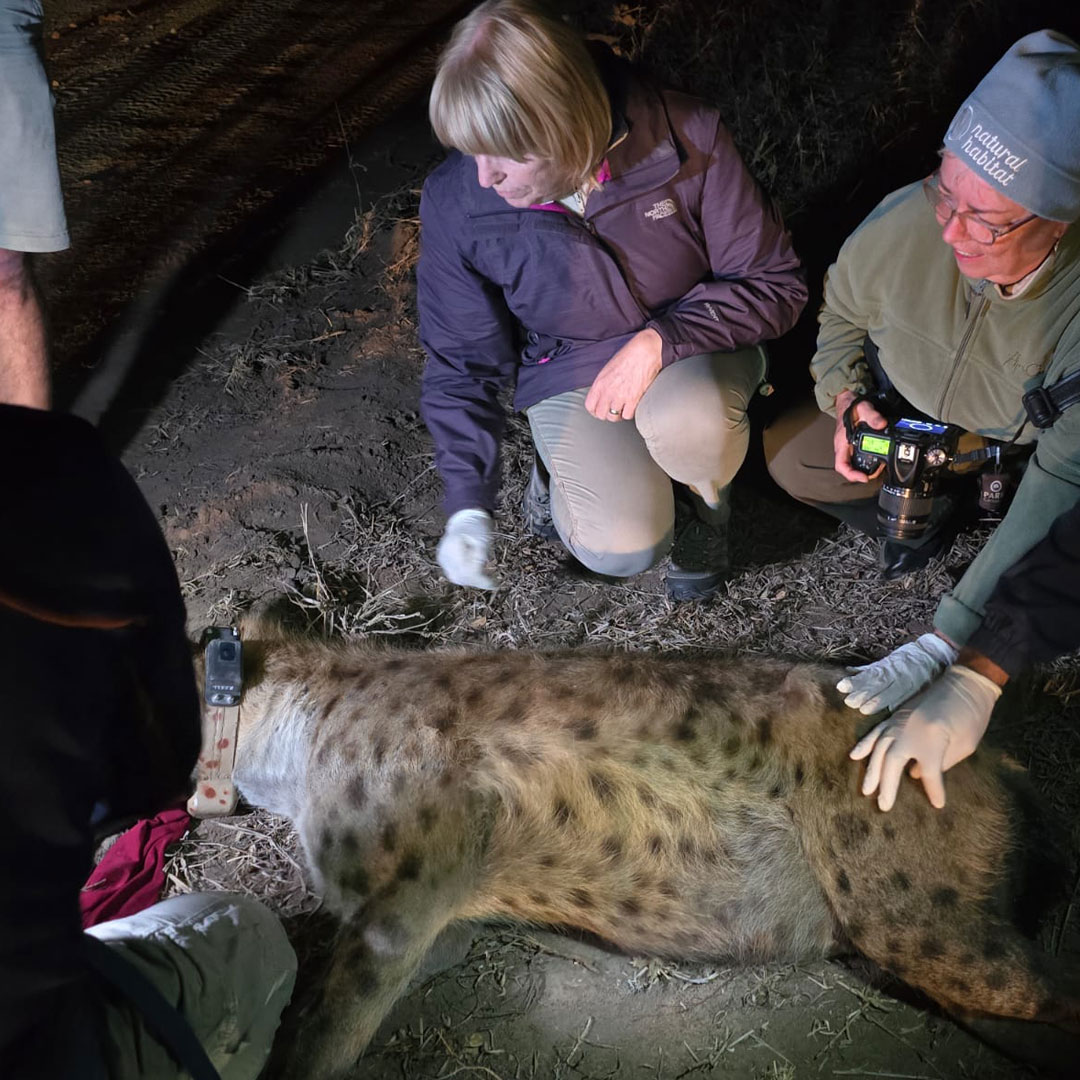
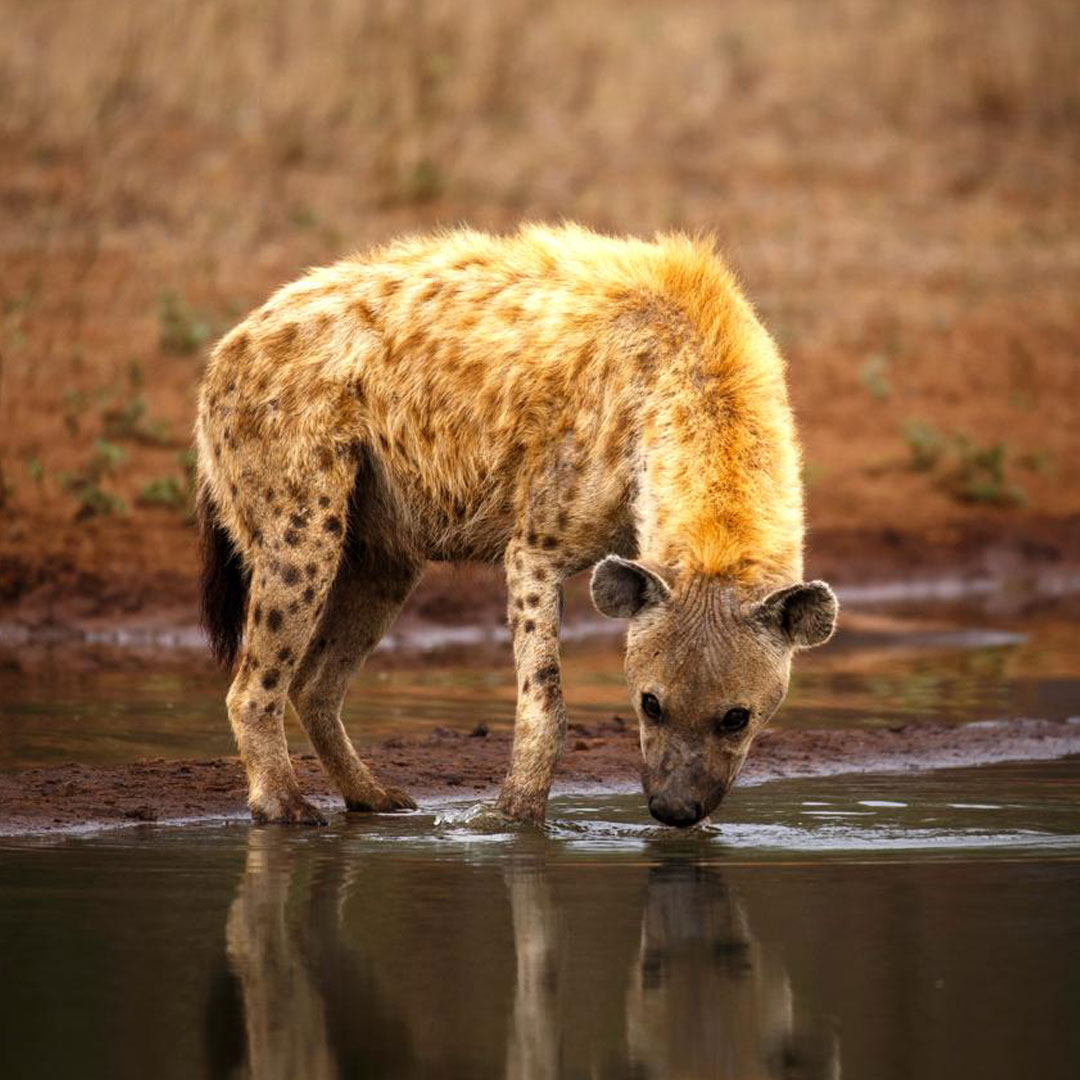
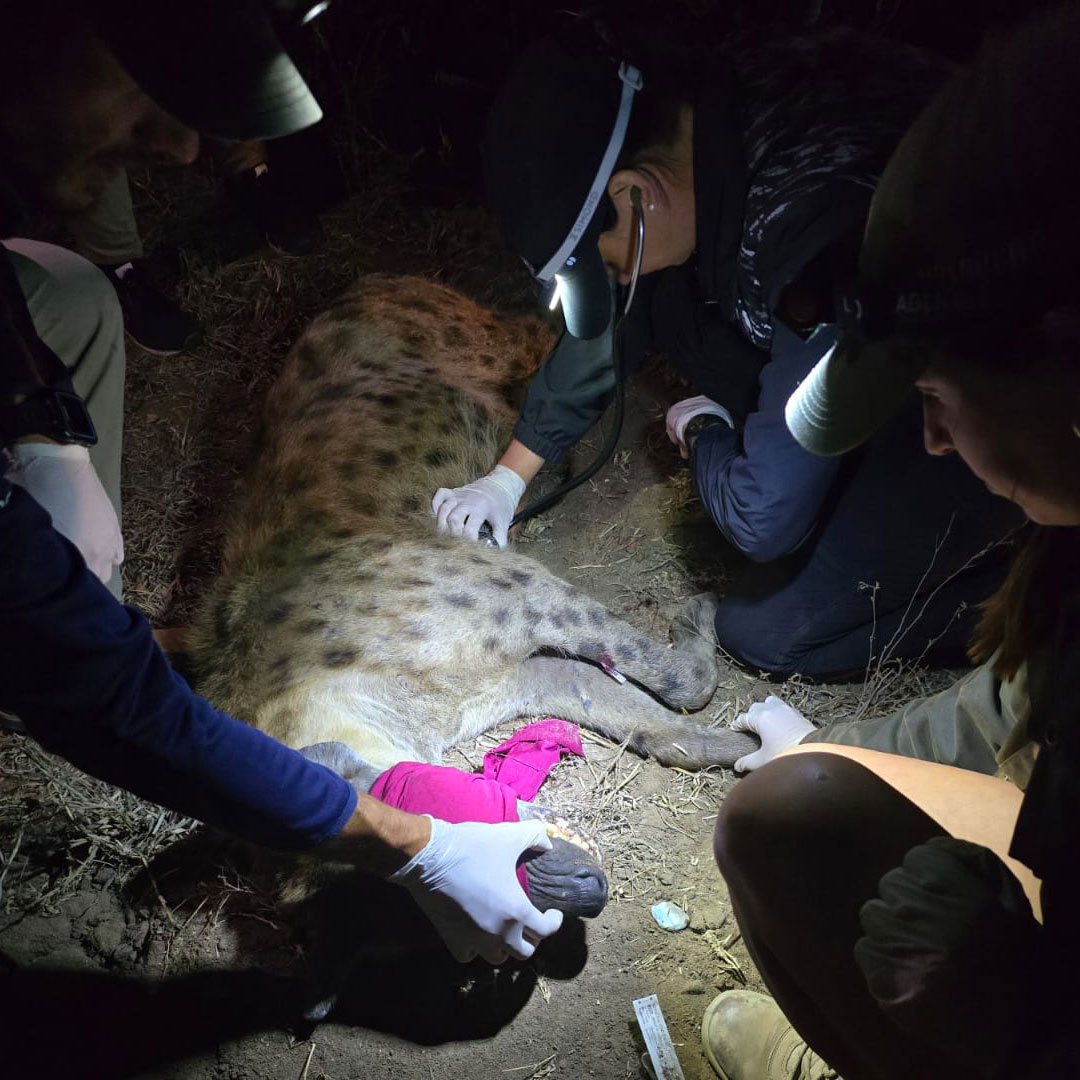
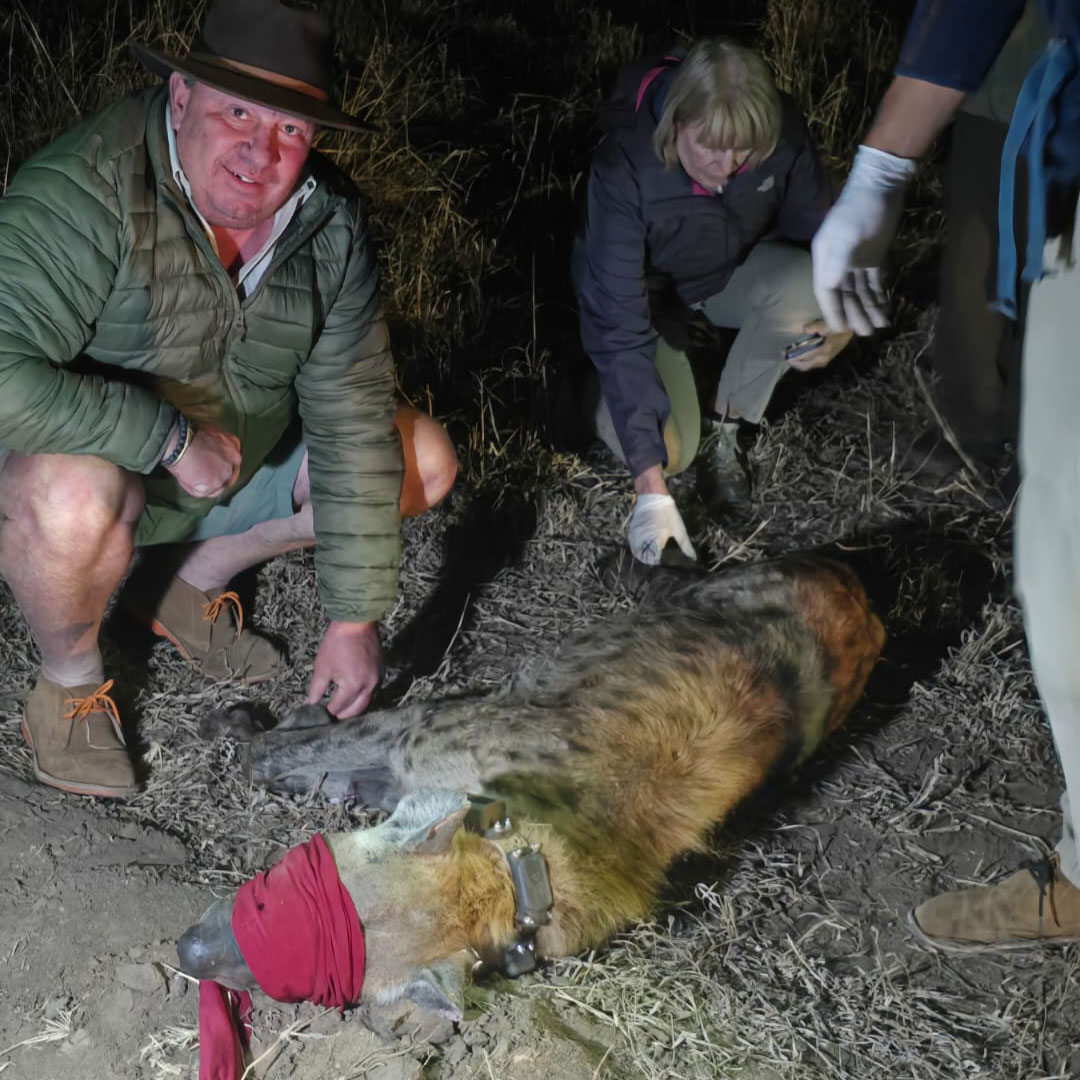
On a hyena conservation safari from Europe, a typical day includes early morning game drives with conservation field staff tracking hyena clan activity and den sites, camera trap data collection or GPS collar monitoring sessions, afternoon field briefings on population data and management decisions, evening game drives, and night drives when hyenas are most active. This is integrated into a luxury itinerary — premium lodge accommodation, expert guiding, all-inclusive service — not a volunteer camp. European travellers making a long-haul investment deserve both the conservation substance and the comfort standard.
What It Costs — EUR Context
Southern African private reserve pricing is typically quoted in USD. For European travellers planning in euros:
- Greater Kruger private reserves (Sabi Sands, Timbavati, Klaserie): approximately €560–€1,400 per person per night all-inclusive
- Botswana private camps (Okavango, Chobe): approximately €740–€1,850 per person per night all-inclusive
- Zambia bush camps (South Luangwa): approximately €460–€1,100 per person per night all-inclusive
A 12–14 night Southern Africa conservation itinerary covering two destinations runs between €7,500 and €18,000 per person, including internal charter flights between reserves. Return flights from Frankfurt, Amsterdam or Paris to Johannesburg add approximately €700–€1,600 per person depending on airline, booking lead time, and travel class. European travellers benefit from strong direct connections with competitive pricing on the Frankfurt–Johannesburg and Amsterdam–Johannesburg routes.
Building Your Itinerary from Europe
The most effective Southern Africa itineraries for European travellers combine two to three destinations. Our recommended structures for a hyena-focused trip:
10–12 nights — South Africa focus: Johannesburg arrival + 4 nights Sabi Sands or Timbavati (spotted hyena, Big Five, night drives standard) + 3 nights Kgalagadi Transfrontier Park (brown hyena specialty, open Kalahari landscape that appeals strongly to European landscape photography travellers) + 1 night Johannesburg departure. No additional international connections required.
14 nights — Southern Africa circuit: Johannesburg arrival + 4 nights Greater Kruger private reserve + 4 nights Botswana (Okavango or Chobe, low-volume high-impact camps well-suited to European conservation values) + 3 nights Zambia South Luangwa + Victoria Falls. The most comprehensive hyena range itinerary, covering spotted and brown hyena populations across three countries.
Ranger Buck Safaris communicates fluently with European clients and works directly with German, Dutch, French and Swiss travel agencies. We are transparent about conservation affiliations, fieldwork protocols, and revenue flows — standards that European travellers rightly expect and that not every operator can meet. Enquire via our contact form and receive a fully costed itinerary within 48 hours.
Hyena Conservation Library
Everything you need to understand hyenas — their biology, behaviour, threats, and the work being done to protect them.
- Hyena conservation efforts explained →
- How many hyenas are left in Africa? →
- Are hyenas endangered? →
- Why are hyenas important to the ecosystem? →
- Human–hyena conflict explained →
- Human–hyena conflict solutions →
- Spotted, striped and brown hyenas →
- Where to see hyenas in Africa →
- Is a hyena conservation experience ethical? →
- What do hyenas eat? →
- Why do hyenas laugh? →
- Are hyenas scavengers or hunters? →
- How strong is a hyena’s bite? →
- Hyena intelligence & behaviour →
- Hyena myths vs facts →
- Hyena social structure & clans →
- Are hyenas dangerous? →
- How hyenas are monitored →
- Hyena threats: poisoning & snaring →
- Hyenas vs lions →
- Hyena vs leopard →
- Hyena vs wild dog →
- Hyena reproduction & cubs →
- Hyena habitat & range →
- Hyenas in African culture & folklore →
- Hyena conservation organisations →
- Hyena Conservation South Africa →
- Hyena Conservation Botswana →
- Hyena Conservation Zambia →
- Hyena Conservation Experience →
get in touch with us
+27 83 653 5776
+27 83 653 5776 (WhatsApp)
info@rangerbucksafaris.com
16 Lourie Close, Meyersdal Eco Estate,
Alberton, Gauteng
16 Lourie Close, Meyersdal Eco Estate, Alberton, Gauteng

Website by Keeden Marketing | 2024
