
Plan a trip
Elephant Conservation Safari: A Guide for UAE Travellers
Last updated: August 2026
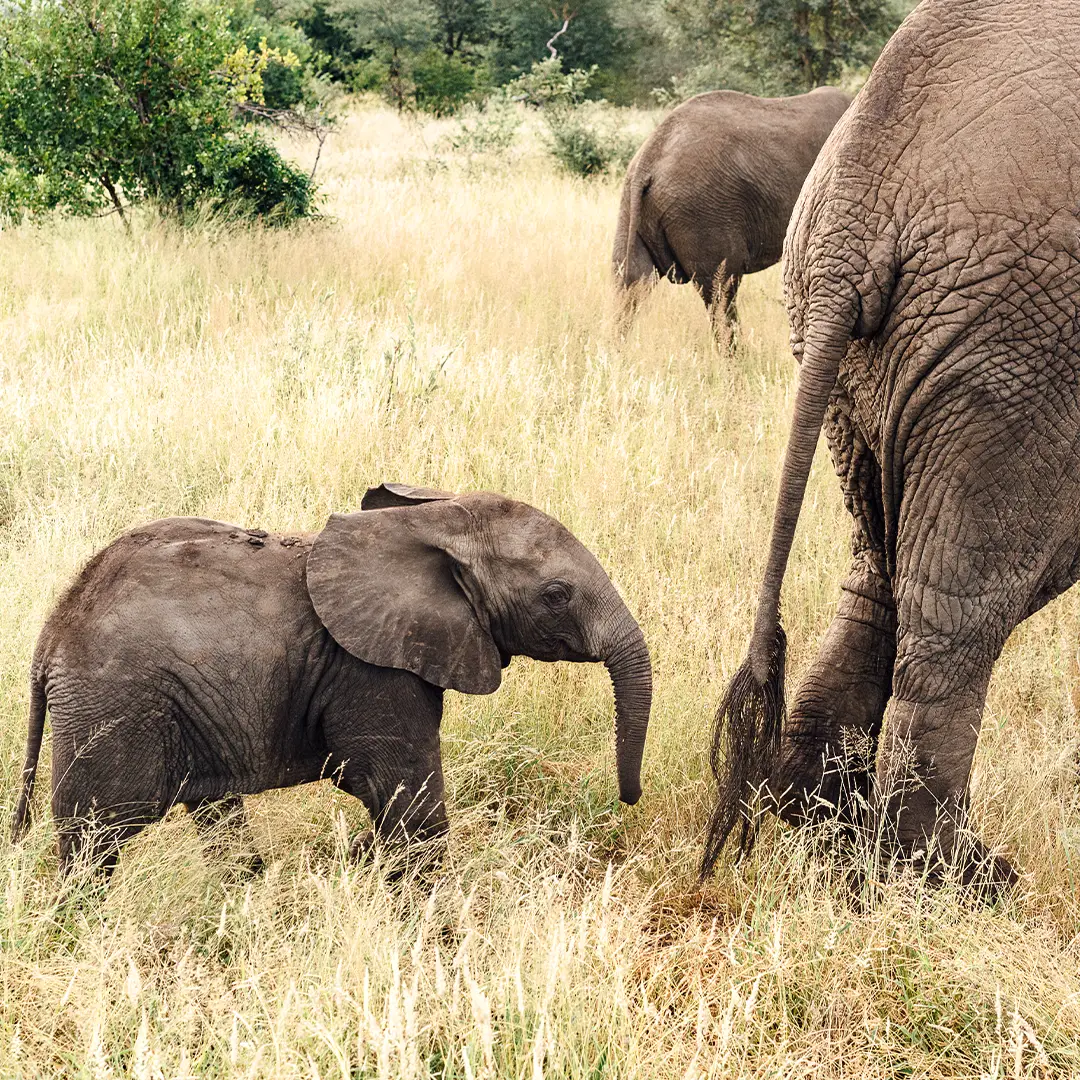
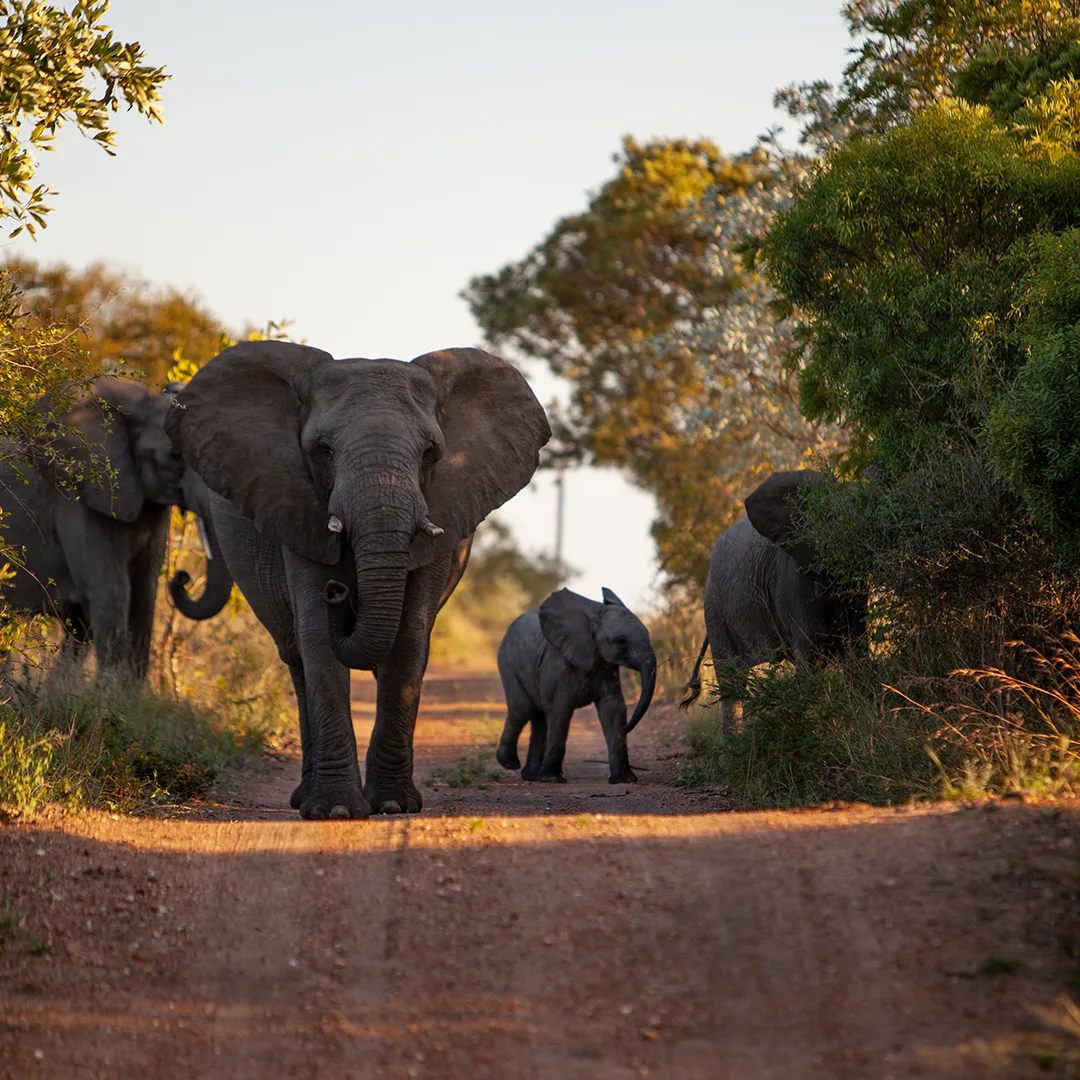
Africa’s elephants are now assessed as two distinct species: the African savanna elephant is listed as Endangered, while the African forest elephant is Critically Endangered. Their conservation challenges include habitat loss and fragmentation, human–elephant conflict, illegal killing and the need to keep large landscapes connected.
Ranger Buck Safaris gives travellers from Dubai, Abu Dhabi and across the United Arab Emirates access to carefully managed conservation experiences in Southern Africa. This guide explains how to plan an ethical elephant conservation safari from the UAE and how it can fit into a wider African safari package from the UAE.
Why UAE Travellers Are Choosing Elephant Conservation Safaris
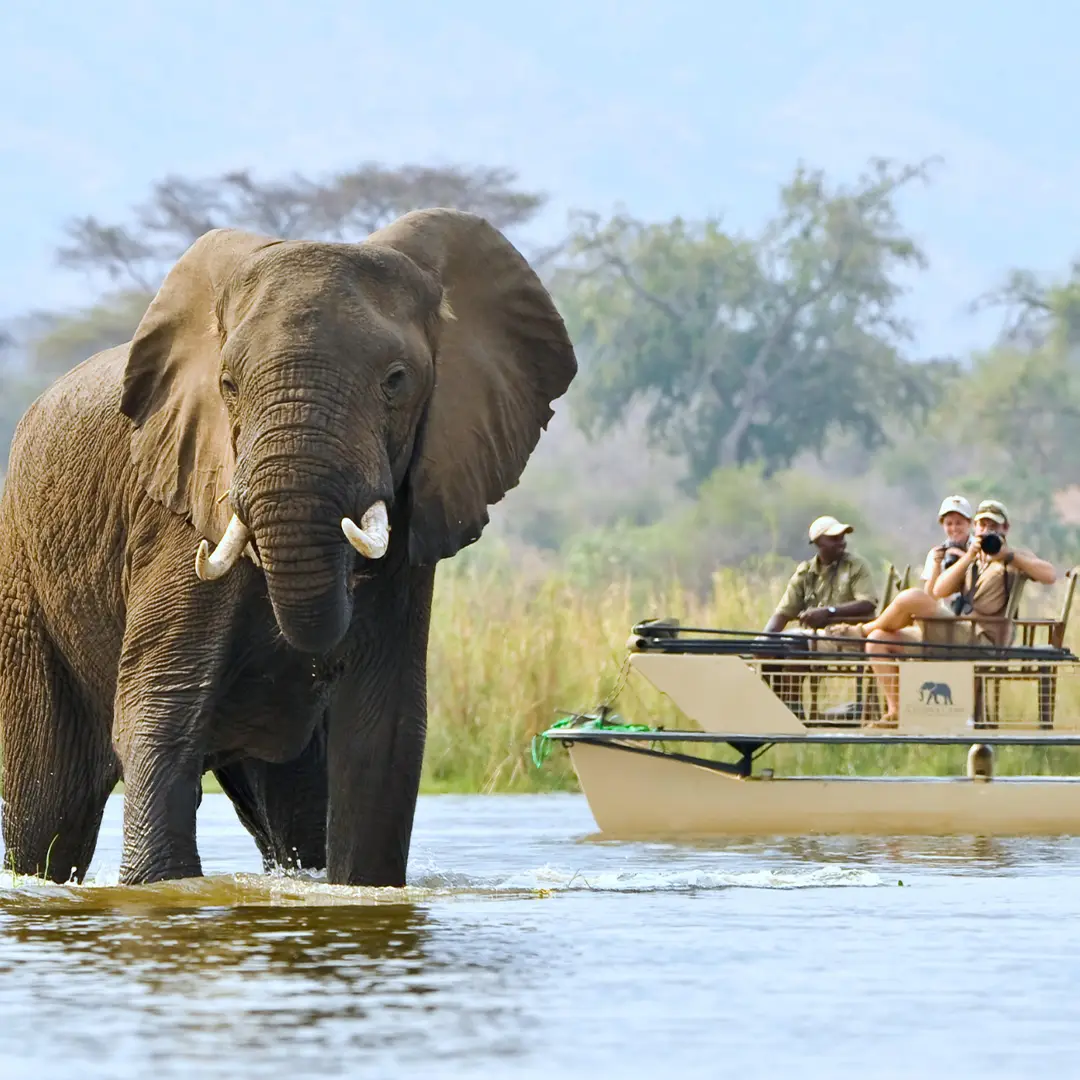
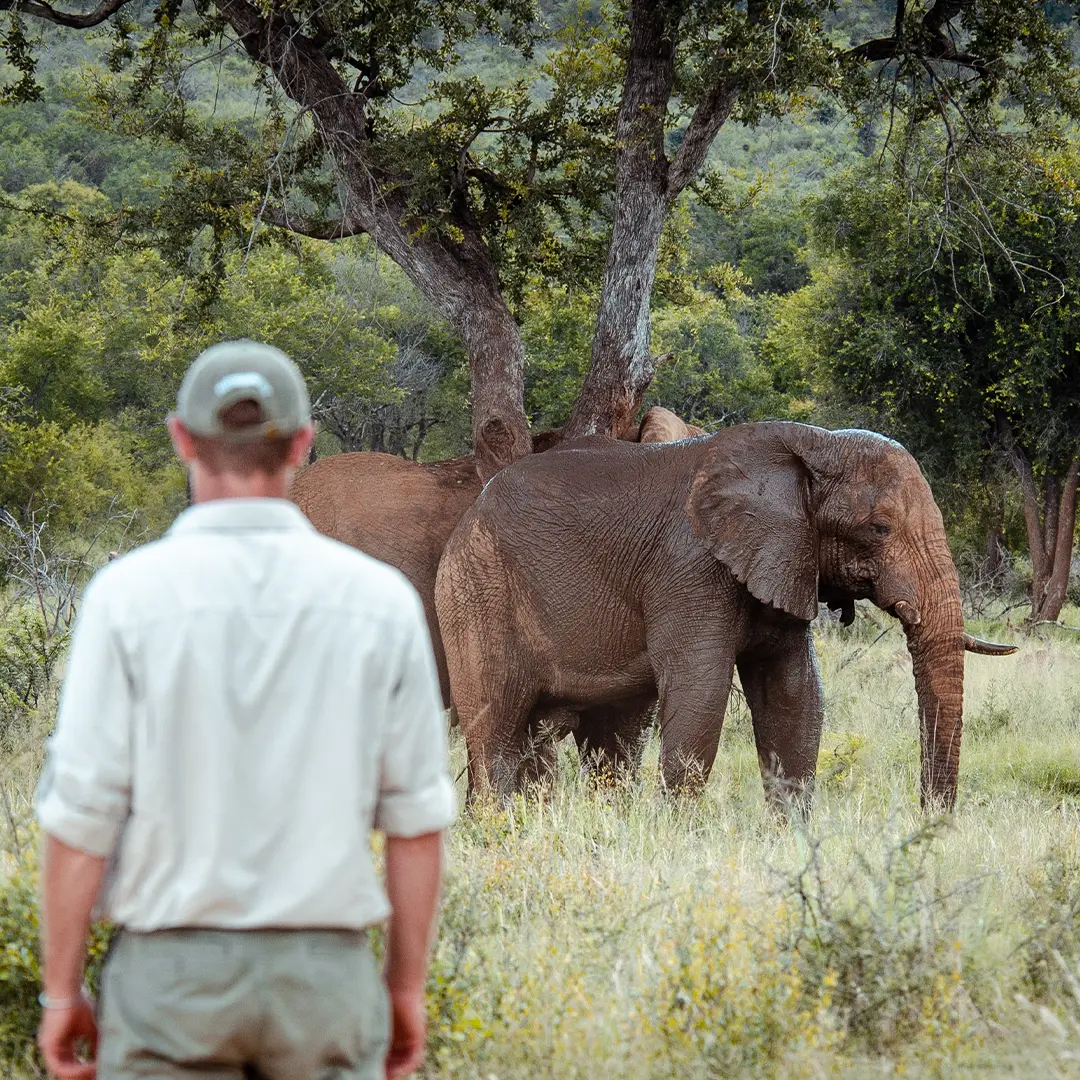
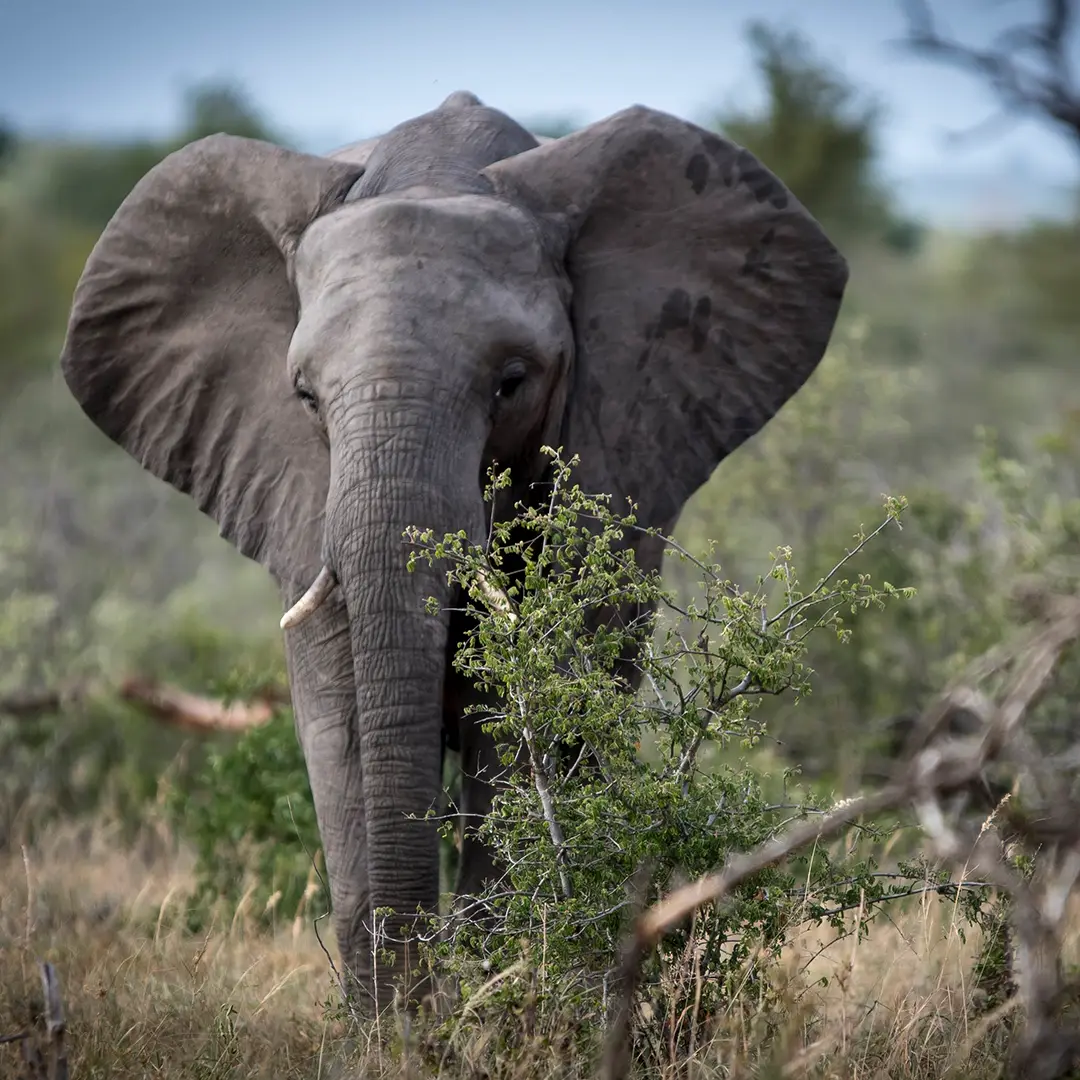
Elephants inspire fascination far beyond their size. Their family relationships, communication, long memories and influence on entire ecosystems make them one of Africa’s most compelling species. For UAE travellers who want a holiday with deeper purpose, a conservation-led safari creates space to understand the decisions, research and community relationships that determine whether elephants and people can share a landscape successfully.
Ranger Buck combines that conservation focus with the comfort expected from a luxury safari package from the UAE. Private transfers, premium lodges, carefully planned regional flights and specialist guiding can all be coordinated around the conservation programme. The experience can also be adapted for couples, private groups and multigenerational travellers.
For families, elephants provide a powerful way to introduce younger travellers to ecology, animal behaviour and responsible tourism. Participation rules depend on the reserve, activity and child’s age, so Ranger Buck will only include experiences suitable for the confirmed group. Broader family safari options from the UAE can include private vehicles, interconnecting rooms, exclusive-use villas and a pace that gives everyone time to rest.
What Responsible Elephant Conservation Really Means
Credible elephant conservation is not a staged encounter or a guaranteed opportunity to touch an animal. It is long-term work focused on keeping elephants alive, maintaining connected habitat and helping people and elephants coexist. Depending on the landscape, this may involve population surveys, ranger deployment, intelligence-led anti-poaching work, GPS collar data, camera traps, water and vegetation monitoring, corridor planning and community-based conflict reduction.
It also requires local judgement. An elephant population may be under severe pressure in one part of Africa while another population is stable or increasing. Conservation teams therefore work with local data rather than treating every reserve or country as though it faces the same problem. Human–elephant conflict is particularly complex because crop damage, damaged water infrastructure and risks to human safety can affect communities living alongside elephant range. Ethical programmes recognise those realities and aim to create practical benefits and safer coexistence for local people.
A Ranger Buck itinerary is built around genuine conservation need. Field priorities can change because of permits, weather, elephant movements, veterinary availability, safety or an urgent situation elsewhere in the reserve. That uncertainty is part of authentic conservation: travellers should expect to observe, listen and learn even when a planned activity changes.
Getting to Southern Africa from the UAE
Emirates operates nonstop services between Dubai International Airport (DXB) and Johannesburg (JNB), with scheduled flights of about 8 hours 10 minutes on several services. Etihad also serves Johannesburg from Zayed International Airport in Abu Dhabi (AUH). Travellers from Sharjah and the Northern Emirates can route through Dubai or Abu Dhabi. Ranger Buck can incorporate international and regional air travel into safari packages with flights from the UAE.
South Africa is two hours behind the UAE throughout the year, so the journey involves far less jet lag than many long-haul holidays. Johannesburg connects with Hoedspruit, Skukuza, Cape Town, Victoria Falls, Maun and other regional gateways. The final route should minimise unnecessary backtracking and allow enough margin between international and light-aircraft sectors.
Passports, Visas and Health Planning
UAE passport holders can currently visit South Africa without a visa for stays of up to 90 days. The UAE is home to residents of many nationalities, however, and entry rules are determined by the passport used for travel, not UAE residency alone. Requirements for Botswana, Zimbabwe or any other extension must also be checked for each traveller before non-refundable arrangements are confirmed.
Parts of the Greater Kruger region and several other Southern African safari areas have a malaria risk. Obtain itinerary-specific advice from a qualified travel-health professional and ensure your insurance covers medical treatment, evacuation, cancellation and the activities in your confirmed programme. For transfers, city stays and sensible precautions, read is an African safari safe for UAE travellers?
What to Pack When Travelling from the UAE
Dry-season mornings can feel unexpectedly cold to travellers accustomed to UAE weather, especially in an open safari vehicle before sunrise. Pack neutral layers, a warm jacket, comfortable closed shoes, sun protection, a small day bag and any personal medication. Luggage limits on regional and light-aircraft flights may be stricter than on the international sector. The African safari packing list for UAE travellers covers clothing, documents, electronics and practical safari essentials.
Best Time to Visit from the UAE
Elephants can be seen throughout the year, but the Southern African dry season from May to October often provides excellent visibility and concentrated activity around reliable water sources. This period coincides with the UAE’s hottest months and much of the long school summer holiday, making it attractive for families seeking a cooler outdoor experience.
May, June, September and October can suit couples and independent travellers, while July and August are popular with families. Eid dates move each year and can concentrate demand for flights, private villas and premium camps. Book approximately 3–6 months ahead for many travel periods, and earlier when dates, room configurations or private-use requirements are fixed. If you are comparing several countries, use Ranger Buck’s guide to the best time to visit Africa from the UAE.
What Your Elephant Conservation Experience May Involve
Depending on real field priorities during your visit, an elephant conservation safari may include learning how teams retrieve and interpret GPS collar data; understanding how aerial surveys, spoor counts and camera traps contribute to population estimates; seeing how movement data identifies corridors and conflict zones; discussing ranger and anti-poaching operations; and meeting conservation professionals who work with neighbouring communities.
Where reserve permissions, conservation need, professional supervision and animal welfare allow, a field programme may involve closer observation of a monitoring or veterinary operation. No collaring, darting, translocation or hands-on activity should be promised merely to create a guest experience. The conservation team—not the tourism schedule—must decide whether an intervention is necessary.
The conservation element is integrated into a complete safari with quality accommodation, expert guiding and broader wildlife viewing. If this is your first journey to Africa, the first-time safari guide for UAE travellers explains game-drive routines, lodge life, tipping and what to expect from a typical day.
Meals, Privacy and Family Requirements
Many premium lodges can accommodate halal-friendly meals, alcohol-free room setups, private dining, dietary restrictions, private safari vehicles and family rooming arrangements when requested in advance. Facilities and certification differ by property, so tell Ranger Buck exactly what your group requires before the itinerary is costed. A meal standard, private facility or child’s participation in a conservation activity should never be assumed unless it appears in the confirmed proposal.
Where to Build an Elephant-Focused Safari
Greater Kruger and other South African reserves: Private reserves around Greater Kruger offer excellent elephant viewing, sophisticated guiding and convenient access from Johannesburg. Conservation access depends on the reserve and current field priorities. Explore Kruger safari packages from the UAE or compare broader South Africa safari packages from the UAE.
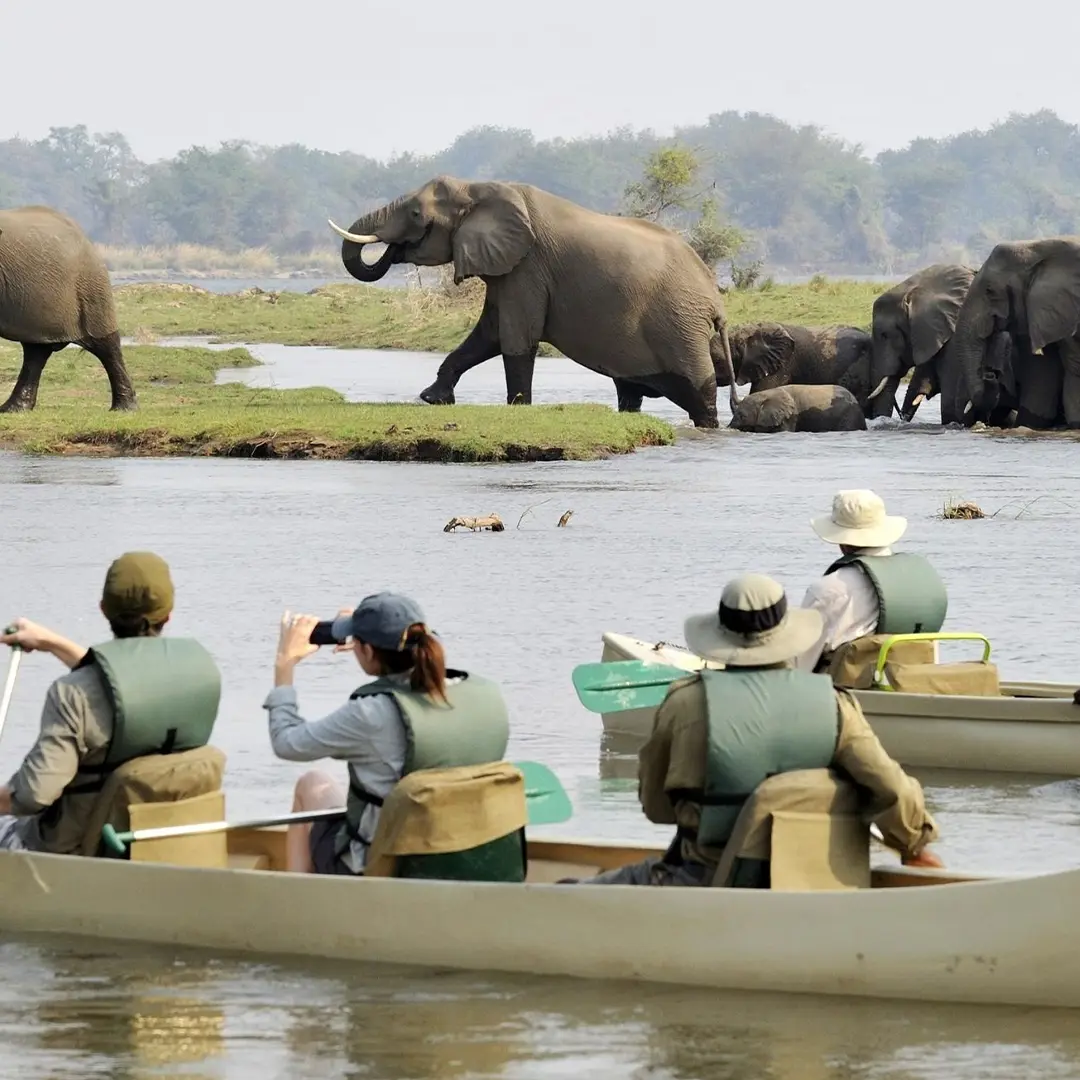
Botswana: Chobe, the Linyanti region and the Okavango system are among Southern Africa’s most important elephant landscapes. Botswana works particularly well for travellers seeking low-volume camps, water-based activities and a strong contrast with a South African private reserve. See the available Botswana safari packages from the UAE.
Zimbabwe and Victoria Falls: Hwange is known for substantial dry-season elephant concentrations and can be combined with Victoria Falls. This route adds a different conservation and landscape context to the journey. Ranger Buck can build a Victoria Falls extension from the UAE around the safari sectors.
Cape Town: Cape Town is not added as an elephant destination; it works as a relaxed city, food, coastline and Winelands finale after the conservation safari. A carefully timed Cape Town extension from the UAE can complete the trip without diluting its conservation purpose.
What an Elephant Conservation Safari Costs from the UAE
As an indicative planning range, premium private-reserve accommodation in the Greater Kruger region may cost approximately AED 2,500–6,000 per person per night, depending on season, lodge category, room type and inclusions. Luxury Botswana camps can be higher because of low-volume operations, remote access and light-aircraft logistics. A carefully designed 12–14-night elephant conservation journey covering two or more destinations may range from approximately AED 45,000–95,000 per person, before any items specifically excluded from the proposal.
These are planning estimates rather than fixed package prices. Conservation contributions, reserve levies, private vehicles, specialist staff, premium drinks, gratuities, travel insurance and international flights may be included or quoted separately. Currency movements can also affect the final AED amount. For a broader breakdown, read the African safari cost guide for UAE travellers.
Travellers who prefer a comprehensive quotation can consider an all-inclusive South Africa package from the UAE. Ranger Buck will state clearly which flights, meals, drinks, transfers, conservation contributions and activities are included.
Building Your Elephant Conservation Itinerary
7–10 nights — Focused South Africa safari: Arrive in Johannesburg, continue to Greater Kruger or another suitable reserve, and spend four to six nights combining elephant conservation learning with Big Five game viewing. Add a second reserve or Cape Town only if the routing and field programme allow enough time.
10 nights — South Africa and Botswana: Johannesburg + 4 or 5 nights in a South African private reserve + 4 nights in Chobe, Linyanti or the Okavango region. This pairing combines a conservation-led private-reserve experience with one of Africa’s great elephant landscapes.
12–14 nights — Conservation, Botswana and a final extension: Greater Kruger + Botswana + either Victoria Falls or Cape Town. This is the most balanced option for travellers who want conservation substance, varied habitats and a rewarding finale without rushing between too many destinations.
Every route depends on conservation priorities, lodge availability, the ages and interests of the travellers, cabin preferences and the passports used for regional entry. Review Ranger Buck’s African safari itineraries from the UAE, then send your dates, group details, privacy requirements and accommodation expectations for a tailored proposal.
Elephant Conservation Library
Explore Ranger Buck’s conservation-first elephant library to understand the threats, monitoring work, coexistence challenges and ethical standards behind a responsible experience.
- Elephant Conservation Experience (the hub — start here) →
- Elephant conservation efforts explained (how protection works and what is involved) →
- How many elephants are left in Africa? (population context and why estimates vary) →
- Are African elephants endangered? (what the status means and the real drivers) →
- Human–elephant conflict explained (why it happens) →
- Human–elephant conflict solutions (what can work in the field) →
- How elephants are monitored (counts, collars, tracking and research) →
- African bush vs forest elephants (two species with different habitats and threats) →
- Ethical elephant experiences checklist (what to avoid and what to choose) →
- Custom elephant conservation excursion (Southern Africa) →
get in touch with us
+27 83 653 5776
+27 83 653 5776 (WhatsApp)
info@rangerbucksafaris.com
16 Lourie Close, Meyersdal Eco Estate,
Alberton, Gauteng
16 Lourie Close, Meyersdal Eco Estate, Alberton, Gauteng

Website by Keeden Marketing | 2024
