





Plan a trip
How Many African Wild Dogs Are Left?
African wild dogs aren’t the most glamorous part of a luxury safari — but they are one of the most threatened. If you’re considering a conservation-focused experience, it helps to understand just how few wild dogs remain, why the numbers change, and what real conservation work is trying to protect.
Quick answer
How many African wild dogs are left?
The IUCN Red List estimates about 6,600 adult African wild dogs across 39 subpopulations, with only about 1,400 considered “mature” individuals.
2026 context :
These figures are the widely used baseline in conservation reporting, but local numbers can rise or fall as packs move, monitoring improves, and conditions change.
Status: Endangered (IUCN Red List) (iucnredlist.org)
Why it matters: pack life + long-ranging behaviour makes them vulnerable to fragmentation
What you can do: choose ethical, welfare-first conservation travel and learn how protection works behind the scenes
Plan your Wild Dog Conservation Experience
Explore the Wild Dog Guides:
How many are left → Why endangered → How conservation works → Ethics checklist →Where can you see African wild dogs?→ Plan an experience → African Wild Dog Population Trends →
Video Above: Behind the Scenes of Wild Dog Conservation
This short video shows the kind of real conservation work that helps protect the small, scattered wild dog populations behind today’s estimates. Every operation is guided by animal-welfare protocols and professional conservation teams, and activities can change based on priorities, permits, and conditions on the ground.
What you’re seeing in this footage:
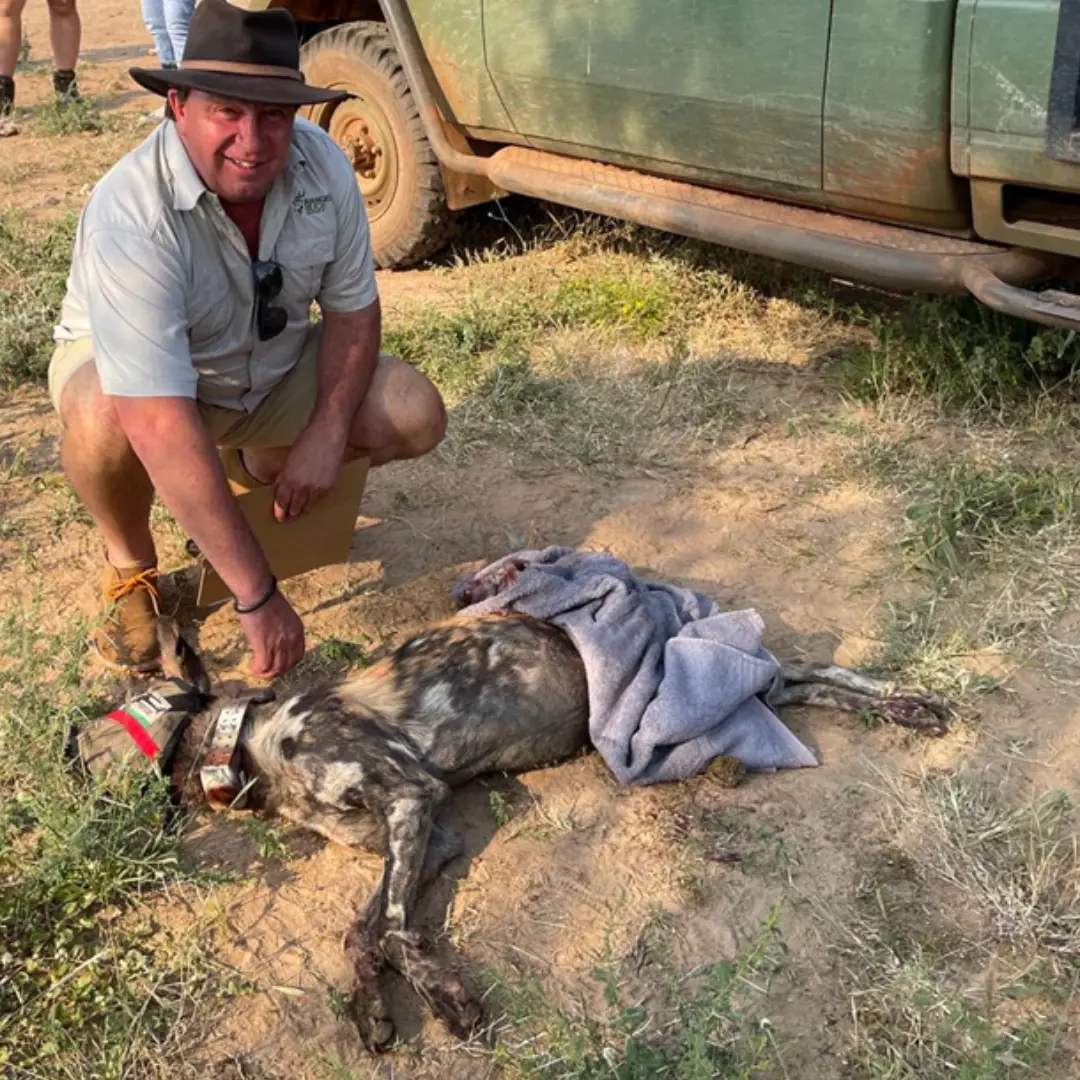
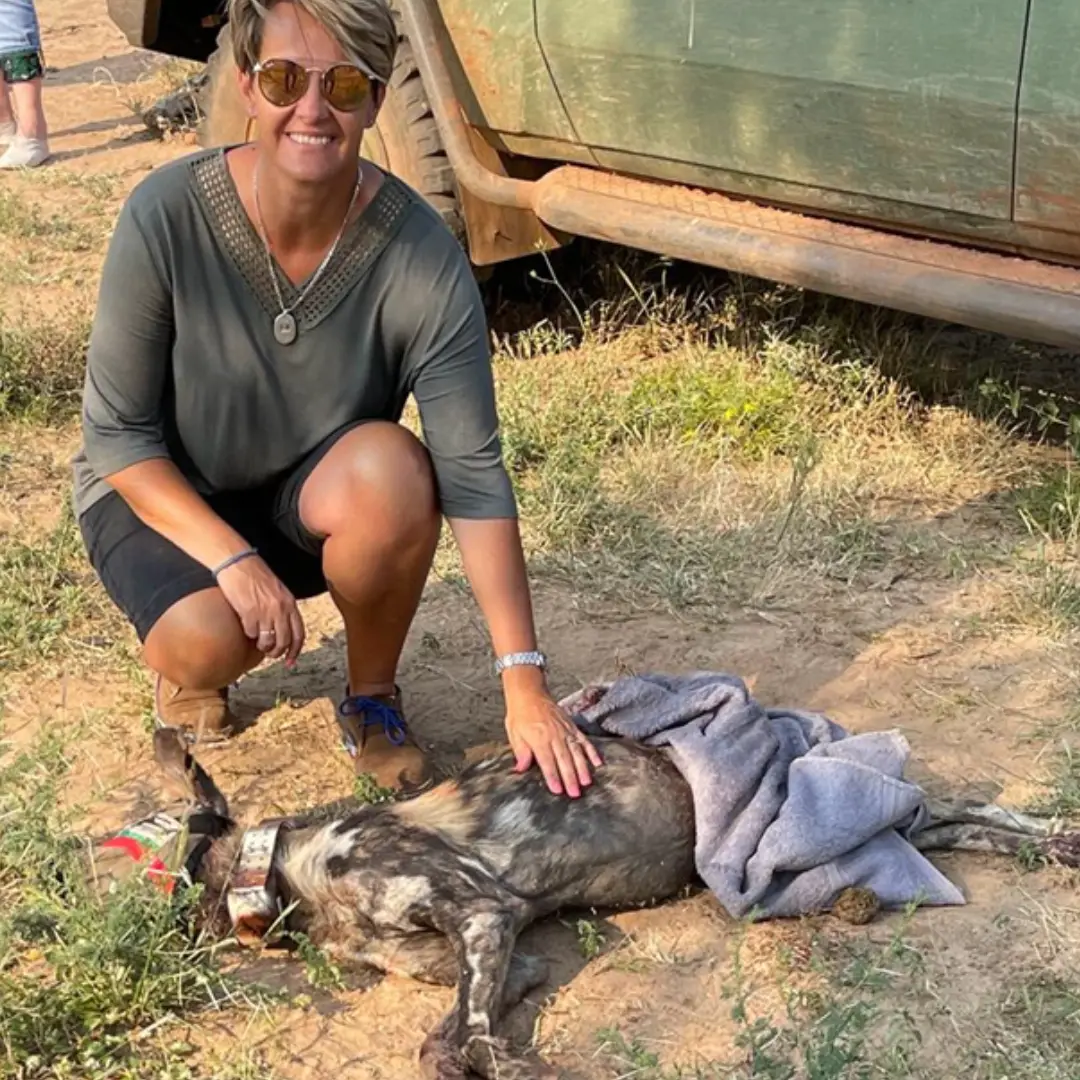
A conservation mission in Madikwe Game Reserve
Tracking a known pack using prior monitoring information
A wildlife veterinarian supporting a targeted darting operation
Focus on the alpha female (the primary breeding individual in the pack)
Health checks + essential data collection (measurements, blood samples)
Inoculation against canine distemper (a serious threat to wild dogs)
Findings shared with the Endangered Wildlife Trust for research support
A real example of how monitoring + vet support can protect pack stability
Conservation teams may also use tools like GPS/VHF tracking, camera traps, spoor tracking, and direct observation
Archie from Ranger Buck thanks the guests and contributors who help make conservation-aligned travel possible
Why it’s hard to give a single exact number
Wild dogs range widely and live at low densities, so no one “census” captures every pack at once. Estimates change because packs split or merge, dispersers travel long distances, and monitoring coverage differs between regions.
Why wild dog populations are still declining
The IUCN highlights three major pressures that repeatedly impact wild dog survival:
Habitat loss and fragmentation (isolated packs, fewer safe corridors)
Conflict linked to human activity (especially where livestock and wild areas overlap)
Infectious disease (outbreaks can devastate packs)
What “mature individuals” means (and why it matters)
In conservation reporting, “mature individuals” usually refers to animals that are likely to contribute to breeding. Because wild dogs are cooperative breeders (typically one dominant breeding pair per pack), the breeding population can be much smaller than the total number of adults you might see listed.


How ethical conservation work helps (without overpromising)
Wild dog conservation often involves monitoring, research, community conflict-reduction, and protective management. The goal is always long-term stability — but outcomes depend on real-world factors like land use, disease risk, and the safety of packs on the ground.
If you’re planning a conservation-focused trip: it should be designed around welfare-first protocols, professional oversight, and what’s realistic at the time of travel.
If you’d like to explore a tailored itinerary built around a wild dog conservation experience, you can start here: Wild Dog Conservation Experience.
Interested in a conservation-focused safari?
If you want a personalised itinerary built around meaningful wildlife conservation experiences, talk to our ecosafari specialists.
How Many Wild Dogs Are Left FAQ
How many African wild dogs (Painted Wolves) are left in 2026?
The best current baseline is the IUCN estimate of ~6,600 adults across 39 subpopulations, with ~1,400 mature individuals
Are African wild dogs the same as painted dogs/painted wolves?
Yes — “painted dog” and “painted wolf” are common names for African wild dogs, referring to their coat patterns. The species name is Lycaon pictus.
Why are African wild dogs endangered?
The IUCN describes ongoing decline driven mainly by habitat fragmentation, conflict with human activity, and infectious disease.
Why do population numbers differ between sources?
Wild dogs are wide-ranging and hard to monitor everywhere at once, so estimates change with new surveys, pack movements, and shifting local conditions
Can you guarantee we’ll see wild dogs on safari?
No — wild animals move freely and sightings can’t be promised. A well-planned itinerary can improve opportunities, but nature always decides.
Wild Dog Conservation Library
If you’re exploring African wild dog conservation, these guides will help you understand why they’re endangered, how conservation works in practice, and what an ethical experience should look like.
Wild dog conservation explained (how protection works + what conservation teams actually do) →
How many African wild dogs are left? (population context + why counts vary) →
Why are wild dogs endangered? (biggest threats + why packs are vulnerable) →
African Wild Dog Population 2026 Trends, Stability and Future Outlook →
Where to see African wild dogs (regions + responsible viewing tips) →
Is a wild dog conservation experience ethical? (what “ethical” looks like + red flags) →
- How Wild Dog Conservation Works (painted wolves) →
Wild Dog Conservation Experience (plan a tailored itinerary) →
Curate Your Own
Personalised Travel Itinerary
Curate Your Own Personalised Travel Itinerary
We specialise in creating completely personalised travel itineraries tailored to your personal needs and expectations. Simply click on the button below to chat to one of our ecosafari specialists and lets start planning your very best African safari to your very favourite destination.
get in touch with us
+27 83 653 5776
+27 83 653 5776 (WhatsApp)
info@rangerbucksafaris.com
16 Lourie Close, Meyersdal Eco Estate,
Alberton, Gauteng
16 Lourie Close, Meyersdal Eco Estate, Alberton, Gauteng

Website by Keeden Marketing | 2024
