





Plan a trip
Where to See African Wild Dogs (Painted Dogs) in Africa
African wild dogs may not be the most glamorous part of a luxury safari — but they are one of the most unforgettable sightings in Africa. Rare, intelligent, and intensely social, they move across vast landscapes in tightly bonded packs.
Ranger Buck Safaris builds personalised African itineraries that prioritise conservation context, ethical travel, and meaningful wildlife experiences. When it comes to wild dogs, choosing the right landscape matters far more than simply choosing a country.
Quick answer
Where can you see African wild dogs?
The largest remaining populations are in Southern Africa (especially northern Botswana, western Zimbabwe, eastern Namibia, and western Zambia) and the southern part of East Africa (especially Tanzania and northern Mozambique).
Important: Wild dog sightings can never be guaranteed — even in stronghold areas — because packs move long distances and conditions change quickly.
Plan your Wild Dog Conservation Experience
Explore the Wild Dog Guides:
How many are left → Why endangered → How conservation works → Ethics checklist →Where can you see African wild dogs?→ Plan an experience → African Wild Dog Population Trends →
2026 context: why “where” matters more than ever
In 2026, the real conservation challenge isn’t just low numbers — it’s fragmentation. Wild dogs survive in scattered subpopulations, which means one landscape can offer meaningful opportunities while another may have none at all.
Stronghold regions tend to share three characteristics:
- Large connected habitats
- Active conservation monitoring
- Stable pack structures
This is why safari planning for wild dogs is less about hype — and more about understanding where conservation stability exists.
Video: Seeing African Wild Dog Conservation in Action
This short film shows what conservation-aligned travel can look like when timing, landscape, and professional oversight come together.
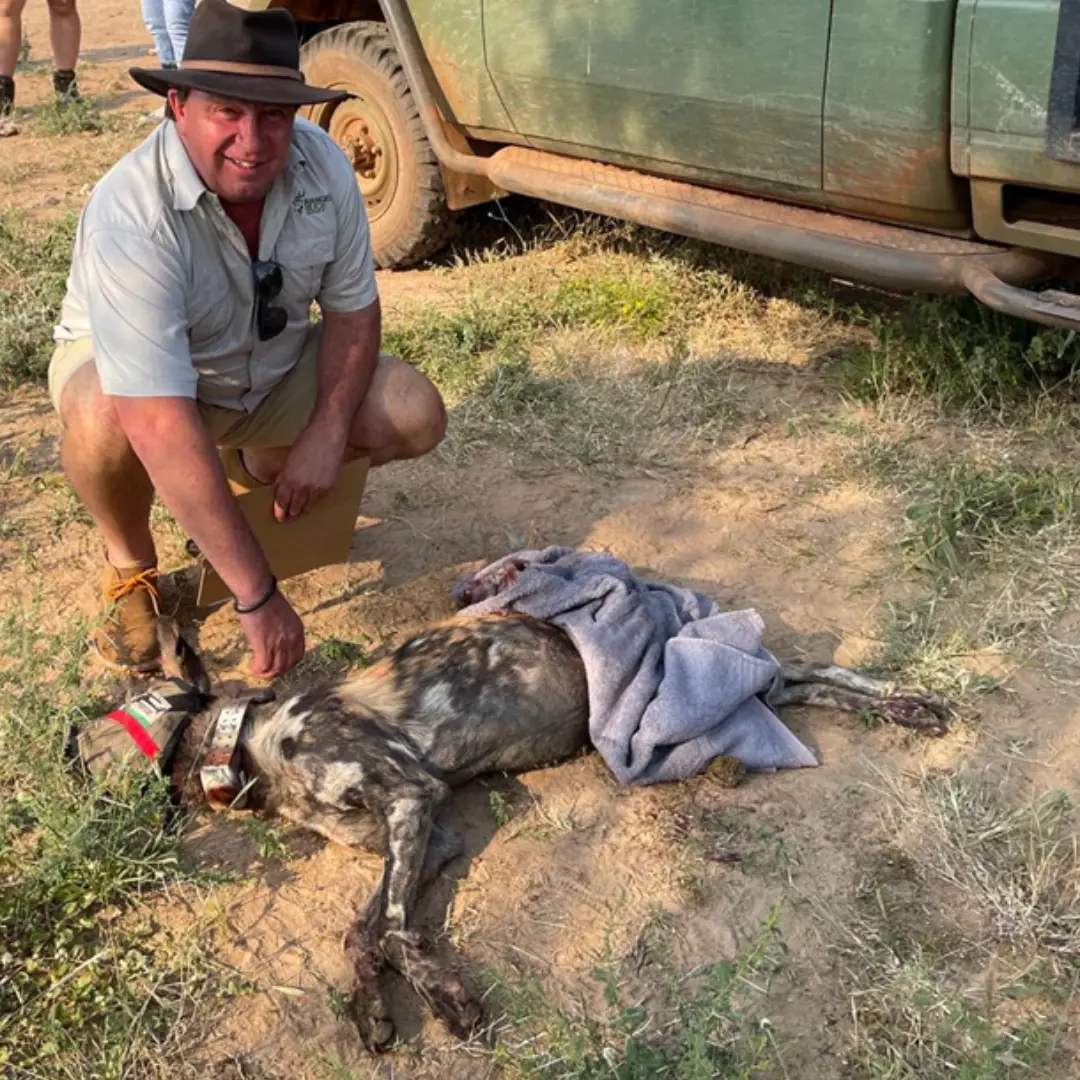
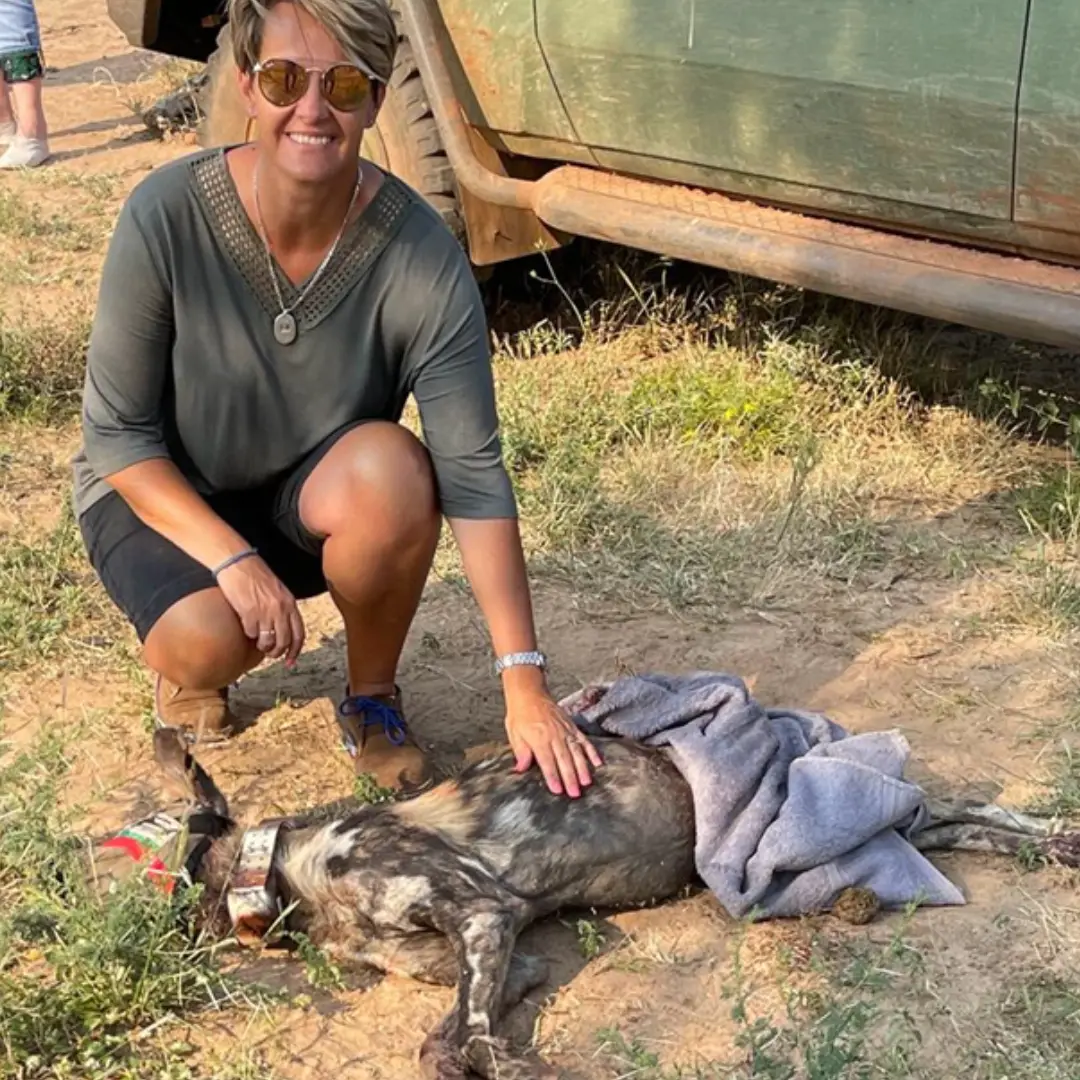
Filmed in Madikwe Game Reserve, the Ranger Buck team joins conservation specialists to locate a monitored pack of African wild dogs. Based on prior tracking data, the team narrows in on the pack’s general movement area before beginning a carefully supervised operation.
A wildlife veterinarian supports a targeted intervention focused on the alpha female, the dominant breeding individual whose stability is critical to the pack’s future. Once safely immobilised, the team conducts health assessments, collects essential biological data, and administers preventative treatment against diseases such as canine distemper — one of the major risks to fragmented wild dog populations.
All procedures follow strict welfare protocols and are conducted in collaboration with conservation professionals. Data gathered during operations like this contributes to broader research and long-term population monitoring efforts.
This is the kind of behind-the-scenes conservation context that shapes how Ranger Buck approaches wild dog safaris: not chasing sightings, but understanding landscapes, stability, and the science that supports survival.
Southern Africa: Major Strongholds
Southern Africa remains the core of global wild dog conservation.
Important landscapes include:
- Northern Botswana
- Western Zimbabwe
- Eastern Namibia
- Western Zambia
These areas support some of the largest remaining connected populations, offering more stable long-term conservation conditions.
But even here, wild dogs can travel large distances daily. Timing, tracking skill, and multi-day stays matter.
East Africa: Important Landscapes
In East Africa, key opportunities exist in:
- Tanzania
- Northern Mozambique
These regions form part of broader conservation corridors that allow packs to disperse and maintain genetic health.
Again — presence does not equal predictability. Wild dogs are one of the least sedentary predators in Africa.
What About South Africa?
South Africa offers meaningful opportunities, especially in protected reserves where packs are monitored and managed.
However, distribution is more complex and often reserve-specific. Successful planning depends on understanding where active packs are established and where conservation support is strong.
This is where local knowledge and conservation context matter more than simply choosing a destination name.


How Ranger Buck Plans Wild Dog Safaris Differently
Wild dog sightings are not about chasing a checklist.
They’re about understanding:
- Pack movement patterns
- Seasonal denning periods
- Prey dynamics
- Landscape connectivity
- Conservation monitoring efforts
When building a wild dog-focused itinerary, Ranger Buck prioritises:
- Landscapes with strong conservation infrastructure
- Areas where pack stability is better understood
- Ethical guiding practices that never pressure wildlife
- Realistic opportunities — never guaranteed outcomes
Because wild dogs are wide-ranging, itinerary structure and time allocation are more important than luxury alone.
If you’re interested in planning a safari around realistic wild dog opportunities, you can begin a personalised itinerary conversation with our team.
How to Improve Your Chances (Responsibly)
While nothing can be promised, thoughtful planning can improve opportunity:
- Stay multiple nights in one landscape
- Prioritise early morning and late afternoon drives
- Choose regions with known conservation monitoring
- Work with ethical guides who track responsibly
Wild dogs reward patience. They are not a species for rushed itineraries.
Seeing Wild Dogs Is One Thing. Understanding Them Is Another.
Anyone can hope for a sighting.
But understanding why packs move, why numbers fluctuate, and how conservation teams monitor stability adds depth to the experience.
That’s why some travellers combine safari time with structured conservation exposure — learning what protection looks like behind the scenes.
If that resonates with you:
Wild Dog Conservation Myths vs Reality
Myth: If a reserve has wild dogs, you’ll definitely see them.
Reality: Packs travel far and shift territories. Even stronghold areas can be quiet for days.
Myth: Wild dogs are only found in Southern Africa.
Reality: The largest populations are in Southern Africa and parts of East Africa, but distribution is uneven.
Myth: Conservation travel guarantees close interaction.
Reality: Ethical conservation is welfare-first. Activities depend on protocols, permits, and real-world conditions.
Want a conservation-focused safari that’s meaningful, not gimmicky?
We build personalised itineraries around real conservation priorities, led by trained professionals and welfare-first protocols.
FAQ: Where to See African Wild Dogs
Are African wild dogs rare?
Yes — African wild dogs are considered rare because they occur at low population densities and survive in fragmented subpopulations across Africa. Even in stronghold areas, packs are widely spaced and highly mobile.
How many packs of African wild dogs are left?
There are fewer than about 700 packs globally, based on conservation estimates of under 700 breeding pairs. Because wild dogs live and hunt in coordinated packs, the loss of even one pack can significantly impact a region.
Where are African wild dogs most commonly found?
They are most commonly found in Southern Africa and parts of East Africa, particularly in large connected conservation landscapes. Distribution is uneven, and some countries have far stronger populations than others.
Are wild dogs harder to see than lions or leopards?
Yes — wild dogs are generally harder to see because they occur at lower densities and travel long distances daily. Unlike territorial cats, they do not remain in predictable core areas.
What time of day are wild dogs most active?
Wild dogs are usually most active in the early morning and late afternoon when temperatures are cooler. Hunting often takes place during these periods.
Do African wild dogs stay in one area?
No — wild dogs can travel large distances in a single day and shift territories seasonally. Their wide-ranging behaviour is one reason sightings are unpredictable.
Why are wild dogs sometimes called painted dogs?
They are called painted dogs because of their unique, irregular coat patterns of black, white, brown, and gold. Each wild dog has a distinctive coat pattern, much like a fingerprint.
How many wild dog pups survive each year?
Wild dog litters can be large, but pup survival depends heavily on pack stability, prey availability, and disease pressure. In unstable or fragmented populations, survival rates can drop significantly.
Do conservation areas increase wild dog survival?
Yes — well-managed conservation areas with monitoring, veterinary support, and connected habitat corridors improve long-term pack stability. Fragmented landscapes without protection increase risk.
Are wild dogs dangerous to humans?
Wild dogs are generally shy and avoid people. They are not considered a common threat to humans in protected safari environments.
Wild Dog Conservation Library
If you’re exploring African wild dog conservation, these guides will help you understand why they’re endangered, how conservation works in practice, and what an ethical experience should look like.
Wild dog conservation explained (how protection works + what conservation teams actually do) →
How many African wild dogs are left? (population context + why counts vary) →
Why are wild dogs endangered? (biggest threats + why packs are vulnerable) →
African Wild Dog Population 2026 Trends, Stability and Future Outlook →
Where to see African wild dogs (regions + responsible viewing tips) →
Is a wild dog conservation experience ethical? (what “ethical” looks like + red flags) →
- How Wild Dog Conservation Works (painted wolves) →
Wild Dog Conservation Experience (plan a tailored itinerary) →
Curate Your Own
Personalised Travel Itinerary
Curate Your Own Personalised Travel Itinerary
We specialise in creating completely personalised travel itineraries tailored to your personal needs and expectations. Simply click on the button below to chat to one of our ecosafari specialists and lets start planning your very best African safari to your very favourite destination.
get in touch with us
+27 83 653 5776
+27 83 653 5776 (WhatsApp)
info@rangerbucksafaris.com
16 Lourie Close, Meyersdal Eco Estate,
Alberton, Gauteng
16 Lourie Close, Meyersdal Eco Estate, Alberton, Gauteng

Website by Keeden Marketing | 2024
