




Plan a trip
Wild Dog Conservation Experience
African wild dogs — also known as painted dogs or painted wolves — are among Africa’s most endangered predators. Ranger Buck’s conservation-focused safaris are designed for travellers who want more than a game drive: a meaningful journey that supports real conservation work, guided by trained professionals.
Quick highlights:
Purpose-led safari experiences built around conservation priorities
Activities vary by season and operational needs, always under expert supervision
Designed as personalised itineraries (not “one-size-fits-all”)
Ideal for travellers who care about wildlife protection, learning, and ethics
Plan your Wild Dog Conservation Experience
Explore the Wild Dog Guides:
How many are left → Why endangered → How conservation works → Ethics checklist →Where can you see African wild dogs?→ Plan an experience → African Wild Dog Population Trends →
This short video shows the type of behind-the-scenes conservation work that may form part of a trip. Every operation is guided by animal welfare protocols and professional conservation teams, and activities can change based on conservation priorities, permits, and conditions on the ground.
Ranger Buck and a family of conservationists embark on a wild dog conservation mission in Madikwe Game Reserve.
The team plans to head out in the afternoon to track a pack of African wild dogs, and they already have a general idea of the pack’s location from prior monitoring.
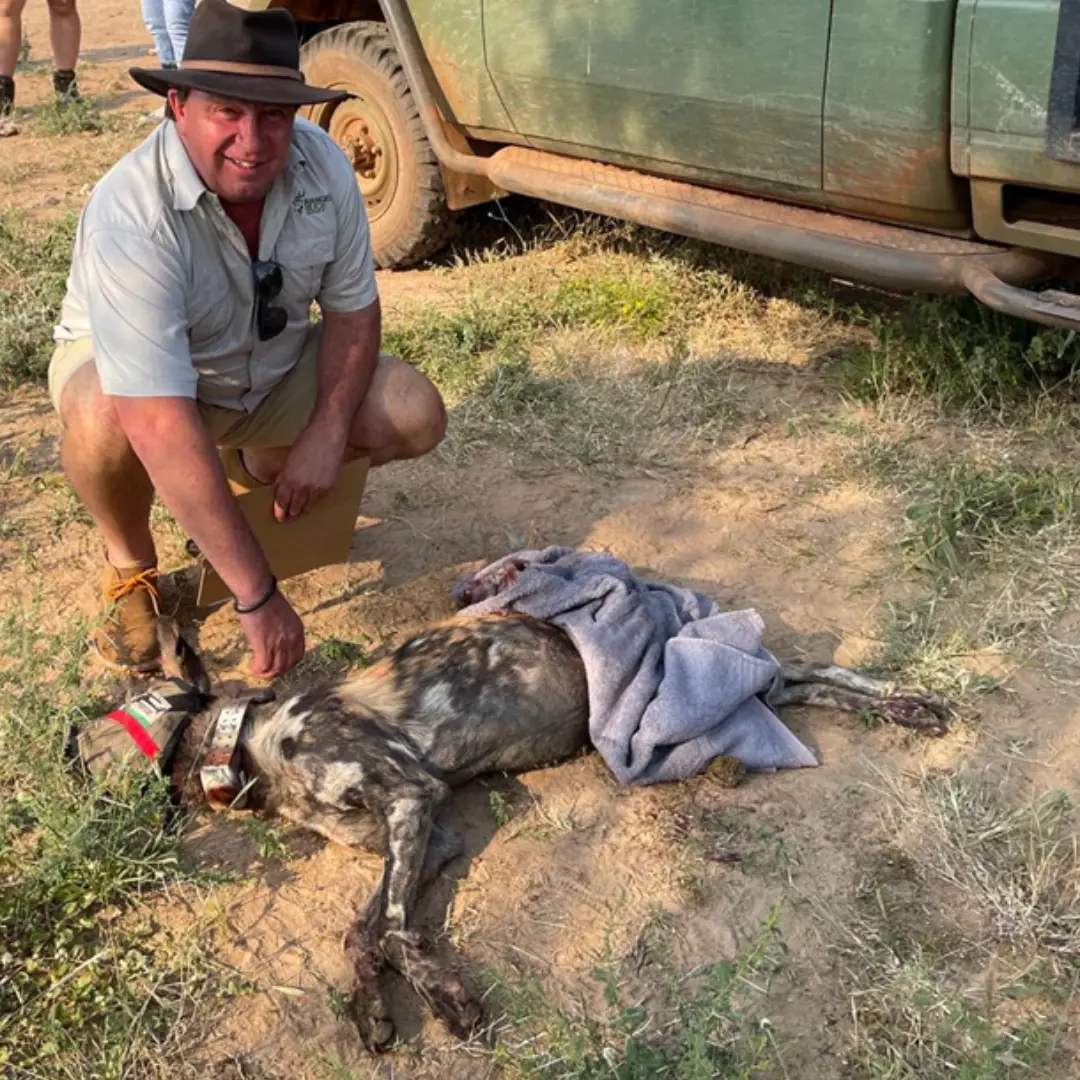
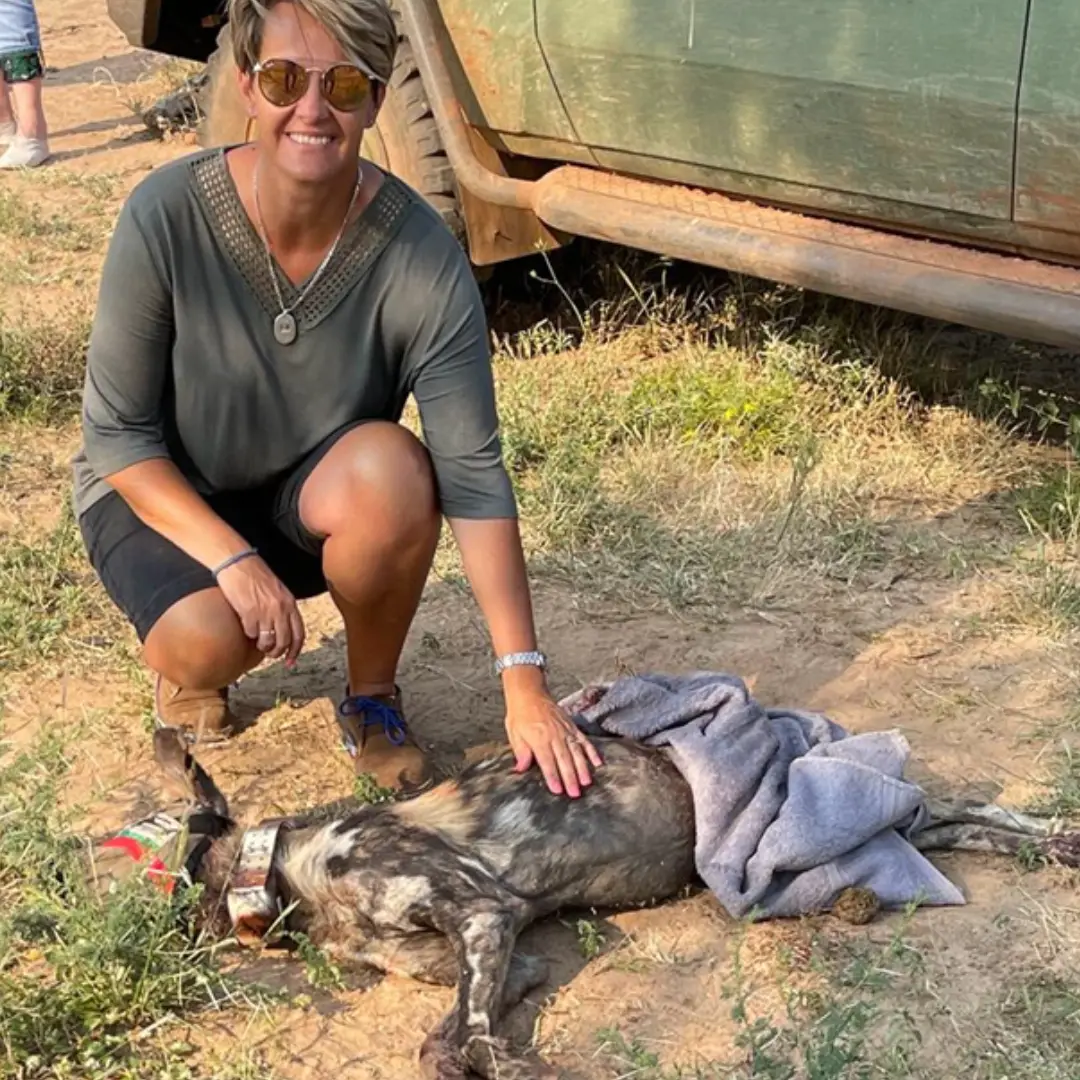
A wildlife veterinarian accompanies the group to assist with a targeted darting operation.
The focus is specifically on the alpha female, the primary breeding individual in the pack.
As the dominant breeder, the alpha female plays a critical role in the survival and future population growth of the pack.
Once safely darted, the team collects essential biological data, including body measurements and blood samples.
She is also inoculated against canine distemper, a disease that can devastate wild dog populations.
The collected data helps researchers assess her health and reproductive status, which directly impacts pup production and pack stability.
Protecting the alpha female helps prevent pack fragmentation, which often occurs if a breeding female is lost.
All findings are shared with the Endangered Wildlife Trust, contributing to broader African wild dog conservation research.
The operation highlights the importance of scientific monitoring, veterinary care, and targeted intervention in conserving endangered species.
While the video does not specify tracking tools used in this case, broader conservation efforts commonly rely on GPS collars, VHF telemetry, camera traps, drones, spoor tracking, and direct observation.
These combined monitoring methods allow conservationists to understand movement patterns, manage threats, and protect critical habitats.
Archie from Ranger Buck Safari thanks the clients and contributors who made the conservation experience possible, emphasizing the role of tourism-supported conservation.
Why African Wild Dogs Need Conservation
African wild dogs have disappeared from much of their historical range. The IUCN Red List estimates the population at approximately 6,600 adults across 39 subpopulations, with only about 1,400 mature individuals — and the overall trend is declining.
What’s driving the decline?
While the details vary by region, the biggest pressures include:
Habitat fragmentation (smaller, isolated packs with fewer safe corridors)
Human–wildlife conflict (especially where livestock and wild areas overlap)
Infectious disease (which can devastate packs)


What a Wild Dog Conservation Experience Can Involve
This is not a “petting” activity, and it isn’t about forcing contact. It’s about supporting conservation teams doing professional work — responsibly and ethically.
Depending on the season and conservation priorities, a wild dog conservation experience may include:
Learning how conservation teams monitor movement patterns and pack dynamics
Supporting field teams during tracking and data collection (where appropriate)
Seeing how veterinary teams and rangers make evidence-based conservation decisions
Understanding the realities of protection: monitoring, planning, and prevention
(Activities vary and are always guided by professional teams and welfare protocols.)
If you’d like to explore a tailored itinerary built around a wild dog conservation experience, you can start here: Wild Dog Conservation Experience.
Is It Ethical? Is It Safe?
Short answer: It should be — if it’s done properly.
Ranger Buck positions these experiences around responsible tourism, working with trained professionals and conservation partners where animal welfare and safety come first.
What ethical looks like:
The animal’s wellbeing determines what happens (not the guest)
Professional oversight is non-negotiable
No pressure, no forcing outcomes, no “guaranteed interactions”
Safety protocols for guests and wildlife are always followed
How Your Trip Can Help
Conservation work is expensive and ongoing. Ethical, conservation-aligned tourism can support reserves, research, monitoring, and protective operations — while helping travellers understand what conservation looks like behind the scenes.
You don’t need to be a scientist to contribute. You just need the right partners, the right protocols, and a willingness to learn.
Why Ranger Buck
Ranger Buck’s conservation experiences are built around:
Personalised itineraries designed around your goals
Meaningful encounters that prioritise welfare and safety
A safari that’s not only luxurious — but purposeful
Wild Dog Conservation FAQ
Are African wild dogs the same as painted wolves / painted dogs?
Yes — “painted dog” and “painted wolf” are common nicknames for the African wild dog because of their unique coat patterns. In scientific terms, they’re one species: Lycaon pictus.
Why are wild dogs endangered?
Wild dogs need large connected landscapes, and they’re heavily affected by habitat fragmentation. Conflict with people, accidental snaring, and diseases like rabies or distemper can also wipe out packs quickly.
How many African wild dogs are left?
There are only a few thousand left across Africa, and populations are scattered into many smaller groups. Exact numbers vary because packs move, monitoring coverage differs by region, and populations fluctuate.
What does a conservation experience typically involve?
It’s usually a behind-the-scenes learning and support experience around real conservation work, guided by trained professionals. Activities vary by season and operational priorities, and may include observing monitoring, assisting with approved field tasks, and learning how protection decisions are made.
Is it ethical to participate in conservation tourism?
It can be ethical when animal welfare comes first, interactions aren’t forced, and activities are led by qualified professionals following strict protocols. The goal should be supporting conservation outcomes, not entertainment.
Is it safe?
Safety depends on the conservation partner’s protocols, and reputable operations manage risk with trained staff, rules, and professional supervision. Guests should expect clear briefings and strict boundaries designed to protect both people and wildlife.
Can you guarantee we will see wild dogs?
No — wildlife sightings can never be guaranteed because animals move freely and conditions change daily. A well-planned itinerary can improve the chances of meaningful encounters, but nature always leads.
How do I plan a trip around conservation priorities?
Start with your travel dates, budget, fitness level, and the conservation focus you care about most, then build the itinerary around what’s realistic at that time of year. The best approach is a tailored plan that balances conservation activities, classic safari experiences, and logistics that keep the trip comfortable.
Wild Dog Conservation Library
If you’re exploring African wild dog conservation, these guides will help you understand why they’re endangered, how conservation works in practice, and what an ethical experience should look like.
Wild dog conservation explained (how protection works + what conservation teams actually do) →
How many African wild dogs are left? (population context + why counts vary) →
Why are wild dogs endangered? (biggest threats + why packs are vulnerable) →
African Wild Dog Population 2026 Trends, Stability and Future Outlook →
Where to see African wild dogs (regions + responsible viewing tips) →
Is a wild dog conservation experience ethical? (what “ethical” looks like + red flags) →
- How Wild Dog Conservation Works (painted wolves) →
Wild Dog Conservation Experience (plan a tailored itinerary) →
Curate Your Own
Personalised Travel Itinerary
Curate Your Own Personalised Travel Itinerary
We specialise in creating completely personalised travel itineraries tailored to your personal needs and expectations. Simply click on the button below to chat to one of our ecosafari specialists and lets start planning your very best African safari to your very favourite destination.
get in touch with us
+27 83 653 5776
+27 83 653 5776 (WhatsApp)
info@rangerbucksafaris.com
16 Lourie Close, Meyersdal Eco Estate,
Alberton, Gauteng
16 Lourie Close, Meyersdal Eco Estate, Alberton, Gauteng
Website by Keeden Marketing | 2024
