





Plan a trip
African Wild Dog Population 2026: Trends & Outlook
African wild dogs remain one of Africa’s most endangered predators — but conservation is not static.
To understand their future, we need to look beyond a single number and examine trend, stability, and fragmentation.
Quick 2026 Snapshot
Estimated adults: ~6,600
Estimated mature individuals: ~1,400
Estimated packs: Fewer than ~700
Conservation status: Endangered
These figures reflect widely cited conservation baselines. Exact numbers fluctuate as packs disperse, landscapes change, and monitoring improves.
→ Related: How Many Wild Dogs Are Left?
Explore the Wild Dog Guides:
How many are left → Why endangered → How conservation works → Ethics checklist →Where can you see African wild dogs?→ Plan an experience → African Wild Dog Population Trends →
Video: Population Stability in Practice
Wild dog population trends are shaped by stability at pack level.
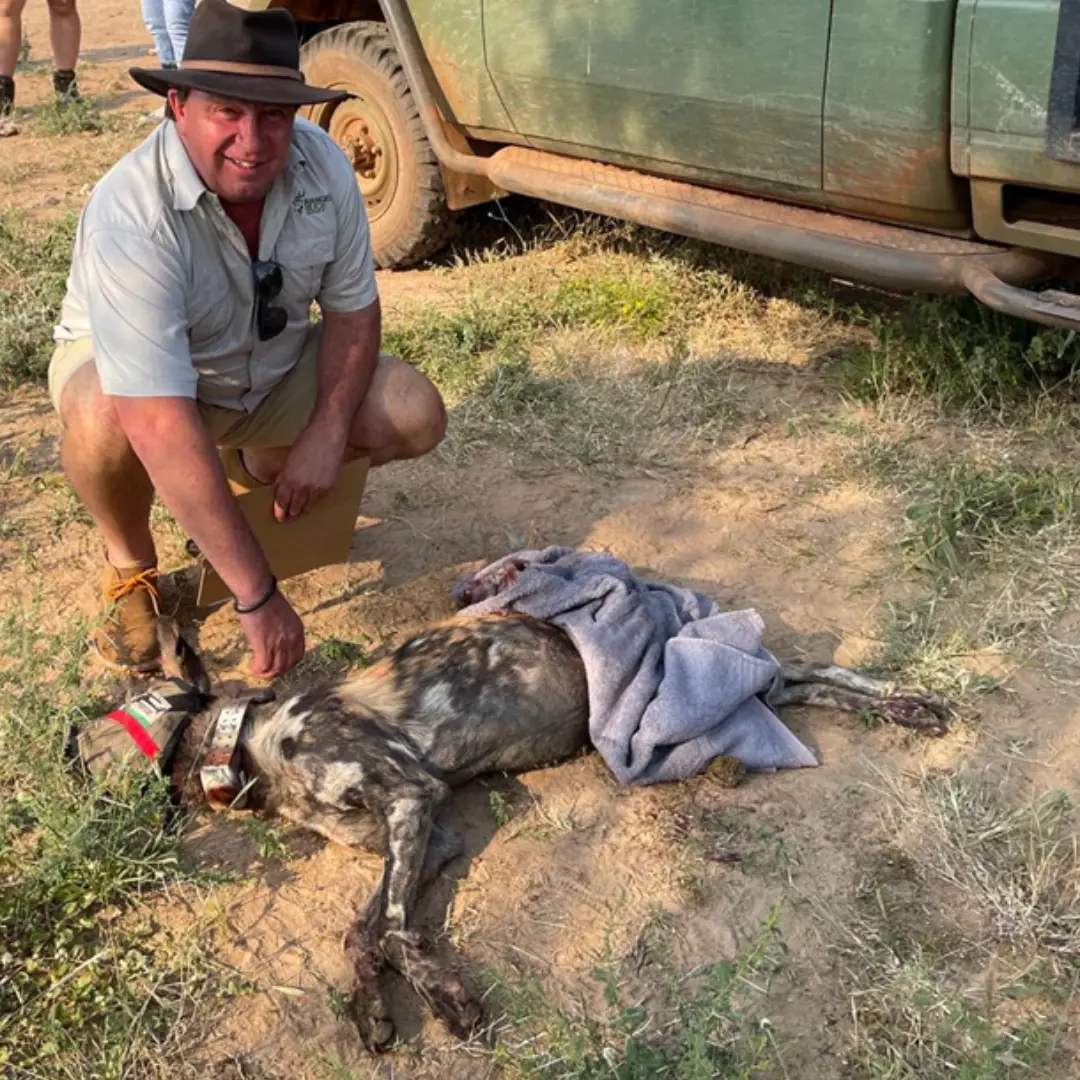
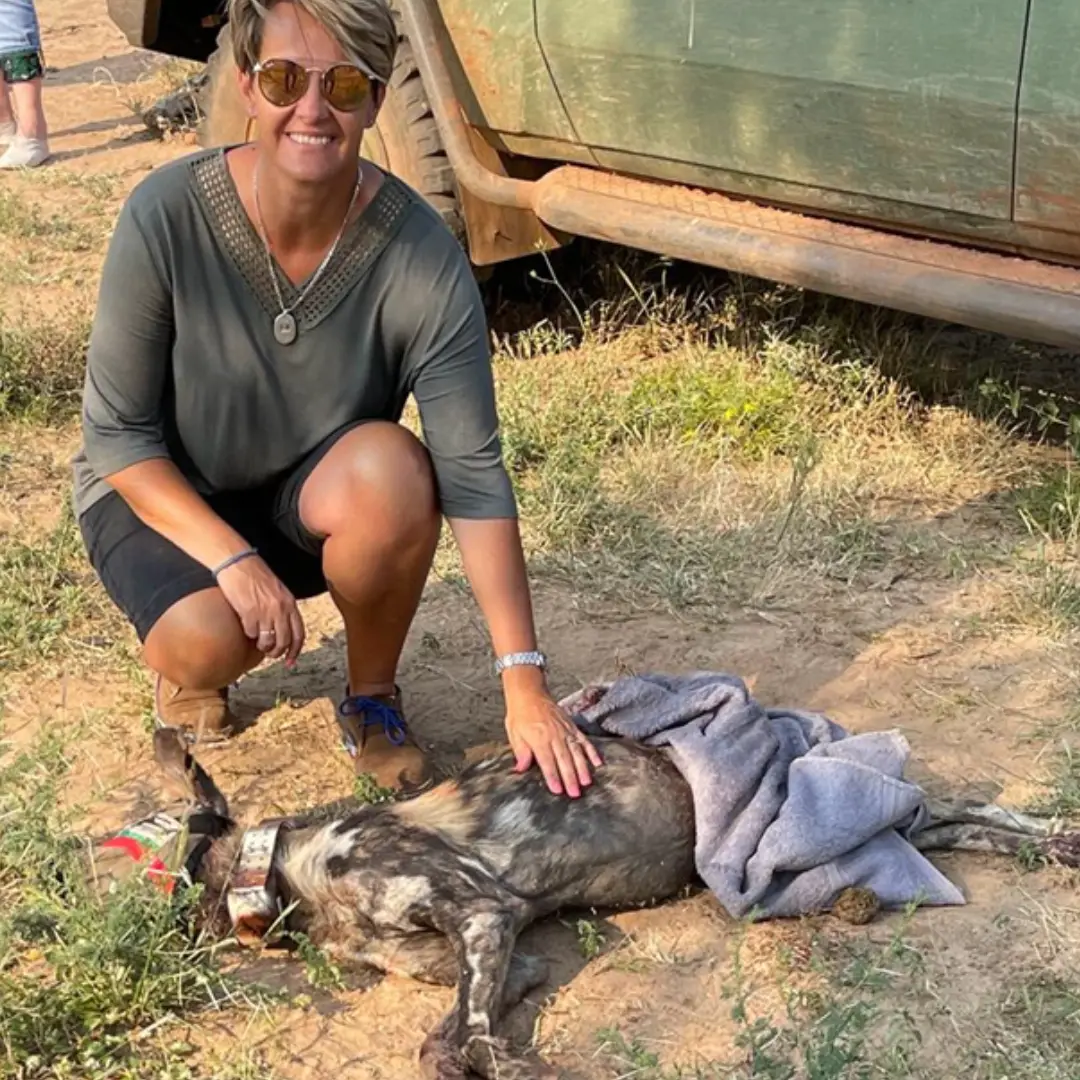
This short film captures a monitored conservation operation in Madikwe Game Reserve, where the Ranger Buck team joins professional conservation specialists working with a known wild dog pack.
Using prior tracking data, the team locates the pack within its movement range before beginning a carefully supervised veterinary intervention. The focus is the alpha female, the dominant breeding individual whose health directly influences pup survival, hunting efficiency, and long-term pack continuity.
Once safely immobilised under strict welfare protocols, health assessments are conducted, biological data is collected, and preventative treatment against infectious disease is administered — one of the key risks facing fragmented populations.
Operations like this do not dramatically increase numbers overnight. Instead, they strengthen resilience. By protecting breeding individuals, monitoring pack dynamics, and contributing data to broader research efforts, conservation teams help stabilise subpopulations over time.
This is how population trends are shaped in practice — not through headlines, but through sustained monitoring, disease management, and long-term landscape planning.
Quick Menu
1. Are Wild Dog Numbers Increasing or Decreasing?
2. The Core Issue in 2026: Fragmentation
3. Population Trends: What Conservation Has Improved
4. What Could Change Wild Dog Numbers in the Future?
5. Realistic Outlook: Cautious Stability
6. What This Means for Conservation-Focused Travel
7. 2026 Population Myths vs Reality
8. FAQs
Are Wild Dog Numbers Increasing or Decreasing?
The answer is nuanced.
In some protected landscapes, populations are stable or slowly improving due to:
Active monitoring
Disease management
Landscape connectivity
Reduced direct persecution
However, at continental scale, the species remains fragmented into small subpopulations. This means gains in one region can be offset by losses elsewhere.
The overall global status remains Endangered — and vulnerable to local decline.
The Core Issue in 2026: Fragmentation
Wild dogs no longer occupy most of their historical range.
Instead, they survive in:
Isolated subpopulations
Protected strongholds
Landscape corridors
Fragmentation increases risk because:
Disease spreads faster in small groups
Dispersing individuals struggle to form new packs
Local extinctions are harder to reverse
This is why conservation success is measured not just by numbers — but by stability and connectivity.
Population Trends: What Conservation Has Improved
Over the past decade, conservation models have strengthened in several areas:
1. Better Monitoring
Improved GPS collaring, telemetry, and field data allow more accurate tracking of packs and dispersers.
2. Disease Management
Vaccination programs and surveillance reduce catastrophic outbreaks in some regions.
3. Translocations (When Needed)
In carefully controlled scenarios, managed relocations help restore genetic diversity or rebuild lost packs.
4. Corridor Planning
Greater focus on landscape-level connectivity improves long-term resilience.
These gains do not eliminate risk — but they improve recovery capacity.


What Could Change Wild Dog Numbers in the Future?
Several factors will influence the 2026–2035 outlook:
Expansion or loss of connected habitat
Human–wildlife conflict pressure
Climate variability affecting prey and denning
Political stability and conservation funding
Community engagement around livestock protection
Wild dog conservation is cumulative — small improvements across many regions can strengthen continental resilience.
Realistic Outlook: Cautious Stability
Most conservation experts describe the near-term outlook as cautiously stable in strongholds, but still fragile overall.
Wild dogs are unlikely to rebound dramatically without major landscape expansion. However, in well-managed regions, packs can remain stable for many years.
This makes conservation alignment critical.
What This Means for Conservation-Focused Travel
When travellers ask about population numbers, the deeper question is:
“Is this landscape supporting long-term stability?”
Ranger Buck approaches wild dog safaris with that framework in mind:
Prioritising landscapes with active conservation monitoring
Aligning travel with welfare-first protocols
Avoiding sensationalism around endangered species
Building itineraries around realistic ecological context
Because the future of wild dogs depends less on headlines — and more on sustained support.
2026 Population Myths vs Reality
Myth: Wild dog numbers are collapsing everywhere.
Reality: Some strongholds remain stable, but fragmentation keeps overall risk high.
Myth: A few good reserves mean the species is recovering.
Reality: Continental stability depends on connected landscapes, not isolated pockets.
Myth: Increasing tourism automatically increases population.
Reality: Only ethical, conservation-aligned tourism contributes meaningfully to stability.
FAQ: African Wild Dog Population 2026
How many African wild dogs are left in 2026?
Approximately 6,600 adults remain across Africa, with about 1,400 considered mature breeding individuals.
Are wild dog numbers increasing?
In some protected landscapes, populations are stable or slowly improving. At continental scale, fragmentation keeps the species classified as Endangered.
How many packs of wild dogs are there?
There are fewer than roughly 700 breeding packs globally.
What is the future of African wild dogs?
The outlook depends on maintaining connected habitat, reducing conflict, and managing disease. Stability in strongholds is possible, but expansion requires landscape-level support.
Why is fragmentation such a big issue?
Fragmentation isolates packs, reduces genetic exchange, and increases vulnerability to disease and local extinction.
Wild Dog Conservation Library
If you’re exploring African wild dog conservation, these guides will help you understand why they’re endangered, how conservation works in practice, and what an ethical experience should look like.
Wild dog conservation explained (how protection works + what conservation teams actually do) →
How many African wild dogs are left? (population context + why counts vary) →
Why are wild dogs endangered? (biggest threats + why packs are vulnerable) →
African Wild Dog Population 2026 Trends, Stability and Future Outlook →
Where to see African wild dogs (regions + responsible viewing tips) →
Is a wild dog conservation experience ethical? (what “ethical” looks like + red flags) →
- How Wild Dog Conservation Works (painted wolves) →
Wild Dog Conservation Experience (plan a tailored itinerary) →
Curate Your Own
Personalised Travel Itinerary
Curate Your Own Personalised Travel Itinerary
We specialise in creating completely personalised travel itineraries tailored to your personal needs and expectations. Simply click on the button below to chat to one of our ecosafari specialists and lets start planning your very best African safari to your very favourite destination.
get in touch with us
+27 83 653 5776
+27 83 653 5776 (WhatsApp)
info@rangerbucksafaris.com
16 Lourie Close, Meyersdal Eco Estate,
Alberton, Gauteng
16 Lourie Close, Meyersdal Eco Estate, Alberton, Gauteng

Website by Keeden Marketing | 2024
