



Plan a trip
African Wild Dog Conservation Ethics Checklist
Wild dog conservation is powerful — but only when it is done responsibly.
Because African wild dogs are endangered and live in fragmented populations, poorly managed interaction can do more harm than good. Ethical conservation is not about dramatic experiences. It is about stability, welfare, and long-term resilience.
If you are considering a conservation-focused safari, use this checklist to evaluate whether the experience aligns with responsible standards.
Explore the Wild Dog Guides:
How many are left → Why endangered → How conservation works → Ethics checklist →Where can you see African wild dogs?→ Plan an experience → African Wild Dog Population Trends →
Video: What Ethical Wild Dog Conservation Looks Like
Ethical wild dog conservation is structured, supervised, and welfare-first.
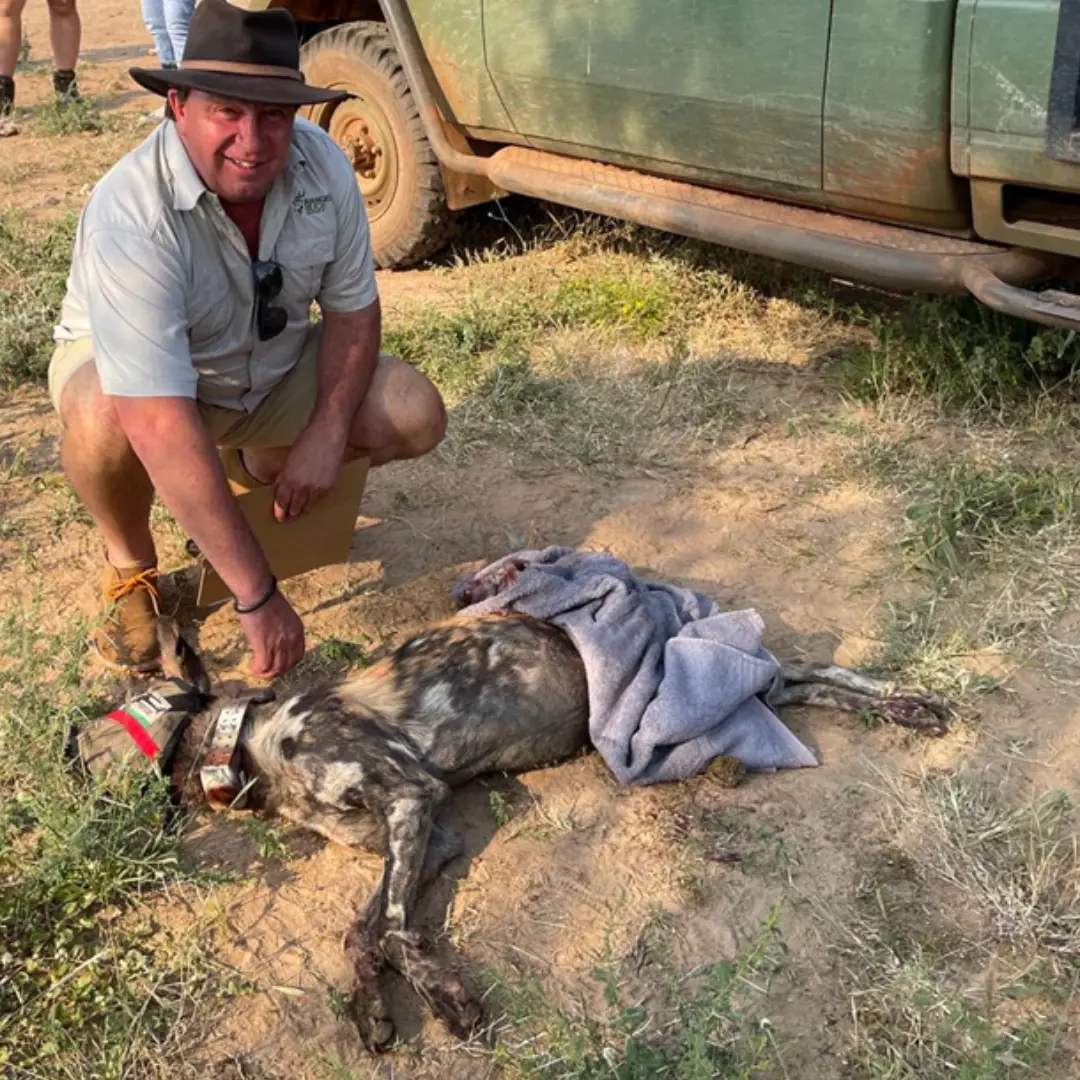
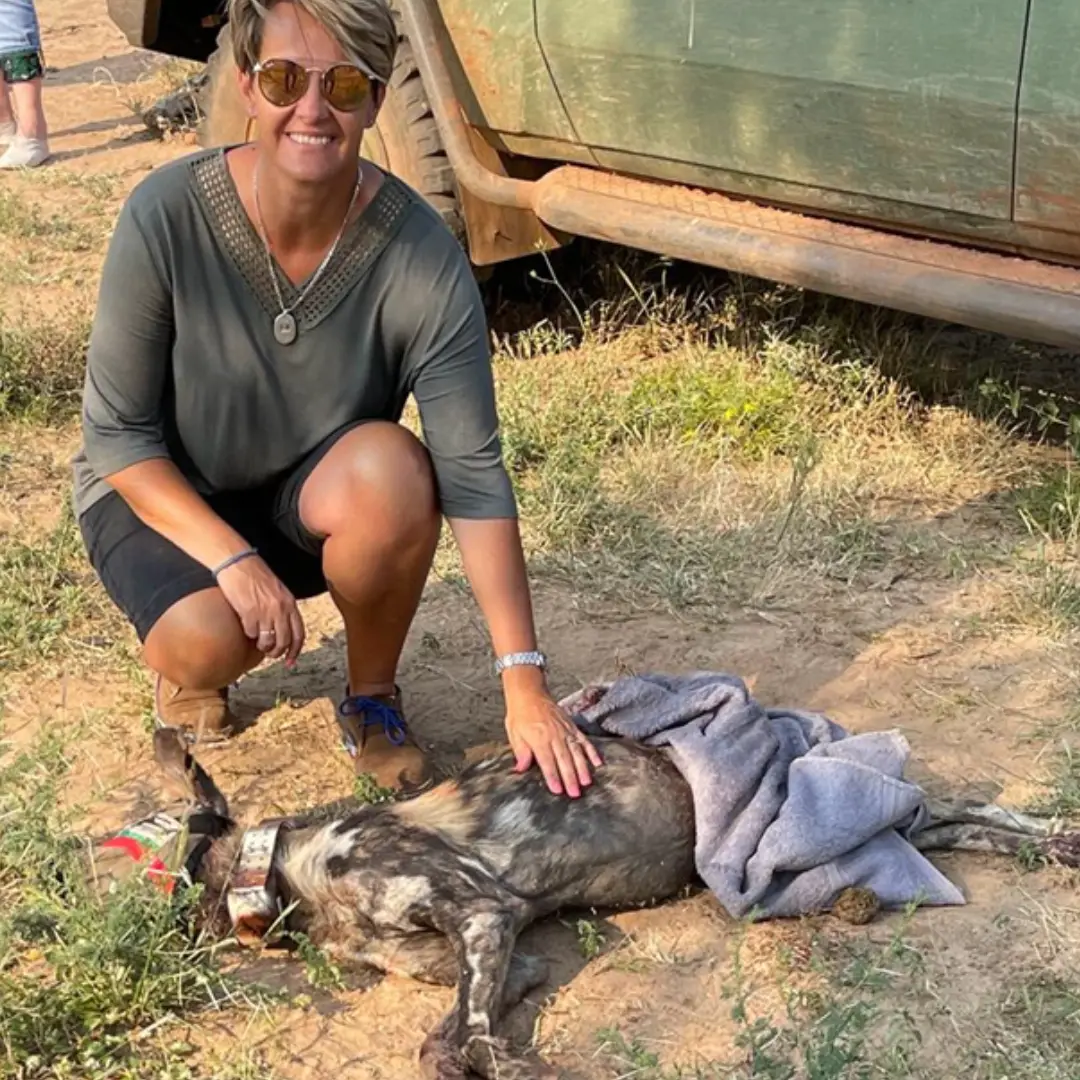
This short film shows a monitored conservation operation in Madikwe Game Reserve, where the Ranger Buck team joins professional conservation specialists working with a known wild dog pack. The operation is guided by prior tracking data and conducted under strict veterinary oversight.
The focus is the alpha female, the dominant breeding individual whose health directly influences pack stability. Once safely immobilised according to established welfare protocols, the team conducts necessary health assessments, gathers biological data, and administers preventative treatment against infectious disease — one of the most serious risks facing fragmented wild dog populations.
Importantly, the procedure is not staged for entertainment. It is conducted only when conservation need, permits, and professional judgment align. Activities vary depending on real-world conditions, and animal welfare always overrides guest expectations.
Operations like this reflect the core principles of ethical conservation:
Professional supervision
Evidence-based decision making
Minimal necessary intervention
Transparency about what is and is not guaranteed
This is the model Ranger Buck aligns with — conservation that prioritises stability, long-term resilience, and responsible involvement over spectacle.
Quick Menu
1. Welfare Comes Before Guest Experience
2. Professional Oversight Is Non-Negotiable
3. Monitoring Is Continuous, Not Performative
4. Interventions Are Targeted, Not Frequent
5. Fragmentation Is Acknowledged
6. Human–Wildlife Conflict Is Addressed
7. Transparency About What Is Not Guaranteed
8. Tourism Supports Conservation
9. Why Ranger Buck Aligns With This Model
10. Common Ethical Red Flags to Watch For
11. FAQs
1. Welfare Comes Before Guest Experience
Ethical conservation prioritises the animal — not the traveller.
✔ Activities vary depending on conservation needs
✔ Operations are cancelled if conditions are not appropriate
✔ No guaranteed close interaction
✔ No pressure placed on wildlife for photographs
If a provider guarantees specific interactions or proximity, that is a red flag.
2. Professional Oversight Is Non-Negotiable
Responsible wild dog conservation involves qualified professionals.
✔ Wildlife veterinarians conduct or supervise medical procedures
✔ Operations follow established welfare protocols
✔ Monitoring data informs decisions
✔ Interventions are justified by conservation need
If veterinary procedures appear staged for tourists, it is not ethical.
3. Monitoring Is Continuous, Not Performative
True conservation is built on data.
✔ GPS or telemetry tracking informs pack movement understanding
✔ Long-term monitoring contributes to research
✔ Findings are shared with recognised conservation bodies
✔ Decisions are evidence-based, not reactive
Behind-the-scenes work often matters more than visible activity.


4. Interventions Are Targeted, Not Frequent
Wild dog populations are fragile.
Unnecessary intervention increases stress.
Ethical practice means:
✔ Intervening only when necessary
✔ Protecting breeding stability
✔ Managing disease risk where appropriate
✔ Minimising disturbance during denning periods
Conservation is about restraint as much as action.
5. Fragmentation Is Acknowledged
Any responsible operator understands that wild dogs survive in fragmented subpopulations.
✔ The landscape context is explained
✔ Corridor connectivity is valued
✔ Conflict risk is recognised
✔ Conservation is framed at ecosystem scale
If conservation is presented as isolated heroism rather than landscape planning, it lacks depth.
6. Human–Wildlife Conflict Is Addressed
Wild dogs often move beyond protected areas.
Ethical conservation includes:
✔ Community awareness
✔ Conflict mitigation strategies
✔ Respect for local livelihoods
✔ Recognition that coexistence matters
Conservation that ignores community context is incomplete.
7. Transparency About What Is Not Guaranteed
Ethical wildlife travel is honest.
✔ No guaranteed sightings
✔ No guaranteed procedures
✔ No scripted wildlife encounters
✔ Clear explanation of variable conditions
Wild animals move freely. Responsible providers make this clear.
8. Tourism Supports Conservation — Not the Other Way Around
Conservation should not exist purely to entertain guests.
✔ Experiences align with existing conservation work
✔ Tourism supports monitoring and protection
✔ Conservation priorities drive itinerary design
✔ Welfare always overrides guest expectations
Responsible tourism contributes quietly, without spectacle.
Why Ranger Buck Aligns With This Model
Ranger Buck’s conservation experiences are built around these principles:
Welfare-first decision making
Professional oversight
Landscape-aware planning
Realistic expectations
Personalised itineraries grounded in conservation context
Rather than designing experiences around guaranteed wildlife moments, the focus is on understanding pack stability, fragmentation challenges, and long-term survival.
For travellers who value conservation integrity as much as comfort, that distinction matters.
Common Ethical Red Flags to Watch For
• Guaranteed darting demonstrations
• Guaranteed hands-on animal contact
• No mention of monitoring data
• No discussion of fragmentation or pack stability
• Conservation framed purely as spectacle
• No veterinary or professional supervision
If an experience feels staged, it likely is.
FAQ: Wild Dog Conservation Ethics
Is wild dog conservation tourism ethical?
It can be — when welfare, professional oversight, and long-term monitoring guide all activities.
Should conservation experiences guarantee interaction?
No. Ethical conservation cannot promise specific wildlife encounters.
Are veterinary procedures performed for tourism?
In responsible operations, medical intervention occurs only when justified by conservation need — not for demonstration.
How do I know if a conservation experience is legitimate?
Look for transparency, professional involvement, monitoring context, and honest communication about limitations.
Ethical Travel, Meaningful Conservation
Wild dog conservation is not about proximity.
It is about protection.
If you’re considering a conservation-aligned safari built around these principles:
→ Explore the Wild Dog Conservation Experience
→ Curate Your Own Personalised Travel Itinerary
Wild Dog Conservation Library
If you’re exploring African wild dog conservation, these guides will help you understand why they’re endangered, how conservation works in practice, and what an ethical experience should look like.
Wild dog conservation explained (how protection works + what conservation teams actually do) →
How many African wild dogs are left? (population context + why counts vary) →
Why are wild dogs endangered? (biggest threats + why packs are vulnerable) →
African Wild Dog Population 2026 Trends, Stability and Future Outlook →
Where to see African wild dogs (regions + responsible viewing tips) →
Is a wild dog conservation experience ethical? (what “ethical” looks like + red flags) →
- How Wild Dog Conservation Works (painted wolves) →
Wild Dog Conservation Experience (plan a tailored itinerary) →
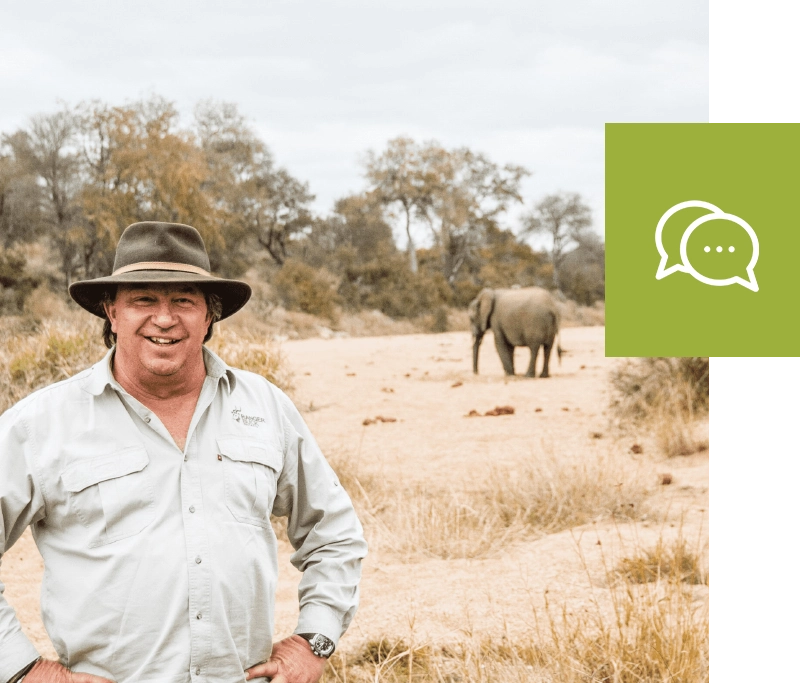
Curate Your Own
Personalised Travel Itinerary
Curate Your Own Personalised Travel Itinerary
We specialise in creating completely personalised travel itineraries tailored to your personal needs and expectations. Simply click on the button below to chat to one of our ecosafari specialists and lets start planning your very best African safari to your very favourite destination.
get in touch with us
+27 83 653 5776
+27 83 653 5776 (WhatsApp)
info@rangerbucksafaris.com
16 Lourie Close, Meyersdal Eco Estate,
Alberton, Gauteng
16 Lourie Close, Meyersdal Eco Estate, Alberton, Gauteng
Website by Keeden Marketing | 2024
