

Plan a trip
Rhino Conservation Safari: A Guide for Australian Travellers
Last updated: April 2026
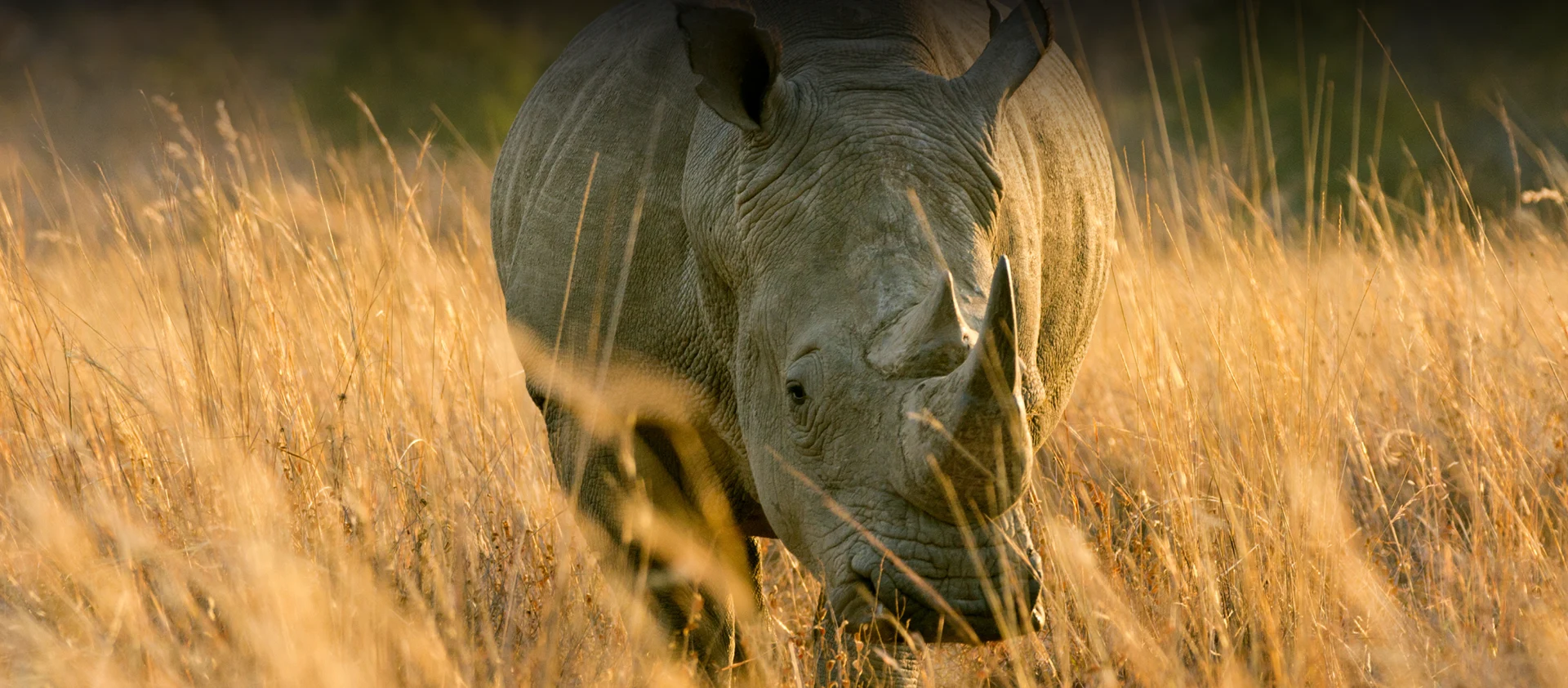
South Africa holds more than 80% of the world’s remaining rhinos and is the epicentre of both the poaching crisis and the conservation response. Ranger Buck Safaris offers Australian travellers the most hands-on wildlife conservation experience available in Africa — working beside a wildlife vet during a real rhino darting operation.
Here is everything you need to plan your trip from Australia.
Why Australians Are Choosing Rhino Conservation Safaris
Australia has one of the most conservation-engaged travelling populations in the world. The parallels between managing apex predator pressures in outback Australia and managing rhino conservation on the margins of Kruger are closer than most travellers expect — Australians who arrive at a rhino conservation operation tend to engage at an unusually deep level.
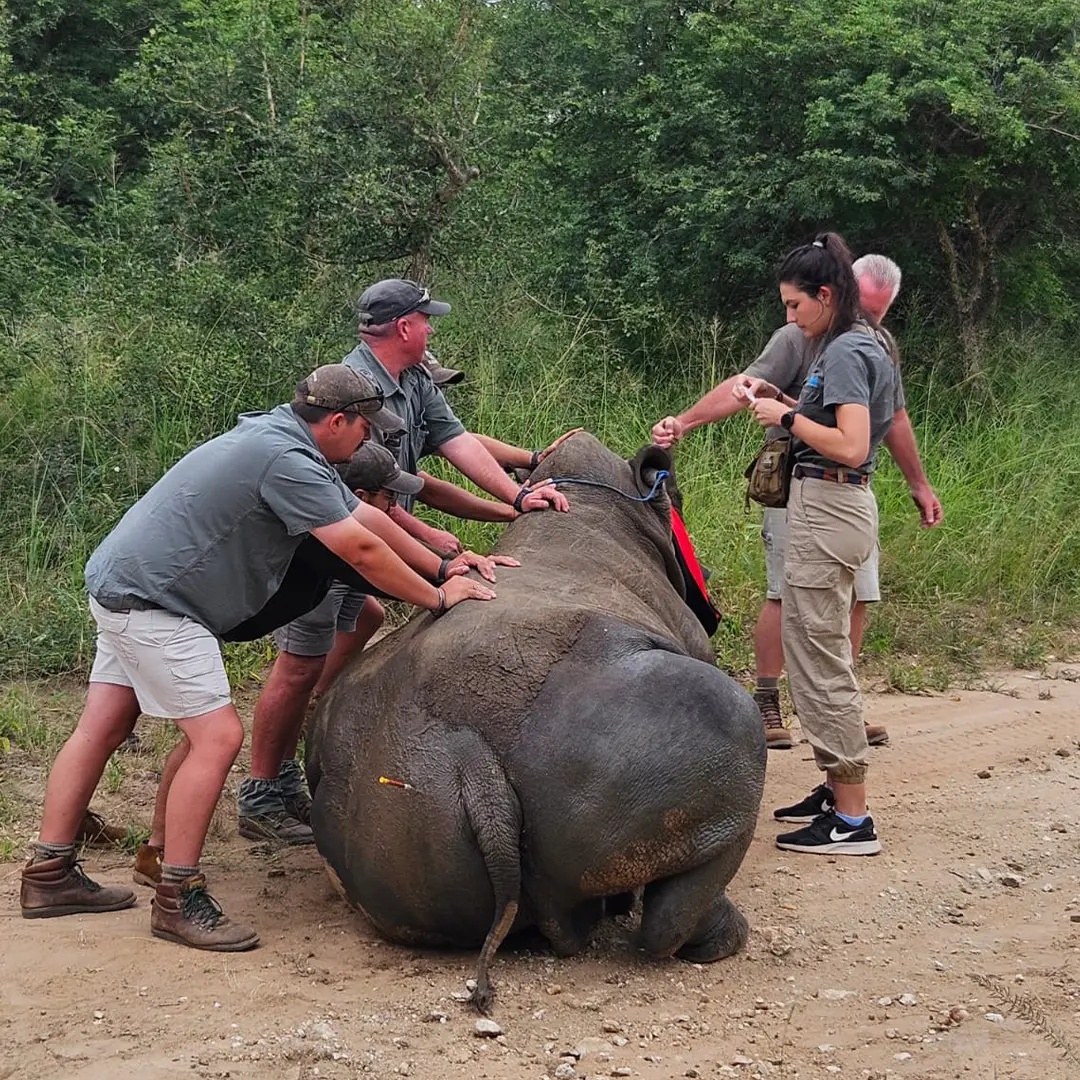
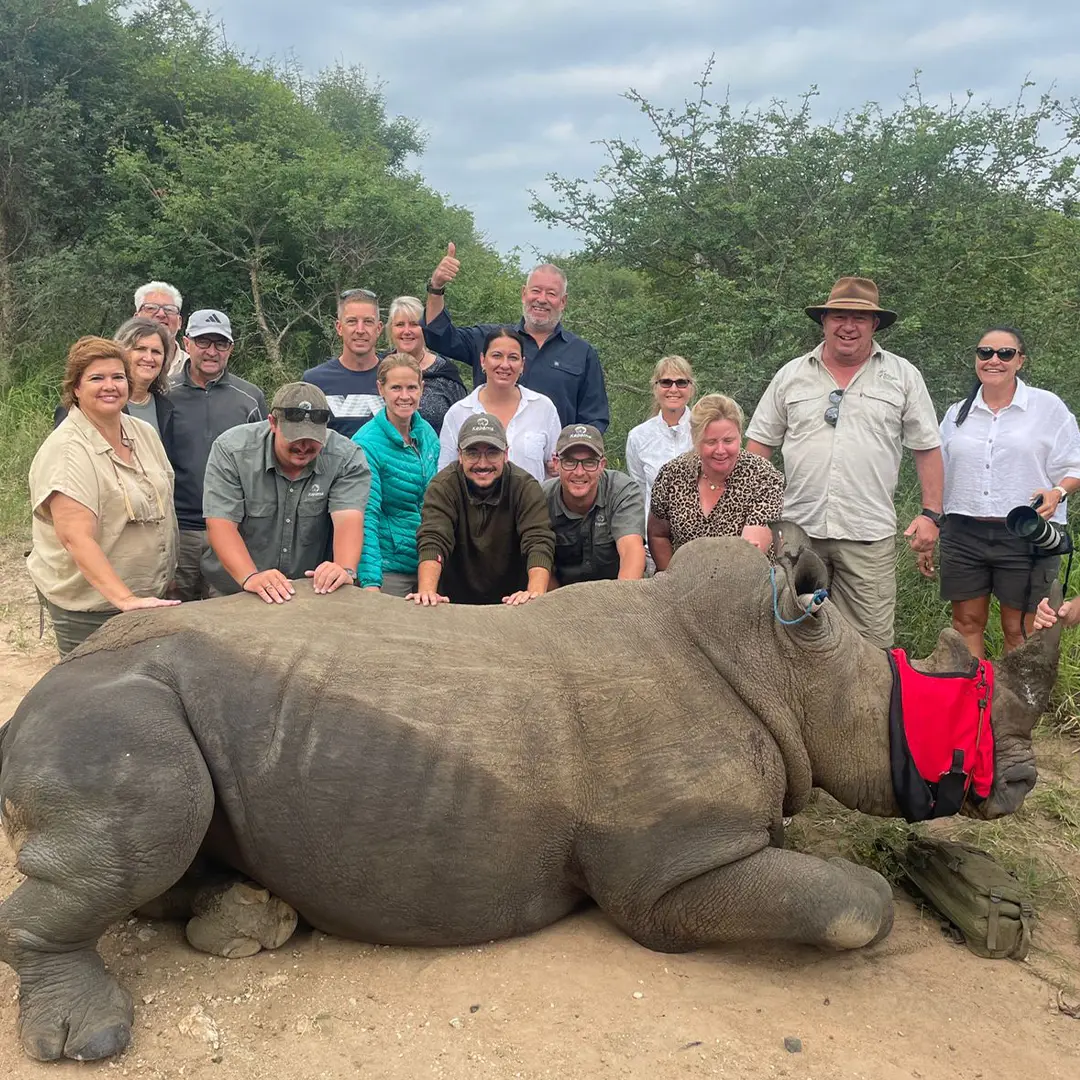
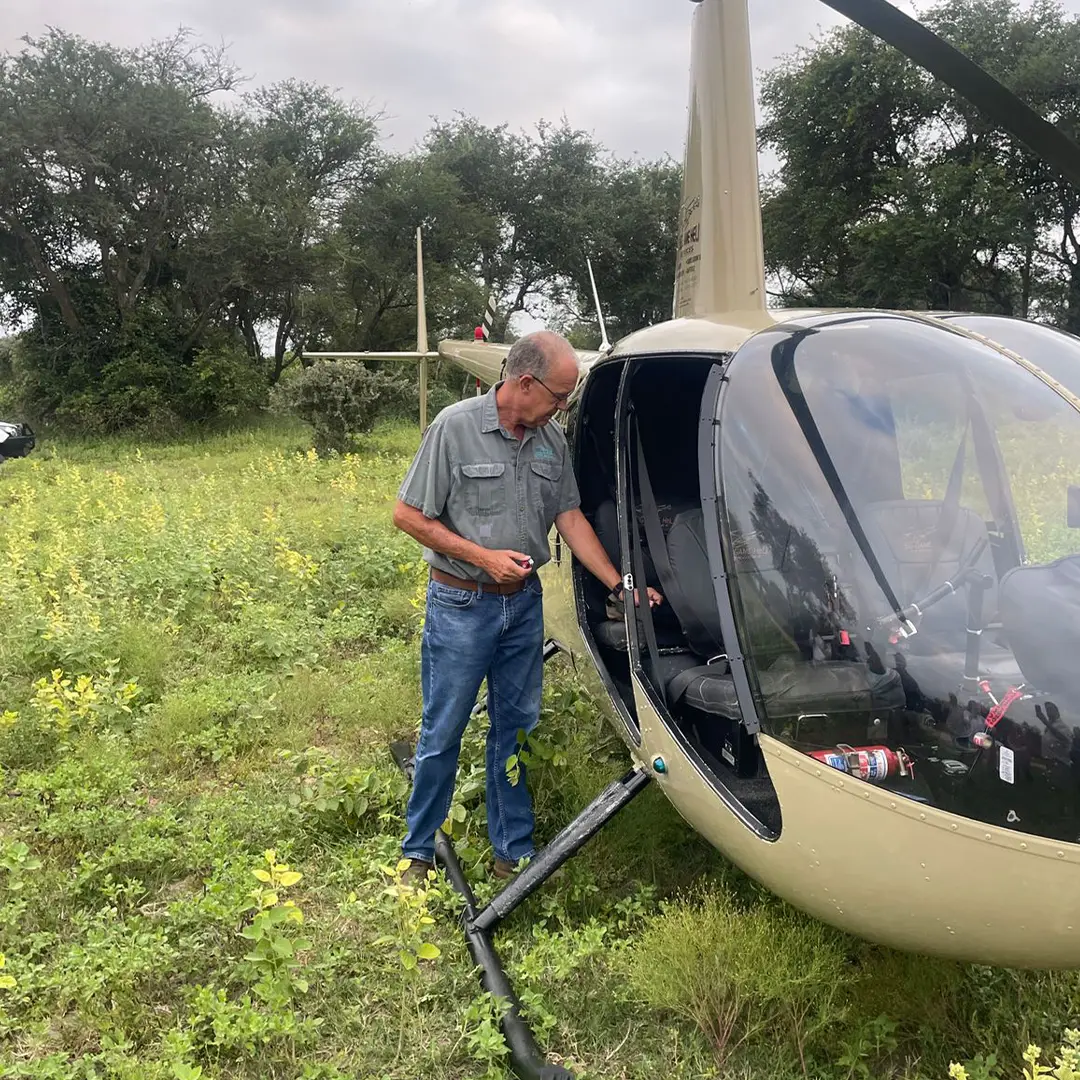
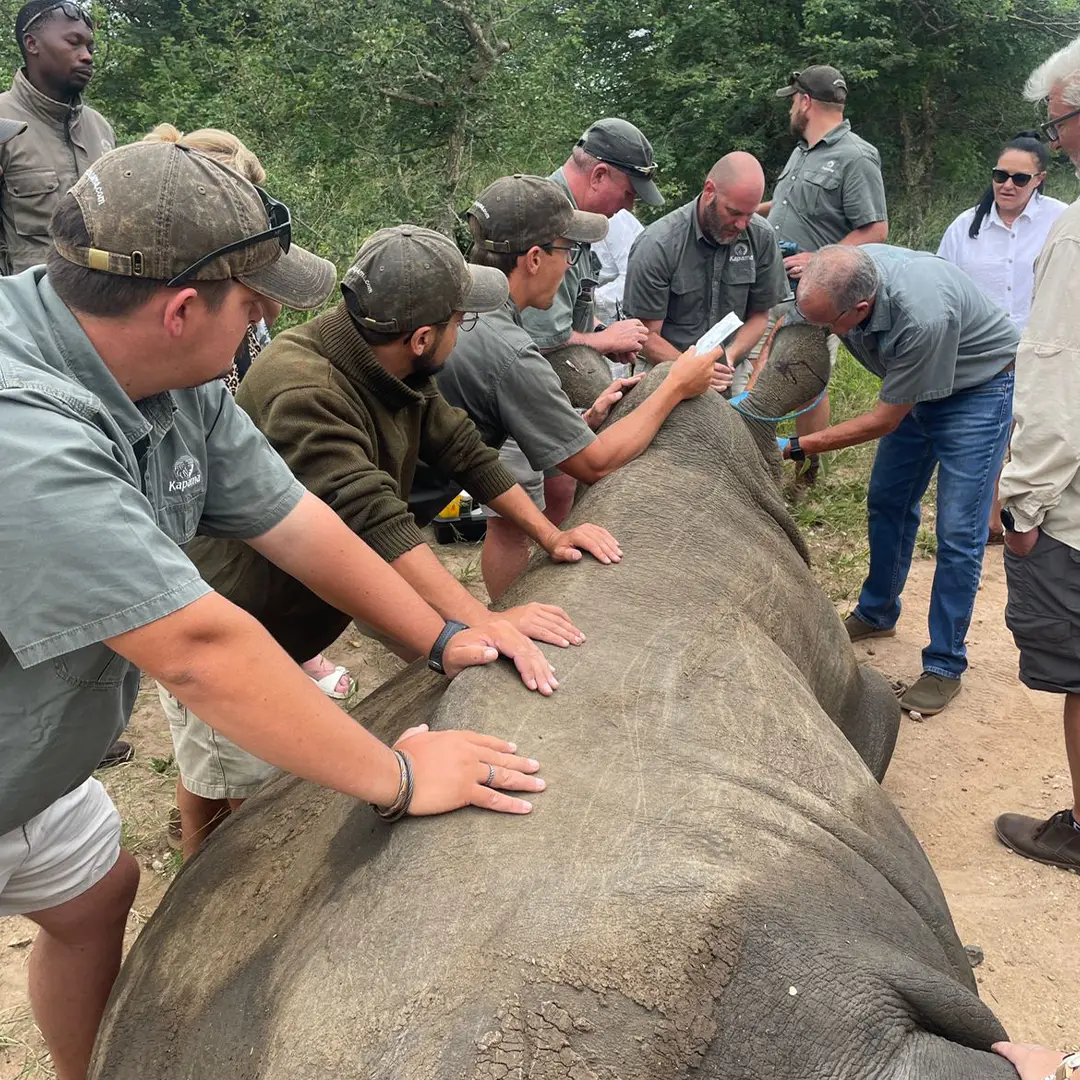
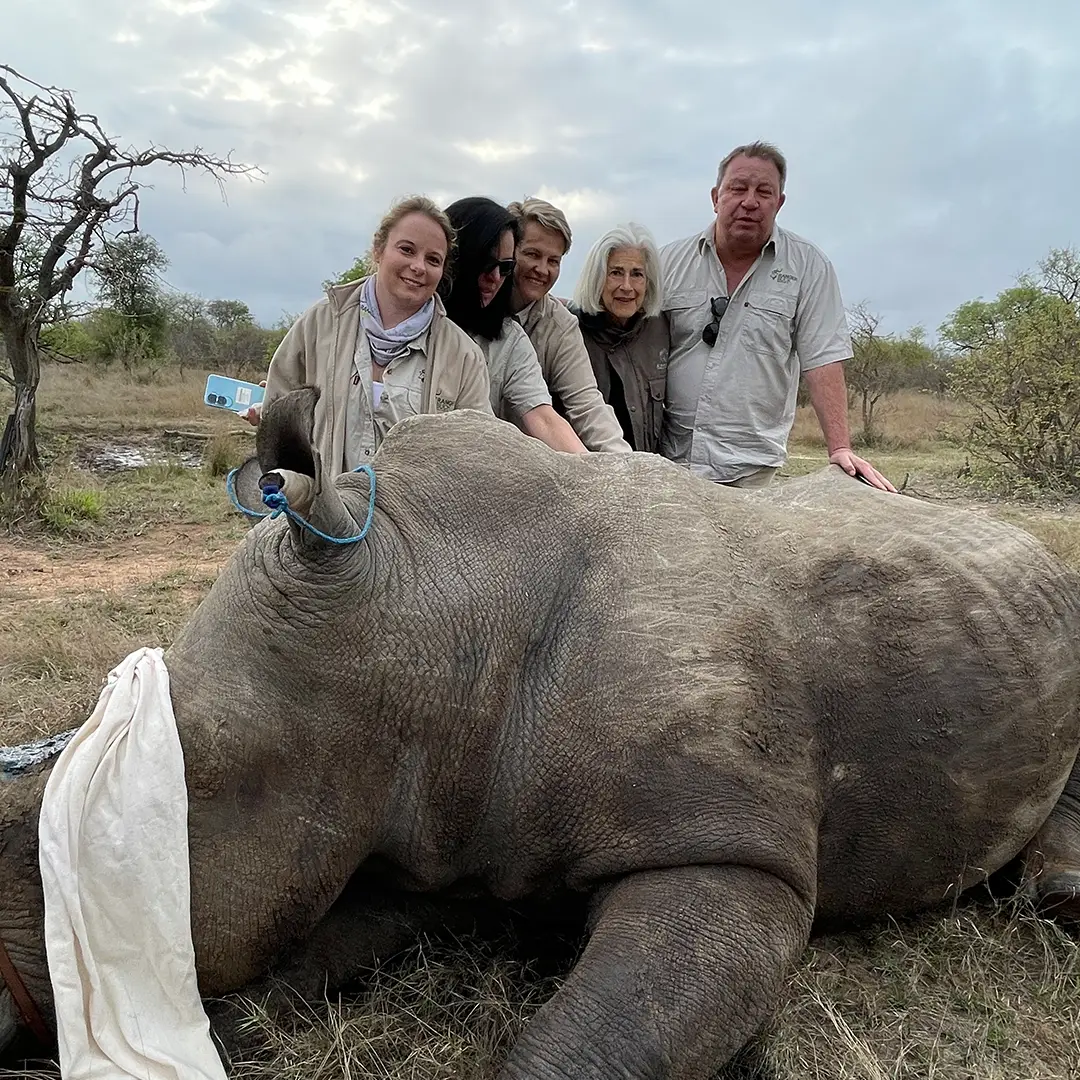
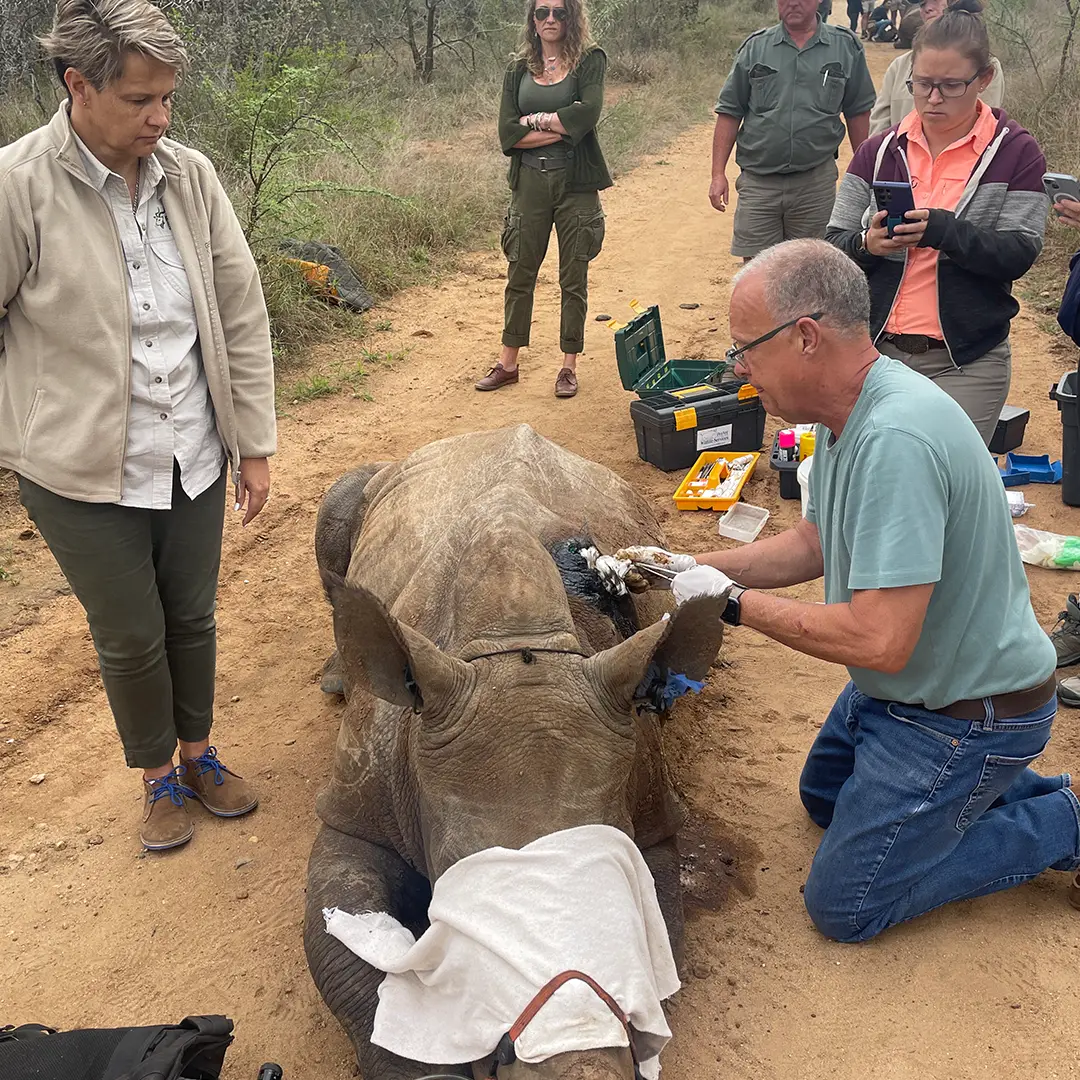
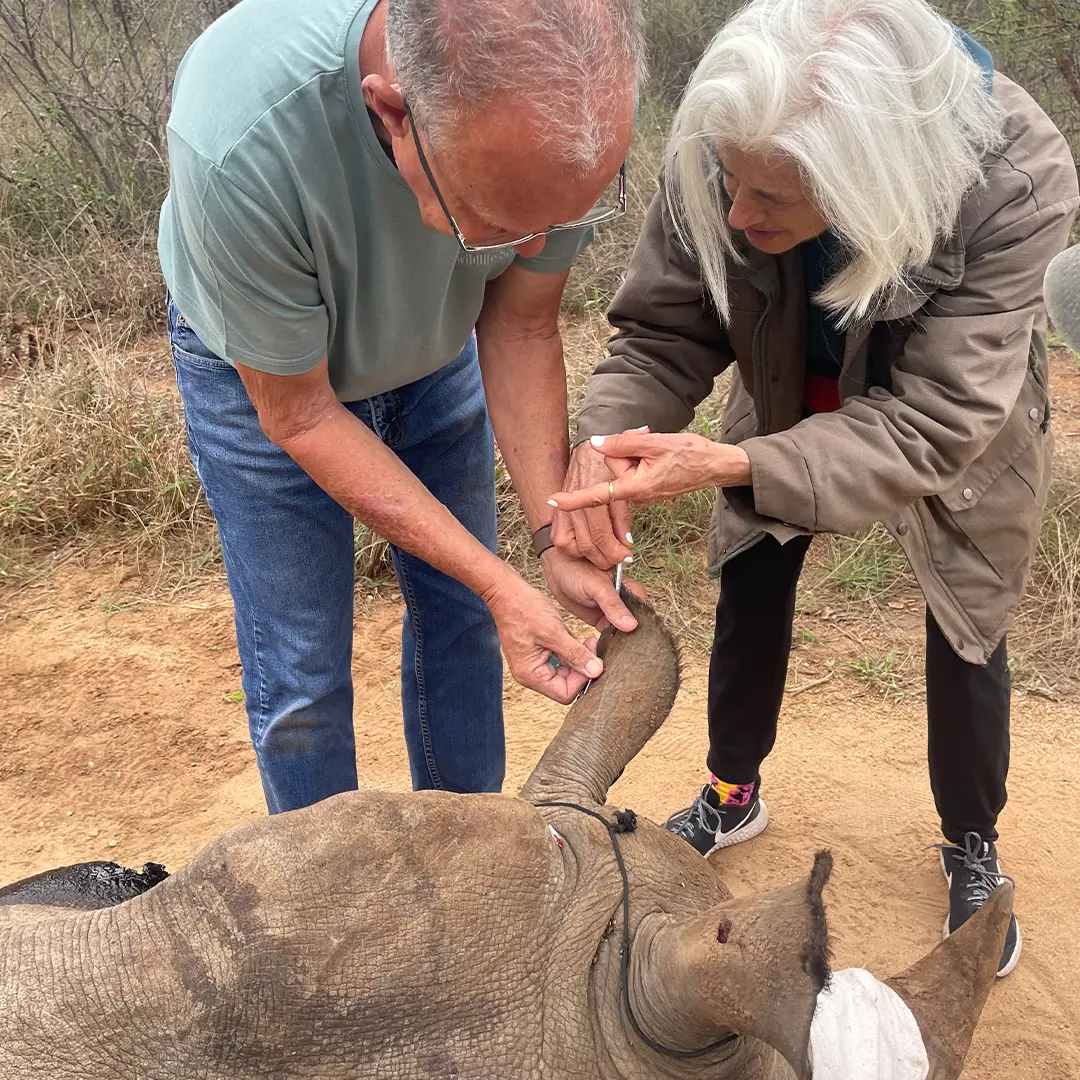
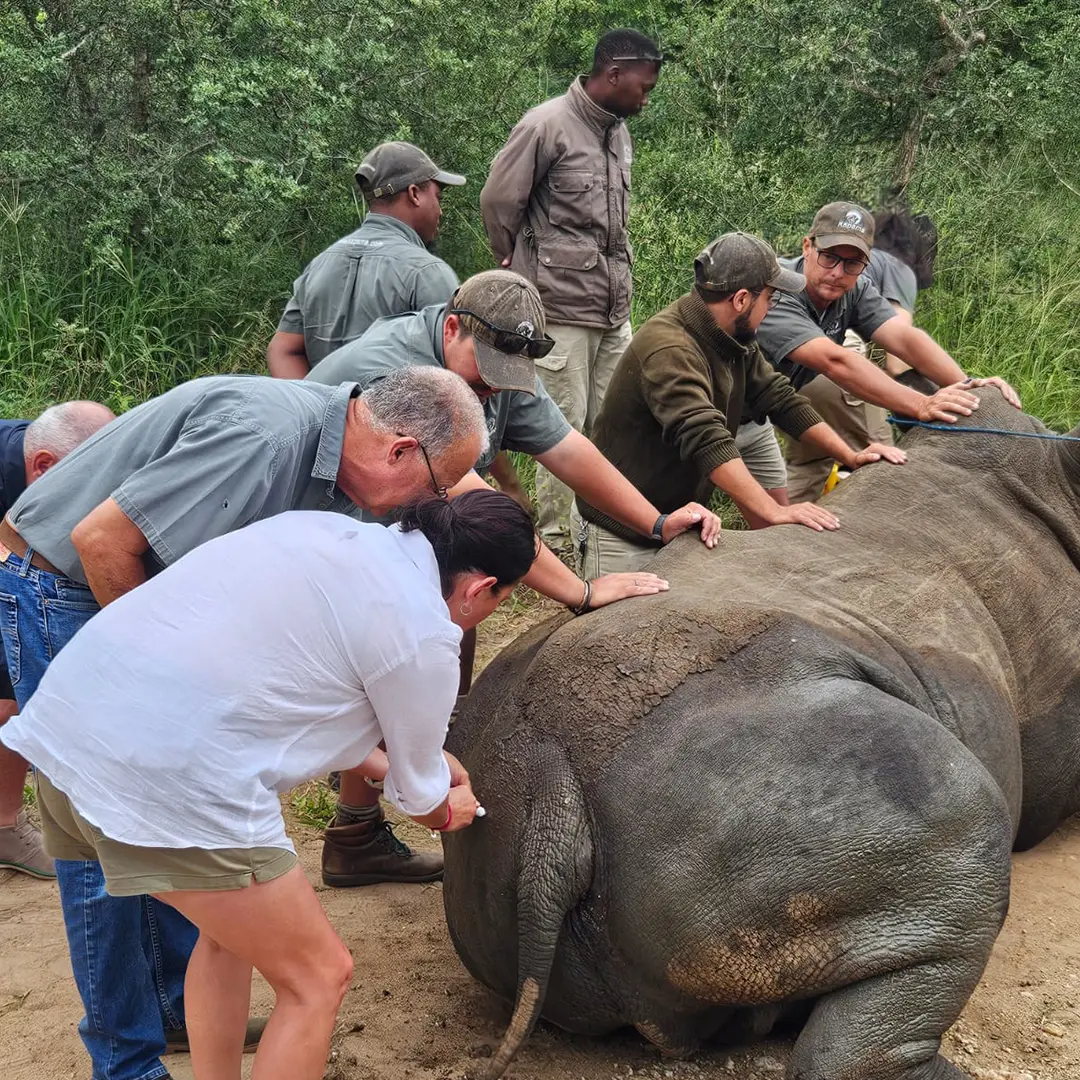
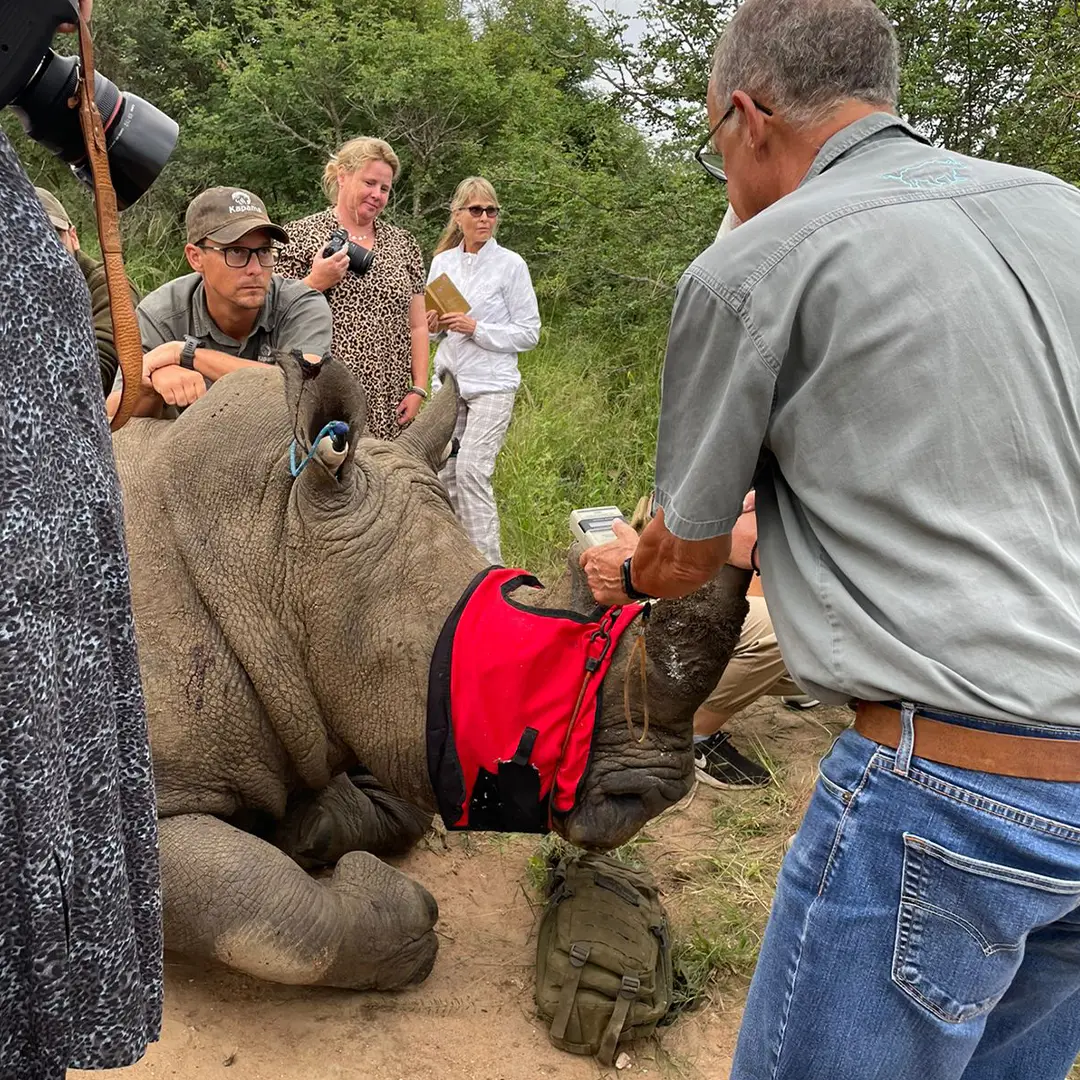
The Ranger Buck experience goes beyond awareness. Your booking funds the helicopter, the vet team, and the medical supplies for a real darting procedure. You stand in the bush beside a sedated white rhino and help the vet do the work — monitoring vitals, DNA sampling, taking measurements that feed the national protection database. There is no equivalent experience in Australian wildlife tourism. For Australians making the long trip to Africa, this is exactly the kind of story worth the journey.
Getting to South Africa from Australia
Perth (PER) has a direct South African Airways service to Johannesburg — approximately 10–11 hours, the shortest route from any Australian city. From Sydney or Melbourne, Emirates via Dubai reaches Johannesburg in approximately 14–15 hours total; Singapore Airlines via Changi takes 15–16 hours. Australian citizens do not require a visa for South Africa. From Johannesburg, a 30–50 minute domestic flight reaches Hoedspruit (HDS) for the Greater Kruger rhino operations. Perth travellers benefit from minimal time zone adjustment — South Africa is only 6 hours behind.
Best Time to Visit from Australia
Rhino veterinary operations run year-round. The Southern African dry season (May–October) provides the best conditions and coincides with the Australian winter — an appealing escape from cold southern states. The mid-year school holidays (late June to mid-July) are the top booking window for Australian families. September–October school holidays also catch excellent late dry season conditions. Book 4–6 months ahead to align with a scheduled operation.
What Your Rhino Conservation Safari Involves
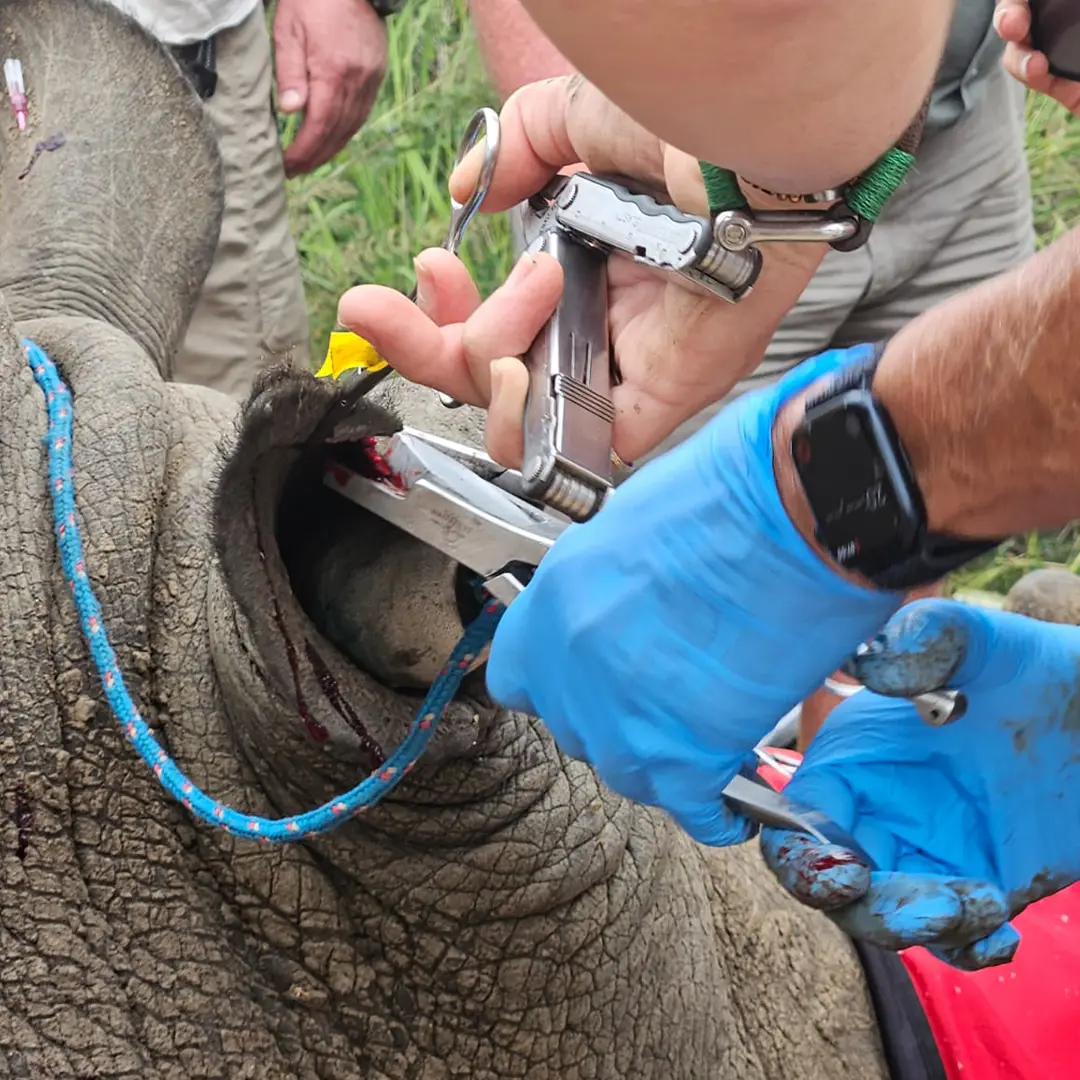
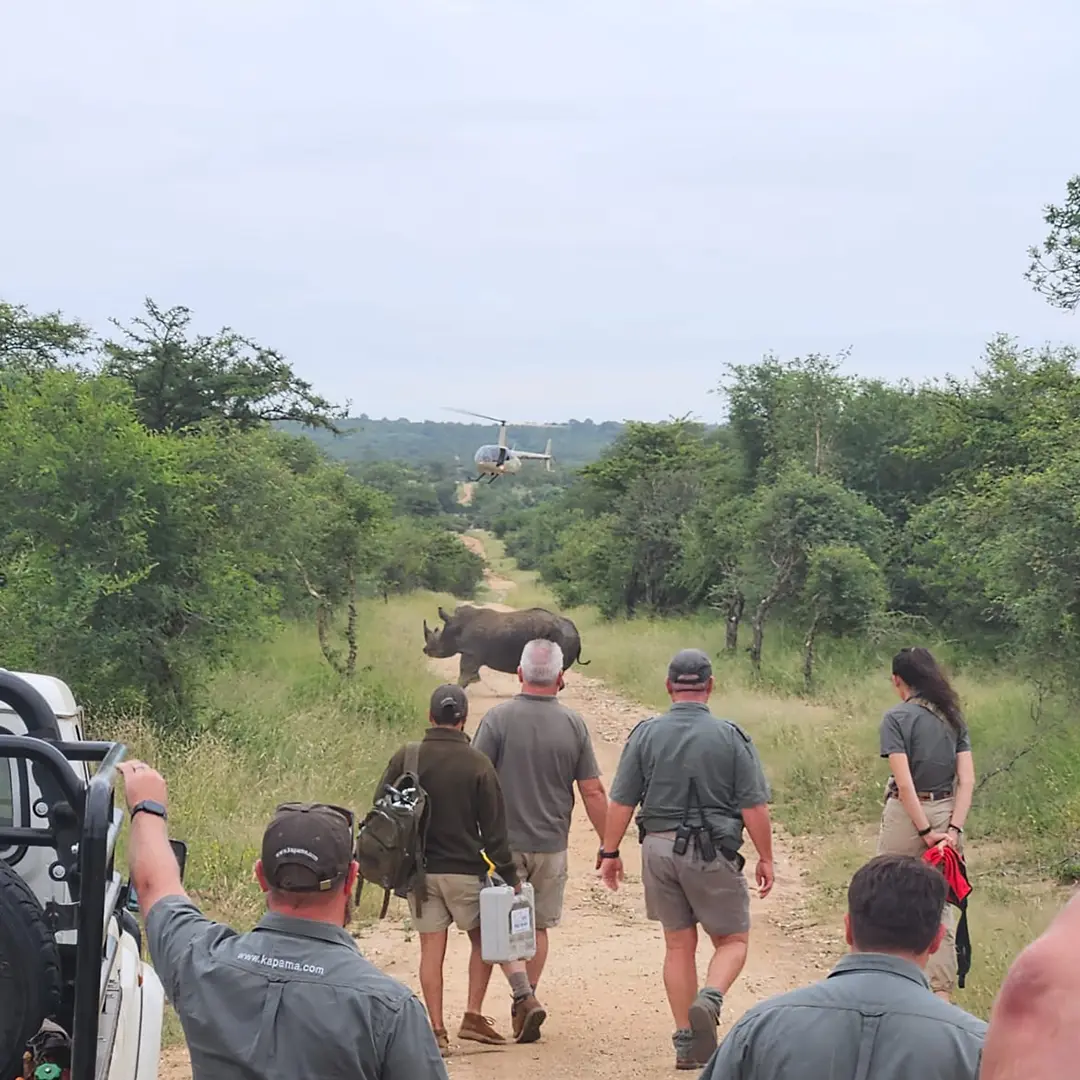
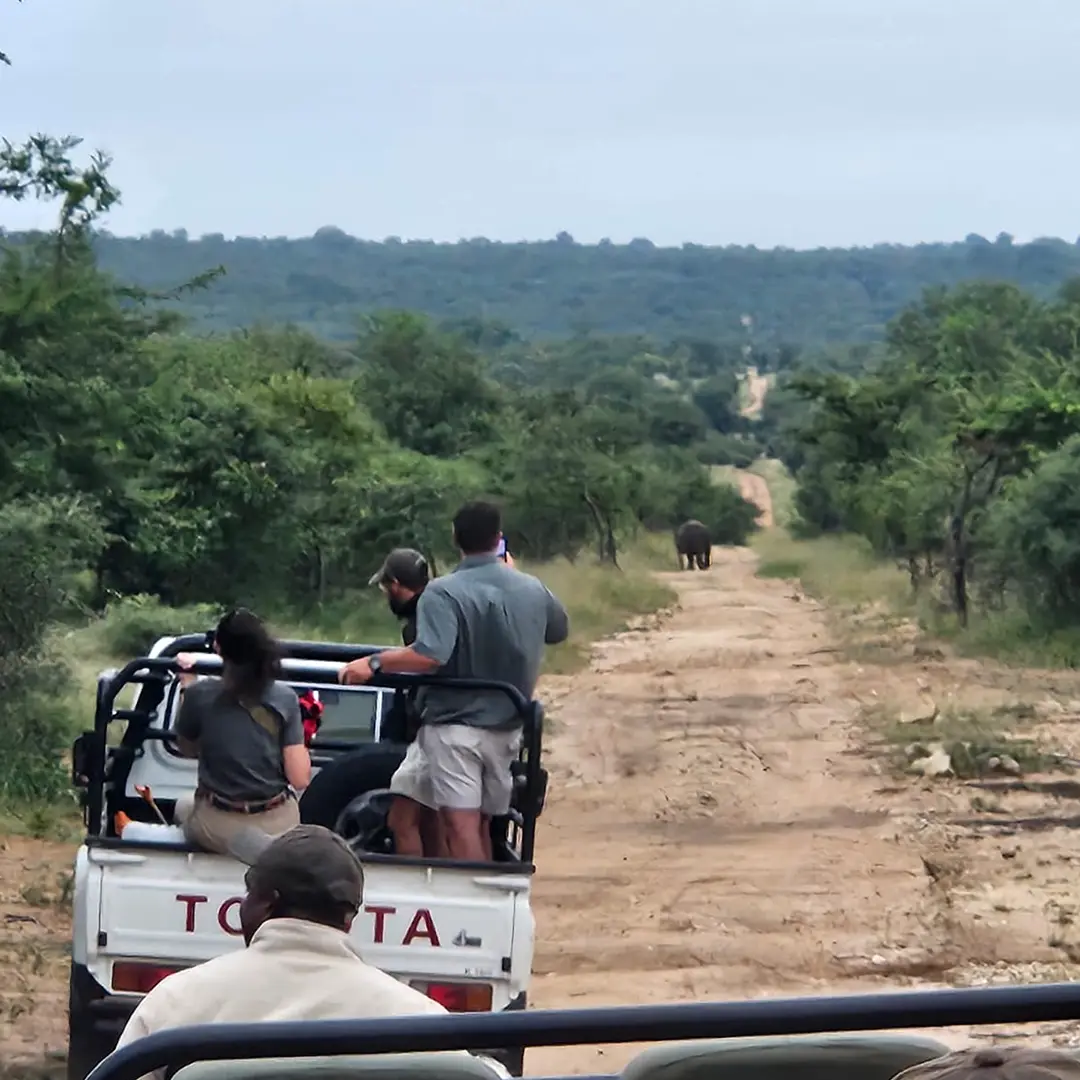
The operation begins with a vet briefing on the target rhino and conservation objective. The ground team deploys as the helicopter scans from above. Once the rhino is safely darted and the area secured, guests leave the vehicle. Under the vet’s direct supervision you may help monitor breathing and heart rate, administer eye drops and cooling water, assist with DNA sample collection, and take measurements for the national rhino database. The team then watches the rhino wake and return to the bush, unharmed and now better protected.
A bush breakfast and team debrief follows. Ranger Buck never darts an animal for tourist purposes — the procedure happens because conservation requires it, and your booking provides the funding.
What It Costs — AUD Context
From approximately AUD 11,000 per person sharing in a group of 4, covering the complete vet operation, 3 nights luxury lodge full-board, return domestic flights JNB–Hoedspruit, and daily game drives. Additional nights at Greater Kruger private reserves run approximately AUD 920–AUD 2,300 per person per night. Return flights from Sydney/Melbourne to Johannesburg add approximately AUD 1,800–AUD 3,500; Perth direct adds approximately AUD 1,400–AUD 2,200.
Building Your Itinerary from Australia
10 nights — Rhino and Cape Town: Johannesburg + 4 nights Veterinary Rhino Conservation (Greater Kruger) + 3 nights Cape Town. The operation anchors the trip; Cape Town provides the city and landscape contrast.
14 nights — Full circuit: Johannesburg + 4 nights Rhino Conservation + 3 nights extended Kruger private reserve + Hluhluwe-iMfolozi (black rhino country) + Cape Town. For Australian travellers wanting the deeper conservation experience. Enquire with your travel window and group composition — we confirm operation availability within 48 hours.
Rhino Conservation Library
Everything you need to understand the rhino conservation crisis — and what a real hands-on veterinary conservation experience involves.
- Rhino Conservation Experience (the hub — start here) →
- Rhino conservation efforts explained (how protection works, what’s involved) →
- How many rhinos are left in South Africa? (latest context + why it matters) →
- Join the veterinary team (notching, DNA sampling, the real behind-the-scenes operation) →
- Ethical rhino conservation safari checklist (what to avoid + what to choose) →
- Black rhino conservation experience (South Africa) →
- Custom rhino conservation experience (Southern Africa) →
get in touch with us
+27 83 653 5776
+27 83 653 5776 (WhatsApp)
info@rangerbucksafaris.com
16 Lourie Close, Meyersdal Eco Estate,
Alberton, Gauteng
16 Lourie Close, Meyersdal Eco Estate, Alberton, Gauteng
Website by Keeden Marketing | 2024
