
Plan a trip
Elephant Conservation Safari: A Guide for American Travelers
Last updated: April 2026
African elephants are among the most beloved animals on the planet — and among the most threatened. Both savanna and forest elephant species are now classified as Endangered or Critically Endangered. Ranger Buck Safaris gives American travelers direct access to the field operations that are changing outcomes for elephants in Southern Africa.
Here is everything you need to plan your elephant conservation trip from the USA.
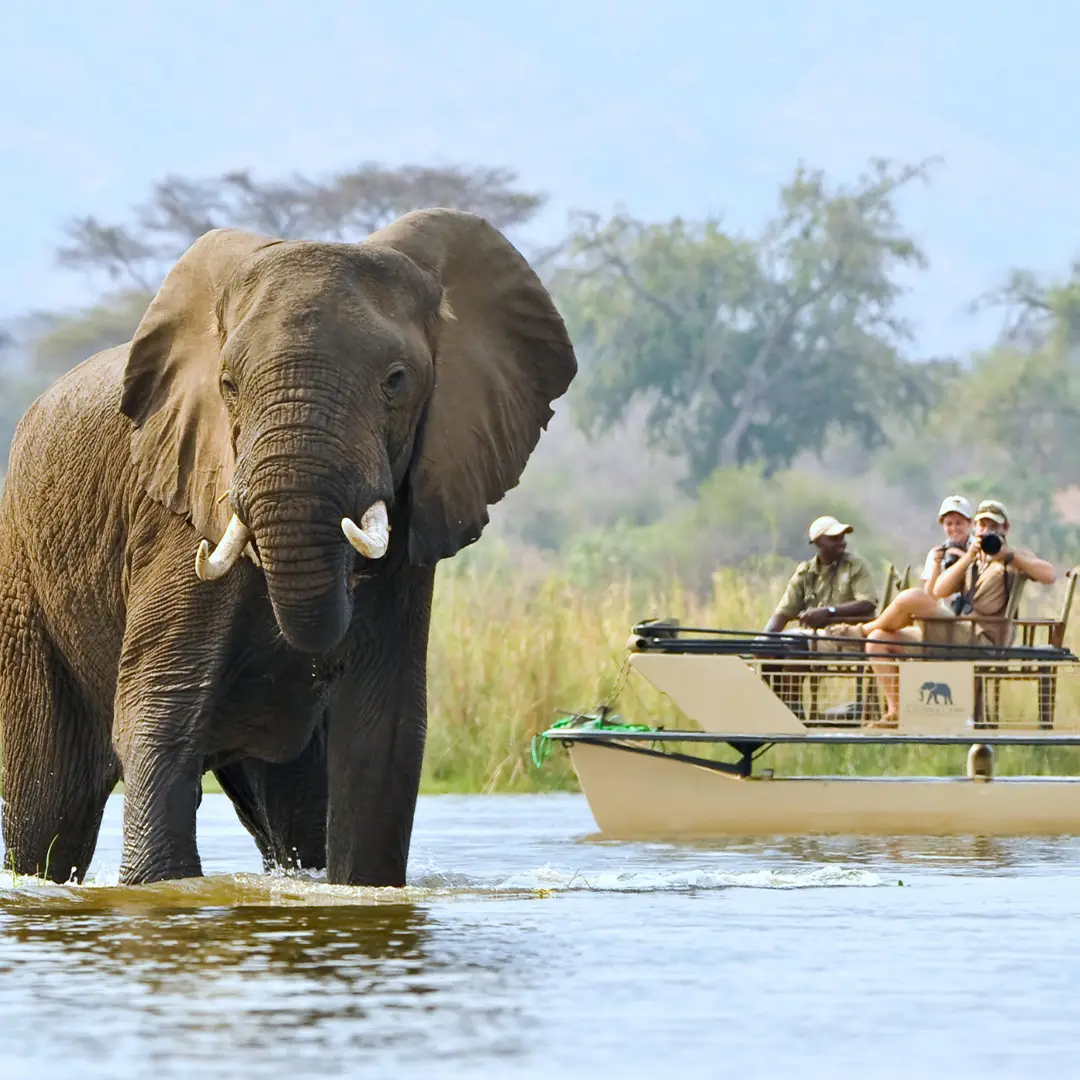
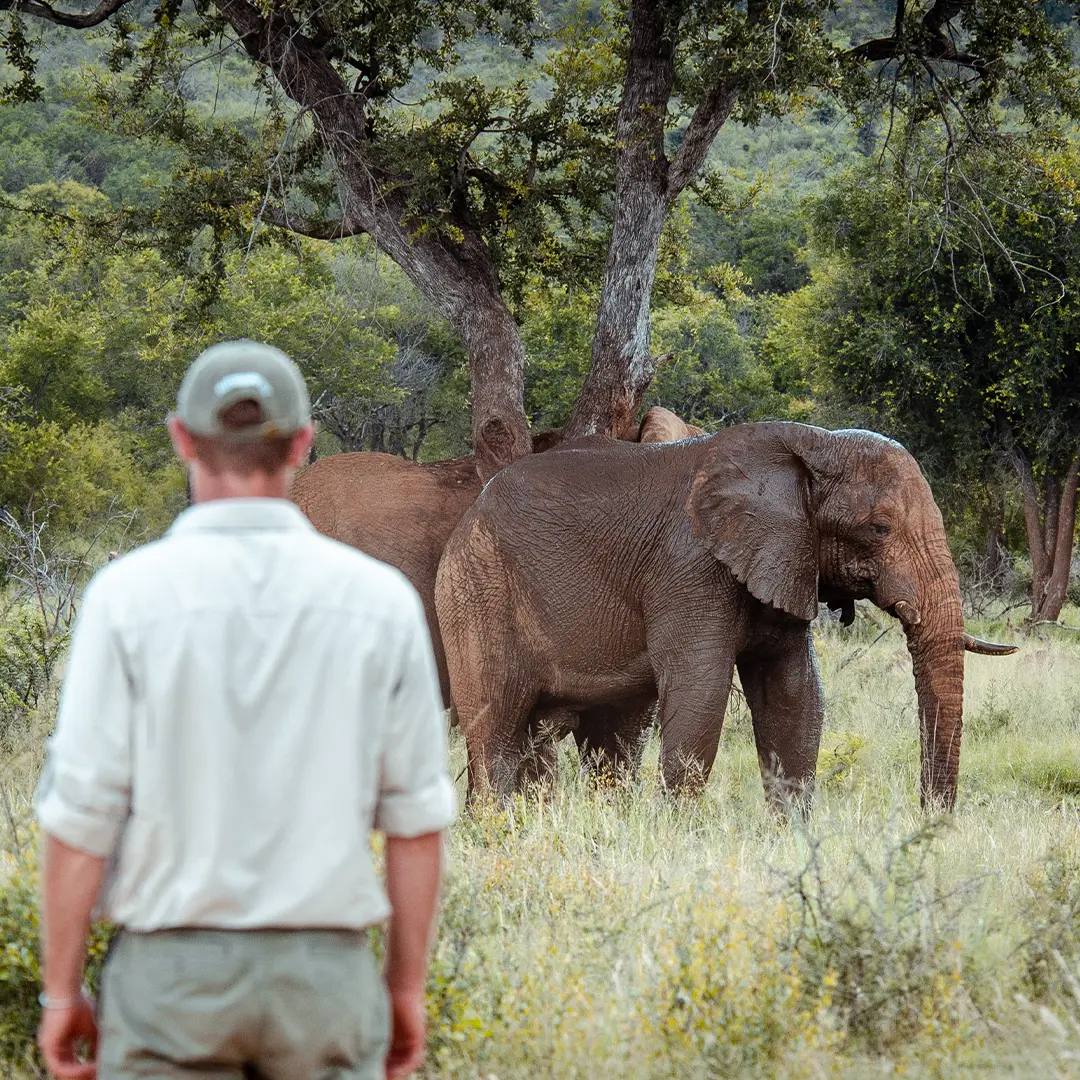
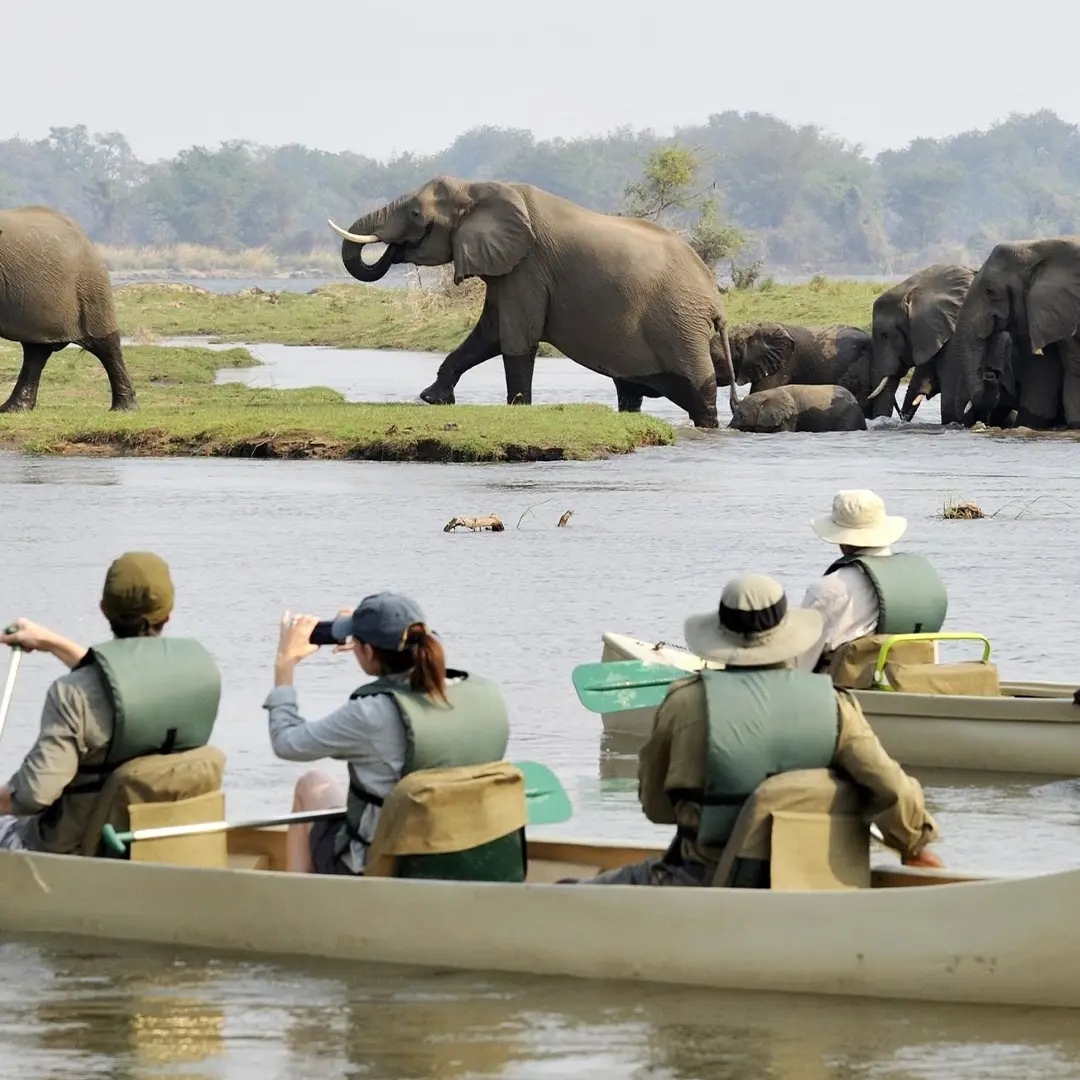
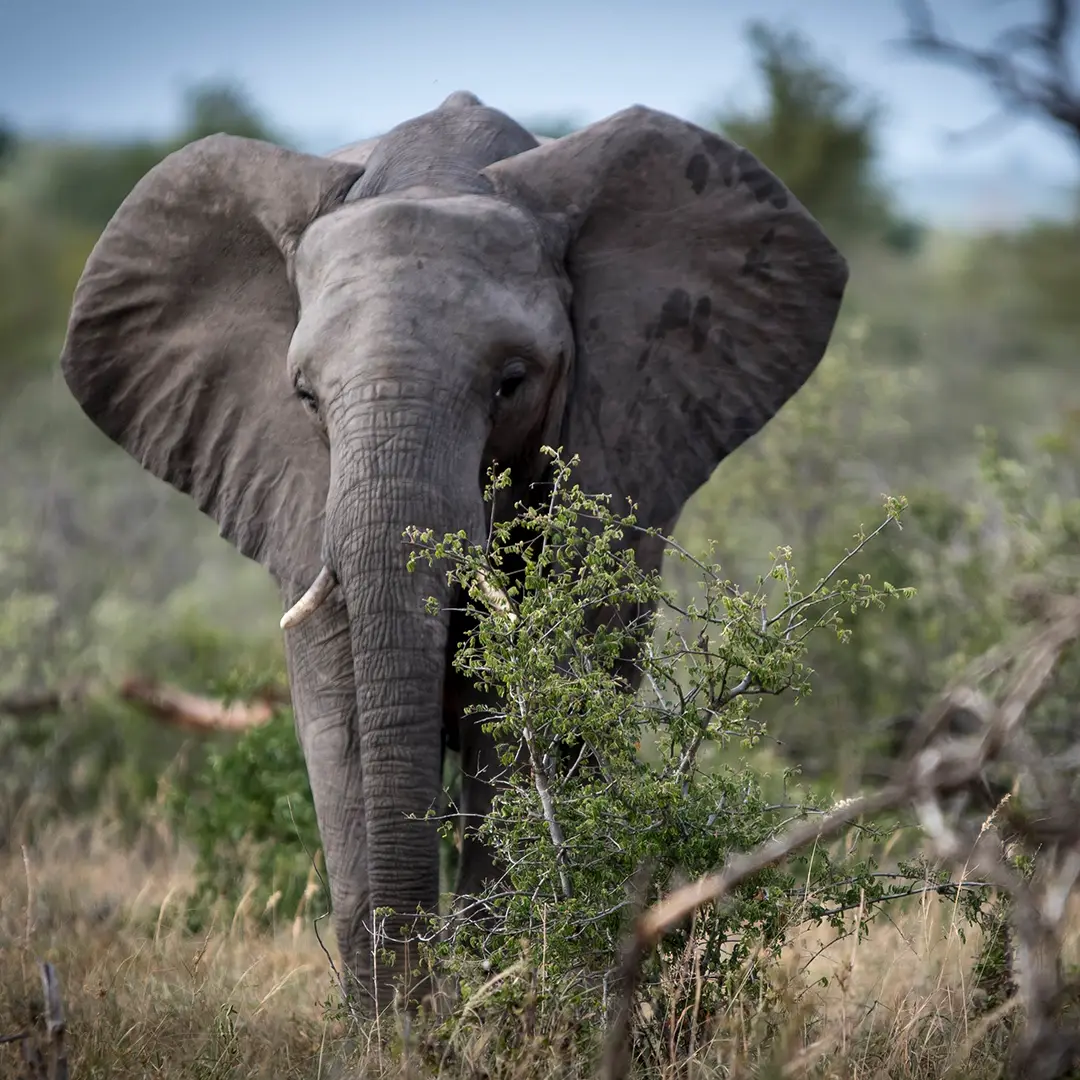
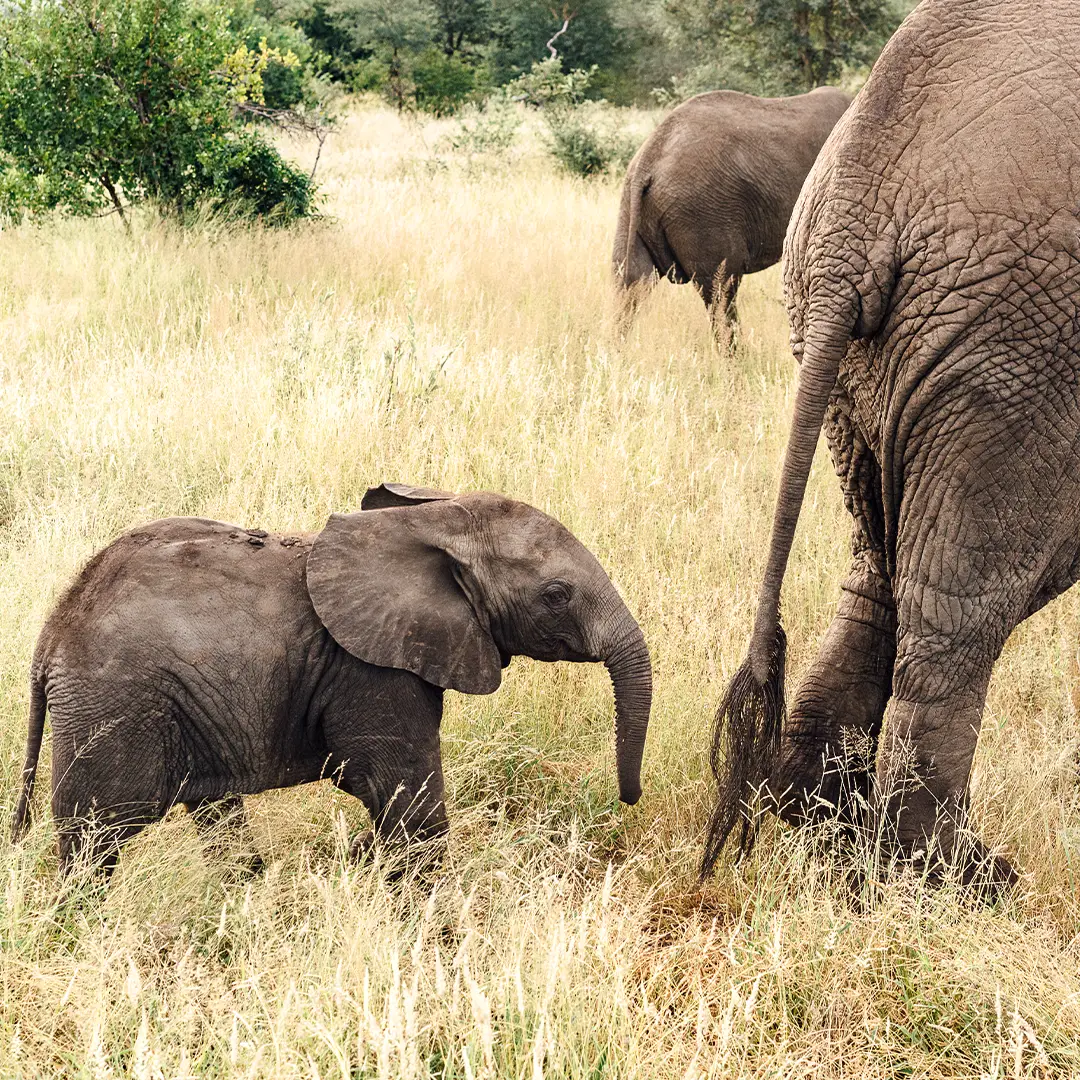
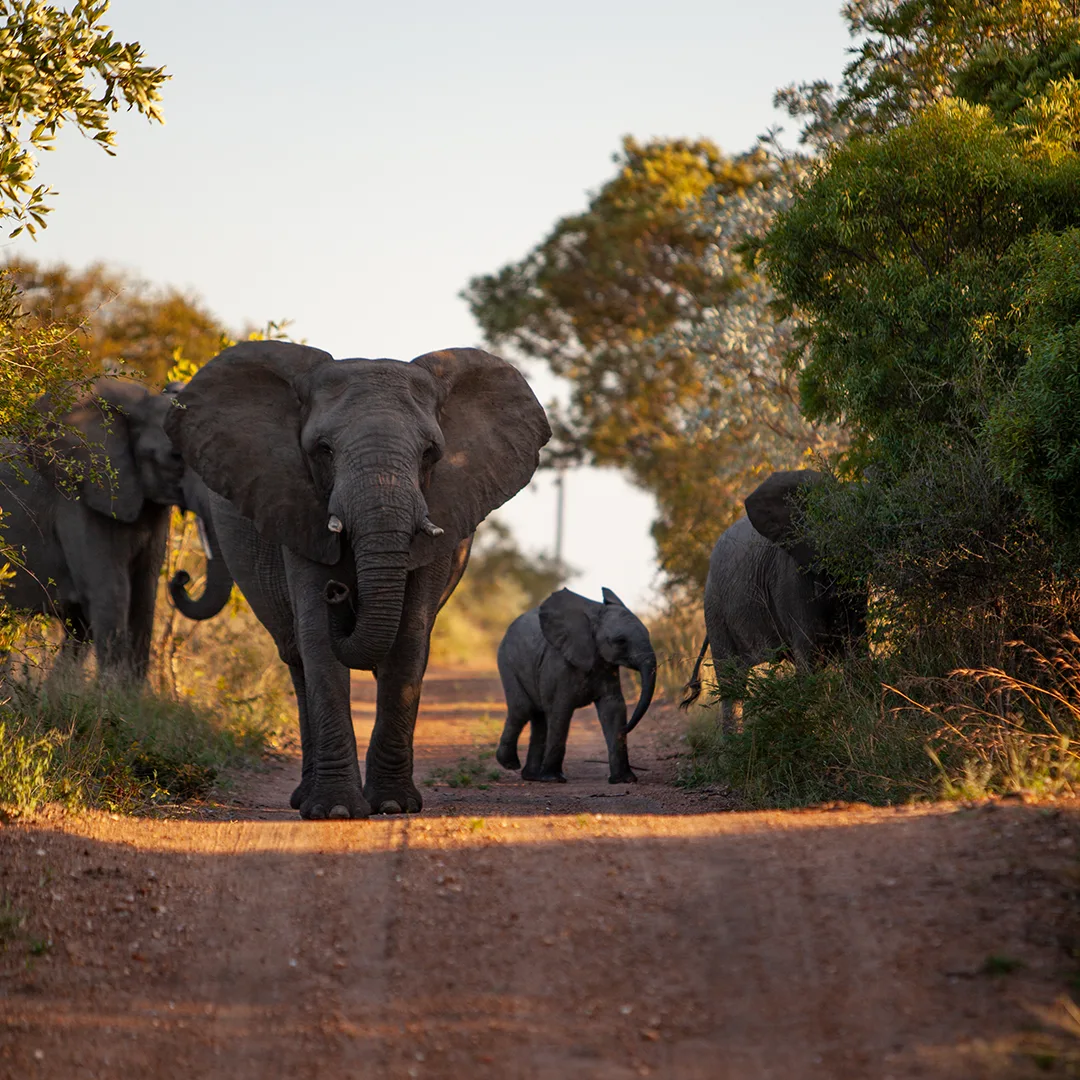
Why American Travelers Are Choosing Elephant Conservation Safaris
Elephants hold a unique place in American wildlife consciousness — shaped by decades of National Geographic and PBS documentaries, the influence of organizations like Elephants Without Borders and the Elephant Crisis Fund, and a growing traveler segment that wants their conservation dollars to do more than fund a lodge room. The US is consistently one of the top source markets for Africa-bound conservation travelers, and elephant conservation sits at the top of that demand.
The Ranger Buck elephant conservation experience is built on genuine field access: supporting GPS collar monitoring that tracks herd movement and conflict hotspots, assisting with camera trap networks that inform long-term management decisions, and seeing first-hand how community-based programs change the economic calculus that determines whether elephants are protected or persecuted. This is conservation you can participate in and explain to anyone.
Getting to Southern Africa from the USA
The main gateway is O.R. Tambo International Airport, Johannesburg (JNB). Direct flights operate from New York JFK (Delta/SAA, ~15–16 hrs), Atlanta ATL (Delta direct, ~16 hrs), and Washington D.C. IAD (~18–20 hrs via hub). From Los Angeles, one connection via London, Dubai or Doha takes ~20–22 hours. US citizens do not require a visa for South Africa, Botswana or Zimbabwe. From Johannesburg, domestic and regional connections reach the main elephant conservation destinations: Kruger ecosystem, Botswana, and Zimbabwe.
Best Time to Visit from the USA
The Southern African dry season (May–October) is the optimal window for elephant conservation fieldwork and viewing alike. Vegetation is low, elephants concentrate at water sources, and collar monitoring data is most active as herds compress into smaller ranges. This aligns with American summer vacation (June–August), making it the most popular booking window. Book 4–6 months ahead for peak season dates.
What Your Elephant Conservation Experience Involves
Depending on what is scheduled during your visit, a Ranger Buck elephant conservation itinerary may include: supporting GPS collar data retrieval that maps herd territories and conflict zones; assisting with camera trap deployment and retrieval contributing to long-term population monitoring; participating in community engagement sessions where conservation staff work with farming communities to reduce human–elephant conflict; and aerial survey observation, where available, that informs national-level elephant management decisions.
The experience is integrated into a full luxury safari — premium lodge accommodation, expert guiding, and all-inclusive catering throughout. There are no staged encounters and no guaranteed scripted moments. The schedule is set by the conservation programme, not the itinerary, which is what makes it credible.
What It Costs — USD Context
Southern African luxury private reserve pricing runs approximately $600–$1,500 USD per person per night all-inclusive for the Greater Kruger ecosystem private reserves, and $800–$2,000 per person per night for Botswana Okavango and Chobe camps. A 10–14 night elephant conservation itinerary covering two destinations runs between $8,000 and $20,000 per person including internal flights. International airfare from the US adds approximately $1,200–$2,500 per person.
Building Your Itinerary from the USA
10 nights — South Africa focus: Johannesburg arrival + 4 nights Greater Kruger private reserve (Big Five, elephant conservation fieldwork) + 3 nights Addo Elephant National Park area or Hluhluwe + Cape Town extension. Stays entirely within South Africa — no additional regional flights required.
14 nights — Southern Africa circuit: Johannesburg + 4 nights Greater Kruger private reserve + 4 nights Botswana Okavango or Chobe (exceptional elephant density) + Victoria Falls extension. The most comprehensive elephant conservation itinerary available from the USA, tracing the range of Southern Africa’s largest herds. Enquire with your travel window and group size — we provide a costed itinerary within 48 hours.
Elephant Conservation Library
Everything you need to understand elephant conservation — the challenges, the fieldwork, and what a real on-the-ground conservation experience involves.
- Elephant Conservation Experience (the hub — start here) →
- Elephant conservation efforts explained (how protection works, what’s involved) →
- How many elephants are left in Africa? (latest context + why it matters) →
- Are African elephants endangered? (what the status means + the real drivers) →
- Human–elephant conflict explained (why it happens) →
- Human–elephant conflict solutions (what actually works in the field) →
- How elephants are monitored (counts, collars, tracking, research) →
- African bush vs forest elephants (two species, different threats) →
- Ethical elephant experiences checklist (what to avoid + what to choose) →
- Custom elephant conservation excursion (Southern Africa) →
get in touch with us
+27 83 653 5776
+27 83 653 5776 (WhatsApp)
info@rangerbucksafaris.com
16 Lourie Close, Meyersdal Eco Estate,
Alberton, Gauteng
16 Lourie Close, Meyersdal Eco Estate, Alberton, Gauteng

Website by Keeden Marketing | 2024
