
Plan a trip
Elephant Conservation Safari: A Guide for European Travellers
Last updated: April 2026
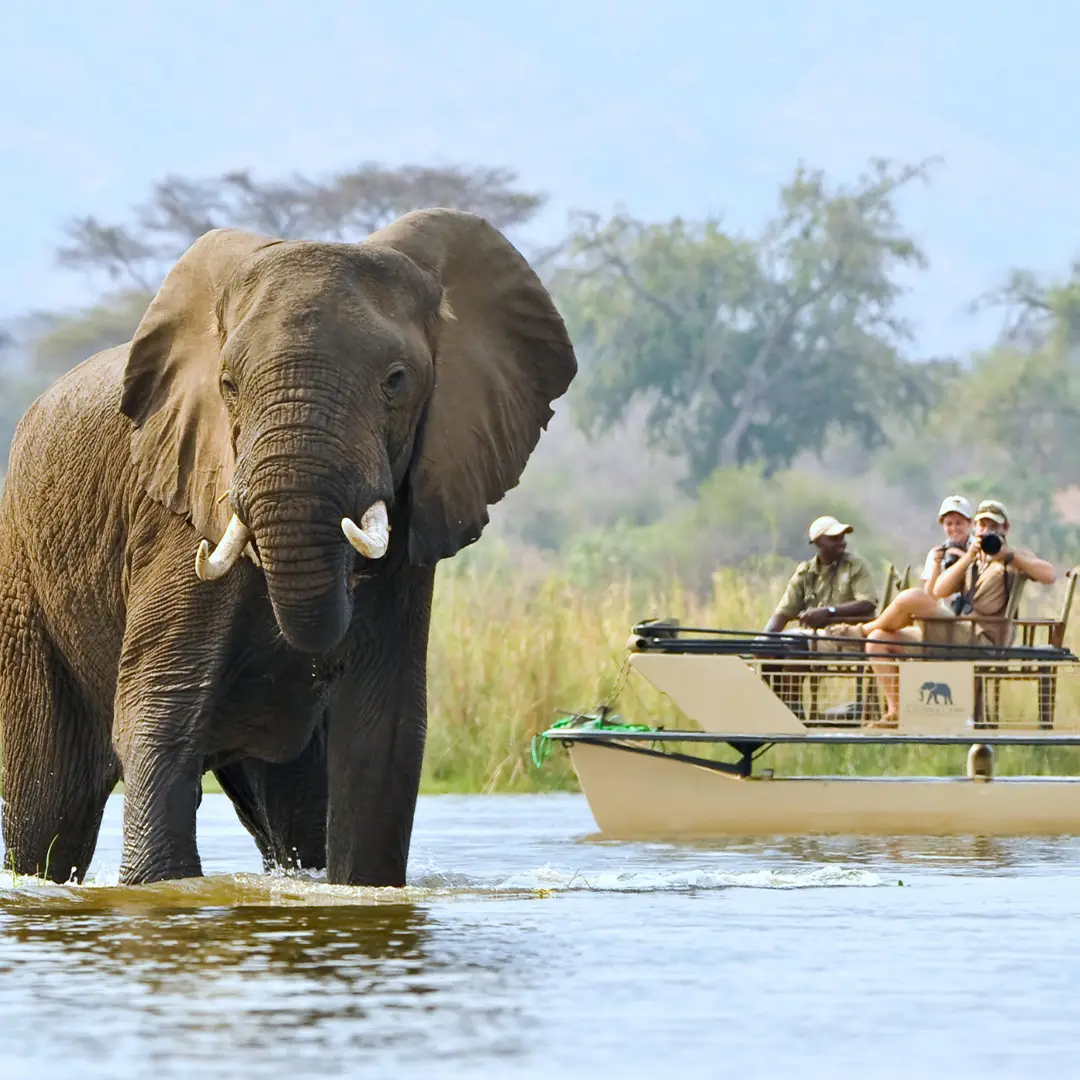
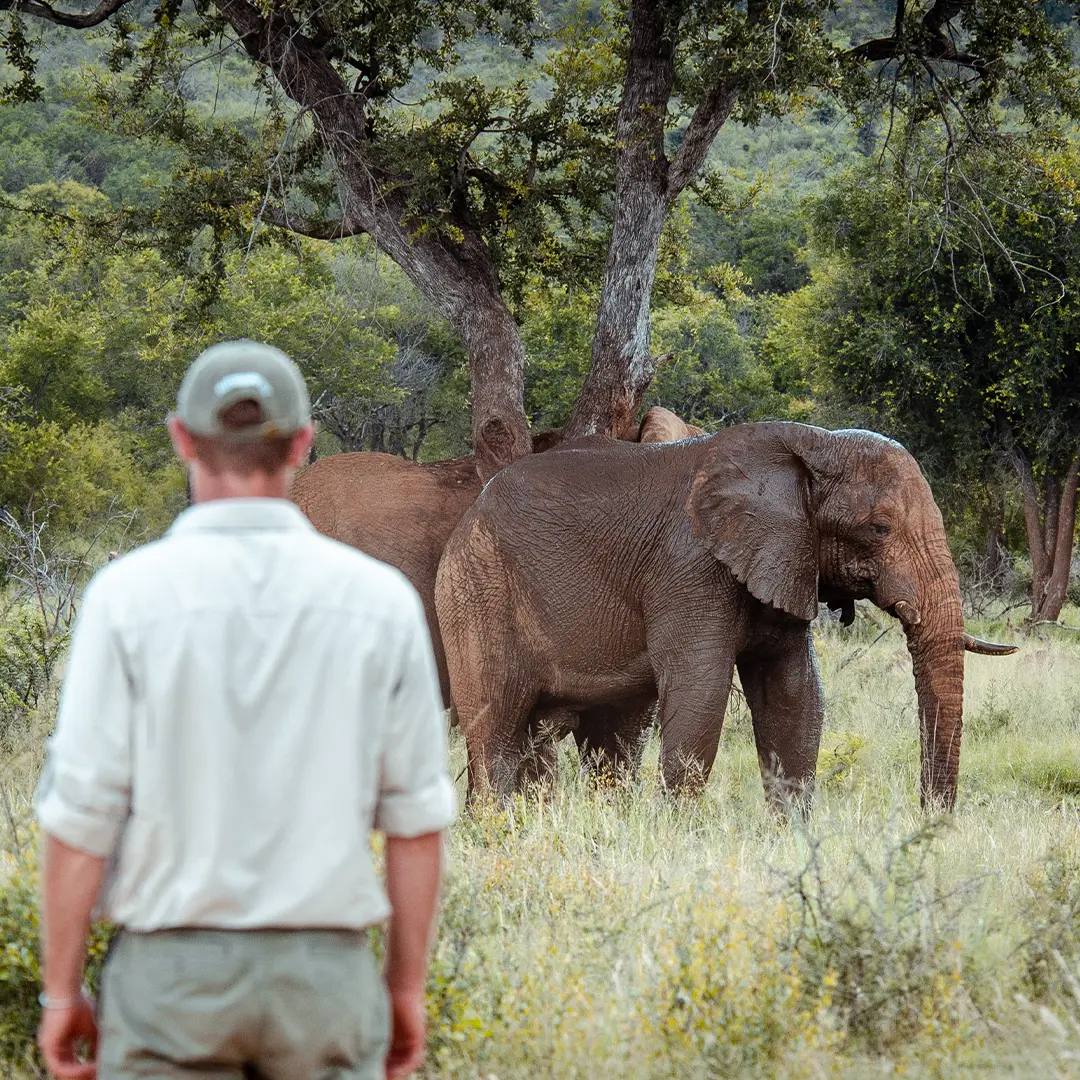
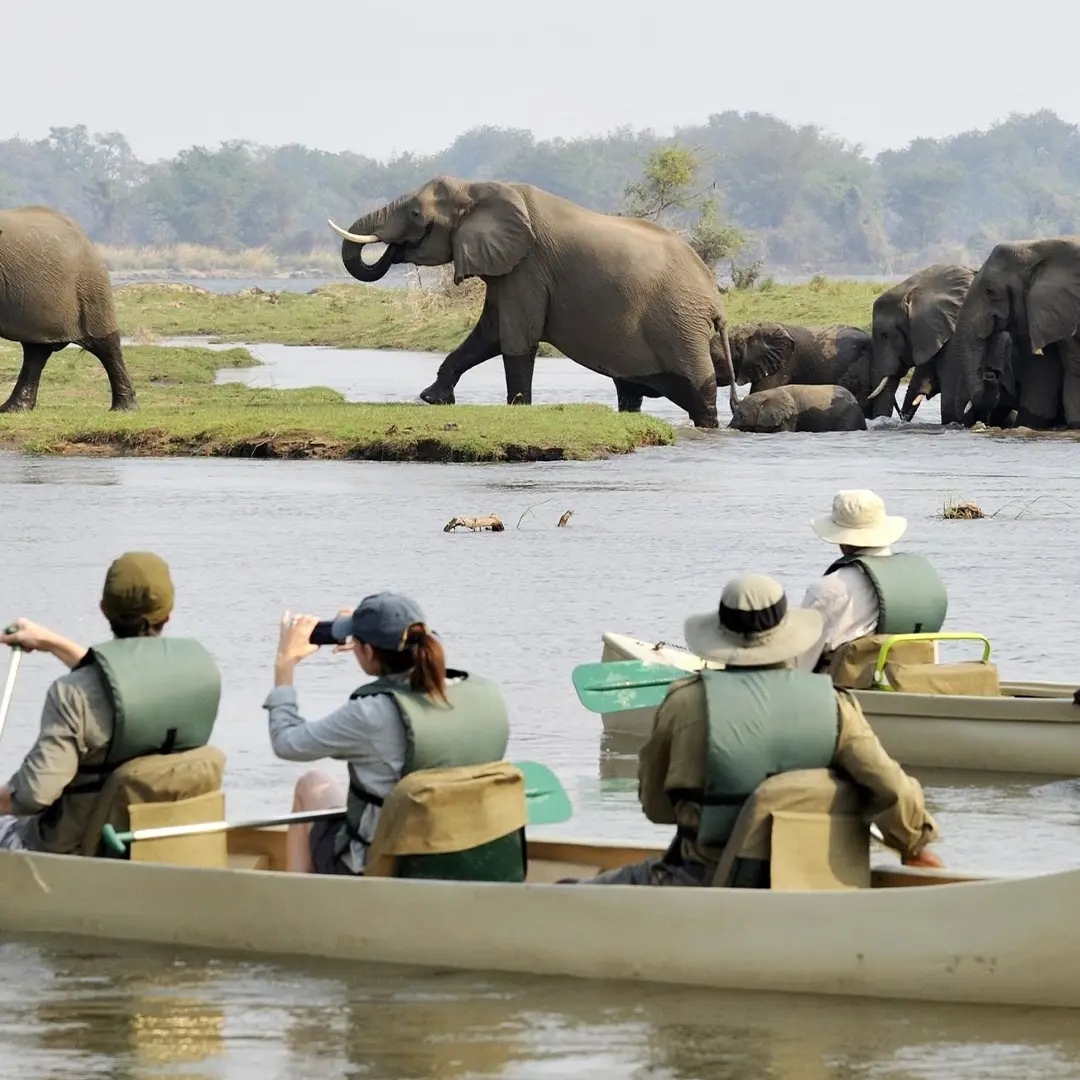
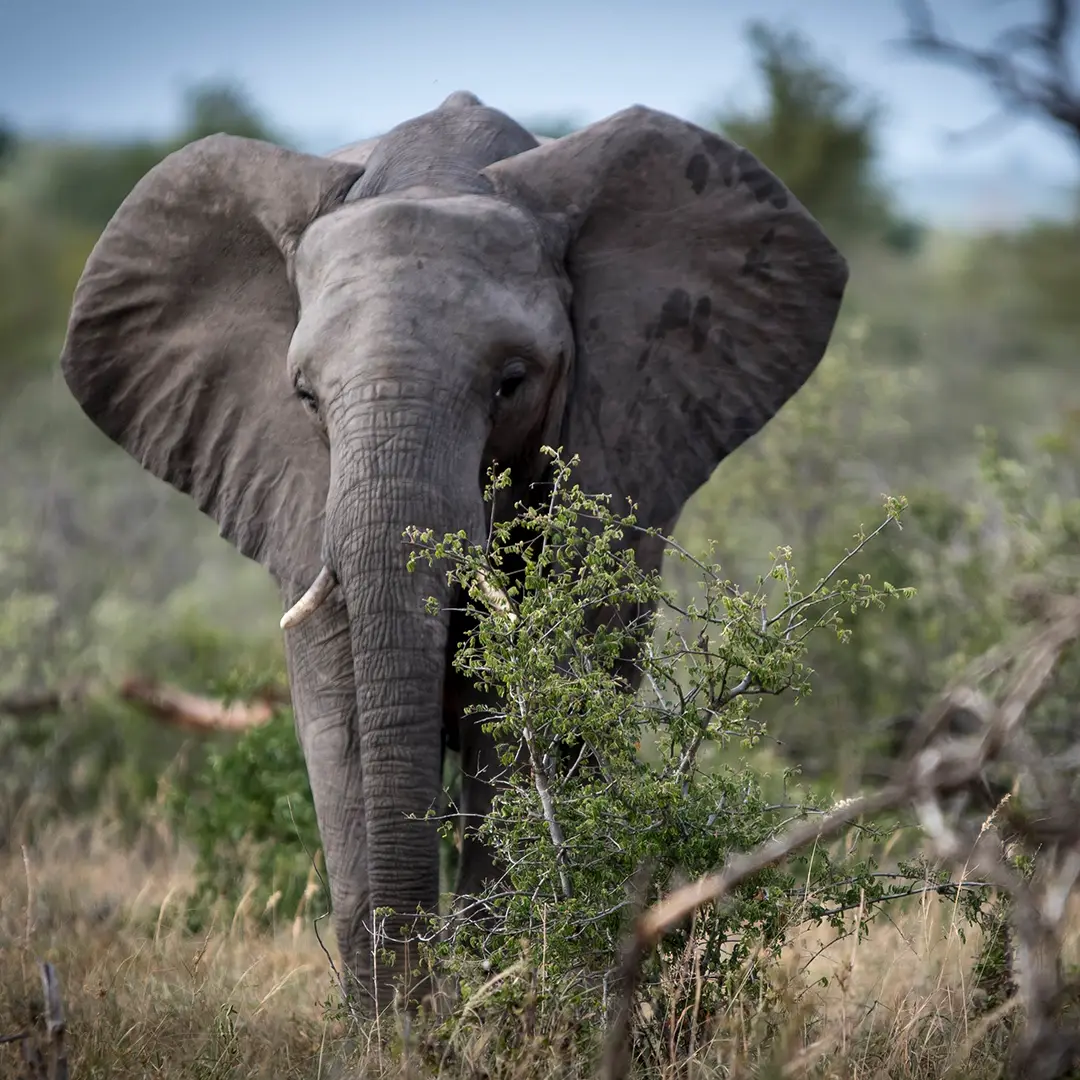
Both African elephant species are now listed as Endangered or Critically Endangered. The drivers — habitat loss, human–elephant conflict, and ivory poaching — are well-documented and demand a sustained, funded conservation response. Ranger Buck Safaris offers European travellers direct access to the field operations making a difference in Southern Africa.
Here is everything you need to plan your elephant conservation trip from Europe.
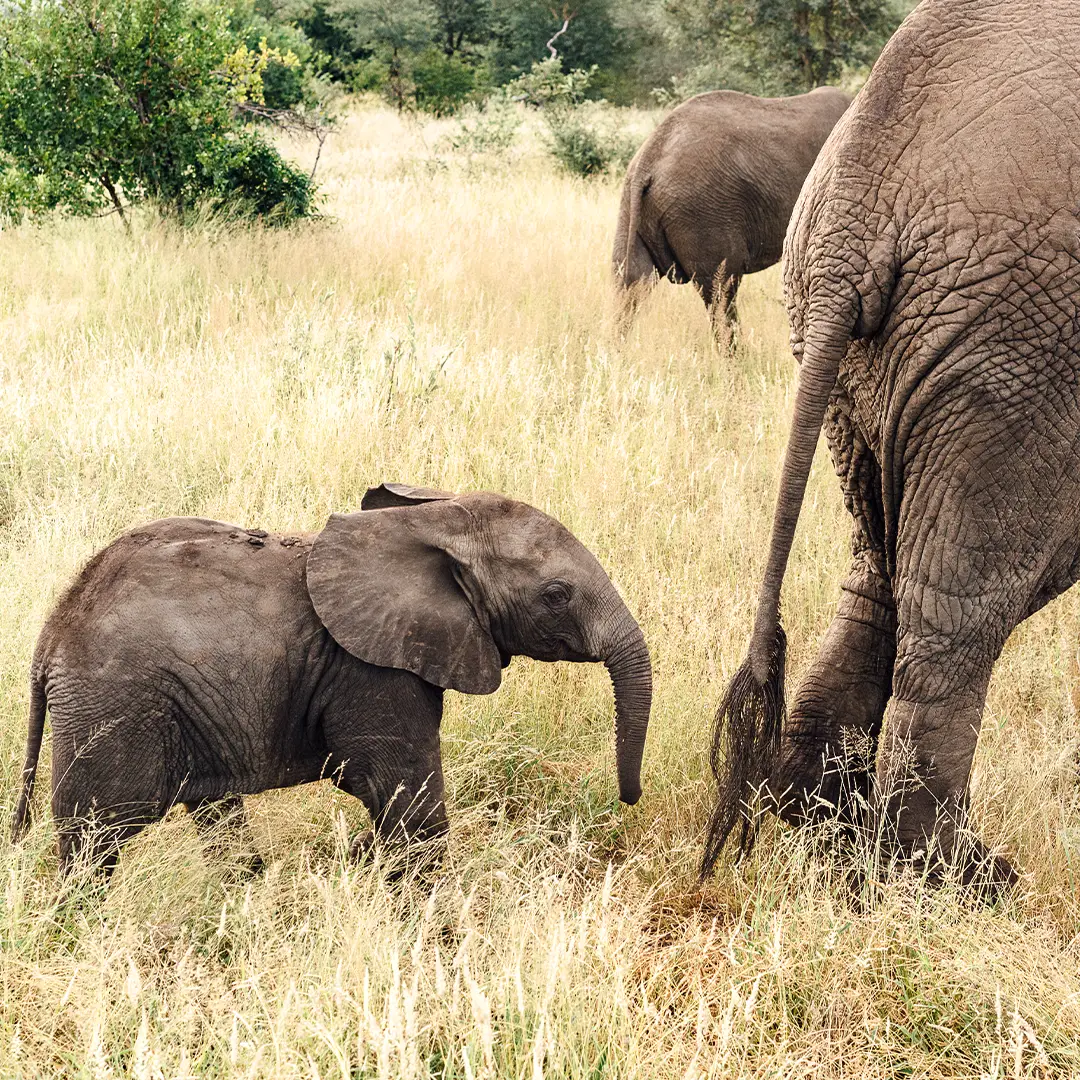
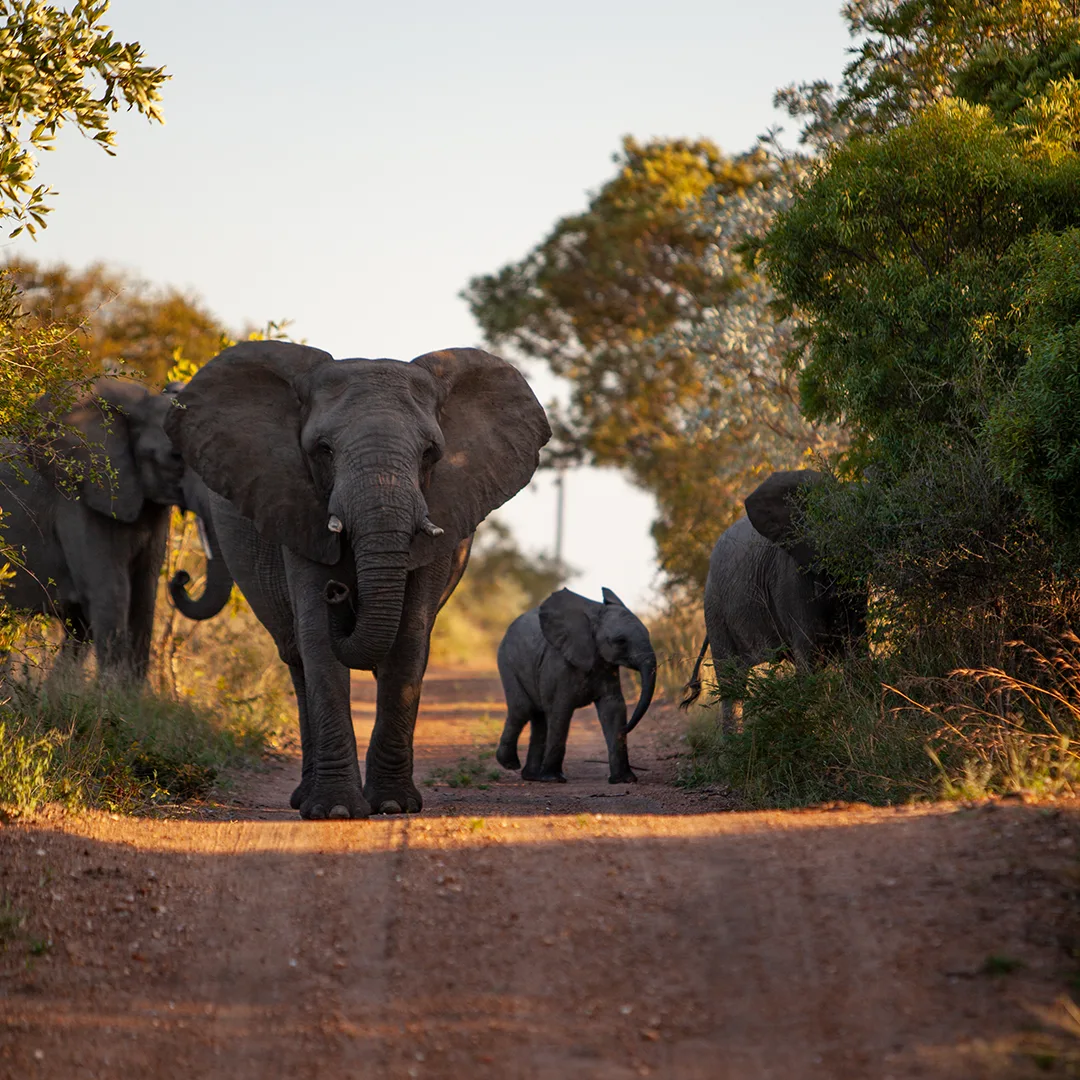
Why European Travellers Are Choosing Elephant Conservation Safaris
European safari travellers — particularly from Germany, the Netherlands, Switzerland, and Scandinavia — bring a conservation-conscious approach to long-haul travel that is unmatched by almost any other market. Organizations like WWF Germany, the International Elephant Foundation, and IFAW have maintained strong European public engagement with elephant conservation for decades. The European market understands the crisis. What it has been lacking is an experience that converts that understanding into direct field participation.
Ranger Buck provides that. GPS collar monitoring, camera trap fieldwork, community conflict mitigation programmes, and population survey support — all integrated into a luxury Southern Africa itinerary with full transparency about where your money flows. This is the standard of accountability that European conservation travellers have every right to expect.
Getting to Southern Africa from Europe
Europe has excellent direct connections to O.R. Tambo International, Johannesburg (JNB): Lufthansa daily from Frankfurt (~10 hours), KLM daily from Amsterdam (~11 hours), Air France from Paris (~11 hours), SWISS from Zurich (~11 hours), Brussels Airlines from Brussels (~10.5 hours). Copenhagen, Oslo and Stockholm connect via these hubs in 12–14 hours total. EU and most European passport holders do not require a visa for South Africa (up to 30 days), Botswana or Zimbabwe. From Johannesburg, domestic and regional connections reach all major elephant conservation destinations.
Best Time to Visit from Europe
The Southern African dry season (May–October) provides the best conditions for elephant conservation fieldwork: low vegetation, concentrated herds at water sources, active collar monitoring. This aligns with European summer holidays. German school holidays vary by Bundesland but the summer window (mid-July to early September) aligns with peak dry season. Dutch, Swiss and Scandinavian summers follow a similar pattern. European travellers typically book 6–12 months ahead for peak season dates.
What Your Elephant Conservation Experience Involves
Depending on the field schedule during your visit, activities may include: supporting GPS collar data retrieval mapping herd territories and conflict zones; assisting with camera trap networks contributing to long-term population monitoring; participating in community engagement sessions where conservation staff address human–elephant conflict with farming communities; and learning how aerial survey data and movement analysis inform national-level elephant management decisions.
This is integrated into a full luxury safari — premium lodge accommodation, expert guiding throughout, and all-inclusive service. The programme follows genuine conservation need, not an entertainment schedule. This transparency is part of what makes a Ranger Buck experience credible and worth the investment.
What It Costs — EUR Context
Private reserve pricing runs approximately €560–€1,400 per person per night all-inclusive for Greater Kruger private reserves, and €740–€1,850 per person per night for Botswana camps. A 12–14 night Southern Africa conservation itinerary covering two destinations runs between €7,500 and €18,000 per person including internal flights. Return flights from Frankfurt, Amsterdam or Paris add approximately €700–€1,600 per person.
Building Your Itinerary from Europe
10–12 nights — South Africa and Botswana: Johannesburg + 4 nights Greater Kruger private reserve (elephant conservation fieldwork, Big Five) + 4 nights Botswana Okavango or Chobe. A natural two-destination circuit perfectly suited to European summer holiday duration.
14 nights — Full Southern Africa circuit: Johannesburg + 4 nights Greater Kruger + 4 nights Botswana + Cape Town and Winelands extension. The complete South Africa itinerary for European travellers combining conservation depth with the Cape Peninsula and wine country that so many European travellers specifically seek. Enquire via our contact form — we confirm availability and provide a fully costed itinerary within 48 hours.
Elephant Conservation Library
Everything you need to understand elephant conservation — the challenges, the fieldwork, and what a real on-the-ground conservation experience involves.
- Elephant Conservation Experience (the hub — start here) →
- Elephant conservation efforts explained (how protection works, what’s involved) →
- How many elephants are left in Africa? (latest context + why it matters) →
- Are African elephants endangered? (what the status means + the real drivers) →
- Human–elephant conflict explained (why it happens) →
- Human–elephant conflict solutions (what actually works in the field) →
- How elephants are monitored (counts, collars, tracking, research) →
- African bush vs forest elephants (two species, different threats) →
- Ethical elephant experiences checklist (what to avoid + what to choose) →
- Custom elephant conservation excursion (Southern Africa) →
get in touch with us
+27 83 653 5776
+27 83 653 5776 (WhatsApp)
info@rangerbucksafaris.com
16 Lourie Close, Meyersdal Eco Estate,
Alberton, Gauteng
16 Lourie Close, Meyersdal Eco Estate, Alberton, Gauteng

Website by Keeden Marketing | 2024
