





Plan a trip
Why Are African Wild Dogs Endangered?
They may not be the most glamorous part of a luxury African safari — but they deserve protection too. African wild dogs (painted dogs/painted wolves) are disappearing because modern landscapes make it harder for packs to survive, recover, and rebuild after losses.
Quick answer
Why are African wild dogs endangered?
Because their remaining populations are fragmented into smaller, isolated groups, which increases human conflict and makes disease outbreaks far more dangerous. The IUCN Red List highlights three major drivers of decline: habitat fragmentation, conflict with human activities, and infectious disease.
Plan your Wild Dog Conservation Experience
Explore the Wild Dog Guides:
How many are left → Why endangered → How conservation works → Ethics checklist →Where can you see African wild dogs?→ Plan an experience → African Wild Dog Population Trends →
2026 context: why the risk is still high
In 2026, the biggest challenge for wild dogs isn’t just low numbers — it’s that many packs live in small, fragmented subpopulations. When populations are split up, a single disease event, conflict hotspot, or loss of breeding animals can cause a rapid local decline. That’s why conservation focuses so heavily on monitoring, prevention, and protecting pack stability over time.
Video Above: Behind the Scenes of Wild Dog Conservation
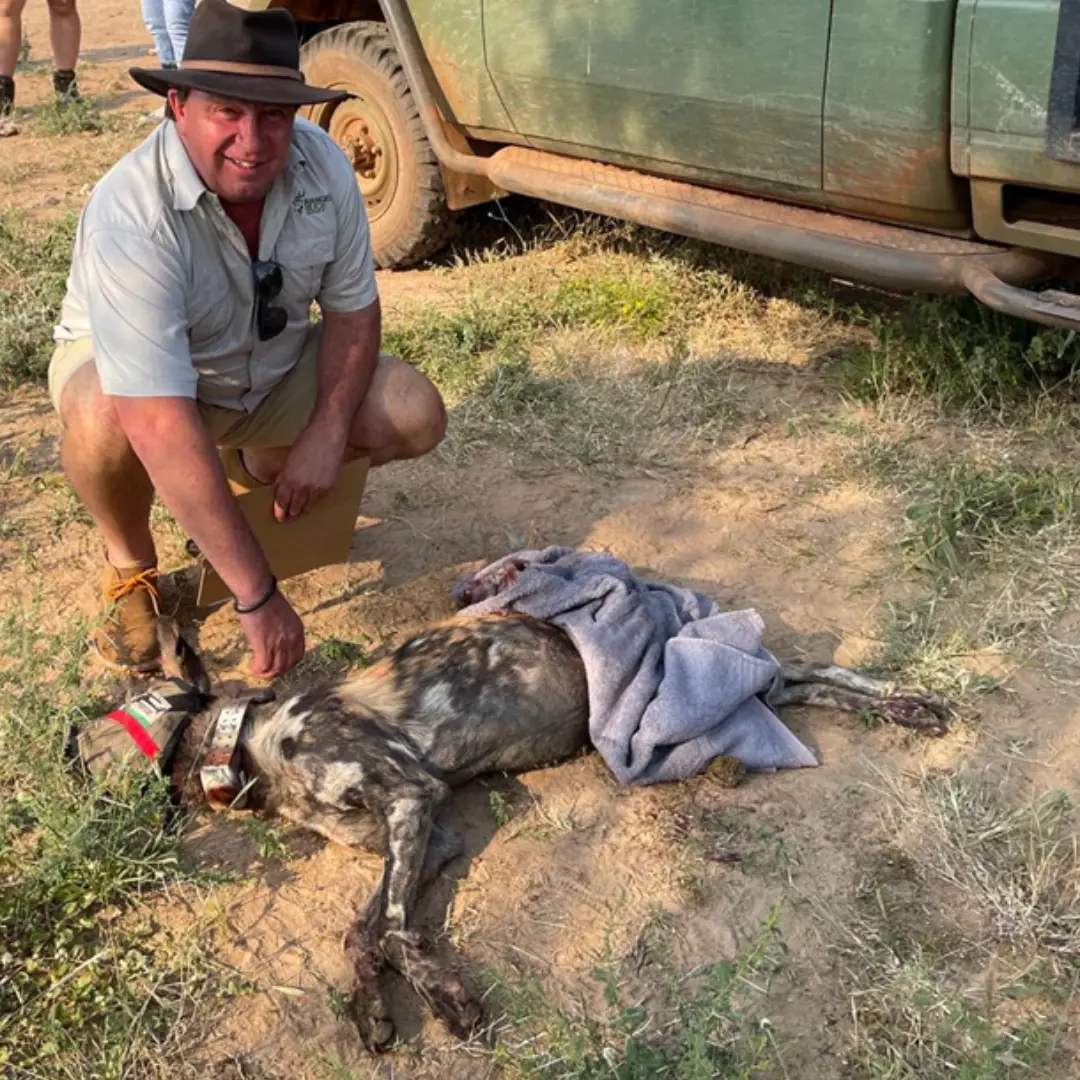
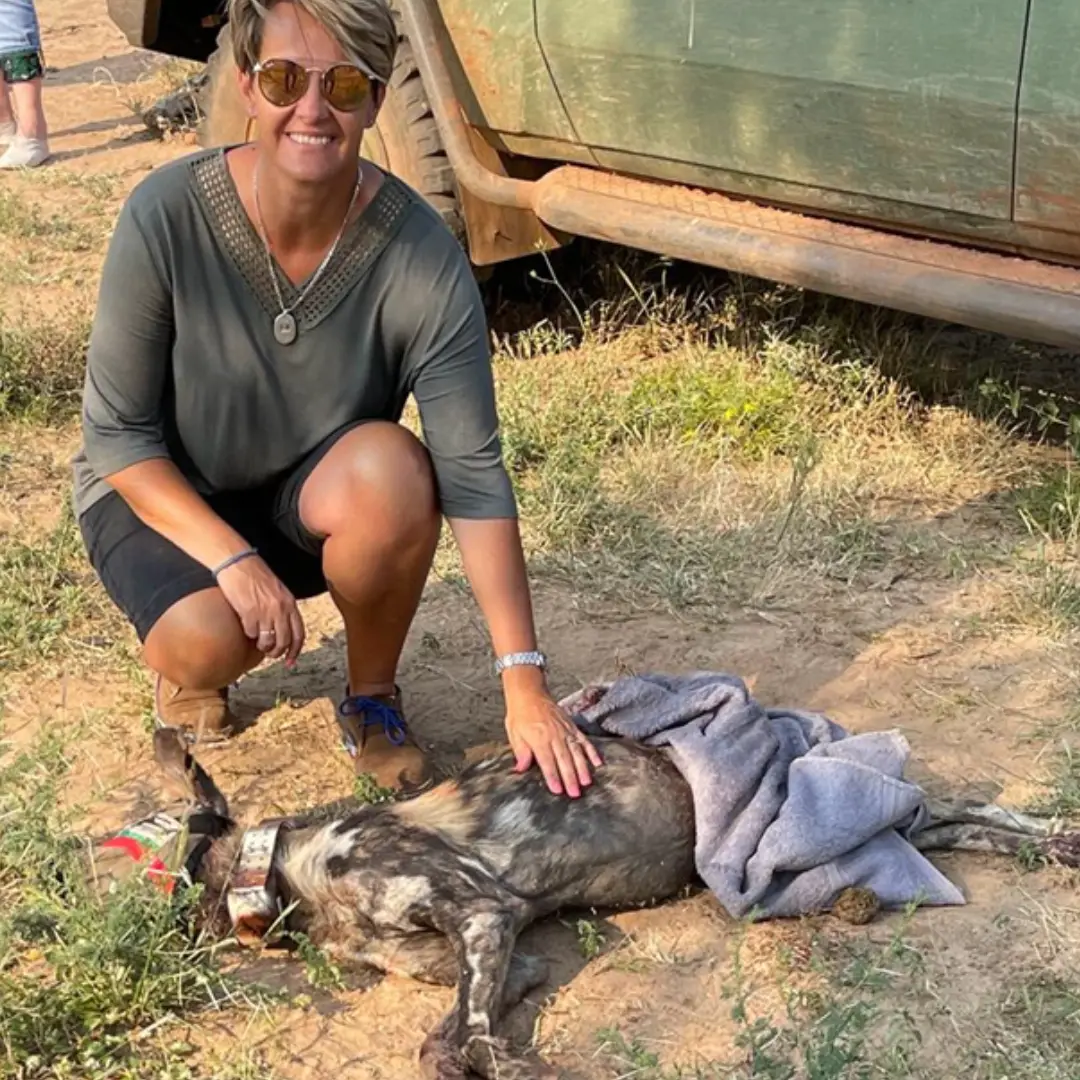
This short film offers a rare glimpse into the frontline of conservation — the quiet, deliberate work that safeguards Africa’s last scattered wild dog populations. Every operation unfolds under strict animal-welfare protocols, led by experienced conservation professionals, with each decision shaped by shifting priorities, permits, and the ever-changing rhythms of the wild.
In the vast landscapes of Madikwe Game Reserve, a rare mission unfolds.
Ranger Buck, alongside dedicated conservationists and a wildlife veterinarian, sets out to locate one of Africa’s most endangered predators—the African wild dog.
They already know more or less where the pack is moving. Today’s focus is clear.
The alpha female.
She is the primary breeder. The future of the pack depends on her health and survival.
Once safely darted, the team works quickly and carefully.
Measurements are taken.
Blood samples collected.
A vaccine administered to protect against canine distemper—a disease capable of wiping out entire populations.
Every data point gathered today will contribute to long-term research and will be shared with the Endangered Wildlife Trust.
Protecting her means protecting the pack.
Protecting the pack means protecting the species.
This is conservation in action.
Science. Strategy. Collaboration.
And thanks to the support of committed clients, moments like this become possible.
In the wild, survival is never guaranteed.
But together, we can tilt the odds.
The real problem is fragmentation (it amplifies every other threat)
Wild dogs are highly social, wide-ranging, and occur at low population densities, which makes them particularly vulnerable when wild areas are broken into smaller blocks.
WildCRU notes that wild dogs persist in only a small fraction of their former range, and the global population is made up of fewer than ~700 packs (under ~700 breeding pairs) — so losing even one pack in the wrong place can matter.
In plain language: fragmentation creates “edge zones” where packs run into roads, people, livestock, snares, and domestic dogs more often — and that’s where declines accelerate.
The 3 biggest threats (and why they hit wild dogs so hard)
1) Habitat loss and fragmentation
Wild dogs need big connected landscapes. When habitat is fenced, settled, cut by roads, or converted to farmland, packs become isolated and dispersing animals struggle to form new packs safely.
AWF describes habitat fragmentation as the principal threat, because it increases conflict and raises the risk of local extinction—especially when disease outbreaks occur in small populations.
2) Conflict with humans (often around livestock)
As wild spaces shrink, wild dogs overlap more with communities and livestock areas. WWF notes that conflict tends to occur when wild dogs come into contact with people whose livelihoods depend on livestock and agriculture, and this can lead to accidental or targeted killings.
AWF also notes wild dogs are sometimes shot or poisoned when they’re blamed for livestock losses (even when other predators are responsible).
3) Infectious disease (rabies, canine distemper)
Disease is devastating for wild dogs because packs are tight-knit and cooperative. WildCRU lists infectious diseases such as rabies and canine distemper virus as major threats.
The IUCN also flags infectious disease as a key driver of decline, particularly when populations are fragmented and small.
Why packs are unusually vulnerable (this is the part most people don’t realise)
Wild dogs don’t just “live near each other” — they function as a team.
Cooperative packs + one dominant breeding pair
AWF describes how wild dogs live in packs with a dominant pair, and that the whole pack supports pup survival (bringing food back to the den, feeding the nursing female, helping raise pups).
When pack numbers drop, hunting becomes less efficient and pups may get less food, which reduces survival.
Why this matters for endangerment: if a pack loses key adults (especially breeders or experienced hunters), the pack can struggle to hunt, raise pups, and remain stable.
Wide-ranging behaviour increases exposure to risk
WildCRU points out wild dogs are extremely wide-ranging and occur at low densities.
That means they’re more likely to cross boundaries into risky areas and have fewer “nearby” packs to repopulate an area if something goes wrong.
“Myths vs Reality” mini-box
Wild Dog Conservation Myths vs Reality
Myth: “Wild dogs are endangered because they’re weak hunters.”
Reality: They are highly efficient cooperative hunters — the bigger issue is fragmented habitat and the increased risk that comes with living in small, isolated groups.
Myth: “Disease is rare — it’s not a major factor.”
Reality: Infectious disease is specifically flagged as a major threat and can collapse packs quickly, especially where domestic dogs and wildlife overlap.
Myth: “They’re endangered because lions ‘wipe them out’ everywhere.”
Reality: Competition with larger predators happens, but the most consistent drivers remain habitat fragmentation, human-linked conflict, and disease.
Myth: “If you see one pack, the population must be doing fine.”
Reality: Wild dogs can look “common” in one area while still being rare overall — because populations are scattered and many regions have only a few packs.
Myth: “A conservation experience guarantees close interaction.”
Reality: Ethical conservation is welfare-first and outcomes can’t be promised — activities vary by protocols, permits, and conditions on the ground.


“Secondary” threats that still matter
These don’t always start the decline, but they can push fragile packs over the edge:
Snaring and by-catch poaching
WildCRU highlights emerging threats like prey depletion due to wildlife poaching and research into the impacts of by-catch poaching on wild dog population dynamics.
In many areas, snares are set for other animals — but wide-ranging predators can still get caught.
Competition with larger predators
WWF lists competition with larger predators like lions as one of the threats wild dogs face.
On healthy landscapes this is part of nature; on smaller, fragmented landscapes, competition pressure can become harder to absorb.
Climate stress and changing conditions
WildCRU lists climate change impacts among emerging threats being studied.
Even modest shifts in heat, water availability, and prey behaviour can increase stress during denning and pup-rearing periods.
What real conservation focuses on (without hype)
Because these threats are practical, solutions are practical:
Connectivity and safe space: protecting corridors and reducing fragmentation risk
Monitoring: understanding where packs move and where threats concentrate
Conflict reduction: helping communities reduce livestock losses and retaliation
Disease management: surveillance and prevention where domestic dogs and wildlife overlap
This is why conservation can look “behind the scenes”: data collection, veterinary oversight, and targeted decisions that protect breeding individuals and pack stability over time.
Want a conservation-focused safari that’s meaningful, not gimmicky?
We build personalised itineraries around real conservation priorities, led by trained professionals and welfare-first protocols.
Endangered African Wild Dogs FAQ
Are wild dogs endangered because of poaching?
Poaching usually harms wild dogs indirectly, not because they’re the main target. Snares set for other animals can injure or kill wild dogs, and poaching can also reduce prey availability — but the biggest overall drivers are still habitat fragmentation, human conflict, and disease.
What is the biggest threat to African wild dogs?
Habitat fragmentation is the biggest threat because it splits wild dogs into small, isolated groups and increases the impact of conflict and disease.
Do diseases really matter that much for wild dogs?
Yes — diseases like rabies and canine distemper are listed as major threats and can collapse packs quickly, especially where populations are fragmented.
Are wild dogs endangered because of livestock farmers?
Conflict around livestock can lead to retaliation killings, and this is recognized as a major pressure where wild dogs overlap with people.
Are wild dogs vulnerable because they live in packs?
In some ways, yes — packs rely on teamwork to hunt and raise pups, so losing key adults can reduce hunting success and pup survival.
Do lions threaten wild dogs?
Competition with larger predators like lions is listed among the threats wild dogs face, especially in certain landscapes.
Are wild dogs still found in many places in Africa?
They’ve disappeared from much of their former range and persist in a small fraction, with the largest populations mainly in Southern and East Africa.
Can you guarantee we’ll see wild dogs on safari?
No — wild animals move freely and sightings can’t be promised. A well-designed itinerary can improve opportunities, but nature always decides.
Want to see wild dogs responsibly?
Wild dogs are wide-ranging and sightings can’t be guaranteed — but some regions offer better opportunities than others depending on habitat, prey, and pack stability. If you’re planning a conservation-aligned trip, see our guide: Where to See African Wild Dogs →
Wild Dog Conservation Library
If you’re exploring African wild dog conservation, these guides will help you understand why they’re endangered, how conservation works in practice, and what an ethical experience should look like.
Wild dog conservation explained (how protection works + what conservation teams actually do) →
How many African wild dogs are left? (population context + why counts vary) →
Why are wild dogs endangered? (biggest threats + why packs are vulnerable) →
African Wild Dog Population 2026 Trends, Stability and Future Outlook →
Where to see African wild dogs (regions + responsible viewing tips) →
Is a wild dog conservation experience ethical? (what “ethical” looks like + red flags) →
- How Wild Dog Conservation Works (painted wolves) →
Wild Dog Conservation Experience (plan a tailored itinerary) →
Curate Your Own
Personalised Travel Itinerary
Curate Your Own Personalised Travel Itinerary
We specialise in creating completely personalised travel itineraries tailored to your personal needs and expectations. Simply click on the button below to chat to one of our ecosafari specialists and lets start planning your very best African safari to your very favourite destination.
get in touch with us
+27 83 653 5776
+27 83 653 5776 (WhatsApp)
info@rangerbucksafaris.com
16 Lourie Close, Meyersdal Eco Estate,
Alberton, Gauteng
16 Lourie Close, Meyersdal Eco Estate, Alberton, Gauteng

Website by Keeden Marketing | 2024
