
Plan a trip
African Elephant vs Asian Elephant
People often say “elephant” as if it’s one animal.
In reality, African and Asian elephants are different species.
They also face different conservation pressures.
This guide covers the key differences.
It also explains why “African elephant conservation” is its own topic.
Quick answer: the biggest differences
- African elephants live in Africa.
- Asian elephants live in Asia.
- African elephants are generally larger.
- African elephants usually have larger ears.
- Asian elephants often have a more rounded back and a “two-bump” head shape.
- Tusk patterns differ, especially between males and females.
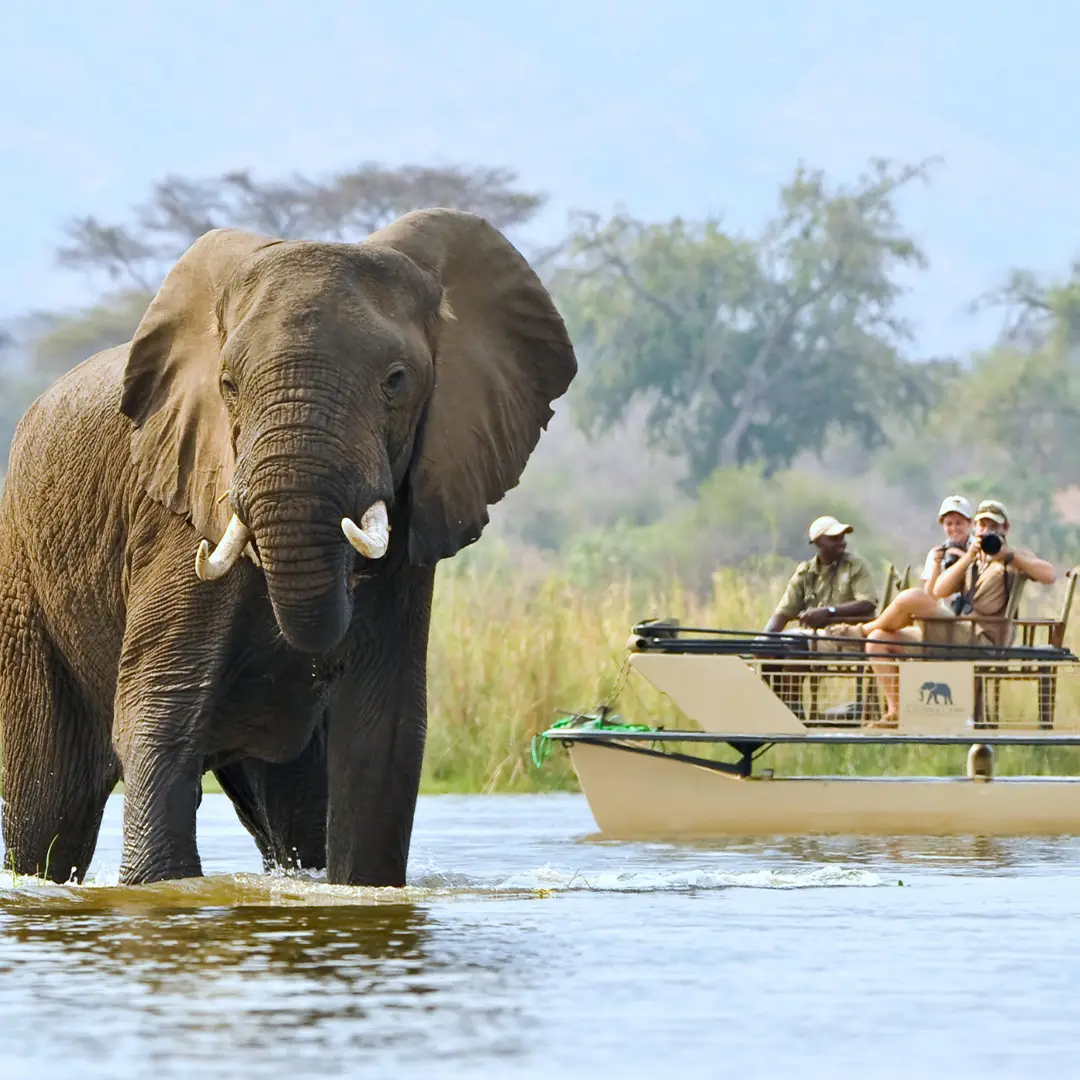
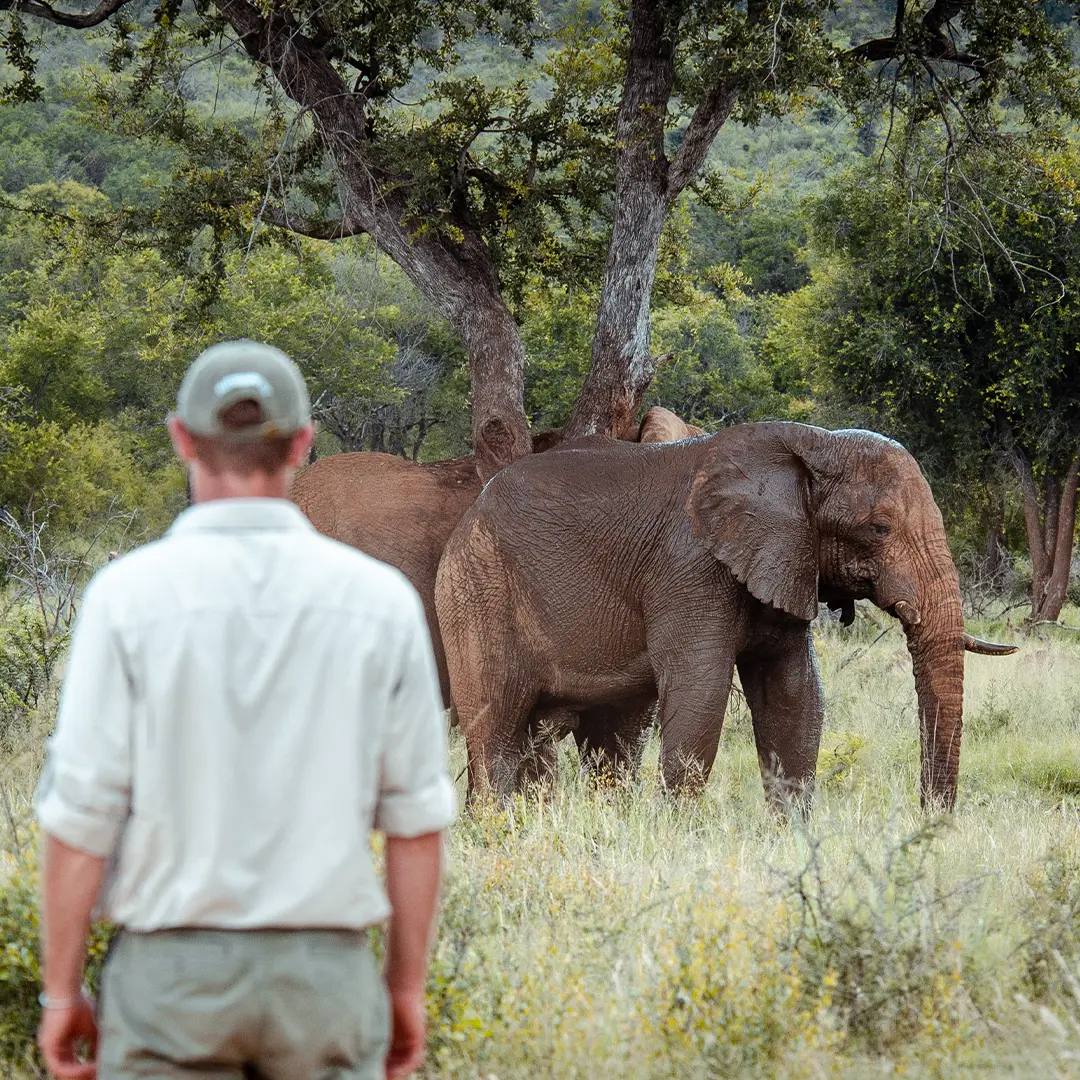
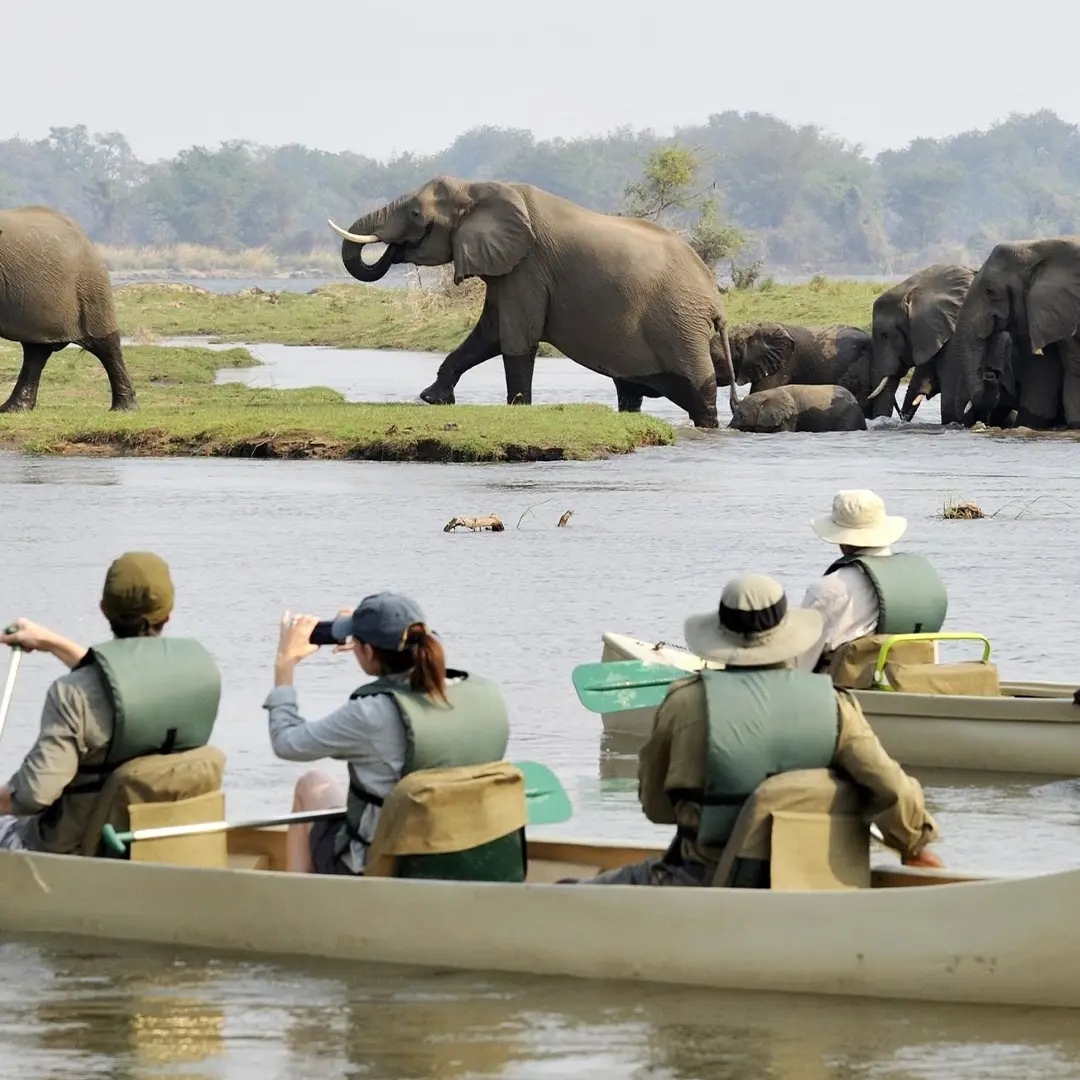
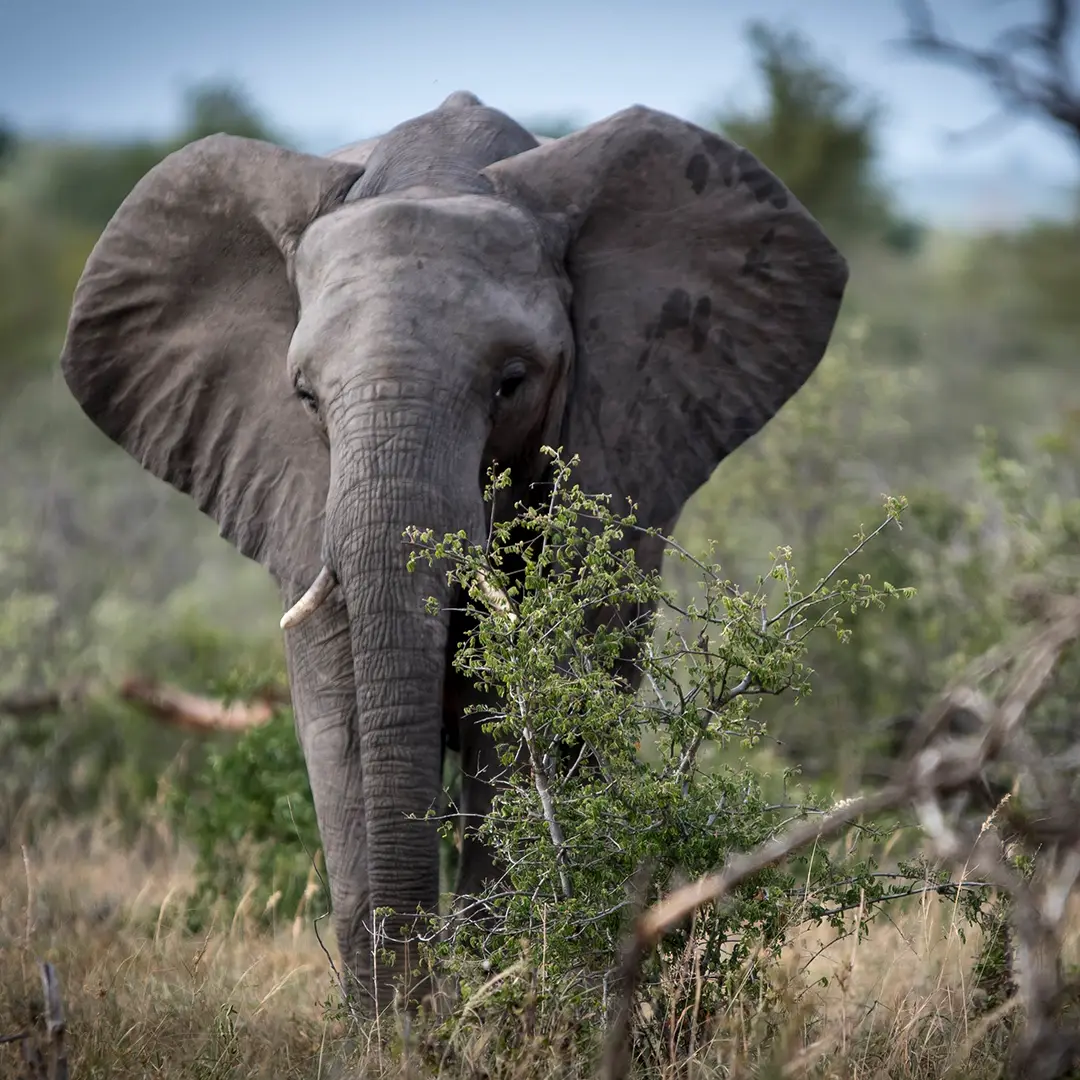
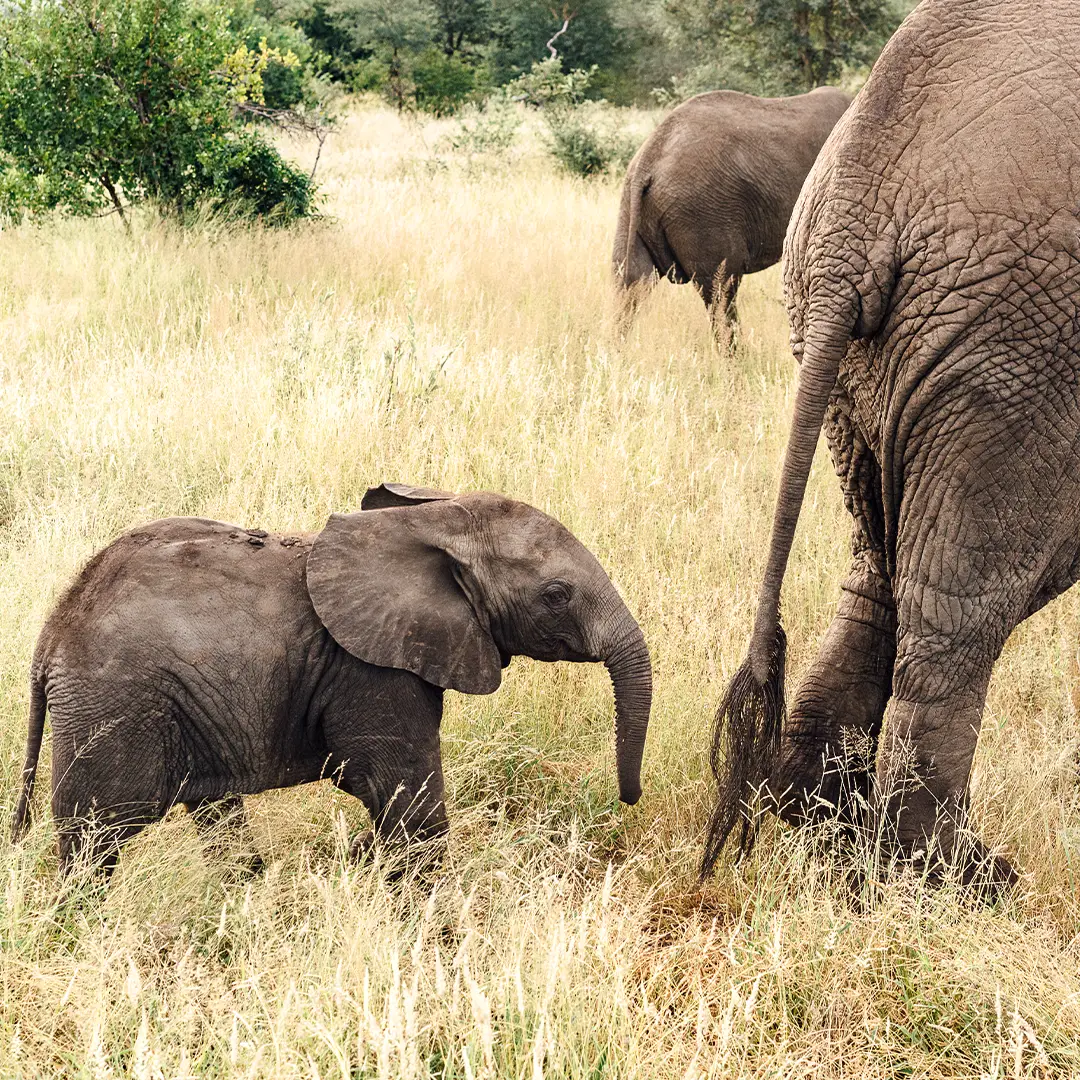
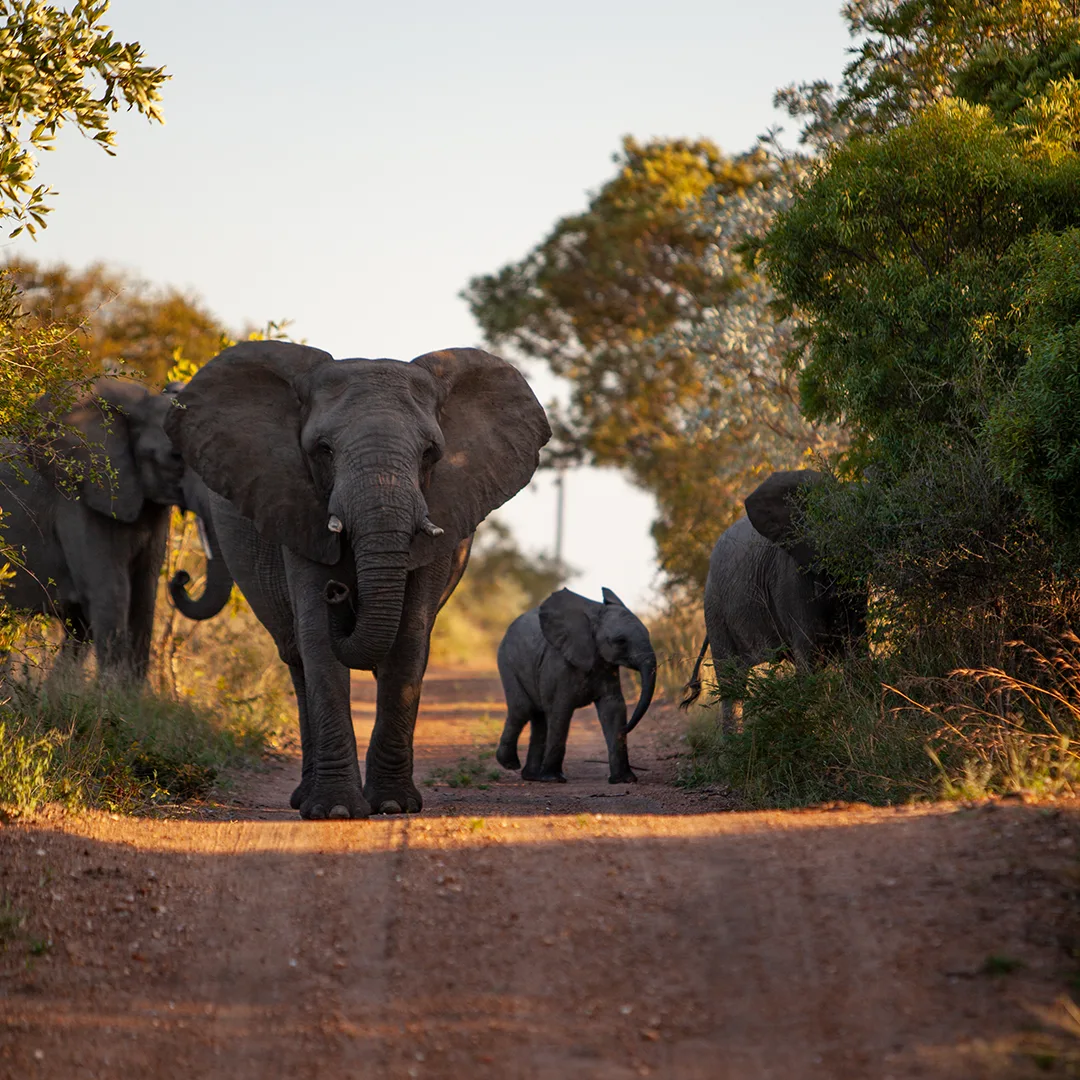
African elephants: not one species
African elephants are now treated as two separate species in conservation reporting:
- Savanna (bush) elephants
- Forest elephants
That matters because threats and monitoring differ by habitat.
Read next: /bush-elephant-vs-forest-elephant/
Asian elephants (a different species)
Asian elephants are a separate species with a different range and different pressures.
Habitat loss and human–elephant conflict are major issues in many Asian range areas.
Poaching and illegal trade also remain concerns.
Size and appearance (simple field-guide cues)
Ears
African elephants typically have larger ears.
Asian elephant ears are usually smaller and more rounded.
Head shape
Asian elephants often have a “twin dome” look on the head.
African elephants often have a single domed head profile.
Tusks
In many Asian populations, large tusks are mostly seen on males.
Some Asian males can be tuskless.
In African elephants, tusks can be present in both sexes, but vary by population.
Habitat and behaviour (broad patterns)
African elephants are often associated with wide savanna systems.
Forest elephants live in dense forest and forest mosaic habitats.
Asian elephants commonly use forest, grassland, and human-edge mosaics.
That’s part of why conflict dynamics can differ.
Why conservation challenges differ
The conservation “job” depends on the landscape.
African elephant conservation often centres on:
- Protection and enforcement
- Monitoring across large wild systems
- Corridors and connectivity
- Human–elephant conflict prevention
Asian elephant conservation often centres heavily on:
- Habitat fragmentation
- High conflict pressure in dense human landscapes
- Reducing retaliatory killing
- Protecting remaining habitat corridors
What this means for travellers (Africa-focused)
If your goal is an ethical elephant experience in Africa:
- Choose wild elephants and space.
- Avoid forced closeness and guaranteed interaction marketing.
- Focus on transparent conservation outcomes.
Read next:
Next step
Custom elephant conservation excursion →
FAQ
Are African elephants and Asian elephants the same species?
No. They are different species with different ranges and conservation pressures.
Are African elephants more endangered than Asian elephants?
Both face serious risk.
In Africa, forest elephants are at especially high risk.
In Asia, habitat loss and conflict drive major declines.
Why does “bush vs forest” matter?
Because African elephants are not one conservation story.
Forest and savanna habitats require different monitoring and protection.
Elephant Conservation Library
If you’re exploring elephant conservation, these guides will help you understand the challenges—and what a real on-the-ground conservation experience involves.
- Elephant conservation efforts explained (how protection works, what’s involved) →
- How many elephants are left in Africa? (latest context + why it matters) →
- Are African elephants endangered? (what the status means + the real drivers) →
- African bush vs forest elephants (two species, different threats) →
- Human–elephant conflict explained (why it happens) →
- Human–elephant conflict solutions (what actually works in the field) →
- How elephants are monitored (counts, collars, tracking, research) →
- Ethical elephant experiences checklist (what to avoid + what to choose) →
- Join a custom elephant conservation excursion (Southern Africa) →
get in touch with us
+27 83 653 5776
+27 83 653 5776 (WhatsApp)
info@rangerbucksafaris.com
16 Lourie Close, Meyersdal Eco Estate,
Alberton, Gauteng
16 Lourie Close, Meyersdal Eco Estate, Alberton, Gauteng

Website by Keeden Marketing | 2024
