





Last updated: January 2026
Rhinos, the majestic giants of the wild, have faced immense challenges over the past century. At the start of the 20th century, it’s estimated that around 500,000 rhinos roamed across Africa and Asia. Today, after decades of poaching, habitat loss, and illegal wildlife trade, fewer than 28,000 rhinos remain worldwide.
This dramatic decline makes the question “how many rhinos are left?” far more than a statistic — it’s a measure of how close some species are to disappearing forever.
Current Rhino Populations by Species
While conservation efforts have helped stabilise and slowly rebuild some populations, the situation remains fragile.
Estimated global rhino populations:
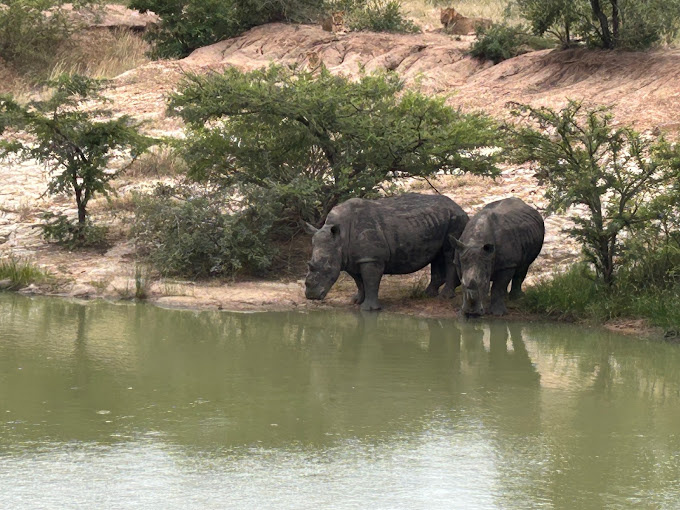
White Rhino
Approximately 16,000 individuals remain, primarily in African countries such as South Africa, Namibia, Botswana, Kenya, Zambia, and Zimbabwe.Black Rhino
Around 6,300 individuals survive today, largely across southern and eastern Africa.Greater One-Horned Rhino (Indian Rhino)
Just over 4,000 individuals, mainly in India and Nepal.Javan Rhino
Fewer than 100 individuals, all confined to a single protected area in Indonesia.Sumatran Rhino
Fewer than 80 individuals, making it one of the most critically endangered large mammals on Earth.
Together, these figures place the global rhino population at under 28,000 animals — a sobering reminder of how close we are to losing some species entirely.
If You’re Here for More Than Information
If you’re reading this because you want to do something meaningful, not just learn the numbers, these two pages are your next step:
Join the Veterinary Team (Behind-the-Scenes Conservation Operation)
These experiences are designed for travelers who want to support real conservation work while exploring Africa responsibly.
Conservation Efforts by Ranger Buck Safaris
Ranger Buck Safaris is deeply committed to ethical, conservation-first travel. Through carefully structured Rhino Conservation Experiences, guests are given the opportunity to engage directly with genuine conservation initiatives.
Depending on timing, permits, and conservation priorities, participants may assist wildlife rangers and veterinarians with critical tasks such as:
Monitoring rhinos during conservation operations
Supporting tracking and data collection efforts
Assisting with veterinary procedures under expert supervision
Learning how DNA sampling, notching, and collaring contribute to long-term protection
These experiences are never staged or guaranteed on demand. Animal welfare and conservation priorities always come first.
The Importance of Continued Rhino Conservation
Despite encouraging progress in some regions, poaching remains the single greatest threat to rhino survival.
In 2023, at least 586 rhinos were killed across Africa, highlighting how persistent and organised wildlife crime remains. While improved protection and enforcement have reduced losses in some areas, conservation success depends on long-term funding, local community involvement, and global support.
To counter these threats, conservationists are exploring a range of innovative tools — from advanced tracking technology to experimental deterrents — alongside traditional anti-poaching patrols and intelligence-led enforcement.
No single solution is enough. Protecting rhinos requires layered, sustained action.
Why South Africa Matters So Much
South Africa remains one of the most important strongholds for rhino conservation globally. A large proportion of the world’s remaining rhinos live within its borders, making conservation work here especially impactful.
To understand the local context and why South Africa plays such a critical role, read:
https://rangerbucksafaris.com/how-many-rhinos-are-left-in-south-africa/
Can Travel Really Make a Difference?
Yes — when done responsibly.
Ethical, conservation-first tourism helps fund protected areas, supports conservation jobs, and creates long-term incentives to protect wildlife rather than exploit it. The key is choosing experiences that prioritise education, welfare, and real conservation outcomes, not staged encounters.
If you want to explore how conservation travel works in practice, start here:
https://rangerbucksafaris.com/rhino-conservation-efforts/
Conclusion: Turning Awareness into Action
The question “how many rhinos are left?” is a stark reminder of how fragile the future of these iconic animals remains. While conservation successes show that recovery is possible, progress depends on continued commitment — from governments, conservationists, and individuals alike.
By supporting ethical conservation efforts, spreading awareness, and choosing responsible travel experiences, it’s possible to be part of the solution. With the right action today, there is still hope that future generations will know rhinos not as statistics, but as thriving, living symbols of Africa’s wild heritage.
Rhino Conservation Library
If you’re exploring rhino conservation, these guides will help you understand the crisis—and what a real hands-on conservation experience involves. If you want to turn concern into action, explore:
Rhino conservation efforts explained (how protection works, what’s involved) →
How many rhinos are left in South Africa? (latest context + why it matters) →
Join the veterinary team (notching + DNA sampling + the real behind-the-scenes operation) →
“As members of the South African Tourism Services Association (SATSA) we commit to abiding by the ethical approach adopted by the guidelines to animal interactions as published by SATSA. We ensure that we adopt best practice policies when undergoing any animal interaction during our Conservation Experiences offered.”
FAQs for Rhino Conservation
How many rhinos are left in the world in 2026?
As of January 2026, fewer than 28,000 rhinos remain worldwide across all five species. This includes approximately 16,000 white rhinos, 6,300 black rhinos, just over 4,000 greater one-horned rhinos, fewer than 100 Javan rhinos, and fewer than 80 Sumatran rhinos. This represents a dramatic decline from an estimated 500,000 rhinos at the start of the 20th century.
Which rhino species is most endangered?
The Sumatran rhino is the most critically endangered rhino species, with fewer than 80 individuals remaining, making it one of the most endangered large mammals on Earth. The Javan rhino is also critically endangered with fewer than 100 individuals, all confined to a single protected area in Indonesia. Both species face imminent extinction without intensive conservation efforts.
Why are rhinos endangered?
Rhinos are endangered primarily due to poaching for their horns, which are illegally traded and falsely believed to have medicinal properties in some cultures. Other major threats include habitat loss from human development and agriculture, and in some cases, small population sizes that make genetic diversity difficult to maintain. In 2023 alone, at least 586 rhinos were killed across Africa, demonstrating the ongoing severity of poaching.
Where do most rhinos live today?
Most rhinos today live in southern and eastern Africa, with South Africa being the most important stronghold for rhino conservation globally. White rhinos are found primarily in South Africa, Namibia, Botswana, Kenya, Zambia, and Zimbabwe. Black rhinos also live across southern and eastern Africa. In Asia, greater one-horned rhinos are mainly found in India and Nepal, while the critically endangered Javan and Sumatran rhinos are confined to Indonesia.
How many rhinos are killed each year?
In 2023, at least 586 rhinos were killed across Africa due to poaching. While improved protection and enforcement have reduced losses in some areas compared to peak poaching years, wildlife crime remains persistent and highly organised. The exact number varies year to year depending on anti-poaching effectiveness, but poaching remains the single greatest threat to rhino survival.
Can rhino populations recover from near extinction?
Yes, rhino populations can recover with sustained conservation efforts. The greater one-horned rhino and white rhino populations have shown that recovery is possible through dedicated protection, anti-poaching measures, and habitat management. However, recovery requires long-term funding, local community involvement, global support, and continued protection from poaching. The process is slow and requires decades of consistent effort.
How does conservation tourism help protect rhinos?
Conservation tourism helps protect rhinos by funding protected areas, supporting conservation jobs, and creating economic incentives for local communities to protect wildlife rather than exploit it. Ethical, conservation-first travel experiences can directly fund anti-poaching patrols, veterinary care, monitoring programs, and habitat protection. The key is choosing experiences that prioritize animal welfare and real conservation outcomes over staged encounters.
What is being done to save rhinos from extinction?
Conservation efforts to save rhinos include anti-poaching patrols, advanced tracking technology using GPS collars, DNA sampling for population monitoring, veterinary interventions, habitat protection, community education programs, and intelligence-led enforcement against wildlife crime networks. Conservationists use a layered approach combining traditional ranger patrols with modern technology. Success depends on sustained funding, government commitment, and global awareness.
How can I help rhino conservation efforts?
You can help rhino conservation by supporting reputable conservation organizations, choosing ethical wildlife tourism experiences that prioritize animal welfare, spreading awareness about the rhino crisis, avoiding products made from rhino horn or other wildlife parts, and supporting policies that strengthen wildlife protection laws. If traveling to rhino habitats, select operators committed to conservation-first practices and legitimate conservation partnerships.
Are there any rhino species that have gone extinct?
While no rhino species have gone completely extinct in recent times, several subspecies have been lost. The western black rhino was declared extinct in 2011, and the northern white rhino is functionally extinct with only two females remaining. The Javan and Sumatran rhinos are critically endangered and face possible extinction within decades without intensive conservation intervention. The situation remains critical for multiple rhino populations.