
Plan a trip
Why Are Pangolins Endangered?
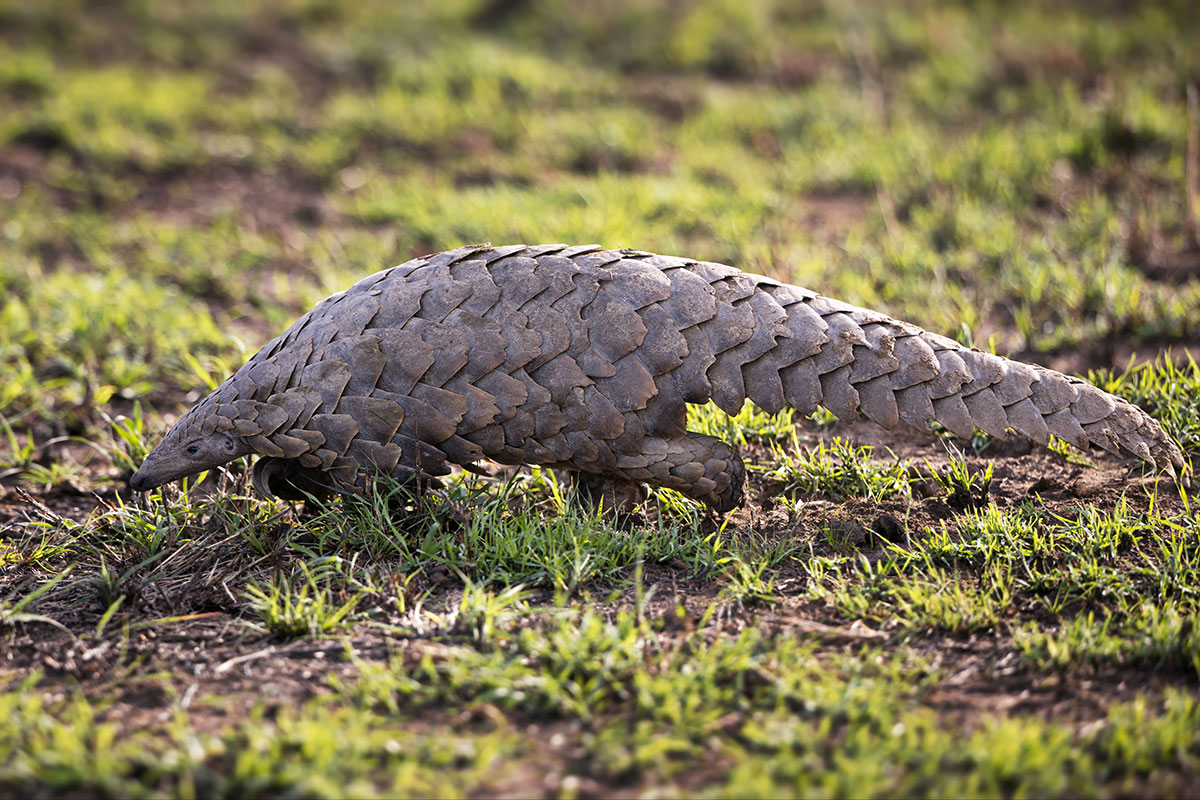
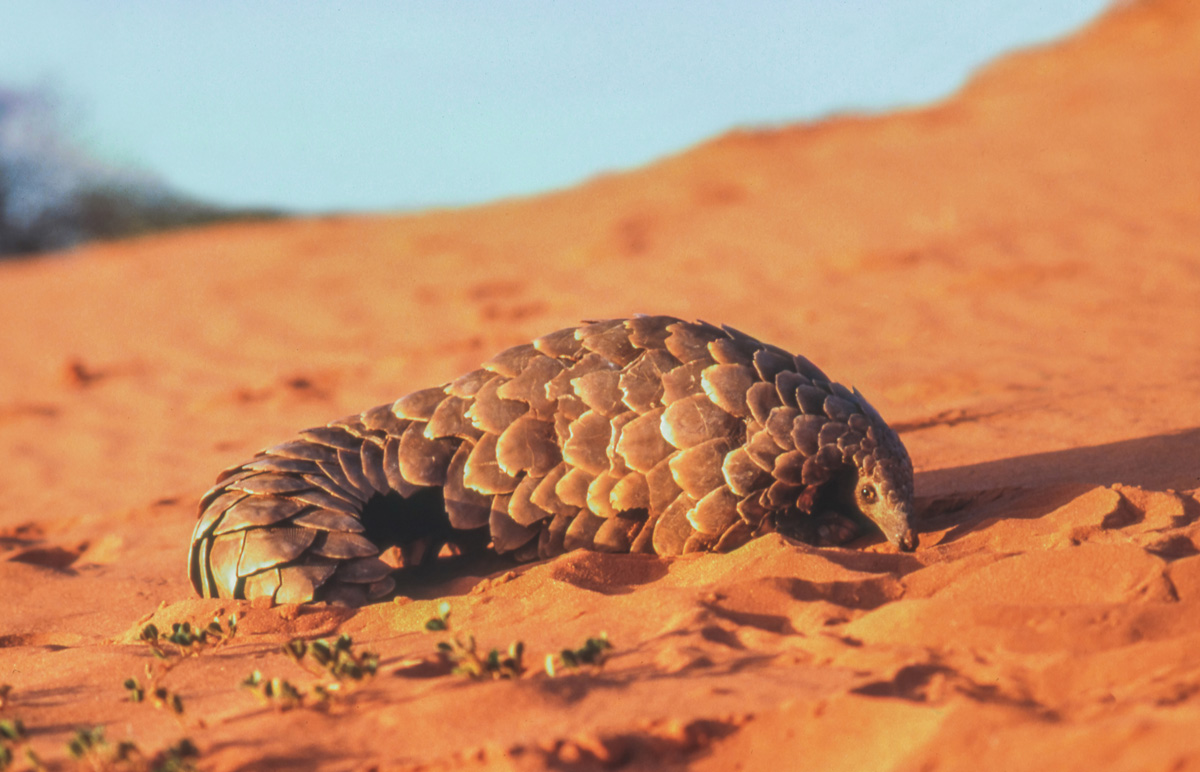
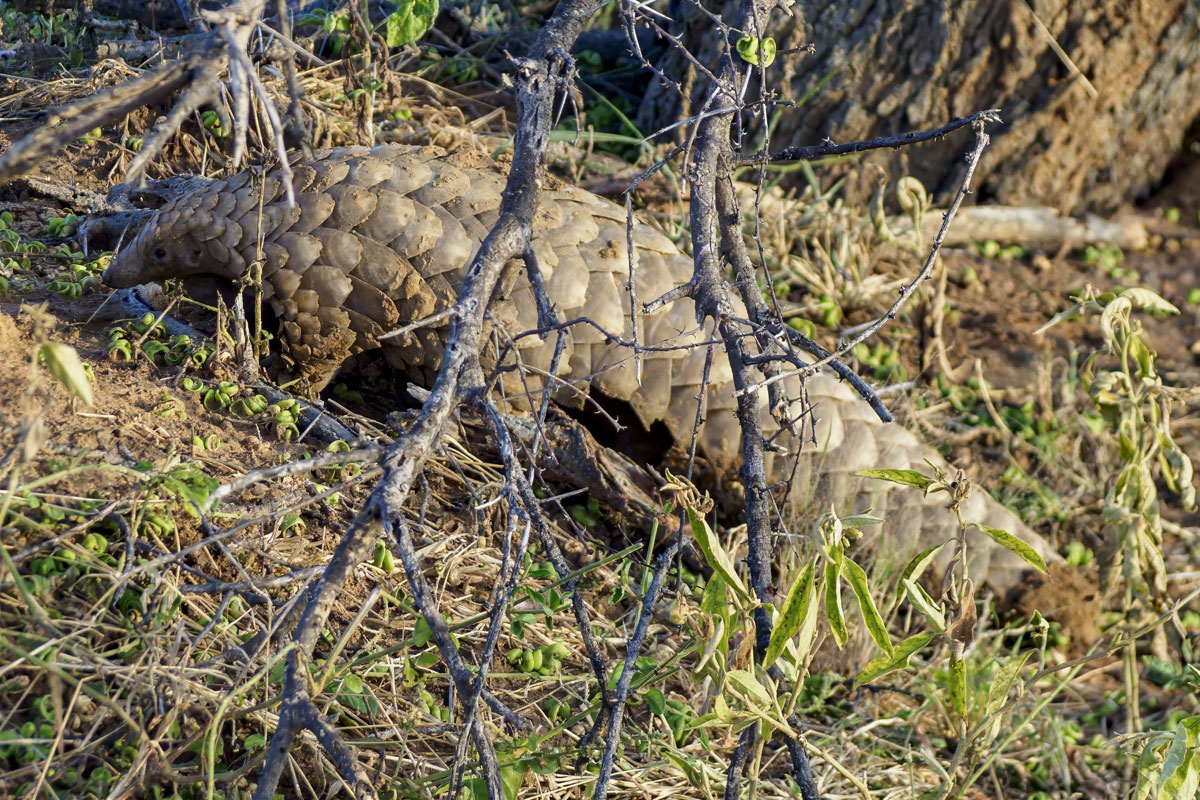
Every year, tens of thousands of pangolins are taken from the wild. Their scales are seized at borders, their meat consumed in illegal markets across two continents, their bodies traded by organised criminal networks that have turned this quiet, harmless animal into one of the most commercially exploited mammals on earth. All eight pangolin species are now declining and at risk of extinction. Understanding why matters enormously — because awareness is the foundation of action.
The Illegal Wildlife Trade
Pangolins hold the unhappy distinction of being the world’s most trafficked mammal. Demand for their scales and meat — primarily driven by markets in China and Vietnam — has created a global black market of devastating scale. Their scales are falsely believed to have medicinal properties in some traditional medicine systems, despite no scientific evidence supporting any therapeutic effect. Demand has proven remarkably resistant to legal restriction and enforcement.
In 2017, all eight pangolin species were transferred to CITES Appendix I, banning all commercial international trade in pangolins and their parts. Despite this, trafficking continues, because financial rewards are substantial and enforcement across key range states remains inconsistent.
Why Pangolin Scales Are Targeted
Pangolin scales — composed of the same keratin as human fingernails — are ground into powder and used in some traditional medicine systems, where they are incorrectly claimed to treat skin conditions, inflammation and lactation problems. There is no scientific evidence supporting any of these claims. Despite this, scales remain among the most frequently seized wildlife products at international customs checkpoints. Single seizures of hundreds of kilograms — representing thousands of individual pangolins — are not uncommon in major trafficking corridors.
Habitat Loss, Roads and Electric Fences
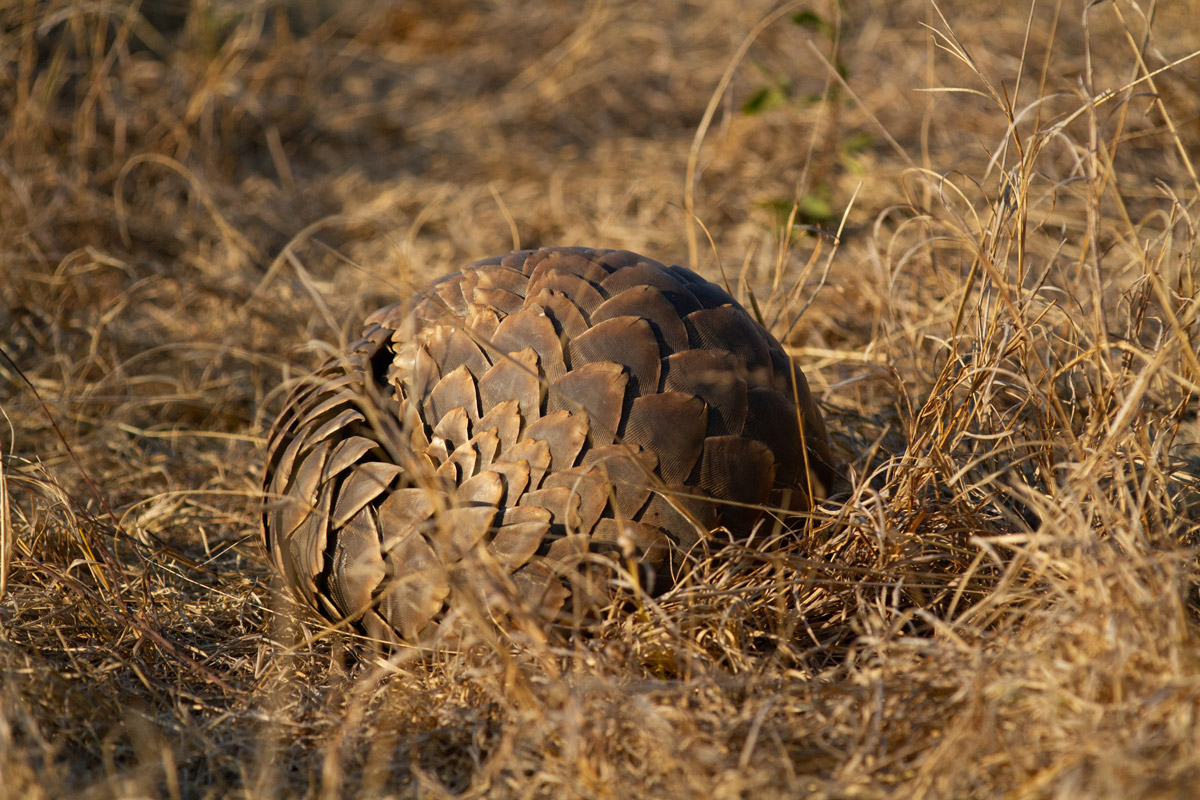
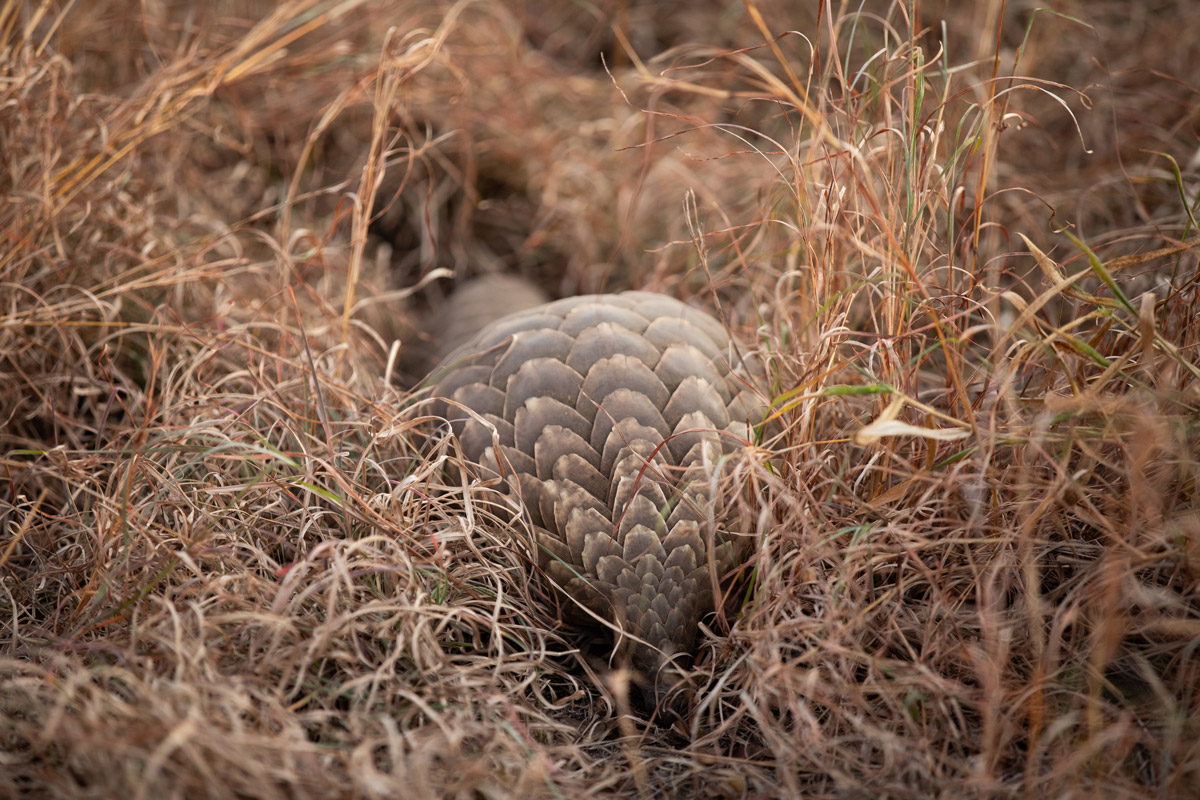
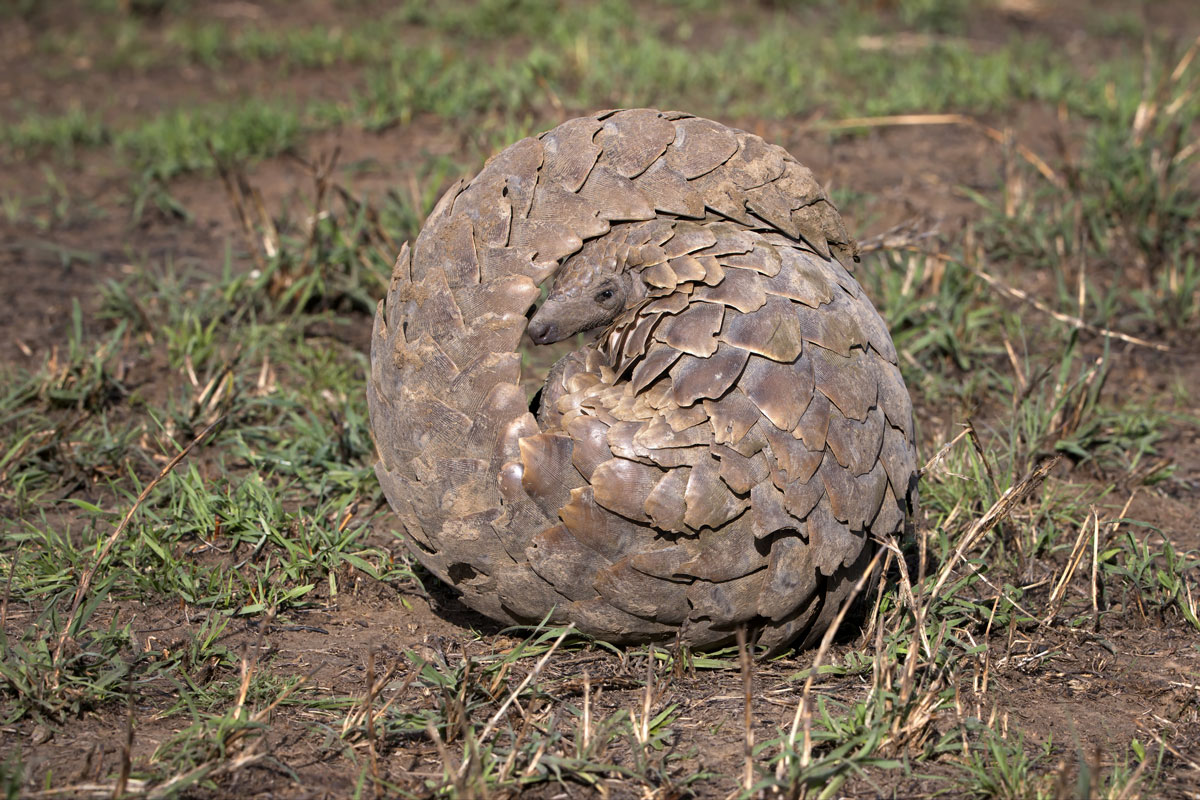
Beyond direct exploitation, pangolins face serious pressure from shrinking and fragmented habitat. Agricultural expansion, deforestation and human settlement have reduced the quality and connectivity of pangolin territory across sub-Saharan Africa. Pangolins are also highly susceptible to road mortality — their instinct to curl into a ball when frightened is spectacularly ineffective on a road at night. Electric fencing, installed to protect farms and game reserves, kills pangolins attempting to cross.
Why Slow Reproduction Makes Recovery So Difficult
Pangolins reproduce extremely slowly — most species produce a single pup per year. The pup remains with its mother for an extended period and juvenile mortality is significant. A species producing only one offspring annually cannot sustain heavy removal from the wild. Once populations are severely depleted, recovery takes decades even under favourable conditions and active protection.
What Conservation Organisations Are Doing
Organisations including Pangolin.Africa are working to change the trajectory for Africa’s four pangolin species through education, sightings data collection, rescue and rehabilitation, and law enforcement partnerships. Pangolin.Africa’s Pangolert system allows responsible citizens and rangers to report sightings and emergencies through WhatsApp — data that helps build a clearer picture of population trends and distribution across South Africa and beyond.
How Tourism Helps
Ethical safari tourism is part of the solution. When travellers choose responsible operators, conservation-minded reserves and expert guides, they generate revenue that funds rangers, anti-poaching patrols and rehabilitation programmes. You do not need a pangolin-specific safari to make a difference. You simply need to travel with intention.
Want to deepen your connection to pangolin conservation? Join Ranger Buck’s Pangolin Guardian challenge — complete Pangolin.Africa’s free course and earn your Guardian certificate.
get in touch with us
+27 83 653 5776
+27 83 653 5776 (WhatsApp)
info@rangerbucksafaris.com
16 Lourie Close, Meyersdal Eco Estate,
Alberton, Gauteng
16 Lourie Close, Meyersdal Eco Estate, Alberton, Gauteng

Website by Keeden Marketing | 2024
