
Plan a trip
What Is a Pangolin?
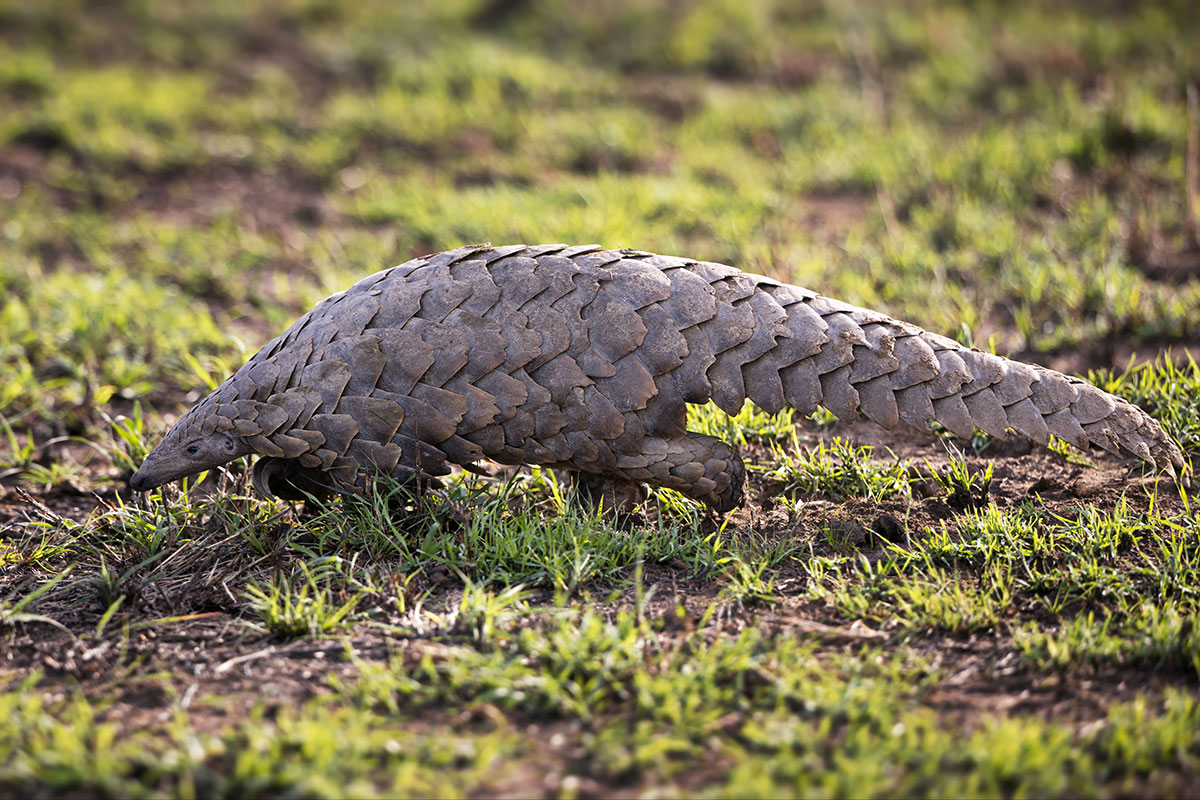
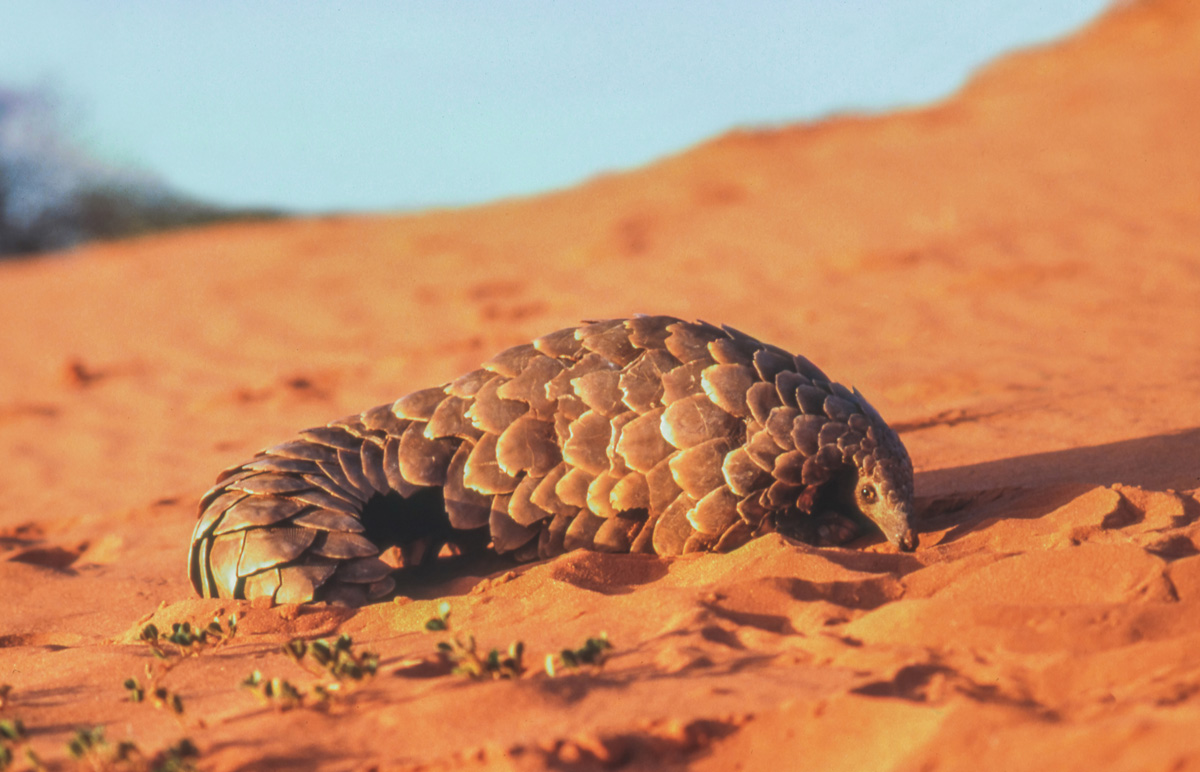
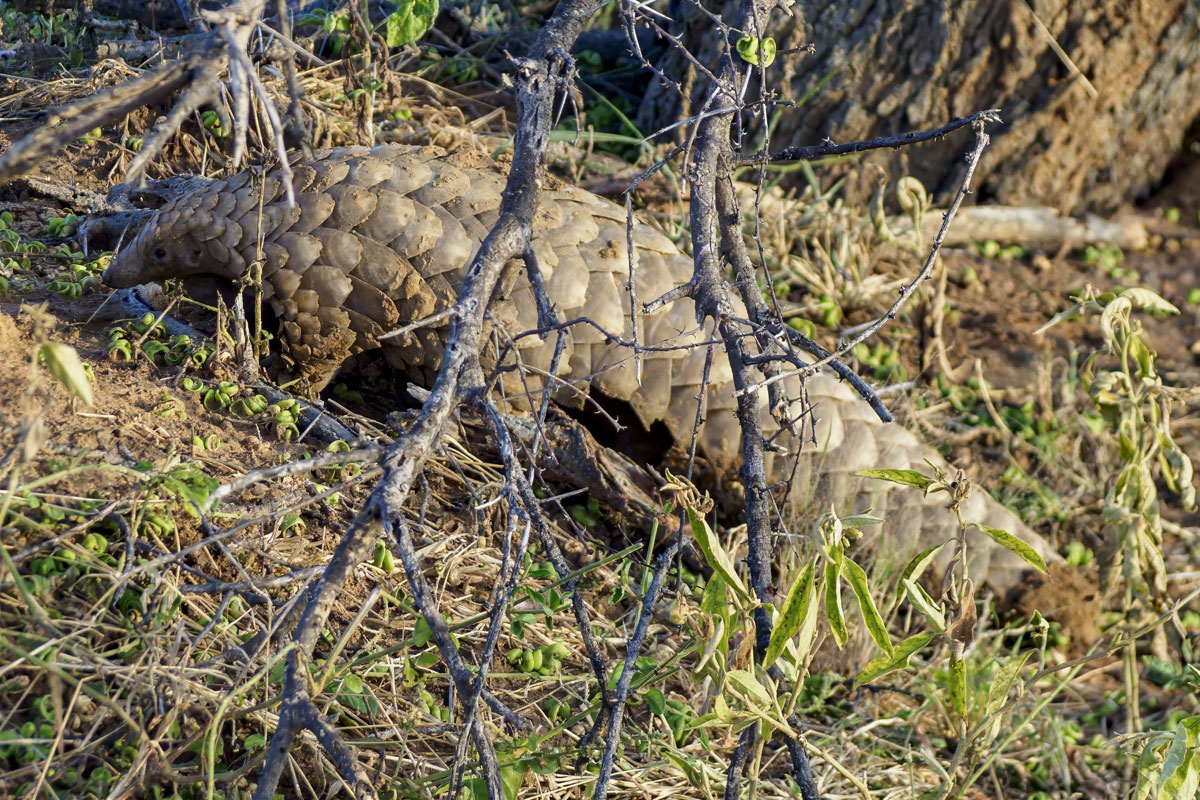
Of all the animals you might hope to encounter on an African safari, none is more elusive or more extraordinary than the pangolin. Not a reptile, despite appearances. Not a rodent, despite the armoured body and insect diet. Pangolins are mammals — the only mammals on earth entirely covered in overlapping keratin scales — and every aspect of their biology is unlike any other creature in the African bush.
What Exactly Is a Pangolin?
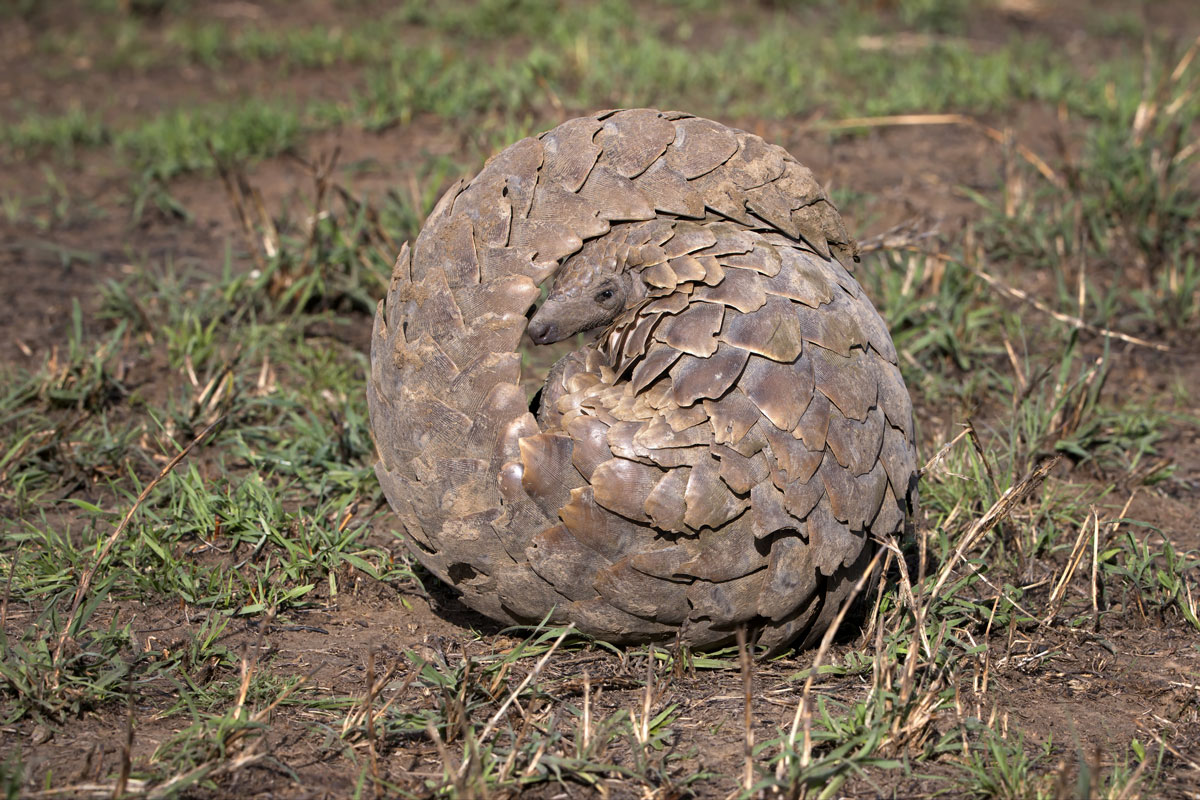
A pangolin is a scaly, insect-eating mammal belonging to the order Pholidota, which translates from Greek as “overlapping scales.” There are eight species worldwide — four in Africa and four in Asia — and all eight are now threatened with extinction. Despite their reptilian appearance, pangolins are warm-blooded, give birth to live young and nurse their pups on milk. They are more closely related to carnivores like lions and dogs than to any reptile.
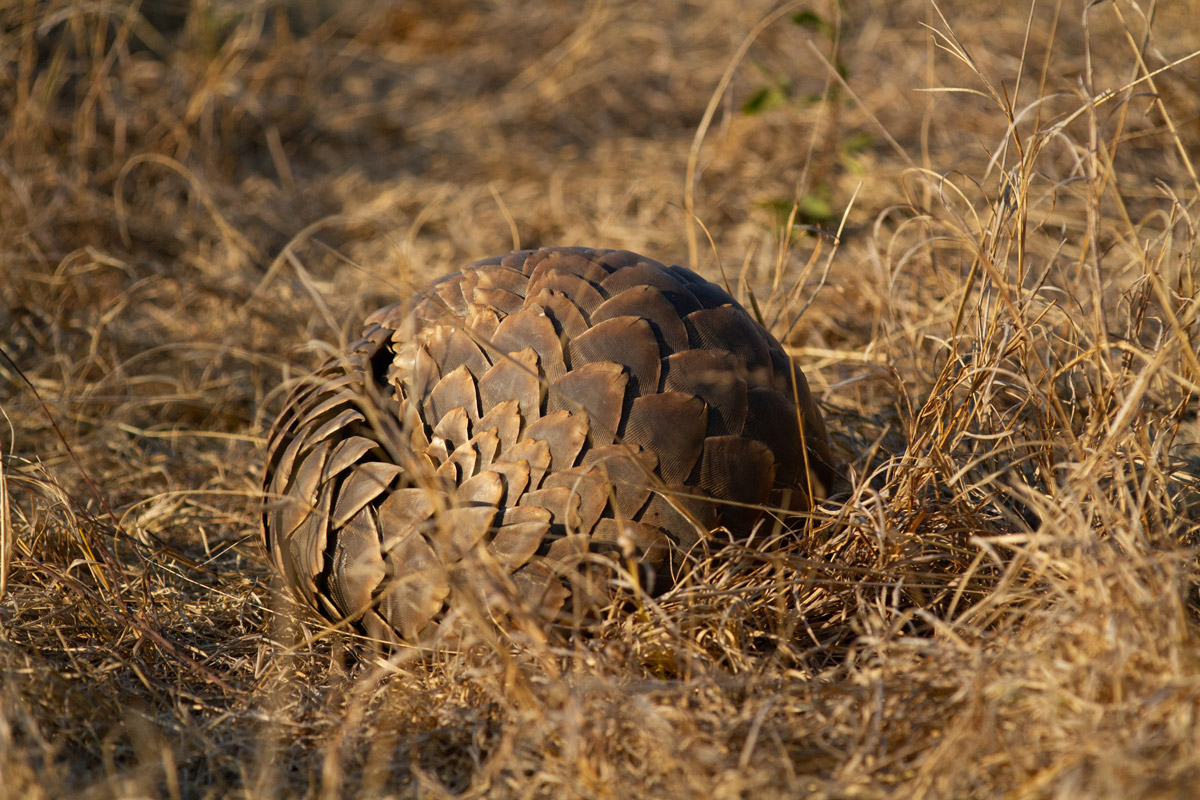
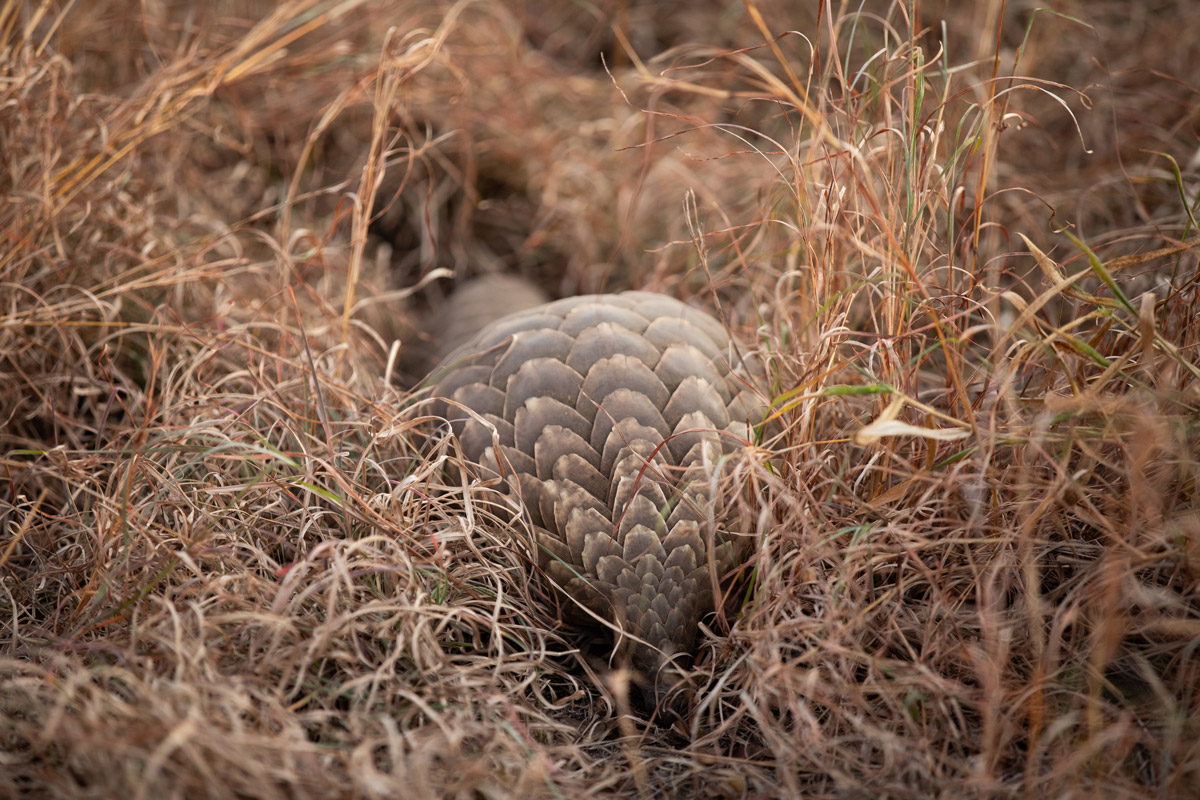
The defining feature of the pangolin is its armour. The overlapping scales covering most of the body — leaving only the soft underbelly exposed — are made of keratin, the same protein found in human fingernails. When threatened, a pangolin curls into a tight ball, protecting its vulnerable underbelly behind a shield of scales. This defence works well against most natural predators. It provides no defence against a human with a sack.
Are Pangolins Mammals or Reptiles?
Pangolins are mammals. This is one of the most common misconceptions about them, and the confusion is understandable — no other mammal looks quite like this. The scaly exterior, the insect diet and the elongated snout all suggest something older and colder. But pangolins regulate their own body temperature, nurse their young, and sit within the order Pholidota alongside the carnivores — not the reptiles.
What Do Pangolins Eat?
Pangolins are specialist feeders with a diet almost entirely limited to ants and termites. They locate nests using a highly developed sense of smell, then tear open the mound with powerful front claws before deploying an extraordinarily long, sticky tongue — which can extend beyond the length of their entire body — to collect insects in their thousands.
An adult pangolin may consume up to 70 million insects per year, making them one of the most effective natural pest controllers on the continent. They have no teeth — insects are ground down in a muscular, stone-filled stomach that functions as a biological grinder.
Where Do Pangolins Live?
African pangolin species occupy a broad range of habitats, from open savannas and bushveld to subtropical forests and riverine woodland. Their distribution spans sub-Saharan Africa, from Senegal in the west through East Africa and south into South Africa’s Limpopo, Mpumalanga and KwaZulu-Natal provinces. Despite this extensive range, actual pangolin density is low and wild encounters are extremely rare. Pangolins are strictly nocturnal, solitary and highly secretive.
Why Are Pangolins So Hard to Find on Safari?
Because they are nocturnal, solitary and acutely sensitive to disturbance. Pangolins detected in an area frequently disappear entirely after repeated human exposure. Even in reserves with known pangolin populations, guest sightings may number in single digits per year — or not at all. This is why Ranger Buck Safaris does not offer a dedicated pangolin safari with promised sightings. For guests with a deep interest in pangolin conservation, we can arrange visits to an accredited pangolin sanctuary as part of a tailor-made itinerary.
Want to deepen your connection to pangolin conservation? Join Ranger Buck’s Pangolin Guardian challenge — complete Pangolin.Africa’s free course and earn your Guardian certificate.
get in touch with us
+27 83 653 5776
+27 83 653 5776 (WhatsApp)
info@rangerbucksafaris.com
16 Lourie Close, Meyersdal Eco Estate,
Alberton, Gauteng
16 Lourie Close, Meyersdal Eco Estate, Alberton, Gauteng

Website by Keeden Marketing | 2024
