
Plan a trip
Pangolin Sightings in South Africa
If you have spent time on safari in South Africa and never seen a pangolin, you are in the overwhelming majority. Experienced field rangers with decades in the bush describe a pangolin sighting as among the rarest and most emotionally affecting encounters in Africa. These animals are present in landscapes you may already have visited. But finding one requires deep knowledge, careful preparation and an extraordinary measure of luck.
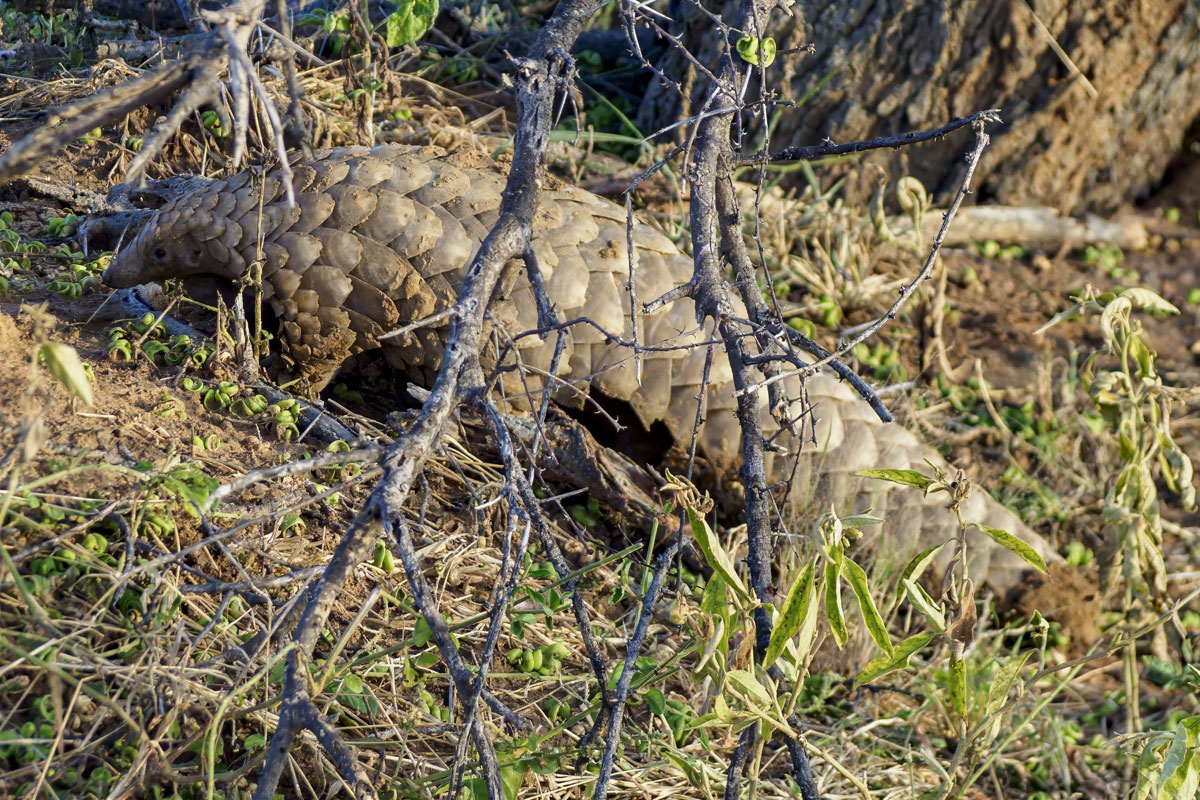
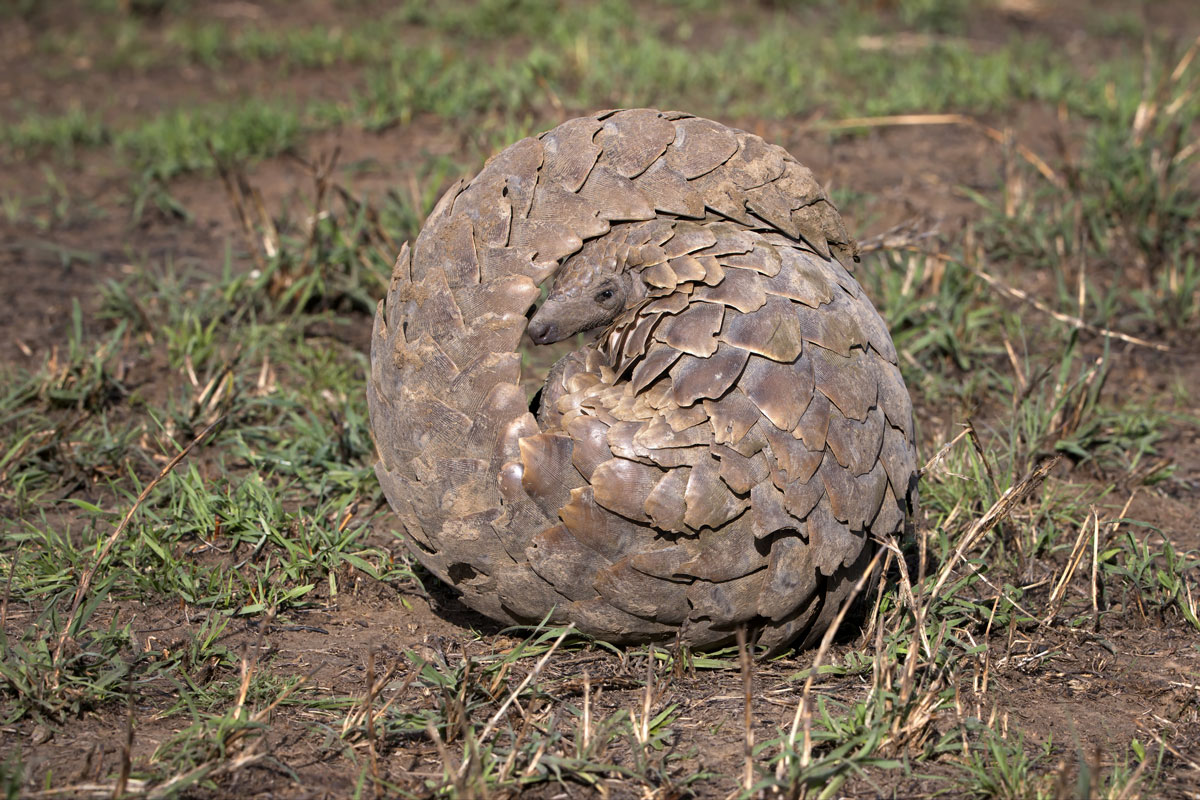
Does South Africa Have Pangolins?
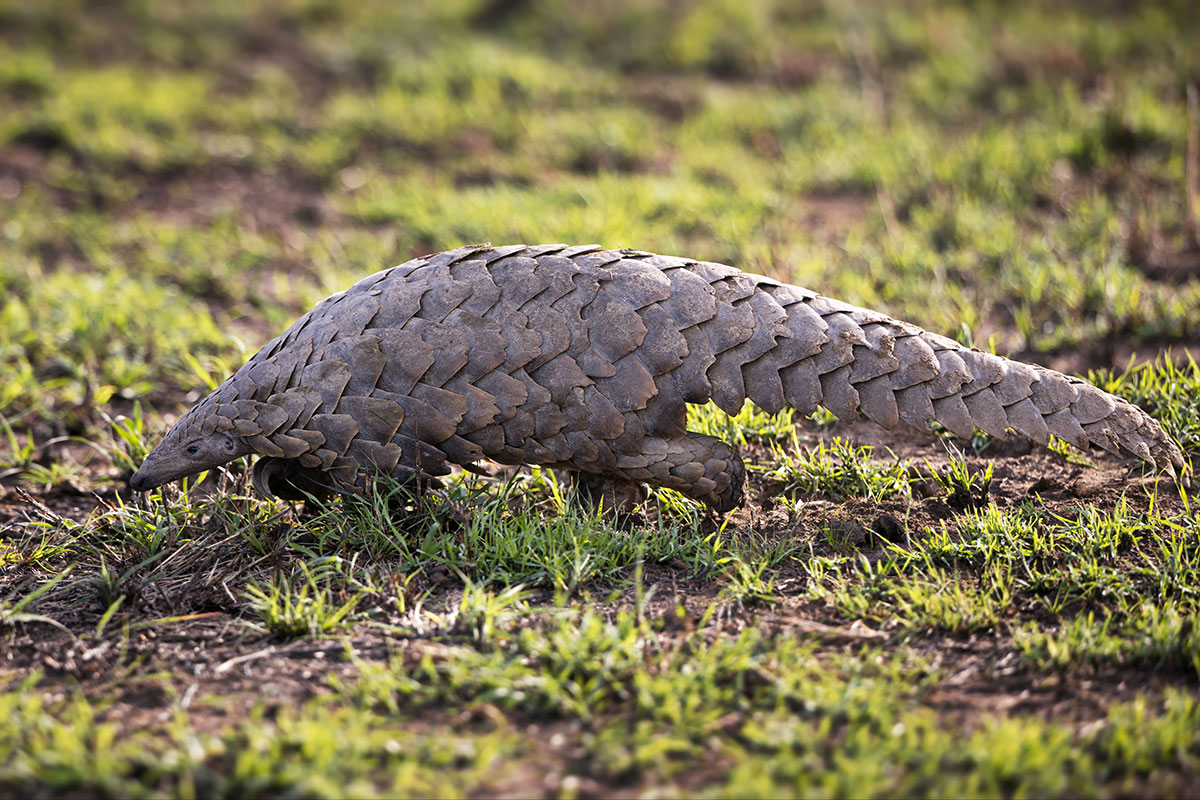
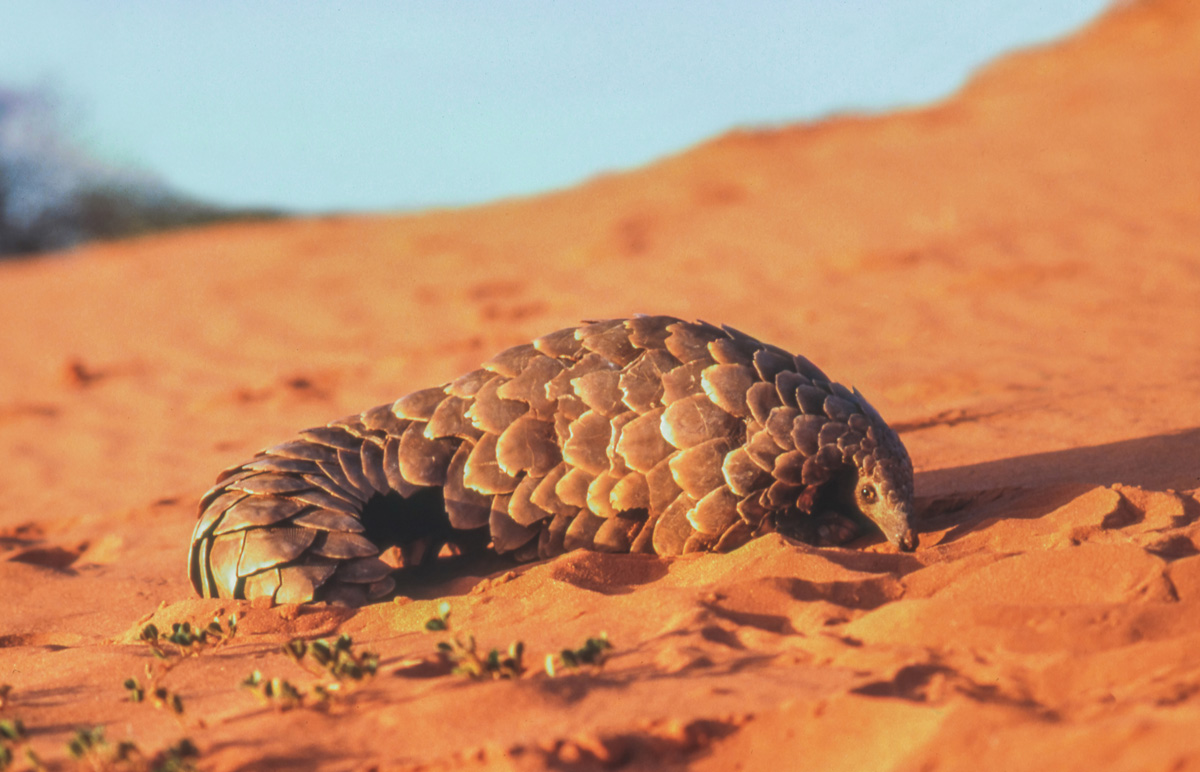
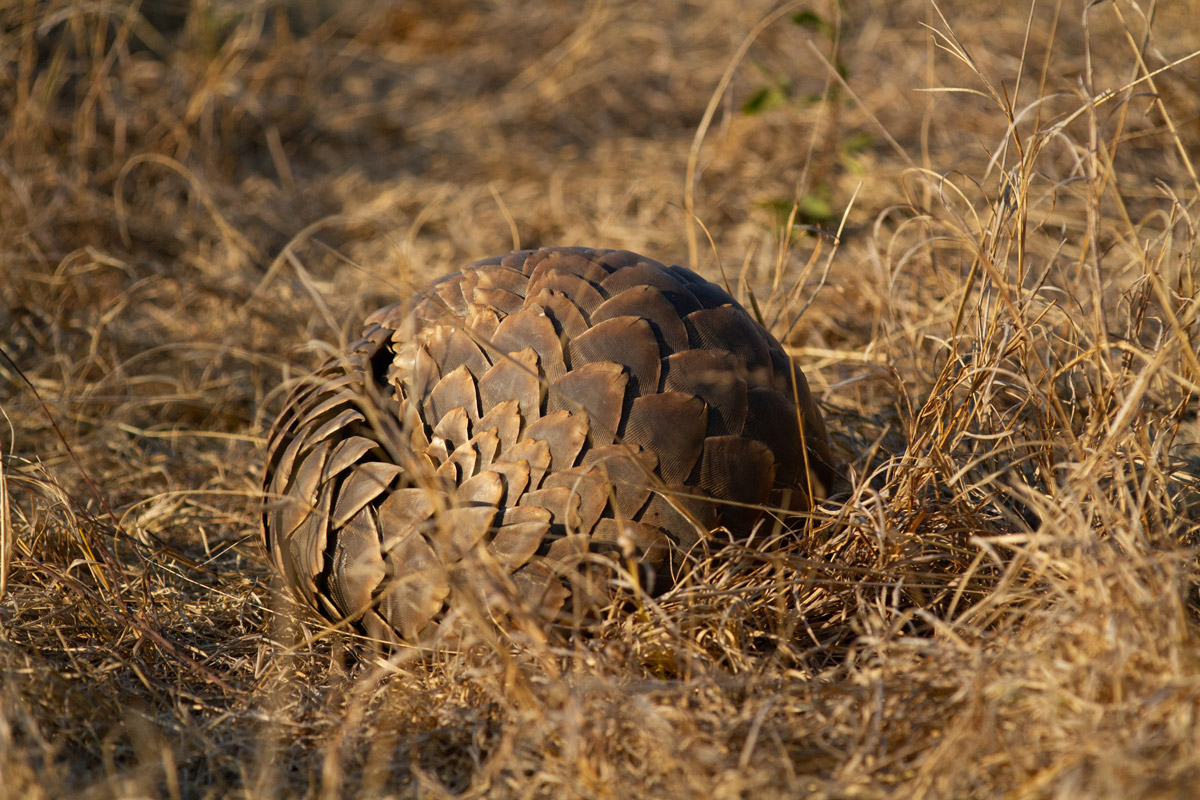
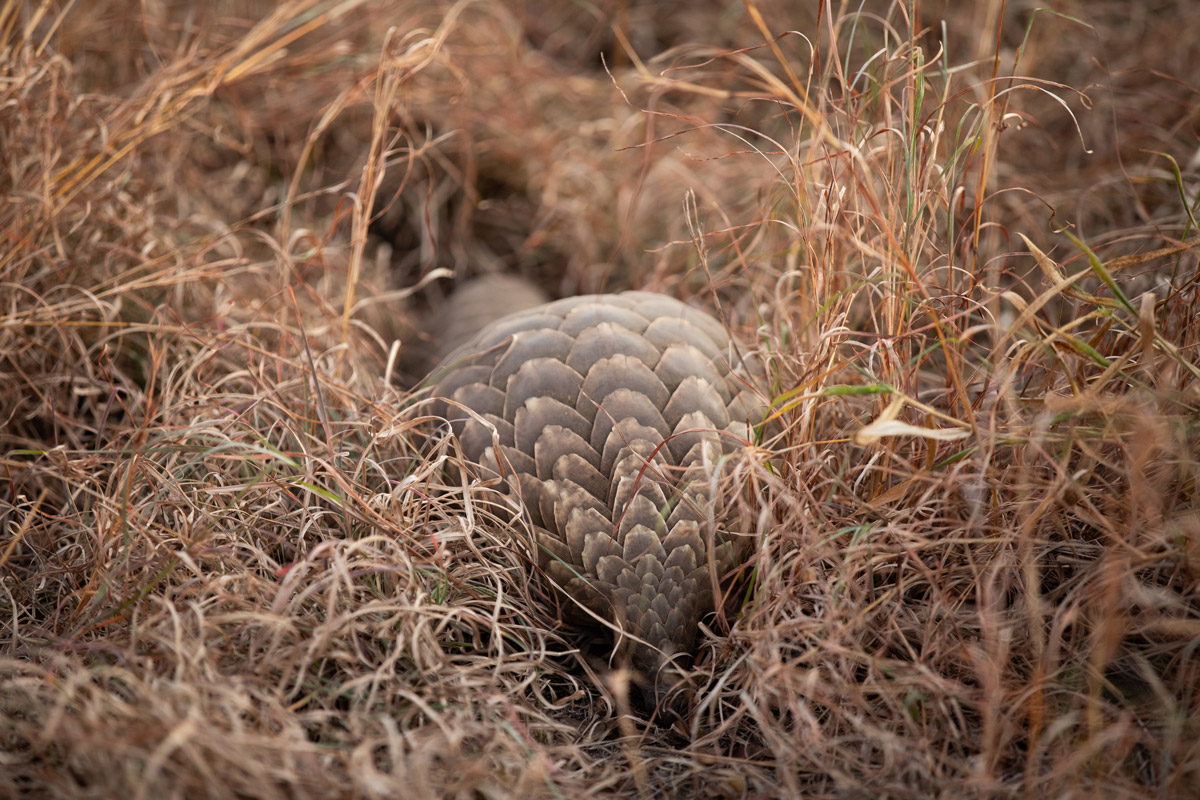
Yes. South Africa is home to Temminck’s ground pangolin (Smutsia temminckii) — the most widely distributed African pangolin species. They occur in savanna woodland, bushveld and scrubland across Limpopo, Mpumalanga, North West, KwaZulu-Natal, the Northern Cape and the broader Kruger ecosystem. The animals are present. They are simply almost never seen.
Why Pangolin Sightings Are So Rare
Several compounding factors make a pangolin sighting genuinely extraordinary. Pangolins are strictly nocturnal — active only after dark, placing them outside the window of most standard game drives. They are solitary, so there is never a group to stumble upon. Their home ranges are large and their movement patterns difficult to predict. And they are acutely sensitive to disturbance: repeated human presence in an area where a pangolin has been detected often causes the animal to relocate entirely.
Even in reserves with known pangolin populations and active monitoring programmes using tracking collars and camera traps, guest sightings may occur only a handful of times per year — or not at all.
Why No Ethical Operator Can Promise a Pangolin Sighting
Ranger Buck Safaris does not offer a dedicated pangolin safari with promised sightings, and any operator who claims they can guarantee one should be viewed with serious scepticism. Guaranteed pangolin encounters typically involve habituated or captive-managed animals — which raises significant welfare concerns — or are simply dishonest marketing.
For guests with a serious interest in pangolin conservation, Ranger Buck Safaris can arrange visits to accredited pangolin sanctuaries as part of a tailor-made itinerary. Here the encounter is ethical, managed by trained professionals and directly supports rescue and rehabilitation work.
How to Report a Pangolin Sighting Responsibly
If you are fortunate enough to encounter a pangolin in the wild, your sighting is scientifically valuable. Report it through Pangolin.Africa’s Pangolert system, which accepts live sightings via WhatsApp with a photograph and location. Historical sightings can also be submitted. This data helps researchers build a clearer understanding of pangolin distribution and population trends across South Africa.
Do not share exact GPS coordinates publicly on social media. Pangolin locations are sensitive. Precise public location data has been exploited by poachers to target individual animals.
What to Do the Moment You See a Pangolin
Stay calm. Move slowly. Keep voices low. Switch off bright lights. Do not approach, touch or block the animal’s path. Let the pangolin set the distance and direction. Once it has moved on, report the sighting through the correct channels — not on public social media. Your guide on a Ranger Buck Safaris trip will know the correct protocol and will handle the documentation and reporting.
Want to deepen your connection to pangolin conservation? Join Ranger Buck’s Pangolin Guardian challenge — complete Pangolin.Africa’s free course and earn your Guardian certificate.
get in touch with us
+27 83 653 5776
+27 83 653 5776 (WhatsApp)
info@rangerbucksafaris.com
16 Lourie Close, Meyersdal Eco Estate,
Alberton, Gauteng
16 Lourie Close, Meyersdal Eco Estate, Alberton, Gauteng

Website by Keeden Marketing | 2024
