
Plan a trip
What to Do If You See a Pangolin on Safari
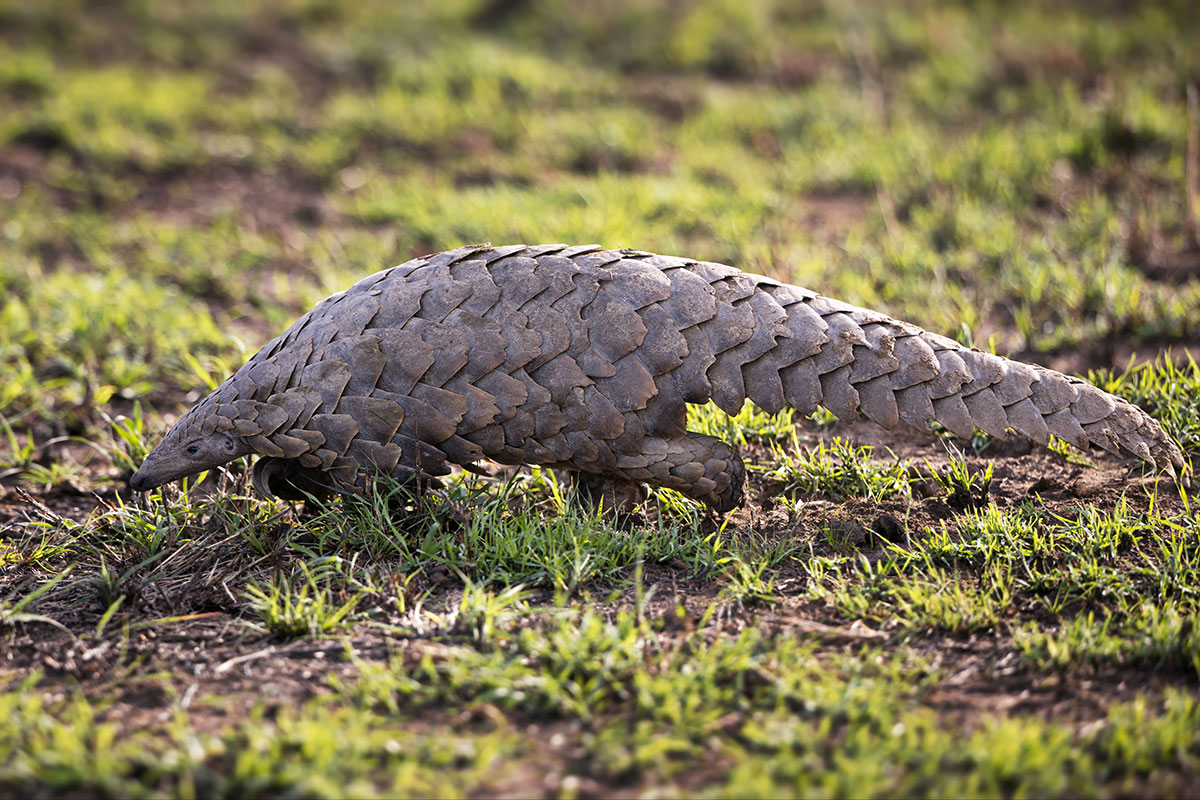
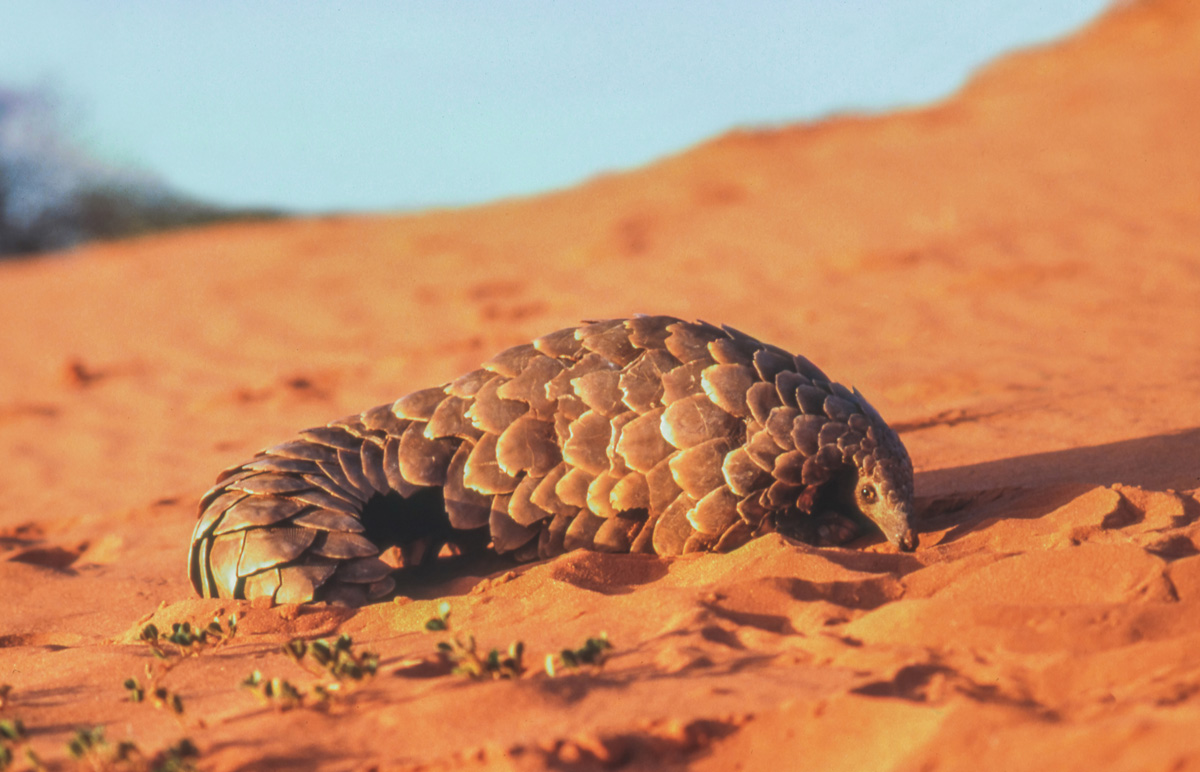
A pangolin sighting on safari is one of the rarest wildlife encounters in Africa. Guides with thirty years of fieldwork describe it as the encounter that cannot be planned for — it simply happens, or it doesn’t. If it happens to you, how you respond in the first few seconds matters far more than you might expect. This guide tells you exactly what to do.
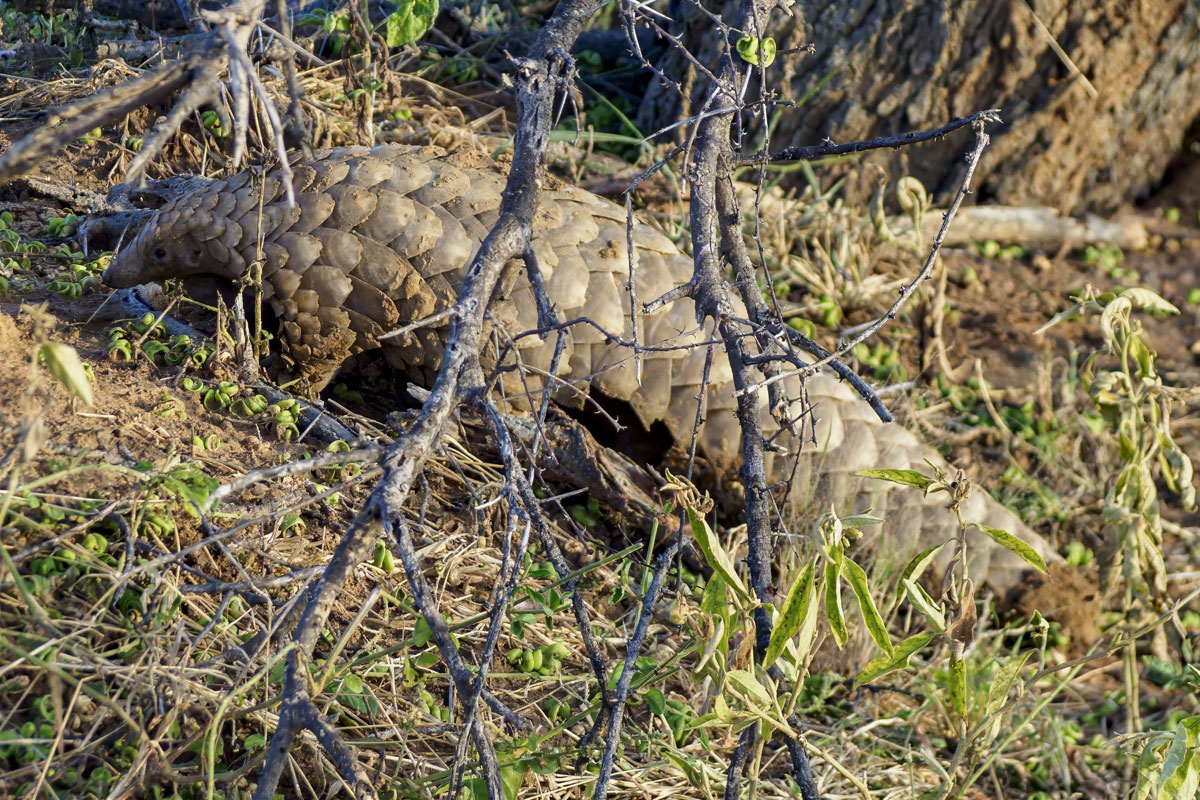
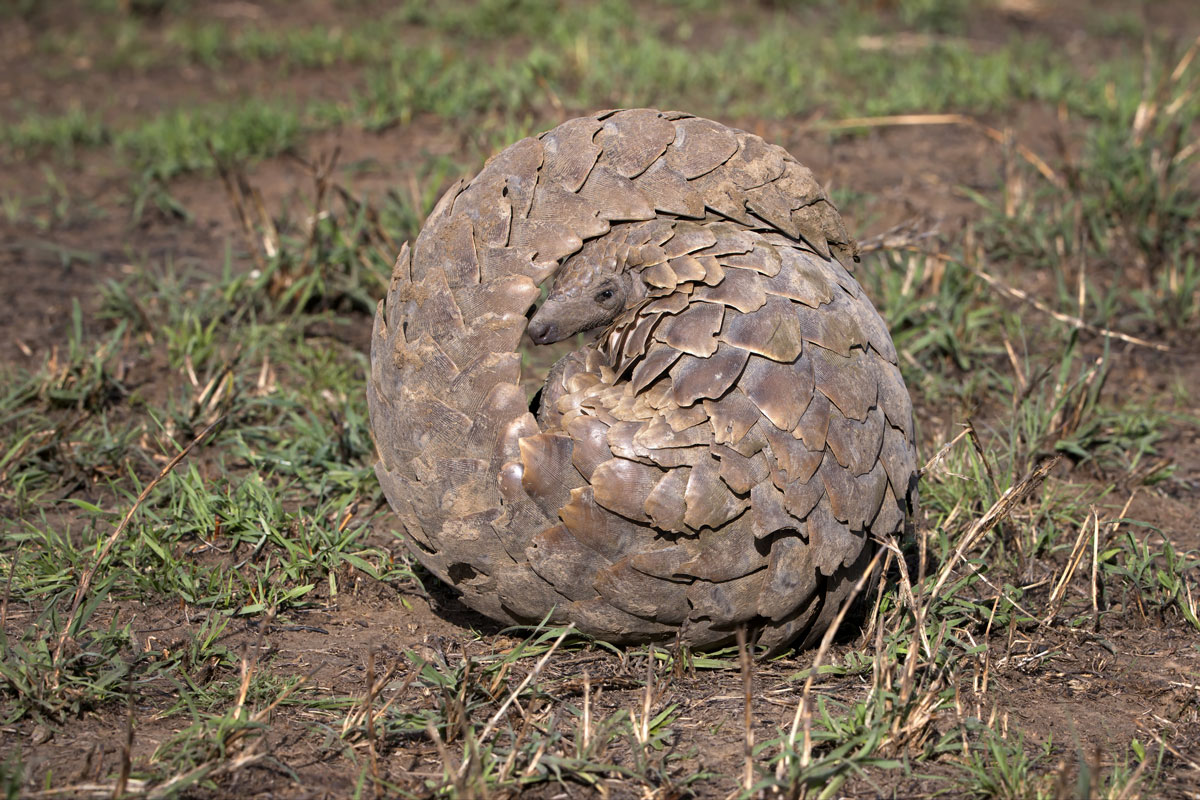
Step 1: Stay Calm and Still
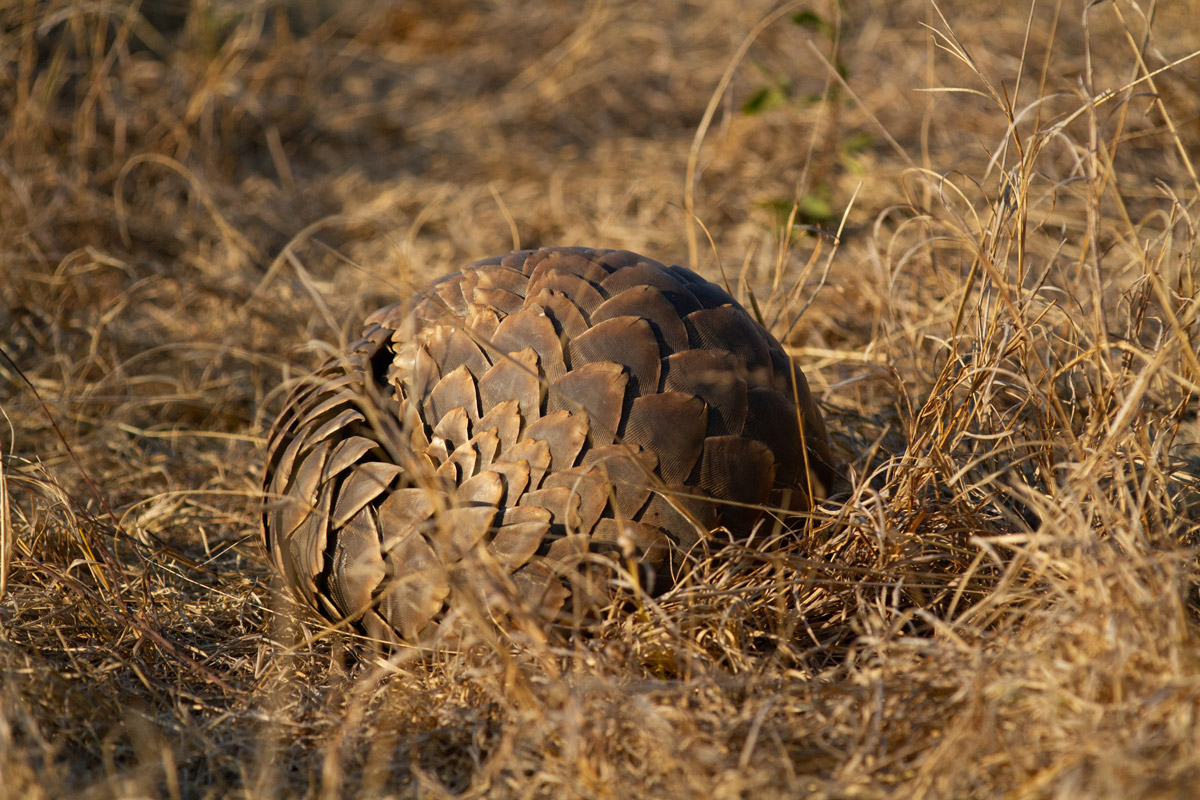
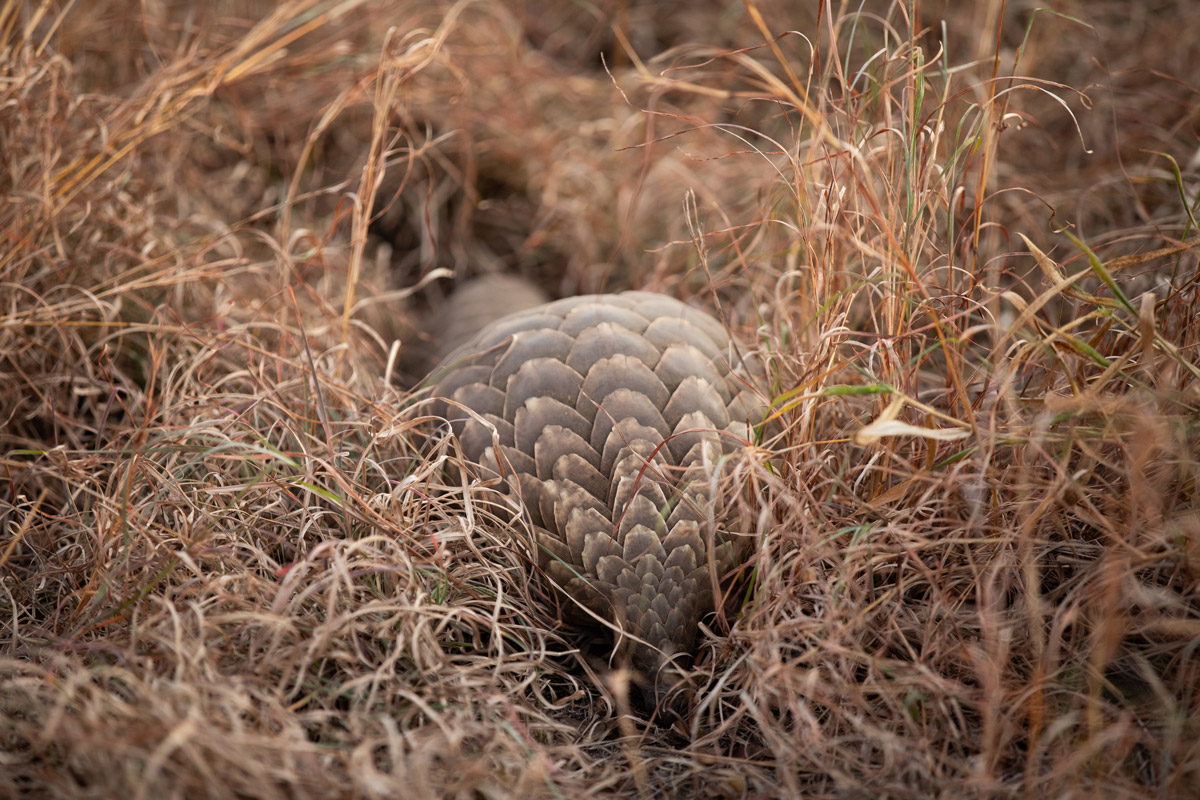
The instinct to exclaim, stand up or immediately reach for a camera is understandable. Resist it. Pangolins are acutely sensitive to sound, vibration and sudden movement. A sharp noise or abrupt shift in position can cause the animal to curl into a defensive ball, cutting off its ability to feed and exposing it to prolonged unnecessary stress. Breathe. Take a moment. Then move slowly and deliberately.
Step 2: Maintain a Respectful Distance
Do not approach the animal. Even in a vehicle, creeping forward can disrupt the pangolin’s movement and block its path to food or safety. Observe from where you are. If you are on foot, stand still or back away quietly. The animal determines the distance — not you.
Step 3: No Flash Photography
Pangolins are nocturnal animals with eyes adapted for very low light. Camera flashes and strong headlights are acutely stressful and disorienting. Switch to the lowest light available. Your guide may carry a red-filtered torch — the appropriate tool for night encounters. Photography is worthwhile; it simply requires patience and care.
Step 4: Do Not Touch the Animal
This is absolute. Not to help, not to admire, not to assist an animal crossing a road. Physical contact from an untrained individual can cause severe physiological stress in pangolins. If the pangolin appears injured, trapped or in distress, inform your guide immediately so the correct emergency channels can be activated without delay.
Step 5: Do Not Block the Animal’s Path
Pangolins have a destination. They are heading toward a food source, a burrow or cover. Do not position your vehicle across their line of travel or crowd the space in front of them. Give the animal a clear, unobstructed route and let it move freely.
Step 6: Report the Sighting Correctly
Once the animal has moved on, report the sighting through Pangolin.Africa’s Pangolert system — a responsible reporting platform that accepts live sightings via WhatsApp with a photograph and location. This data contributes directly to population research and distribution mapping.
Do not post exact coordinates publicly on social media. Share the experience, not the pin. Precise location data shared publicly has been used by poachers to target individual animals.
If the Pangolin Is in Danger
If the animal is injured, trapped in electric fencing, at risk from traffic, or if you believe it has been targeted by poachers, do not attempt to handle it yourself. Contact your guide immediately, notify reserve management, or activate Pangolert’s emergency reporting channel. Time is critical and the right people must be reached as quickly as possible.
What Your Guide Will Do
Every guide Ranger Buck Safaris works with knows the correct protocol for a pangolin encounter. They will manage the vehicle and guests calmly, document the sighting professionally, report it through the right channels, and ensure the animal is not followed or disturbed beyond the natural encounter window. Trust your guide. They have prepared for this moment.
Want to deepen your connection to pangolin conservation? Join Ranger Buck’s Pangolin Guardian challenge — complete Pangolin.Africa’s free course and earn your Guardian certificate.
get in touch with us
+27 83 653 5776
+27 83 653 5776 (WhatsApp)
info@rangerbucksafaris.com
16 Lourie Close, Meyersdal Eco Estate,
Alberton, Gauteng
16 Lourie Close, Meyersdal Eco Estate, Alberton, Gauteng

Website by Keeden Marketing | 2024
