
Plan a trip
Human–Elephant Conflict Solutions (What Actually Works)
Last updated: March 2026
There is no single “magic fix” for human–elephant conflict.
The best results come from tools that fit the landscape.
They also require consistency and maintenance.
This page covers the main solution types used across elephant range areas.
What makes solutions work
Solutions work best when they are:
- Locally manageable
- Maintained over time
- Backed by quick response support
- Part of a wider plan (not a one-off tactic)


1) Early warning systems (prevention beats reaction)
Early warning can reduce damage and reduce danger.
It gives communities time to respond safely.
Early warning may include:
- Community reporting networks
- Patrol communication
- Agreed watch points and alert plans
The response plan matters most:
- Who alerts who
- What happens next
- How people stay safe
- How elephants are guided away without escalation
2) Deterrents that can be maintained
Deterrents work when they are consistent.
They fail when maintenance stops.
Deterrent categories can include:
- Chili-based deterrents (used in some crop-protection systems)
- Light/noise methods (used carefully and responsibly)
- Beehive fencing (in suitable environments)
3) Strategic fencing (useful, but not a blunt instrument)
Fencing can reduce conflict in some areas.
But it must be designed and maintained properly.
Poor fencing can shift the problem to a new place.
Good decisions consider:
- Wildlife movement needs
- Escape routes and safety
- Corridor planning
- Long-term upkeep
4) Corridors and land-use planning (the long game)
Many conflict hotspots are pinch points near farms and water.
Corridors help movement stay predictable.
Predictability reduces surprise encounters.
5) Incentives that make coexistence realistic
If elephants only bring cost and risk, retaliation becomes predictable.
Stronger programs build real value through:
- Jobs
- Community benefit or revenue sharing
- Rapid-response support
- Consistent protection that people can see
What travellers should know
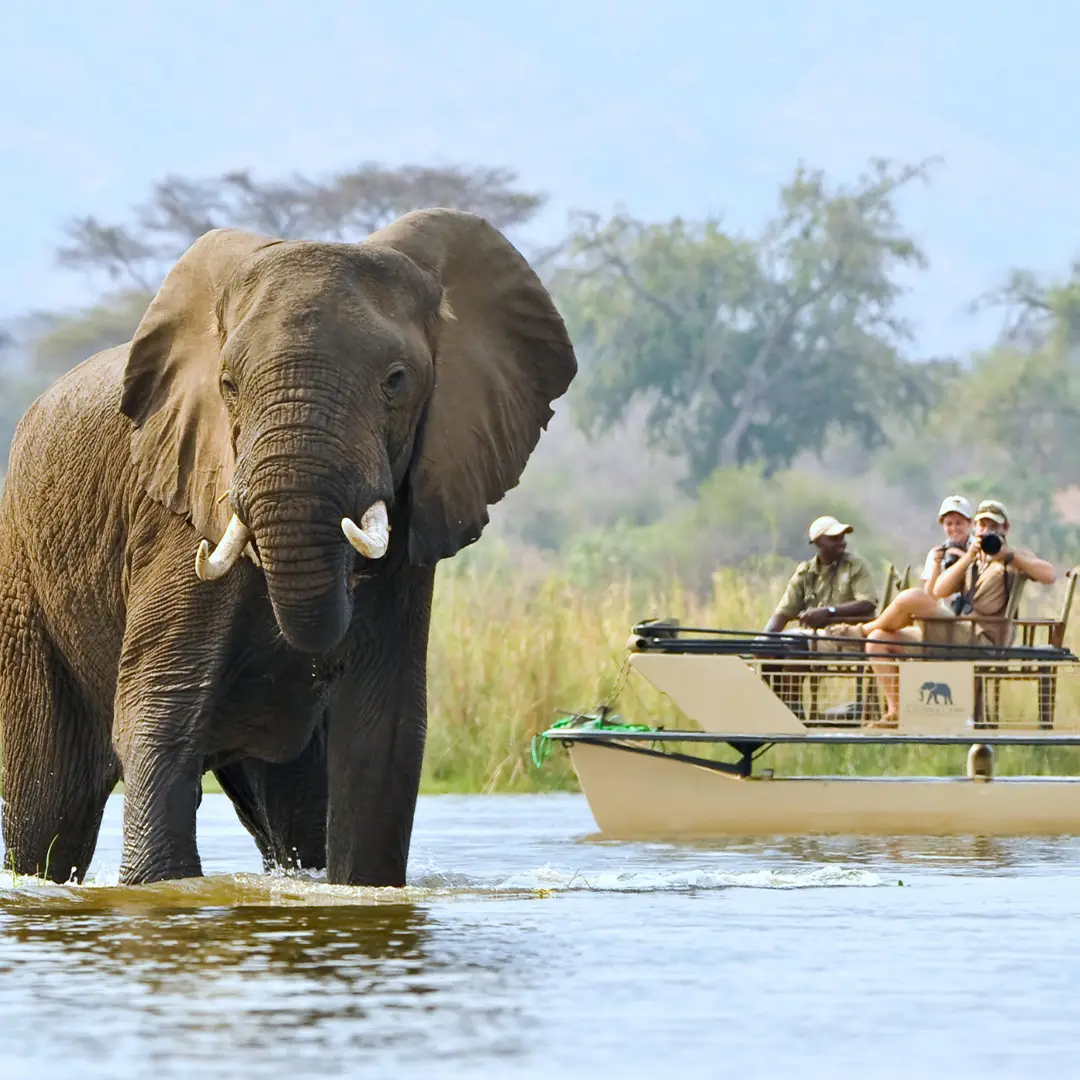
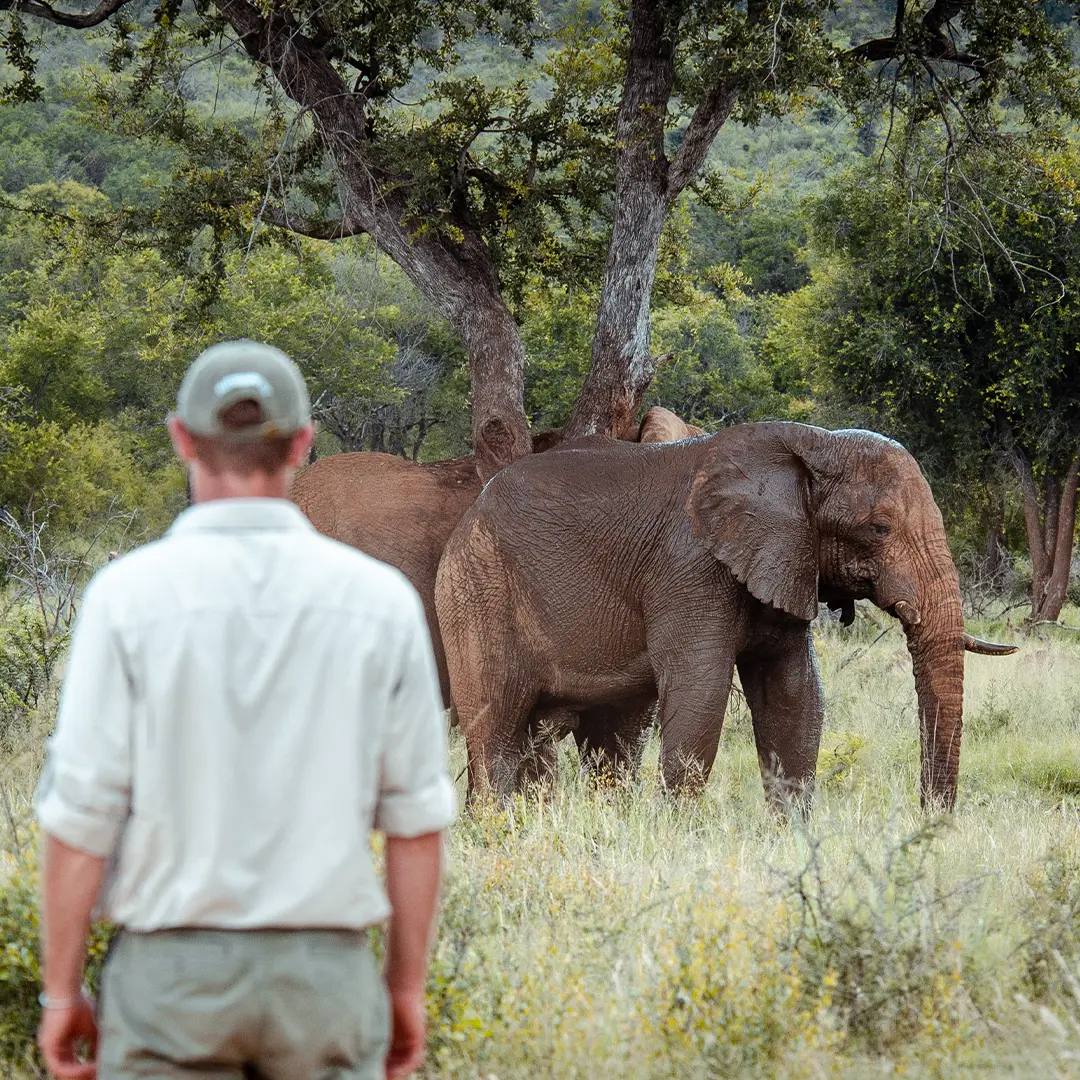
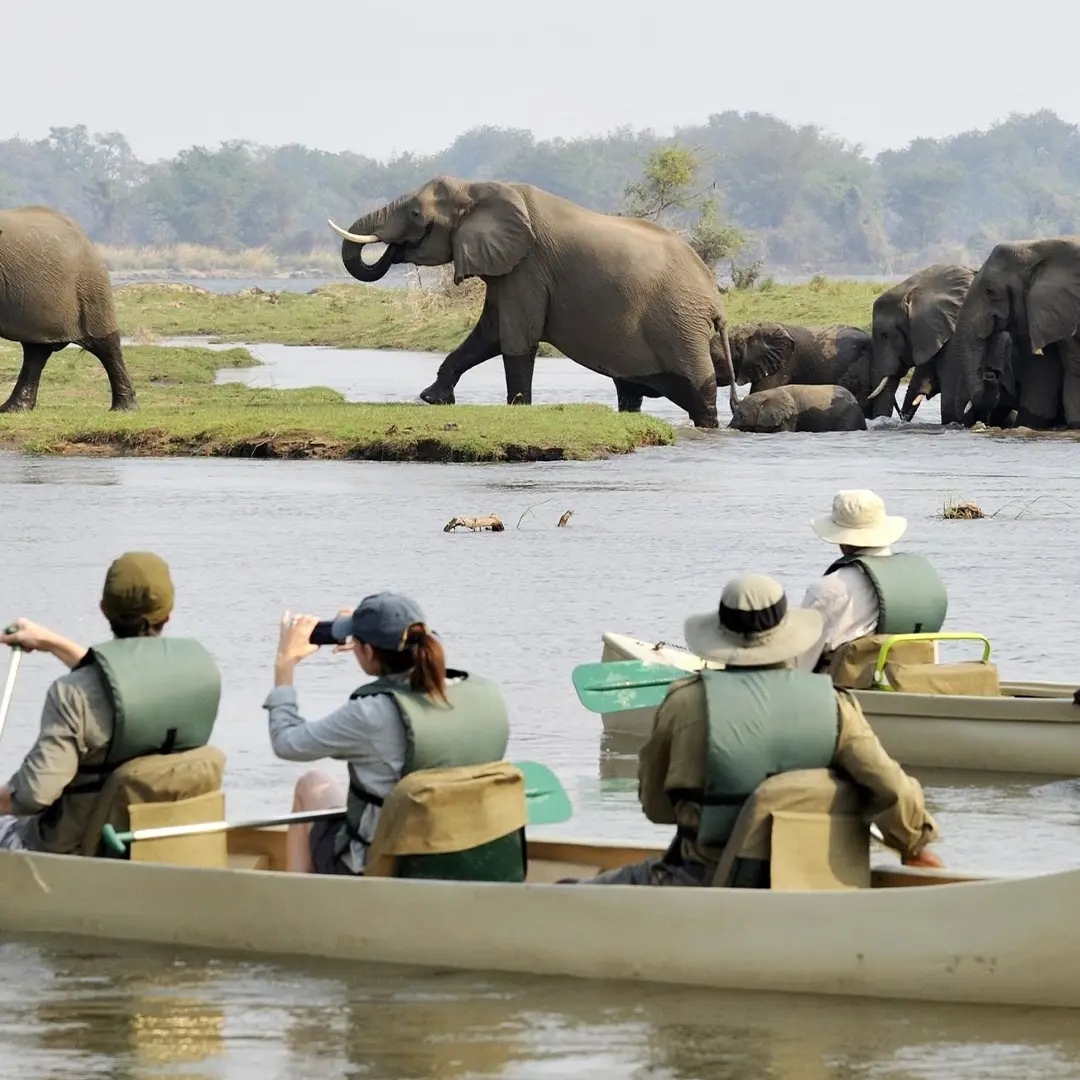
Real conservation doesn’t promise staged moments.
A conservation-led itinerary is built around:
- Season and elephant movement
- Reserve rules and permissions
- Conservation priorities at the time
- Ethics and safety
Next reading
- Human–elephant conflict explained →
- How elephants are monitored →
- Ethical elephant experiences checklist →
- Custom elephant conservation excursion →
Elephant Conflict Solutions FAQ
Do non-lethal solutions really work?
Yes, many do. They must fit local conditions and be maintained.
Why do some conflict programs fail?
Poor maintenance, weak response systems, and tools that don’t match the landscape.
Elephant Conservation Library
If you’re exploring elephant conservation, these guides will help you understand the challenges—and what a real on-the-ground conservation experience involves.
- Elephant conservation efforts explained (how protection works, what’s involved) →
- How many elephants are left in Africa? (latest context + why it matters) →
- Are African elephants endangered? (what the status means + the real drivers) →
- African bush vs forest elephants (two species, different threats) →
- Human–elephant conflict explained (why it happens) →
- Human–elephant conflict solutions (what actually works in the field) →
- How elephants are monitored (counts, collars, tracking, research) →
- Ethical elephant experiences checklist (what to avoid + what to choose) →
- Join a custom elephant conservation excursion (Southern Africa) →
get in touch with us
+27 83 653 5776
+27 83 653 5776 (WhatsApp)
info@rangerbucksafaris.com
16 Lourie Close, Meyersdal Eco Estate,
Alberton, Gauteng
16 Lourie Close, Meyersdal Eco Estate, Alberton, Gauteng

Website by Keeden Marketing | 2024
