
Plan a trip
Human–Elephant Conflict Explained
Last updated: March 2026
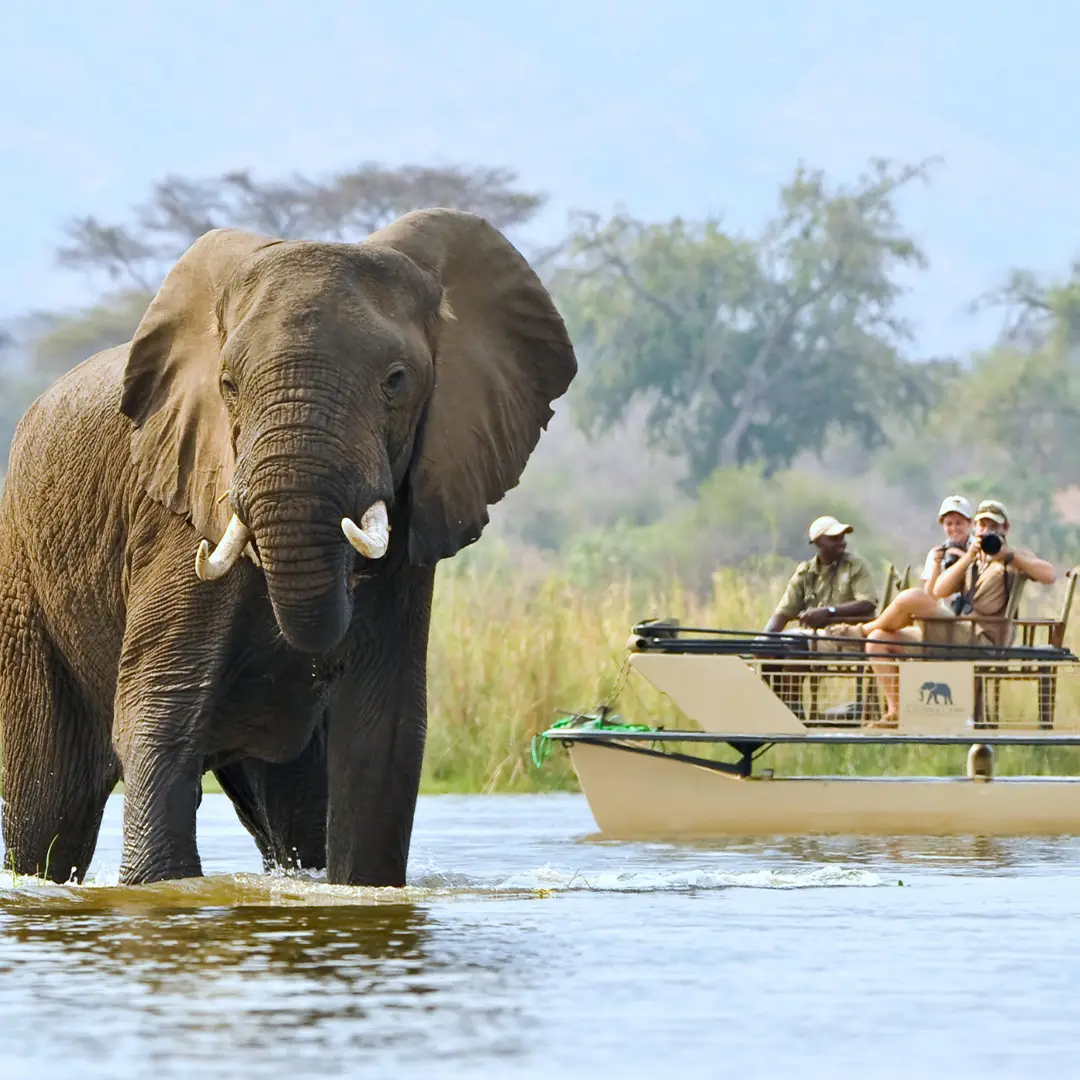
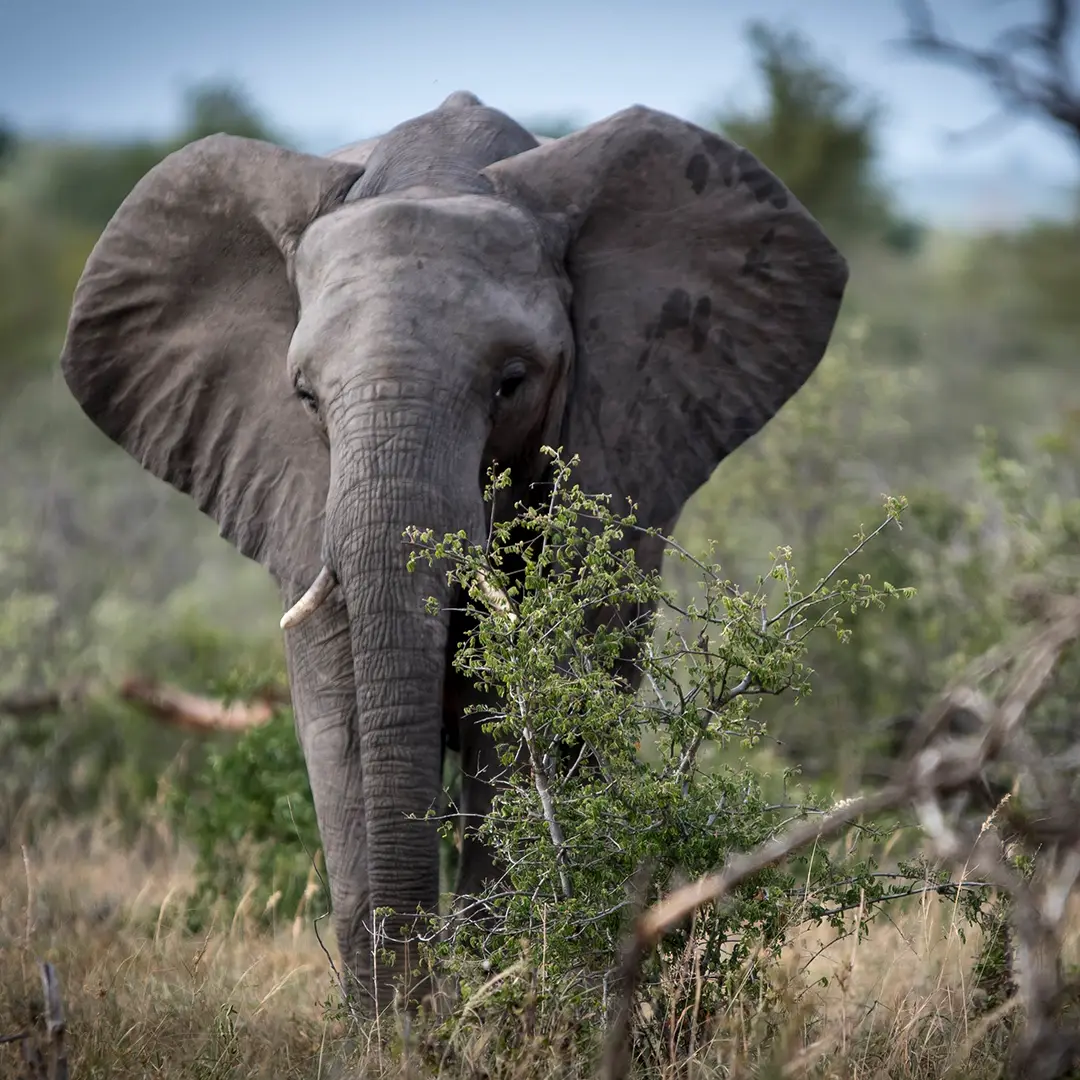
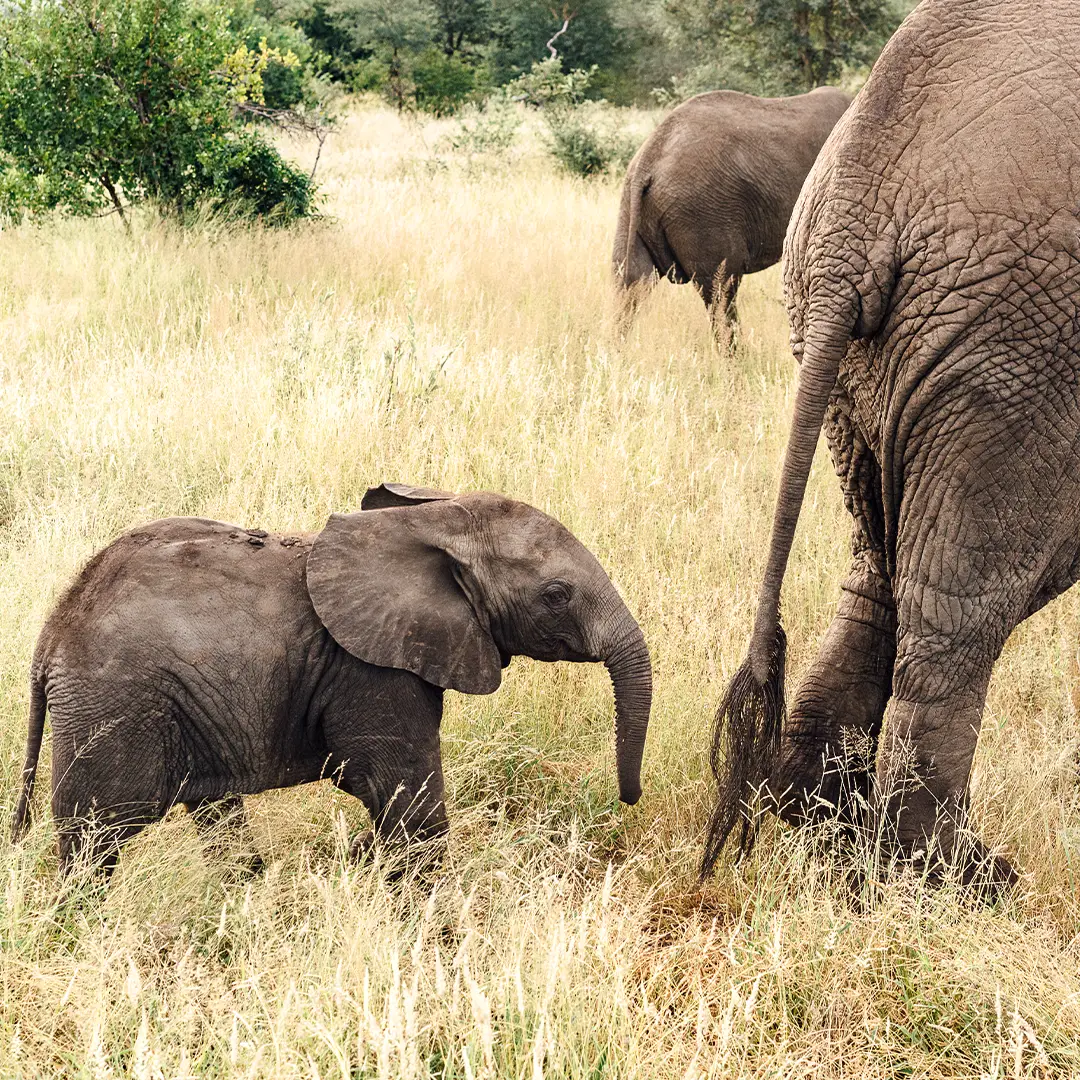
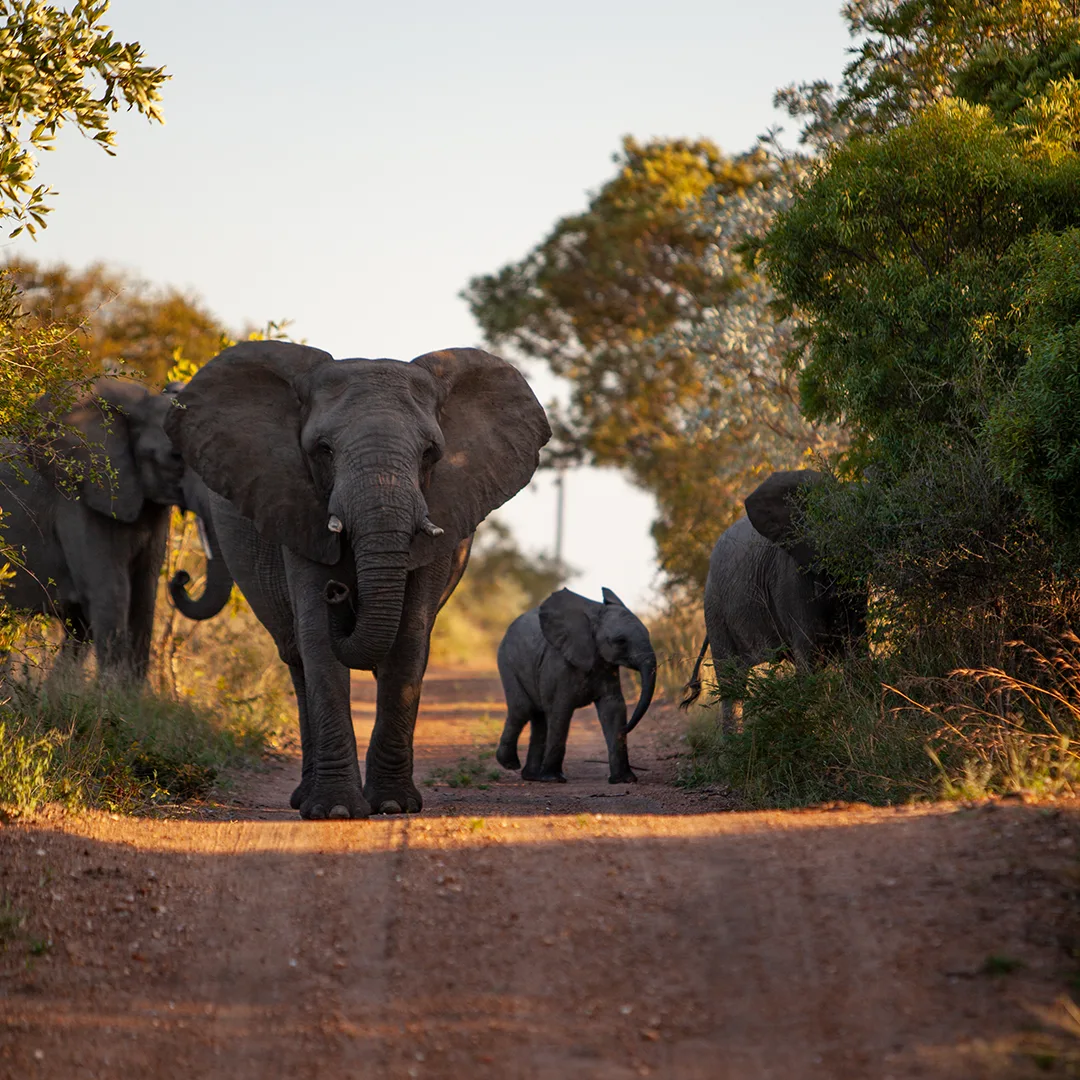
Human–elephant conflict happens when elephants and people share the same edge.
It often involves crops, water, roads, and movement routes.
It can be stressful for communities and dangerous for elephants.
Elephant conservation is not only about poaching.
Coexistence is now one of the biggest front lines.
What human–elephant conflict looks like
Conflict can include:
- Crop damage (often at night)
- Fence breaks and infrastructure damage
- Water-point pressure
- Dangerous close encounters
- Retaliation that harms elephants
Why conflict is increasing
1) Shrinking wild space
As land use changes, elephants have fewer safe routes.
When movement gets squeezed, conflict rises.
2) High-reward crops
Crops can be more attractive than wild forage.
Once elephants learn a route, the pattern can repeat.
3) Blocked routes and “pinch points”
When routes are blocked, elephants funnel through fewer pathways.
That concentrates conflict at the edges.
Why “just move the elephants” often isn’t the answer
Translocation is expensive and stressful for animals.
It also doesn’t fix the root cause.
The root cause is usually pressure at the edge of human land use.
Long-term success usually comes from:
- Prevention
- Early warning
- Deterrents that match local conditions
- Corridors and land-use planning
- Incentives that make coexistence realistic
What this means for ethical travel
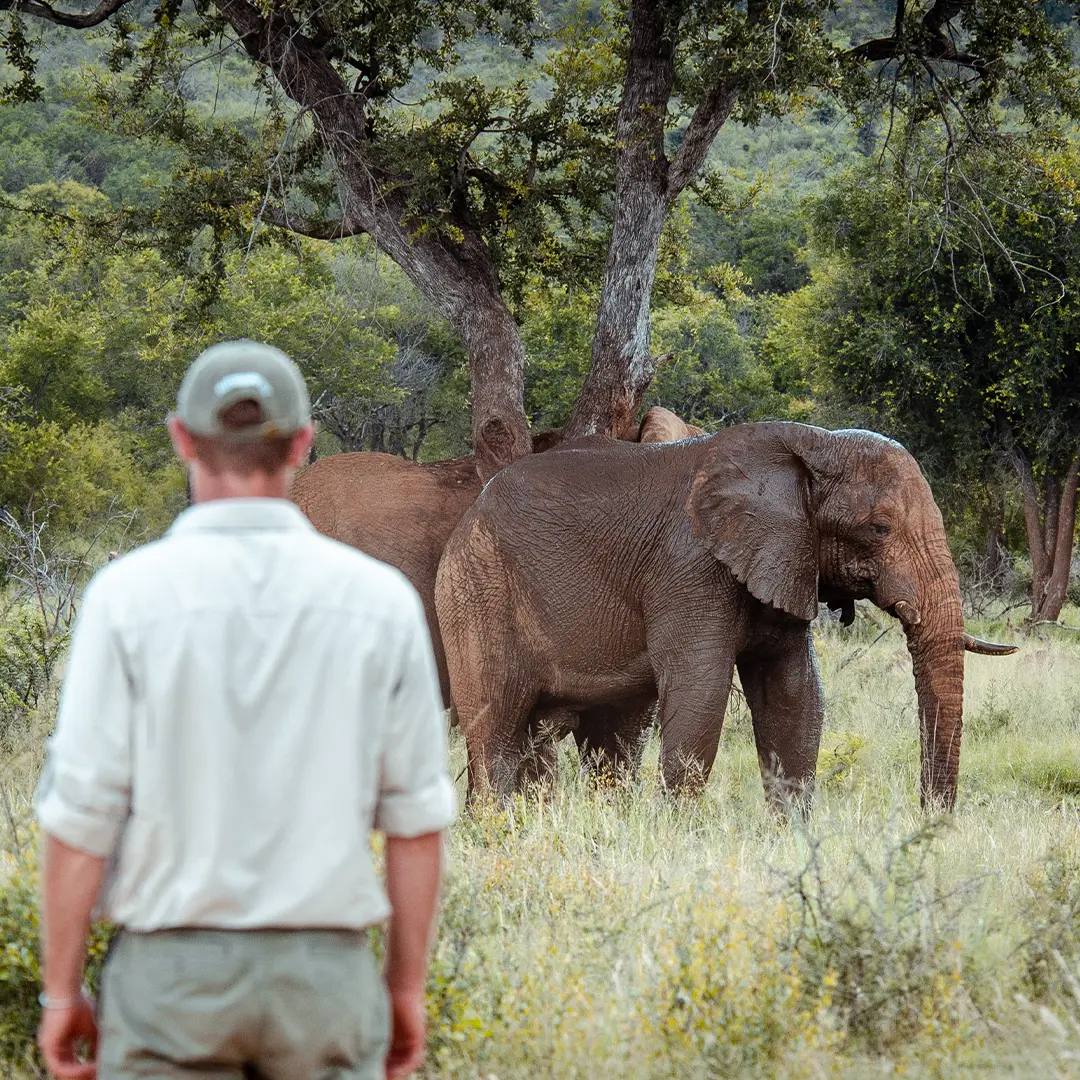
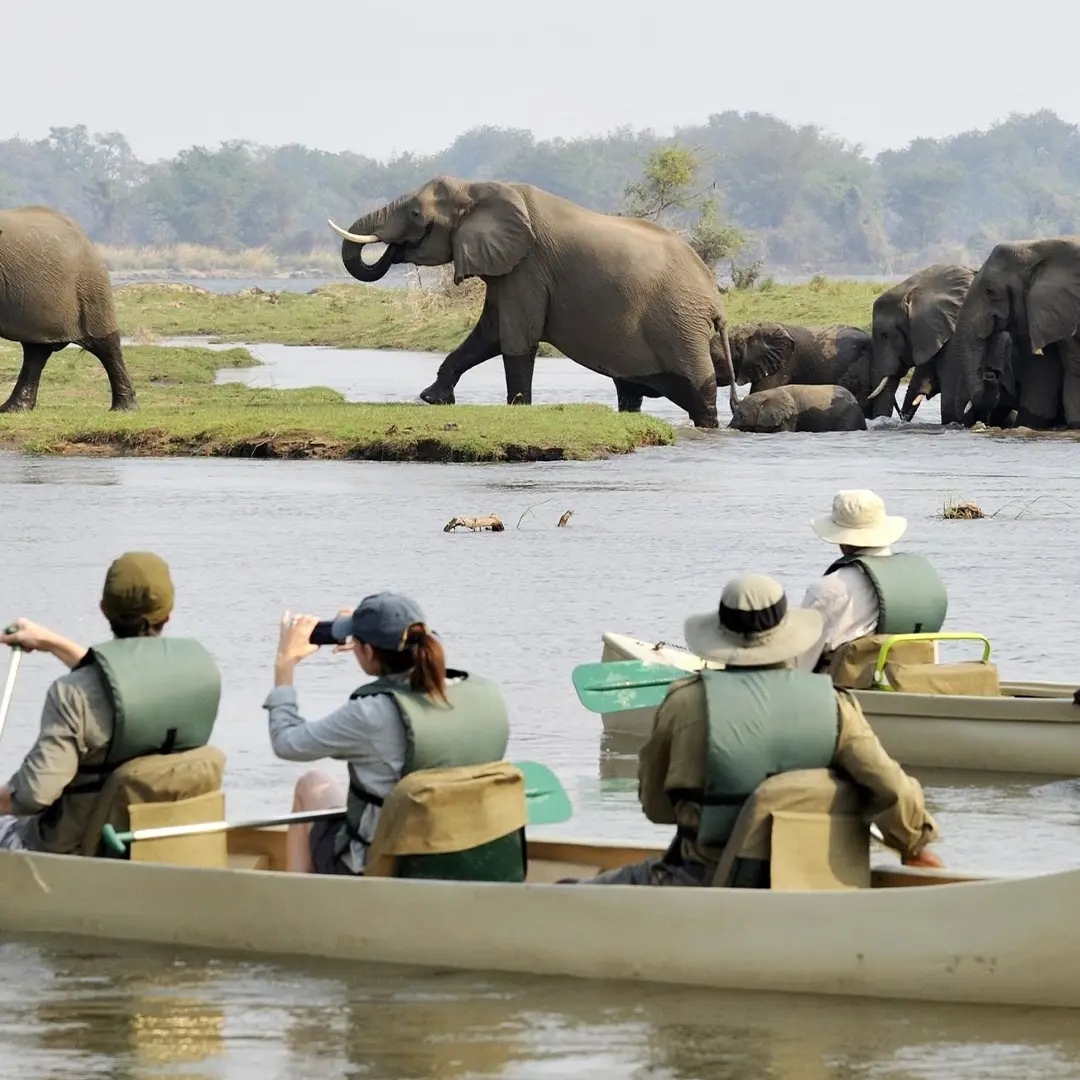
Ethical elephant travel does not chase guaranteed encounters.
It respects wild behaviour and distance.
It supports conservation without forcing elephants to perform.
Next reading
Elephant Conservation Library
If you’re exploring elephant conservation, these guides will help you understand the challenges—and what a real on-the-ground conservation experience involves.
- Elephant conservation efforts explained (how protection works, what’s involved) →
- How many elephants are left in Africa? (latest context + why it matters) →
- Are African elephants endangered? (what the status means + the real drivers) →
- African bush vs forest elephants (two species, different threats) →
- Human–elephant conflict explained (why it happens) →
- Human–elephant conflict solutions (what actually works in the field) →
- How elephants are monitored (counts, collars, tracking, research) →
- Ethical elephant experiences checklist (what to avoid + what to choose) →
- Join a custom elephant conservation excursion (Southern Africa) →
get in touch with us
+27 83 653 5776
+27 83 653 5776 (WhatsApp)
info@rangerbucksafaris.com
16 Lourie Close, Meyersdal Eco Estate,
Alberton, Gauteng
16 Lourie Close, Meyersdal Eco Estate, Alberton, Gauteng

Website by Keeden Marketing | 2024
