
Plan a trip
How Many Elephants Are Left in Africa?
Last updated: March 2026
If you’ve searched “how many elephants are left in Africa,” you’ve probably noticed something confusing: different sources give different numbers.
That’s not always because someone is wrong — it’s because elephant counting is hard, methods vary by habitat, and some regions are surveyed more consistently than others.
A widely cited continental estimate from the African Elephant Database (used for IUCN status reporting) lists a 2015 total estimate of 411,005 elephants (± 20,164). This figure is best treated as an evidence-based benchmark, not a live headcount.
Why elephant numbers differ between sources
Elephants live across very different landscapes, and each requires different counting methods:
• Open savanna: aerial surveys can work well, but visibility and detection error still affect results.
• Dense forest: elephants are harder to see, so survey methods often rely on indirect indicators (like dung counts).
• Mixed human landscapes: movement and detection are more complex and coverage is often uneven.
Some datasets also separate numbers into categories like “definite / probable / possible,” reflecting differences in data quality and survey coverage across countries.
The most widely cited dataset: the African Elephant Database
One of the most authoritative public sources is the African Elephant Database, which underpins the IUCN African Elephant Status Reports.
In the 2016 African Elephant Status Report (continental totals), the database shows a Total estimate (2015) of 411,005 elephants with an indicated uncertainty (± 20,164) — and it also shows “possible range” figures because not all range is equally well surveyed.
It also breaks totals into “definite / probable / possible / speculative” categories to reflect data quality differences across regions and methods.
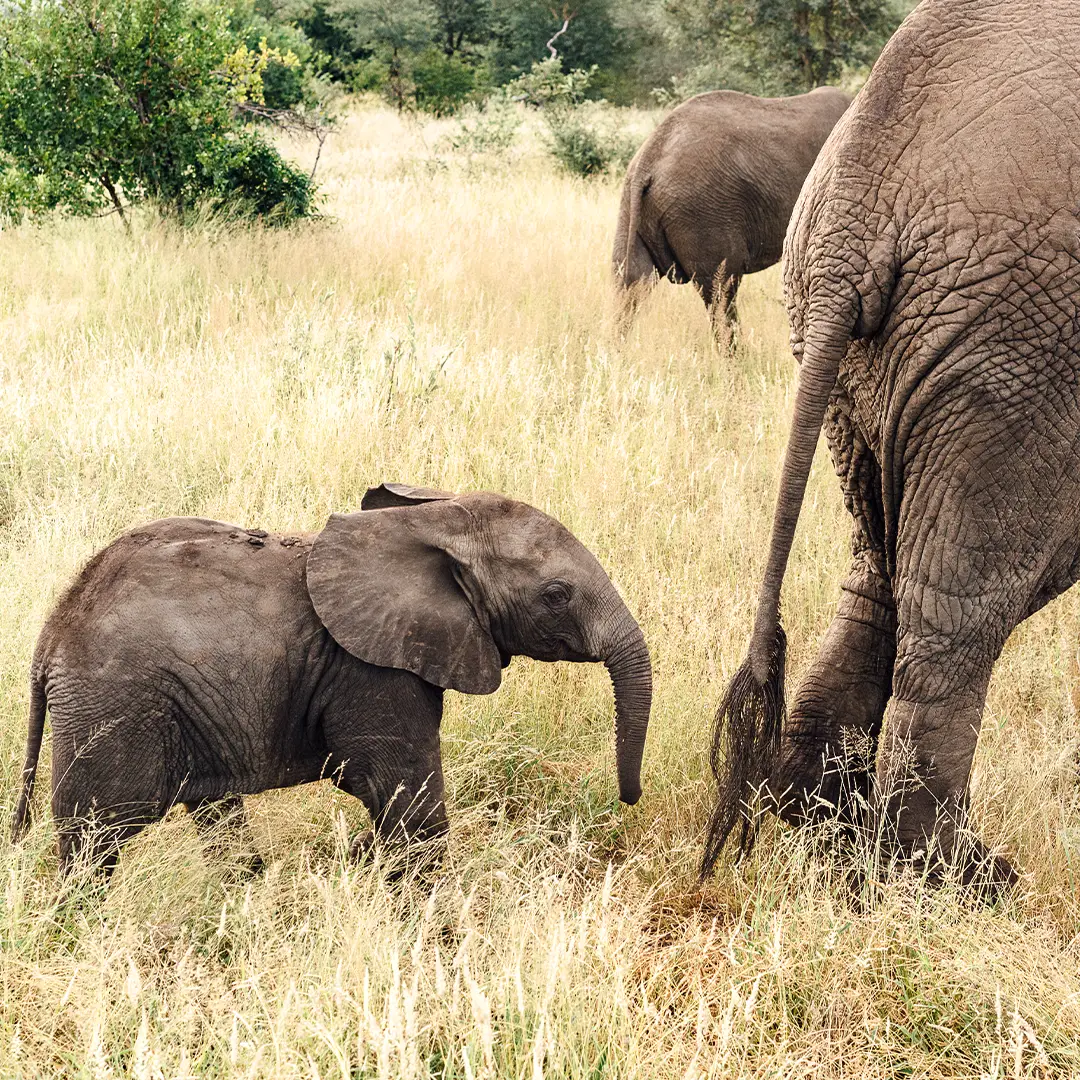
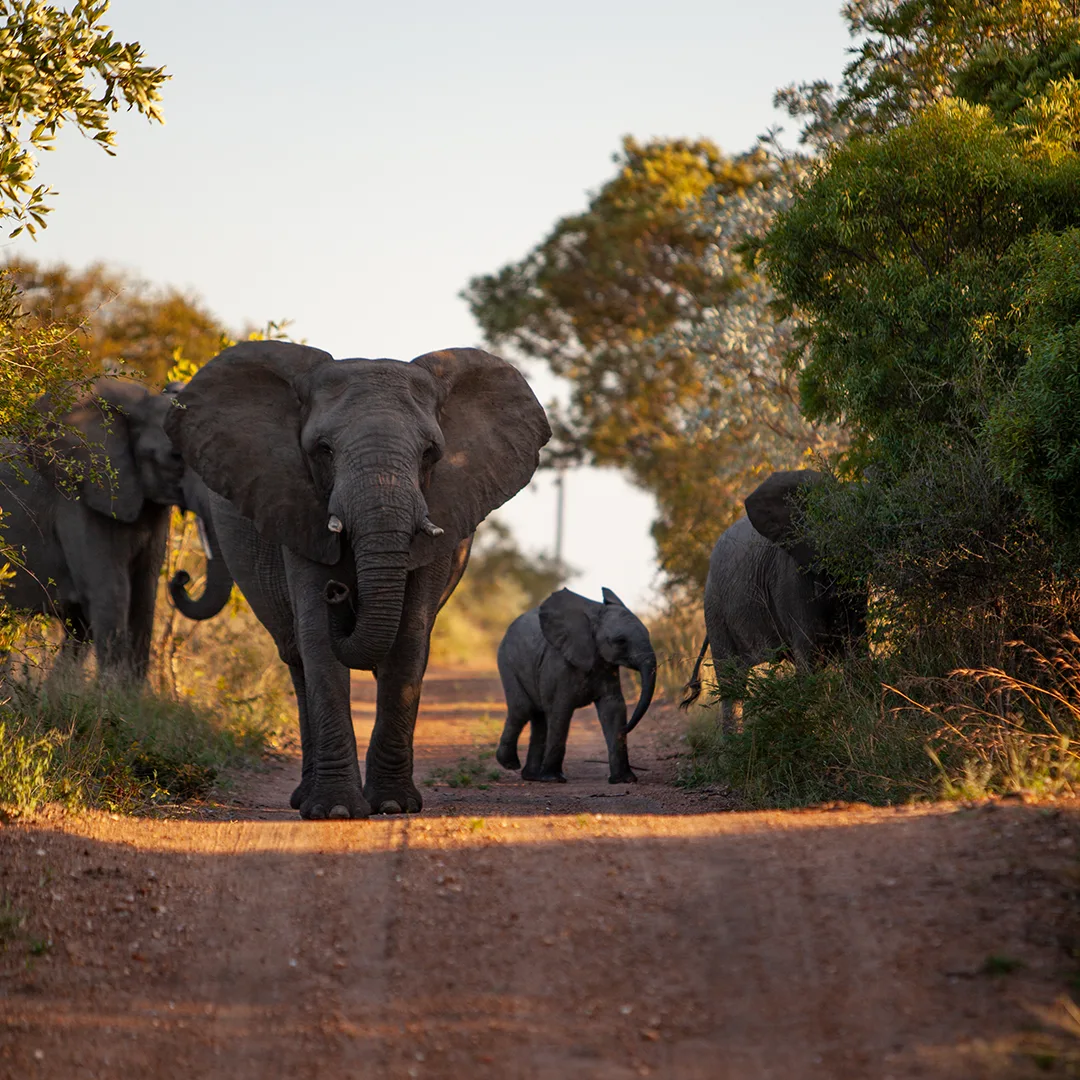
Why “one single number” can mislead
Elephants live across very different landscapes:
- open savanna (where aerial surveys can work),
- dense forest (where dung counts and DNA methods may be used),
- and human-influenced mosaic landscapes (where detection is complex).
So a single number is best treated as an estimate, not a scoreboard.
The bigger truth: the long-term trend
A major continent-wide analysis of survey data (475 sites in 37 countries, 1964–2016) found large average declines across many surveyed elephant populations (with important regional variation and better stability in parts of southern Africa).
That’s why conservation focus has shifted toward:
- protecting strongholds,
- restoring connectivity,
- and reducing human–elephant conflict.
A note on “where to see elephants”
Many travellers use this question as a proxy for: “Where are elephants still doing well?”
Ranger Buck Safaris can build elephant-focused itineraries around portfolio areas with proven wildlife density and luxury infrastructure — especially South Africa’s Kruger region private reserves (Sabi Sands, Timbavati, Klaserie, and private concessions), Madikwe, and iconic elephant landscapes like Botswana’s Okavango Delta.
And yes — places like Addo Elephant National Park are useful public reference points when researching elephants in South Africa, but they’re best treated as options to consider within a custom itinerary, rather than a standard inclusion.
If you’re here for more than information…
Many people who search elephant numbers aren’t only curious — they’re looking for a meaningful way to experience Africa while supporting real conservation.
Ranger Buck Safaris can design a custom, conservation-led elephant itinerary around your travel style and timing. Locations and conservation activities are always tailored to season, reserve permissions, and conservation priority — with no staged encounters or unrealistic promises.
Explore the custom elephant conservation excursion →
Elephant Numbers FAQ
How many elephants are left in Africa today?
Public sources provide estimates rather than a single exact total. One widely cited continental estimate from the African Elephant Database (used for IUCN reporting) lists a 2015 total estimate of 411,005 elephants (± 20,164).
Why do different websites give different elephant numbers?
Because survey methods differ by habitat, coverage varies by region, and sources may use different years or confidence ranges.
Are African elephants endangered?
African elephants are now assessed as two species with different conservation status levels: forest elephants (Critically Endangered) and savanna/bush elephants (Endangered).
Related questions (People also ask)
Where are most elephants found today?
Elephant numbers are uneven across Africa — some landscapes remain strongholds while others have declined. For travel, it’s best to research ethical viewing and build a custom itinerary around season and goals.
How many elephants are killed each year?
There isn’t one universally consistent number across all regions and years. International monitoring exists to track illegal killing and ivory trade trends over time, which helps inform policy and conservation strategy.
Will elephants go extinct?
Not inevitably — but outcomes depend on habitat, conflict reduction, enforcement, and corridor connectivity. Where people and elephants can coexist sustainably, elephants have a far stronger chance of recovery.
How many elephants are left in South Africa?
South Africa is often discussed separately because many populations are monitored within protected areas and reserves. We cover that in a dedicated page: How many elephants are left in South Africa
Next reading
- Elephant conservation efforts explained →
- Are African elephants endangered? →
- Human–elephant conflict explained →
- Join a custom elephant conservation excursion →
Elephant Conservation Library
If you’re exploring elephant conservation, these guides will help you understand the challenges—and what a real on-the-ground conservation experience involves.
- Elephant conservation efforts explained (how protection works, what’s involved) →
- How many elephants are left in Africa? (latest context + why it matters) →
- Are African elephants endangered? (what the status means + the real drivers) →
- African bush vs forest elephants (two species, different threats) →
- Human–elephant conflict explained (why it happens) →
- Human–elephant conflict solutions (what actually works in the field) →
- How elephants are monitored (counts, collars, tracking, research) →
- Ethical elephant experiences checklist (what to avoid + what to choose) →
- Join a custom elephant conservation excursion (Southern Africa) →
get in touch with us
+27 83 653 5776
+27 83 653 5776 (WhatsApp)
info@rangerbucksafaris.com
16 Lourie Close, Meyersdal Eco Estate,
Alberton, Gauteng
16 Lourie Close, Meyersdal Eco Estate, Alberton, Gauteng

Website by Keeden Marketing | 2024
