
Plan a trip
The Elephant Conservation Guide
Last updated: March 2026
Elephant conservation isn’t one single project — it’s a living, changing set of priorities shaped by the season, the landscape, local communities, and what elephants are doing right now.
This guide is designed to help you understand:
- what’s actually threatening elephants today,
- what the most effective protection strategies look like on the ground,
- how ethical elephant experiences differ from “feel-good” attractions, and
- how a conservation-focused safari can support real work without making promises it can’t keep.
Two species, two risk levels: African elephants are now assessed as two distinct species: African forest elephants (Critically Endangered) and African savanna/bush elephants (Endangered).
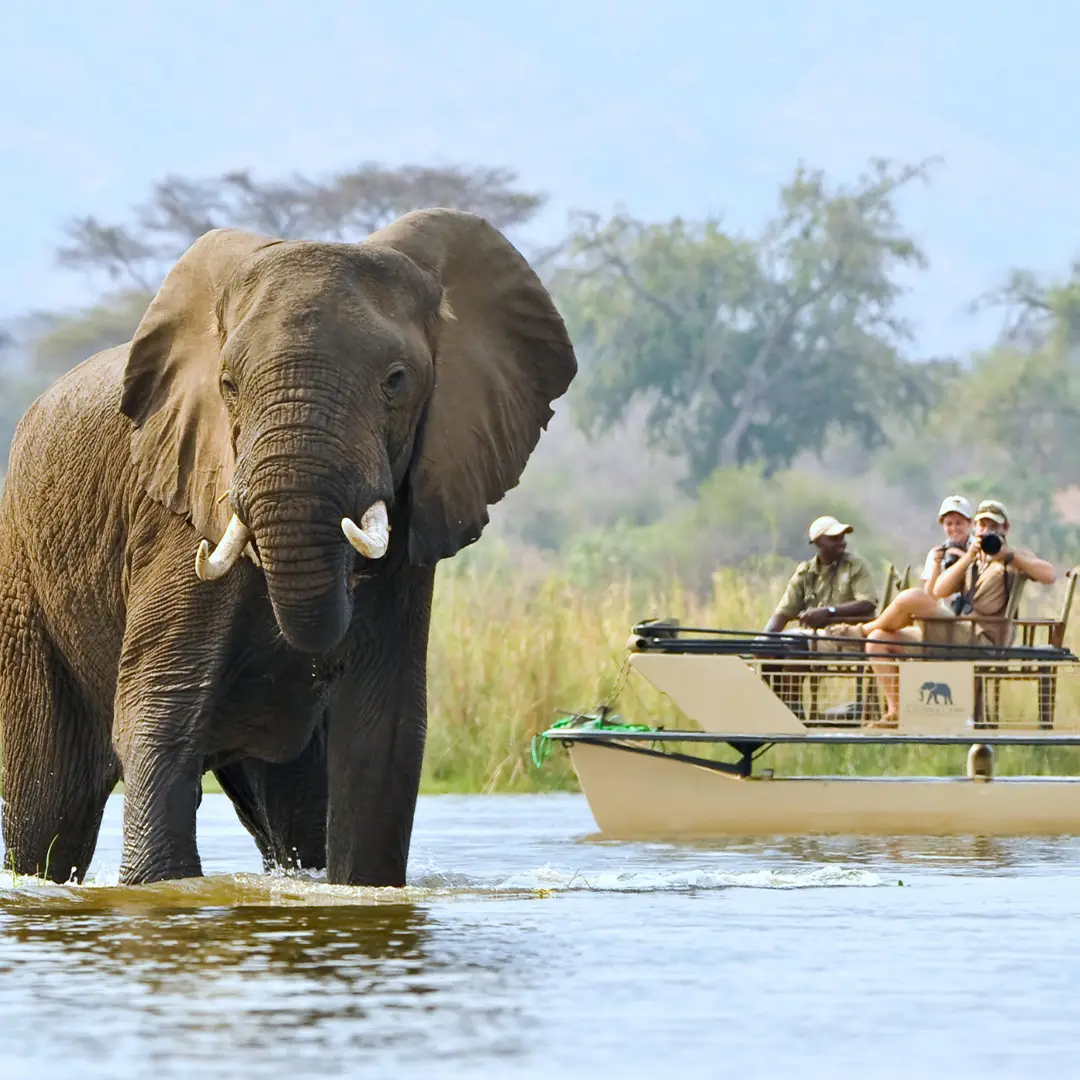
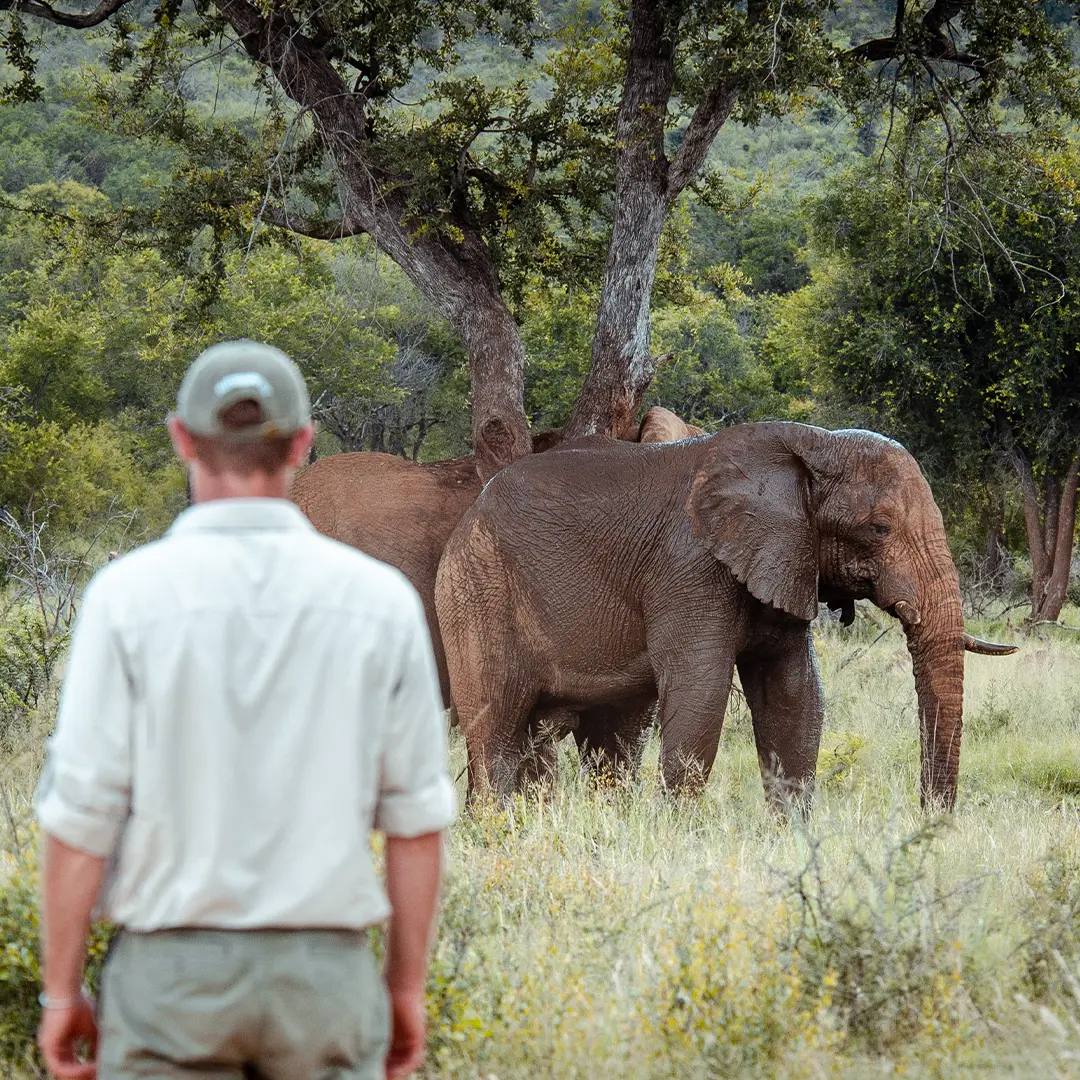
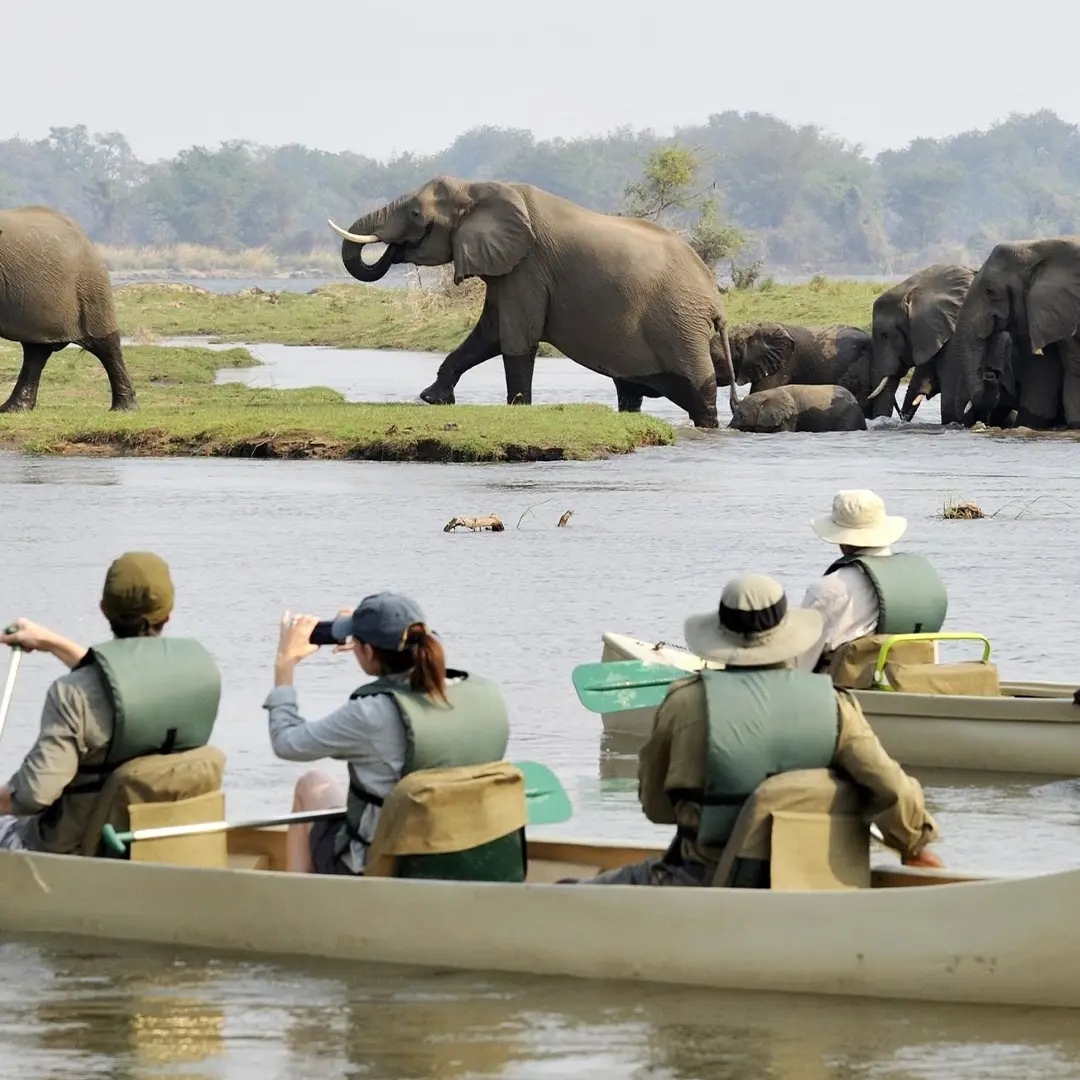
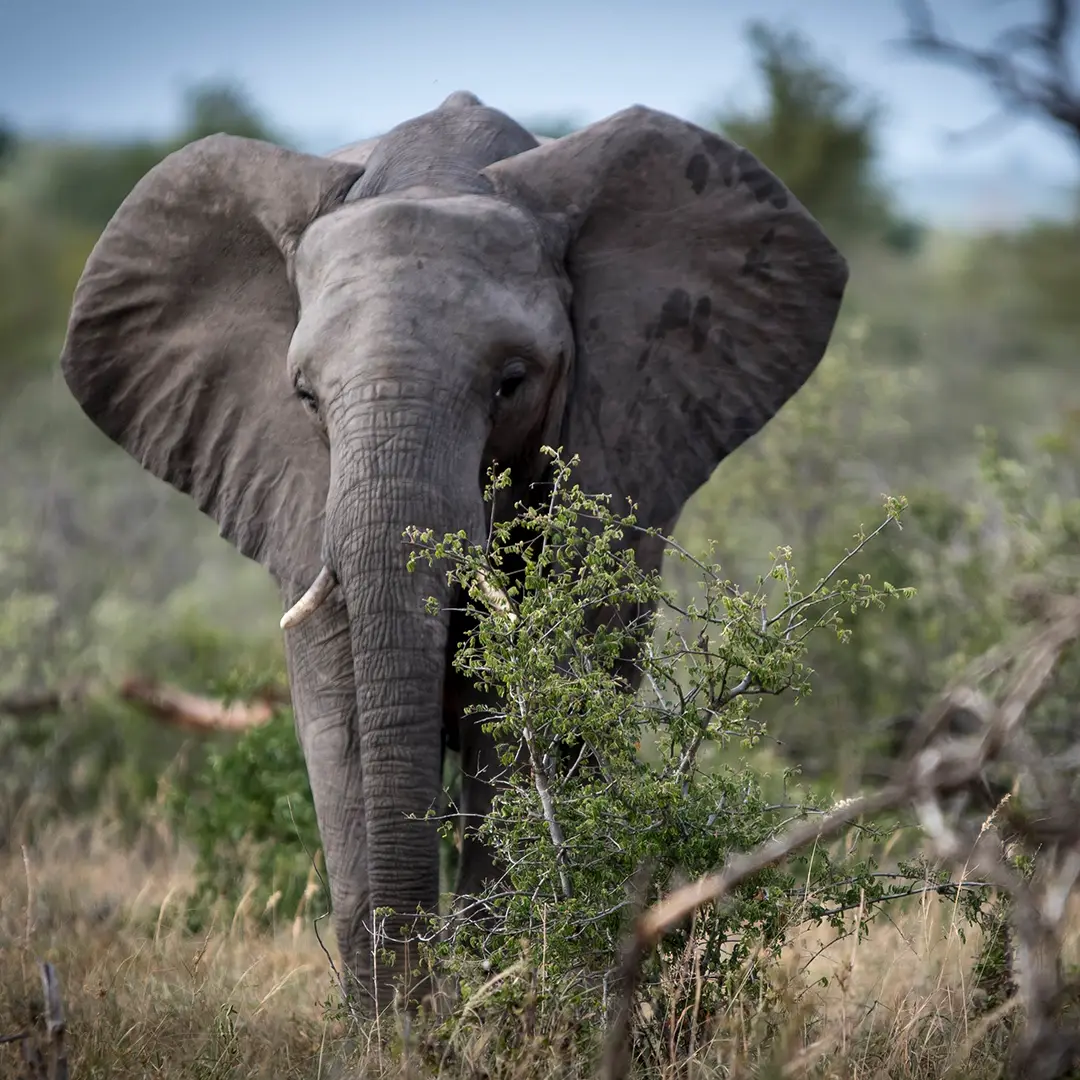
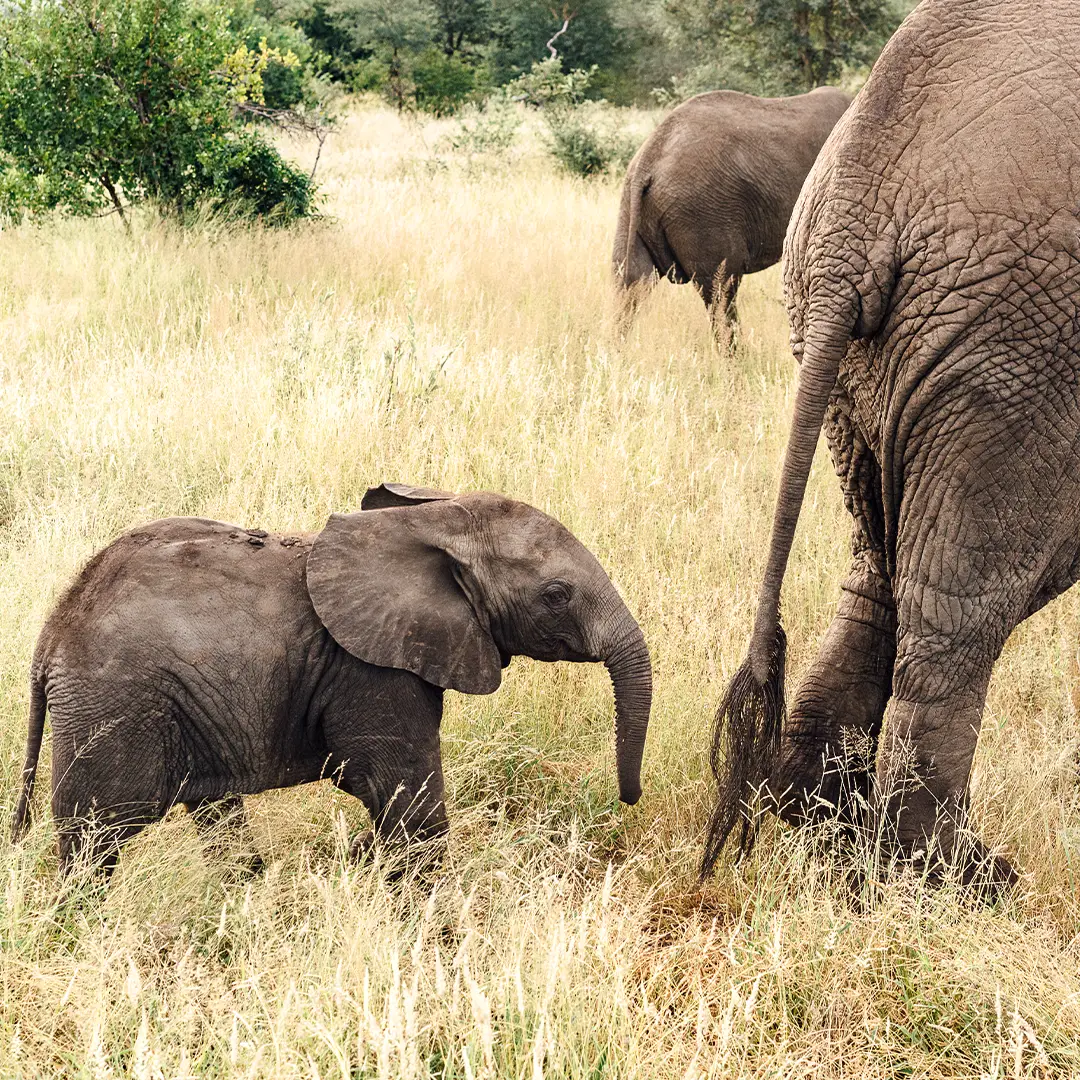
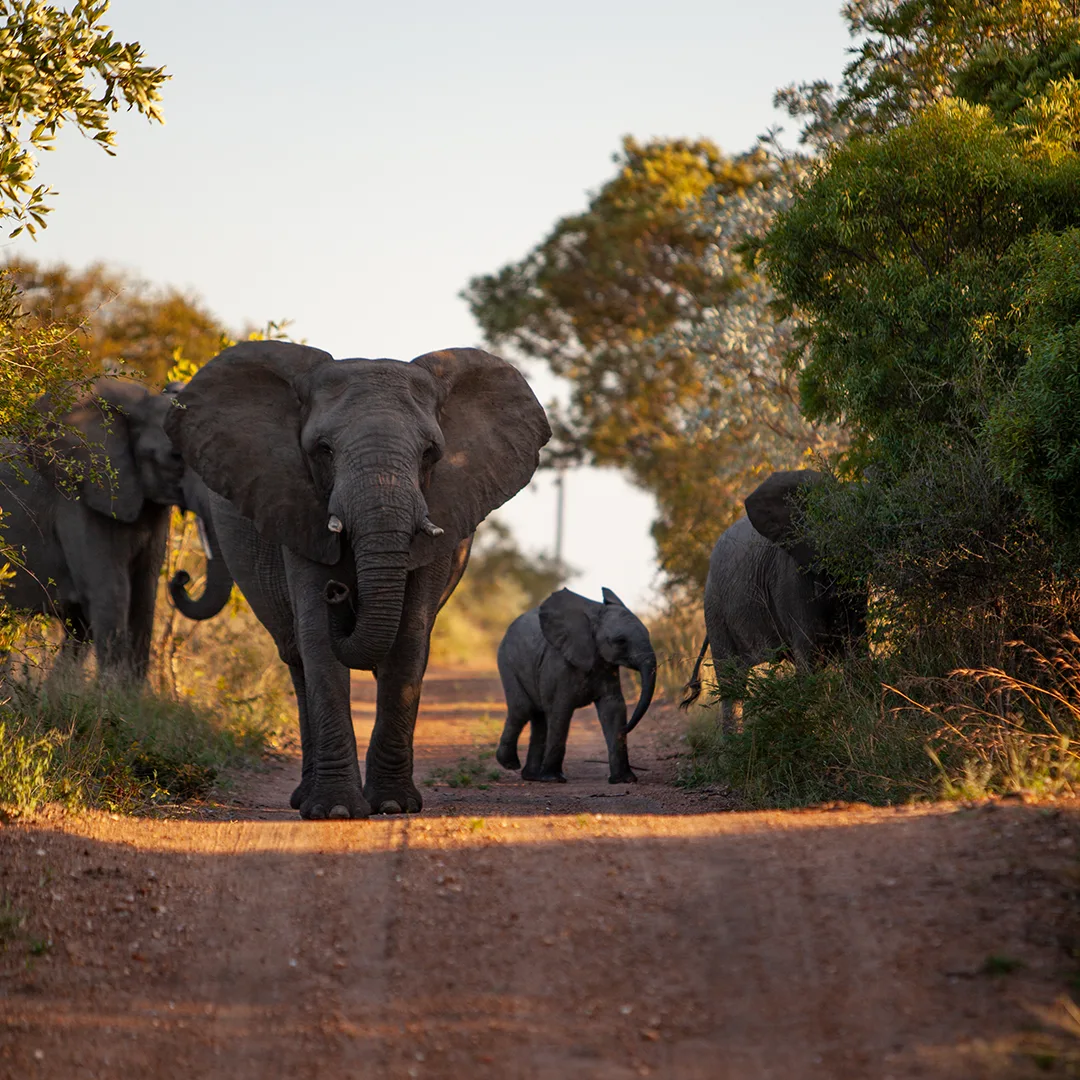
What elephant conservation is really trying to protect
At a high level, conservation teams focus on three outcomes:
- Keep elephants alive (reduce illegal killing and retaliation).
- Keep landscapes connected (so elephants can move naturally between water, food, and breeding areas).
- Help people and elephants coexist (because conflict can turn neighbours into enemies).
Those three goals show up in almost every credible elephant programme — even when the tactics differ.
Why elephants are under pressure
Elephants face multiple overlapping pressures. The headline issues are well known, but it’s the combination that creates the biggest risk.
1) Illegal killing and ivory trafficking
Ivory demand has driven organised crime and poaching in many regions. International monitoring programmes exist specifically to track illegal killing and illegal ivory trade trends (MIKE and ETIS under CITES).
2) Habitat loss and fragmentation
When land is converted to farms, roads, fences, and settlements, elephants get squeezed into smaller spaces — and conflict rises.
3) Human–elephant conflict
Crop-raiding, damaged water infrastructure, and occasional injury or loss of life can create understandable anger. Where communities don’t benefit from conservation, retaliation becomes more likely — and elephants lose.
What works in elephant conservation
Here are the most common strategies used in modern elephant conservation (often in combination):
Ranger presence, intelligence, and enforcement
This includes patrols, rapid response capacity, informant networks, and cross-border cooperation where relevant.
Monitoring and research
Counts, camera traps, spoor tracking, aerial surveys, and (in some contexts) GPS collar data help conservation teams understand where elephants move and where pressure points are forming.
Conflict reduction and coexistence tools
There’s no single “silver bullet,” but some tools have strong evidence behind them. One famous example is beehive fencing, where studies and long-term field trials show elephants often avoid active beehive fences at high rates during peak crop seasons.
Other approaches (used depending on terrain and community context) can include early-warning systems, strategic fencing, deterrent methods, and land-use planning.
Corridors and connectivity
Elephants need room to move. Corridor planning helps reduce conflict and supports genetic diversity over time.
Where Ranger Buck Safaris fits
Ranger Buck Safaris builds bespoke, luxury safaris across premier wildlife areas — with strong coverage in South Africa’s Kruger region private reserves (Sabi Sands, Timbavati, Klaserie, plus private concessions) and Madikwe, and iconic wilderness areas like Botswana’s Okavango Delta.
For elephant-focused trips, that matters because:
- these landscapes offer consistent elephant presence,
- private reserves can provide a premium experience and flexibility,
- and itineraries can be shaped around conservation priorities and what elephants are doing at the time.
Important: conservation activities vary. Any hands-on involvement is always subject to reserve permissions, safety, ethics, veterinary schedules, and conservation priority during your travel window.
Ethical elephant experiences (quick checklist)
Use this to separate a meaningful experience from a marketing performance:
- No guaranteed interactions. Real conservation doesn’t promise an “elephant encounter.”
- Wild elephants first. Viewing and conservation should prioritise natural behaviour and space.
- Transparency. Clear explanation of what the project is doing and why.
- Community benefit. Local people should gain real value from elephants being alive.
- No “instant hero” moments. Real work is often slow, repetitive, and data-driven.
(We’ll build the dedicated ethics spoke page next: /elephant-conservation-safari/)
How you can help elephants (even before you travel)
- Support credible conservation organisations working with local communities.
- Avoid attractions that push “touching/feeding” as the main selling point.
- Choose operators and lodges that prioritise ethics and transparent conservation partnerships.
Next reading
Elephant Conservation Library
If you’re exploring elephant conservation, these guides will help you understand the challenges—and what a real on-the-ground conservation experience involves.
- Elephant conservation efforts explained (how protection works, what’s involved) →
- How many elephants are left in Africa? (latest context + why it matters) →
- Are African elephants endangered? (what the status means + the real drivers) →
- African bush vs forest elephants (two species, different threats) →
- Human–elephant conflict explained (why it happens) →
- Human–elephant conflict solutions (what actually works in the field) →
- How elephants are monitored (counts, collars, tracking, research) →
- Ethical elephant experiences checklist (what to avoid + what to choose) →
- Join a custom elephant conservation excursion (Southern Africa) →
get in touch with us
+27 83 653 5776
+27 83 653 5776 (WhatsApp)
info@rangerbucksafaris.com
16 Lourie Close, Meyersdal Eco Estate,
Alberton, Gauteng
16 Lourie Close, Meyersdal Eco Estate, Alberton, Gauteng

Website by Keeden Marketing | 2024
