
Plan a trip
Elephant Conservation Efforts Explained
Last updated: March 2026
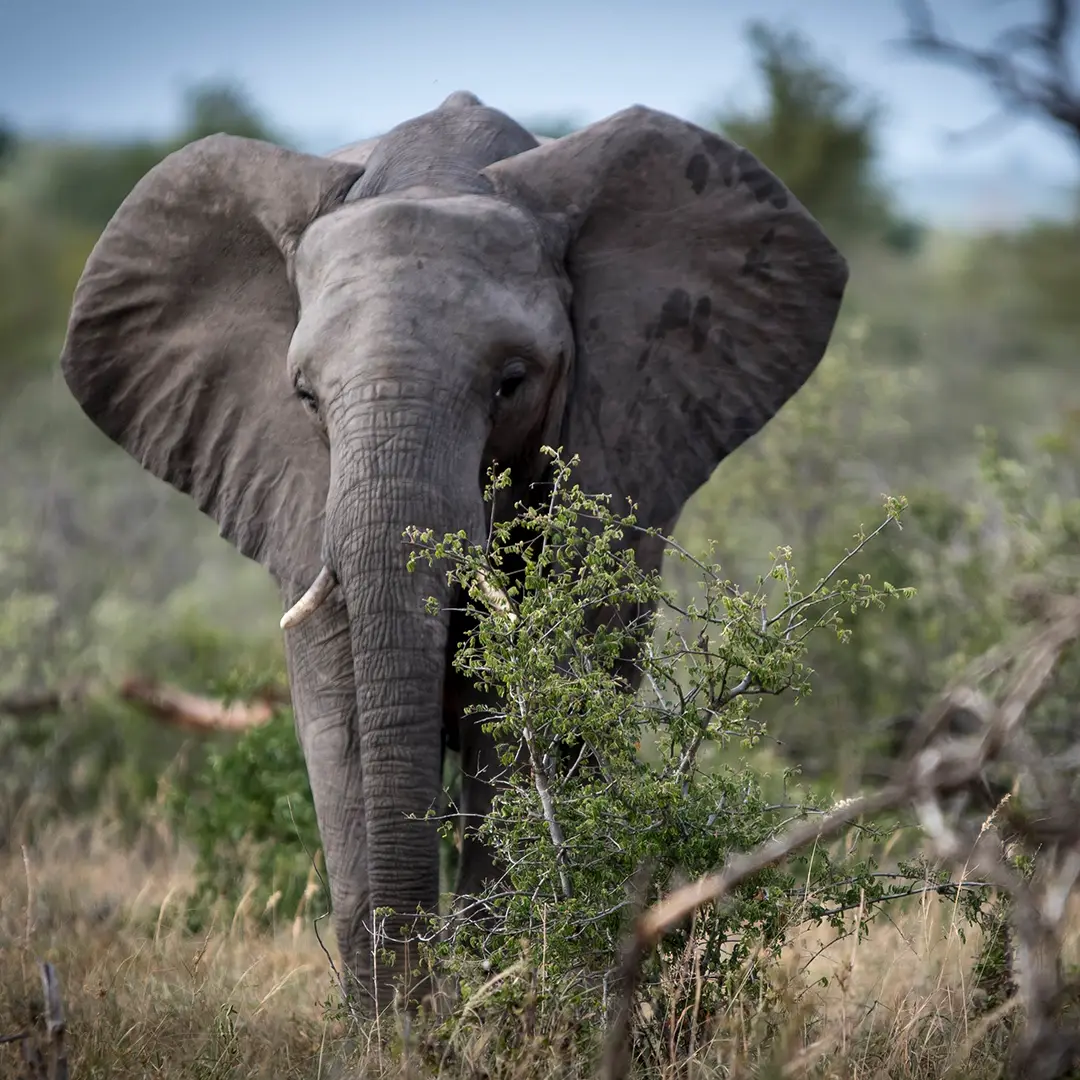
Elephant conservation is not one single tactic.
It’s a system of protection, monitoring, conflict prevention, and long-term planning.
This page explains what “elephant conservation efforts” usually include.
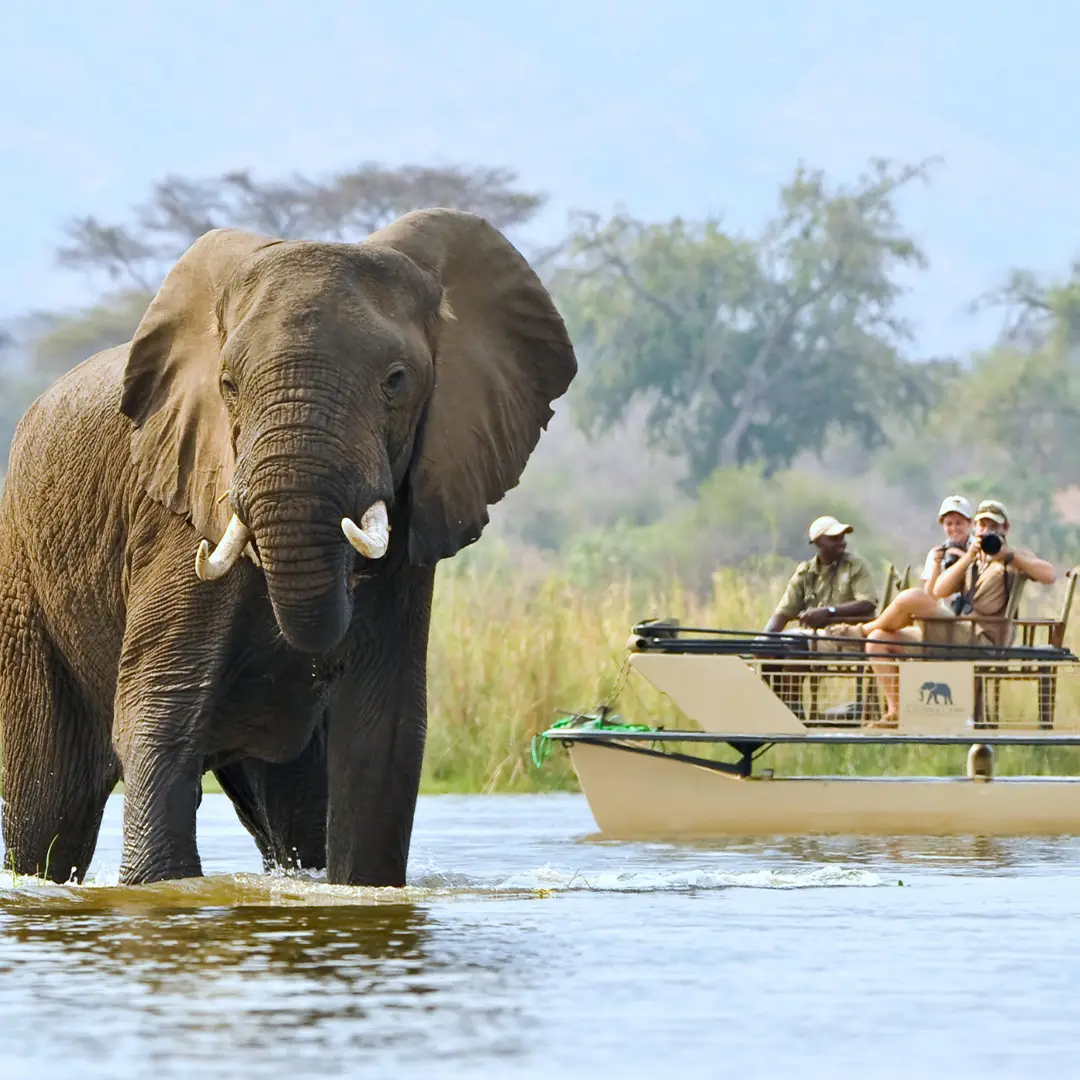
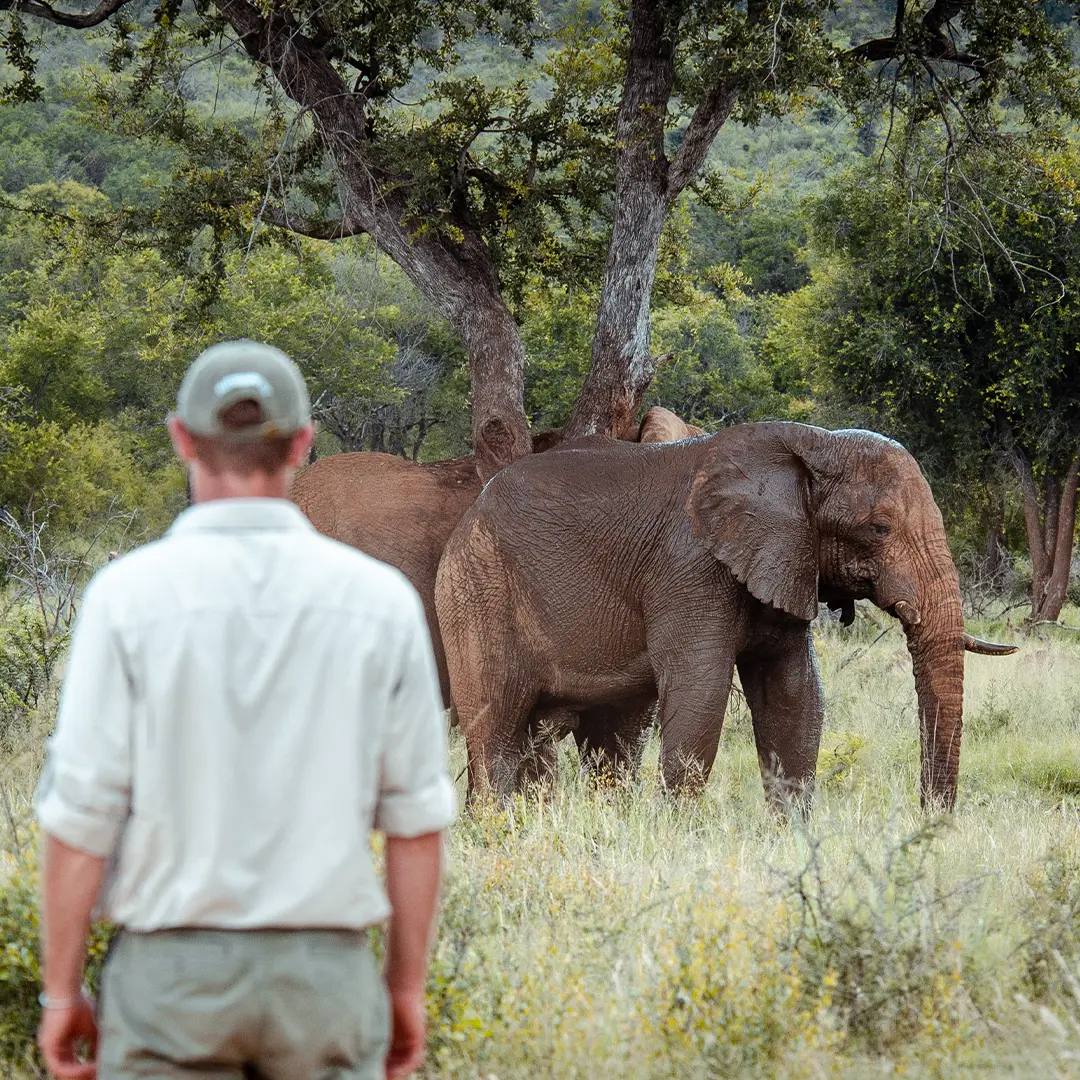
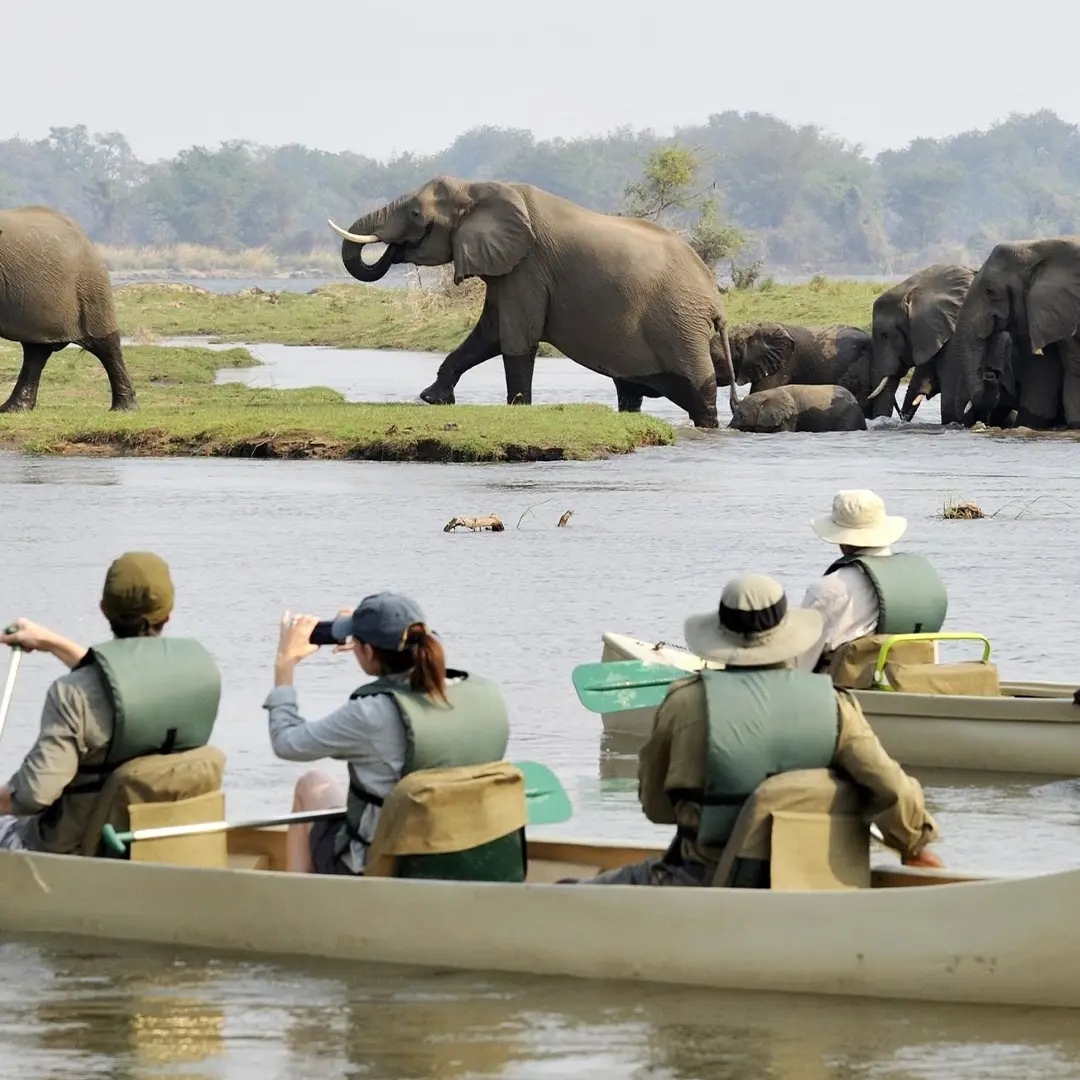
It also explains what a real conservation-led experience can involve.
1) Protection and enforcement
Protection includes trained rangers, patrol planning, and rapid response capacity.
In some areas it also includes intelligence-led work that targets trafficking networks.
This work is not glamorous.
It’s daily consistency and good decision-making.
2) Monitoring and research
You can’t protect what you can’t measure.
Monitoring helps teams understand movement, pressure points, and trends over time.
Methods can include:
- Field patrol data
- Camera traps
- Surveys (where appropriate)
- Tracking and identification work (when ethical and approved)
3) Human–elephant conflict reduction
In many regions, conflict is now one of the biggest drivers of elephant risk.
If communities carry the costs and see no benefit, retaliation becomes more likely.
Conflict programs focus on prevention:
- Early warning
- Deterrents that fit the landscape
- Planning around water and movement routes
- Support systems that show up quickly when incidents happen
4) Corridors and landscape connectivity
Elephants move.
When routes are blocked, pressure builds at the edges.
That is where conflict spikes.
Corridor planning aims to:
- Keep movement predictable
- Reduce surprise encounters
- Protect genetic connectivity over time
5) Community value (what makes protection sustainable)
Long-term conservation works best when elephants are worth more alive than dead.
That usually means real value for local communities.
This can include:
- Employment
- Skills development
- Revenue-sharing models
- Community projects linked to conservation outcomes
What a conservation-led safari can realistically involve
Real conservation does not promise staged moments.
Depending on conservation priorities, season, and permissions, guests may:
- Learn how protection and monitoring works
- Understand conflict realities from the inside
- Support non-invasive data collection
- See how ethical decisions are made in the field
Next reading
Elephant Conservation Library
If you’re exploring elephant conservation, these guides will help you understand the challenges—and what a real on-the-ground conservation experience involves.
- Elephant conservation efforts explained (how protection works, what’s involved) →
- How many elephants are left in Africa? (latest context + why it matters) →
- Are African elephants endangered? (what the status means + the real drivers) →
- African bush vs forest elephants (two species, different threats) →
- Human–elephant conflict explained (why it happens) →
- Human–elephant conflict solutions (what actually works in the field) →
- How elephants are monitored (counts, collars, tracking, research) →
- Ethical elephant experiences checklist (what to avoid + what to choose) →
- Join a custom elephant conservation excursion (Southern Africa) →
get in touch with us
+27 83 653 5776
+27 83 653 5776 (WhatsApp)
info@rangerbucksafaris.com
16 Lourie Close, Meyersdal Eco Estate,
Alberton, Gauteng
16 Lourie Close, Meyersdal Eco Estate, Alberton, Gauteng

Website by Keeden Marketing | 2024
