





The Ultimate Guide to the Best Time to Go Safari in Africa
Ranger Archie’s Expert Advice and Tips for Crafting Your Dream Journey
The allure of an African safari is timeless. It’s a whisper of the wild, a call to adventure, an immersion into landscapes so vast and teeming with life they stir the soul.
For the discerning traveller, an African safari is not merely a holiday; it’s a transformative experience, a collection of moments that become cherished memories. But amidst the excitement of planning such an extraordinary adventure, one question invariably arises: when is the best time to go safari in Africa?
The truth is, the answer is as diverse and captivating as the continent itself. It’s not about a single date on a calendar, but about aligning your personal aspirations with Africa’s natural rhythms. Are you dreaming of witnessing the thundering herds of the Great Migration, capturing the perfect photograph of a leopard lounging in a sausage tree, or perhaps seeking a tranquil escape amidst blooming wildflowers and newborn animals? This comprehensive guide, infused with the expertise of Ranger Buck Safaris, will navigate you through the nuances of timing, helping you discover your perfect moment for an unforgettable African safari. We’ll explore the optimal periods for iconic destinations, from the rolling plains of East Africa to the diverse wilderness of South Africa, ensuring your journey is nothing short of exceptional.
Decoding Africa’s Rhythms: Seasons & Safari Dreams
Understanding Africa’s distinct seasons is paramount to unlocking the best time to do safari in Africa. Broadly, these can be categorised into the Dry Season and the Wet (or Green) Season, each offering a unique canvas for your adventure.
The Dry Season: Prime Time for Wildlife Spectacles
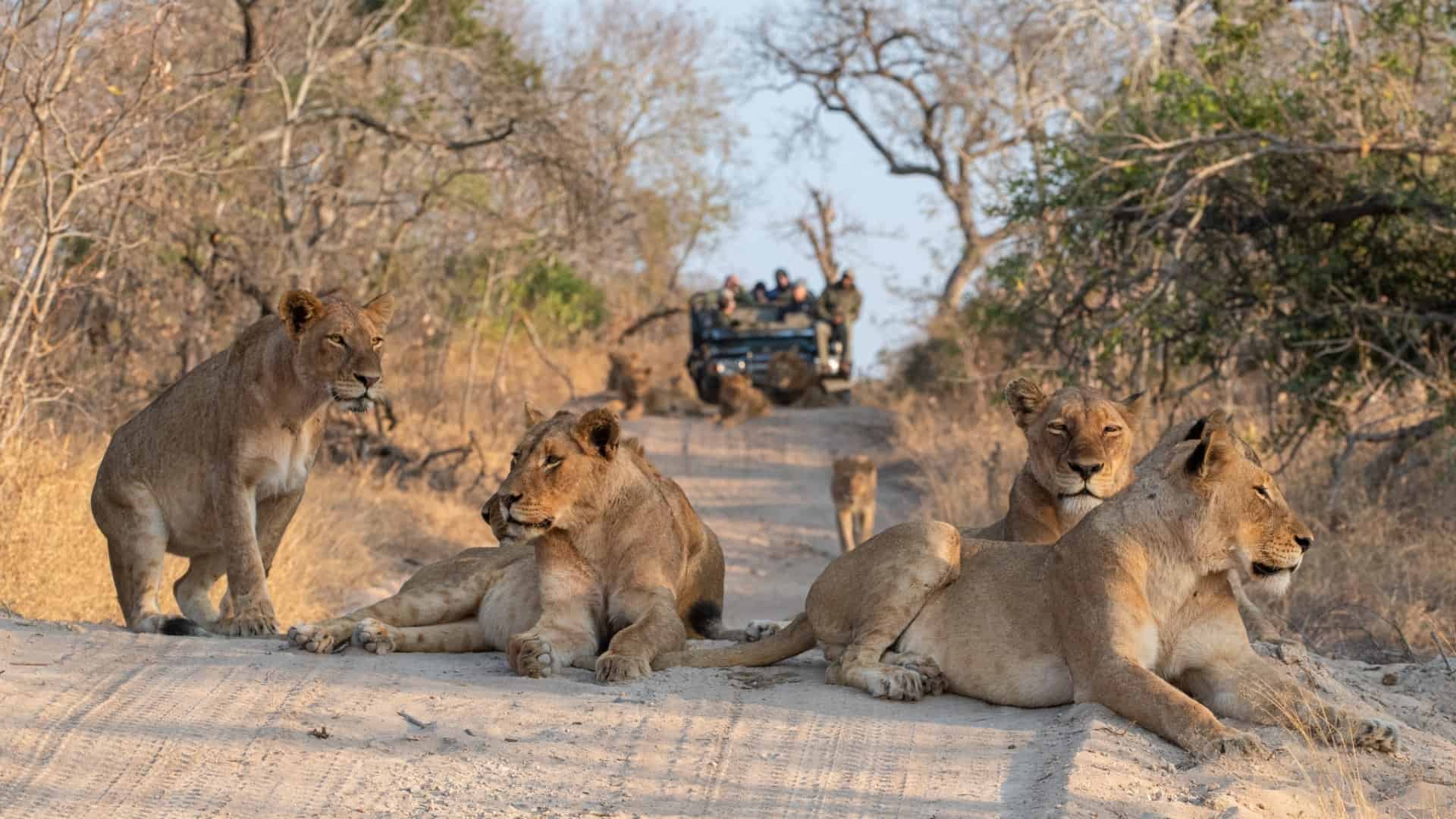
Typically spanning from May/June to October in many key safari regions, the Dry Season is often heralded as the quintessential period for classic wildlife viewing. As natural water sources dwindle, animals congregate around remaining rivers and waterholes, making them easier to locate and observe. The vegetation thins, offering clearer, unobstructed views of wildlife – from the majestic Big Five (lion, leopard, elephant, rhino, and buffalo) to the myriad of other fascinating creatures that roam these lands.
Why Choose the Dry Season?
- Exceptional Wildlife Sightings: This is arguably the best time to go African safari if your primary goal is to see a high concentration of animals. Predators are often more active near water sources, leading to thrilling encounters.
- Pleasant Weather: Expect sun-drenched days with clear blue skies. Evenings and early mornings can be crisp and cool, perfect for cozying up with a warm drink on your game drive, but midday temperatures are generally very comfortable.
- Fewer Mosquitoes: The arid conditions mean fewer bothersome insects.
- Easier Travel: Roads within the parks are generally in good condition, making for smoother game drives.
While popular, it’s worth noting that some iconic parks can be busier during these peak months. However, with careful planning and the selection of exclusive concessions and private reserves, Ranger Buck Safaris ensures an intimate and immersive experience, even during this sought-after period.
The Wet/Green Season: A Symphony of Life and Lush Landscapes
Stretching roughly from November to April (with regional variations), the Wet Season, or Green Season, transforms the African bush into a vibrant tapestry of emerald greens. The rains breathe life into the landscapes, triggering the birth of many young animals and attracting a dazzling array of migratory birds.
Why Embrace the Green Season?
- Photographer’s Paradise: The clear air, dramatic skies, and lush vegetation create a stunning backdrop for photography. Think vibrant wildflowers, dramatic storm clouds, and wildlife set against a verdant canvas.
- Abundance of New Life: This is the birthing season for many antelope species, which in turn can attract predators, offering unique wildlife dynamics. Witnessing a wobbly-kneed impala take its first steps is a truly magical moment.
- Spectacular Birdwatching: Migratory birds arrive in their thousands, adorned in breeding plumage, making it the best time to visit East Africa safari destinations, and indeed many others, for ornithological enthusiasts.
- Fewer Crowds & Enhanced Value: Often considered the “secret season,” you may find fewer visitors in some areas, leading to a more exclusive feel. Premier lodges may also offer exceptional value during this period.
The Green Season can mean that wildlife is more dispersed due to abundant water and thicker vegetation. Some remote tracks might also become temporarily inaccessible after heavy downpours. However, the rewards – the sheer beauty, the congregation of birds, the poignant sight of new life – are immeasurable for many.
Your Safari, Your Season: Tailoring the Timing to Your Desires
Beyond the broad strokes of wet and dry seasons, the best time to go to safari in Africa is deeply personal. Consider what ignites your passion:
- For the Avid Photographer: The Green Season offers unparalleled light and landscapes. The shoulder months (between peak dry and wet seasons) can also provide a fantastic balance of good wildlife viewing and beautiful scenery without the harsher light of the mid-dry season.
- For the Birding Enthusiast: The Wet Season is undeniably superior, with resident birds in breeding plumage and the arrival of Palaearctic and intra-African migrants.
- For a More Exclusive, Intimate Experience: The shoulder seasons (e.g., April-May and October-November in many regions) often provide a wonderful compromise: pleasant weather, good game viewing, and fewer fellow travellers. This can be the perfect time for a more tranquil African safari.
- For Special Occasions (Honeymoons, Anniversaries, Family Milestones): Any time can be magical, but discuss your preferences with your safari specialist. Perhaps the romance of a classic dry season safari appeals, or the vibrancy of the green season for a family looking for diverse experiences.
Regional Spotlight: Finding the Best Time Across Africa’s Iconic Safari Destinations
Africa is a continent of immense scale and diversity. The best time to go safari in Africa varies significantly depending on your chosen destination.
East Africa: The Great Migration and Beyond (Kenya & Tanzania)
Home to vast savannahs and the incredible spectacle of the Great Wildebeest Migration, East Africa is a dream for many.
Answering: Best time to visit East Africa safari? Is Kenya or Tanzania better for safari?
The Great Migration: This year-round phenomenon involves over 1.5 million wildebeest, zebra, and gazelle moving in a clockwise direction through the Serengeti (Tanzania) and Masai Mara (Kenya) ecosystems.
- July to October: This is generally considered the best time to visit East Africa safari to witness the dramatic Mara River crossings in the northern Serengeti and Masai Mara.
- December to March: The herds congregate on the southern Serengeti plains (Ndutu area) for the calving season – an incredible spectacle of new life.
Kenya (Masai Mara National Reserve): Prime time is July to October for migration river crossings. However, Kenya offers excellent game viewing year-round. The short rains (Nov-Dec) and long rains (April-May) bring greener landscapes and fewer visitors.
Tanzania (Serengeti National Park, Ngorongoro Crater, Tarangire, Ruaha):
- Serengeti: Follows the migration pattern above. The Ngorongoro Crater offers superb, concentrated wildlife viewing year-round due to its permanent water sources.
- Tarangire National Park: Shines during the dry season (June to October) when huge herds of elephants congregate along the Tarangire River.
- Southern & Western Parks (Ruaha, Selous/Nyerere, Katavi): Best visited during the long dry season (June to October) for optimal wildlife sightings.
Kenya vs. Tanzania for Safari? Both offer phenomenal experiences. Tanzania boasts the larger part of the Serengeti and iconic Ngorongoro Crater. Kenya’s Masai Mara is legendary and offers superb cultural interactions with the Maasai people. Often, the “best” can be a combination, or chosen based on specific migration timings and lodge preferences. A Ranger Buck Safaris expert can help you decide.
Southern Africa: Diversity and Drama (South Africa, Botswana, Zimbabwe, Zambia)
Southern Africa presents a tapestry of experiences, from classic Big Five safaris to unique water-based adventures.
Answering: Best time to go to safari in South Africa? Is safari better in South Africa or Kenya?
South Africa (Kruger National Park, Sabi Sand Game Reserve, Madikwe, Eastern Cape):
- The best time to go to safari in South Africa, particularly for Kruger and its surrounding private reserves like Sabi Sand, is during the dry winter months (May to September). Game viewing is at its peak, with pleasant daytime temperatures and cool evenings.
- The summer/wet season (October to April) brings lush scenery, fantastic birding, and newborn animals. While game viewing can be slightly more challenging due to denser vegetation, it offers a different, vibrant beauty. This period is also ideal for visiting Cape Town, which experiences its warm, dry summer.
- Madikwe Game Reserve: Being malaria-free, it’s excellent year-round, especially for families.
Botswana (Okavango Delta, Chobe National Park, Makgadikgadi Pans):
- Okavango Delta: The unique wonder of the Delta is its floodwaters, which typically peak between June and August/September, ironically during Botswana‘s dry season (the waters arrive from Angolan highlands months after their rains). This is prime time for mokoro (dugout canoe) excursions and exploring the flooded plains.
- Chobe National Park: Famous for its enormous elephant herds, best seen during the dry season (May to October) along the Chobe River.
- Makgadikgadi Pans: Transforms dramatically. The dry season offers stark, otherworldly landscapes, while the wet season (Nov-Apr) can bring flamingos and migrating zebra.
Zimbabwe & Zambia (Mana Pools, Hwange, South Luangwa, Victoria Falls):
- These countries are renowned for exceptional guiding and walking safaris. The dry season (May to October) is generally best, offering comfortable temperatures and good visibility.
- Victoria Falls: Its flow varies. For the most thunderous spectacle (High Water), visit between February and May. For clearer views of the gorge and better whitewater rafting (Low Water), August to December is preferable.
South Africa vs. Kenya for Safari? It’s comparing two titans. South Africa offers incredible diversity – Big Five safaris, cosmopolitan cities like Cape Town, stunning winelands, and excellent infrastructure, making it a superb choice for a first-timer or those seeking varied experiences. Kenya offers that iconic “Out of Africa” savannah feel, the Great Migration, and rich Maasai culture. The “better” option depends entirely on your personal preferences and the type of safari you envision.
Your Pressing Safari Questions Answered
Planning an African safari often comes with many questions. Here, we address some of the most common queries to help you refine your choices for the best time to go African safari.
What is the best month to go on an African safari? / What month is best for African safari? This is highly dependent on where you want to go and what you want to see.
- For East Africa’s Great Migration river crossings (Kenya/Tanzania): July to September are peak. For calving season: January to March (Southern Serengeti).
- For general wildlife in Southern Africa (South Africa, Botswana, Zimbabwe, Zambia): May to September (their dry winter) is often optimal.
- For birdwatching: Generally during the wetter months (November to April) when migratory birds are present and residents are in breeding plumage.
- For pleasant weather and fewer crowds (shoulder seasons): April/May and October/November can be excellent in many regions.
What is the “Number 1” safari in Africa? The concept of a single “Number 1” safari is subjective, as the ideal experience is deeply personal. However, iconic experiences often cited include:
- Witnessing the Great Wildebeest Migration in the Serengeti or Masai Mara.
- Exploring the Okavango Delta by mokoro.
- Tracking the Big Five in South Africa’s Sabi Sand Game Reserve.
- A classic luxury tented safari in almost any prime wildlife area. The “Number 1” safari is the one that perfectly matches your dreams, interests, and style – something Ranger Buck Safaris excels at crafting.
Which African country is best for safaris? / What country in Africa has the best safaris? Each leading safari country offers something unique:
- Kenya: Iconic for the Masai Mara, Great Migration, and rich Maasai culture.
- Tanzania: Home to the Serengeti, Ngorongoro Crater, Mount Kilimanjaro, and Zanzibar.
- South Africa: Offers unparalleled diversity – Big Five, luxury lodges, malaria-free options, Cape Town, Winelands, and excellent infrastructure. Often considered the best time to go to safari in South Africa is during its dry season for prime wildlife viewing.
- Botswana: Known for the unique Okavango Delta, Chobe’s elephants, and a focus on high-value, low-impact tourism (often meaning more exclusive experiences).
- Zimbabwe & Zambia: Offer wild, adventurous safaris with some of the best guides and renowned walking safaris.
- Namibia: Famous for its dramatic desert landscapes, unique desert-adapted wildlife, and stargazing.
- Rwanda & Uganda: Premier destinations for gorilla and chimpanzee trekking.
Where should I go for my first safari in Africa? South Africa is an excellent choice for first-timers due to its well-developed infrastructure, diverse experiences (safari, city, coast, wine), variety of accommodation, and the ease of spotting the Big Five, especially in areas like the Sabi Sand or Kruger National Park. Kenya and Tanzania also offer classic, well-supported safari experiences that are fantastic for a first adventure. A guided luxury safari ensures a seamless and enriching introduction.
What is the hottest time of the year in Africa? This varies significantly by region.
- In Southern Africa, the hottest months are typically October through to March/April (summer). October, just before the rains, can be particularly hot and dry.
- In East Africa, temperatures are more consistent year-round due to its equatorial location, but it can feel hotter and more humid during the rainy seasons. Coastal areas are generally hotter and more humid than highland areas.
What time of year is the cheapest for safari? / How can I get safari for cheap? / What is the cheapest month to travel to Africa? While “cheap” isn’t the focus of a luxury safari, there are certainly periods offering better value. These often coincide with the Green Season (Wet Season – typically November to April) in many regions. During this time, some premier lodges may offer more attractive rates. This isn’t about compromising on quality but about experiencing Africa’s “secret season” with benefits like fewer crowds, lush landscapes, and abundant birdlife. Ranger Buck Safaris can guide you to exceptional value opportunities without sacrificing the luxury experience.
When NOT to go on safari? There isn’t necessarily a time to completely avoid, as Africa offers year-round possibilities. However, considerations include:
- Heavy Rain Periods: In some remote areas, very heavy rains (e.g., parts of April/May in East Africa or January/February in some Southern African regions) can make travel difficult and some camps may close.
- Specific Wildlife Goals: If you’re set on seeing the Great Migration river crossings, visiting outside of July-October in the Mara/Northern Serengeti wouldn’t be ideal for that specific goal. An expert consultant will always advise on the best options based on your specific desires and the conditions on the ground.
What is the average cost of an African safari trip?
The investment for a bespoke African safari varies significantly. It’s influenced by the destination, duration, the exclusivity and luxury level of your chosen lodges and camps, types of activities (e.g., private guides, hot air ballooning), and the time of year. Ranger Buck Safaris specialises in crafting journeys from mid-range luxury to the pinnacle of opulence. We work with you to understand your aspirations and budget, ensuring unparalleled value for a truly transformative experience, rather than focusing on a generic “average.”
How many days on safari is enough? / How many days are enough for Africa? For a fulfilling safari experience in one or two key areas, we recommend a minimum of 7 to 10 days. This allows for several days in each location to truly immerse yourself, enjoy multiple game drives, and relax into the rhythm of the bush. If you wish to explore multiple regions or combine a safari with other experiences (like Cape Town or Victoria Falls), 10 to 14 days or more is ideal. Africa is vast and diverse; the ideal duration allows for immersion and discovery, not just a fleeting glimpse.
What month has the best weather in Africa? / What month should you go to Africa? / What season is best to go to Africa? “Best weather” is subjective.
- If “best” means dry, sunny days and cool nights, then the dry season (May-October for Southern Africa; June-October & Jan-Feb for East Africa) is often preferred.
- If “best” means dramatic skies, lush landscapes, and warmer temperatures without intense heat, then parts of the green season or shoulder seasons might appeal. Ultimately, the best season aligns with your overall safari goals and tolerance for different weather patterns.
Which African country is the safest for safari? / What is the safest country in Africa? / Which is the safest African country to visit? Many of Africa’s prime safari destinations, such as Botswana, Namibia, Tanzania, Kenya, Rwanda, and South Africa, have excellent safety records within their dedicated tourism areas and national parks. These countries have well-established tourism infrastructures and prioritise visitor safety. As with any international travel, it’s wise to be aware of your surroundings and follow sensible precautions. Travelling with a reputable operator like Ranger Buck Safaris significantly enhances your safety and peace of mind, as we work with trusted partners on the ground and provide comprehensive support.
The Ranger Buck Safaris Difference: Elevating Your African Dream
Choosing the best time to go safari in Africa is the first step. Choosing the right partner to craft that journey is paramount. At Ranger Buck Safaris, we don’t just plan trips; we orchestrate life-enriching experiences.
- Unrivalled Expertise & Destination Knowledge: Our Africa-savvy travel connoisseurs possess intimate, first-hand knowledge of the continent. We continuously explore, ensuring our recommendations for lodges, experiences, and timings are current and truly exceptional. We guide you to the finest cultural, wildlife, and adventure encounters that will become the stories you share for a lifetime.
- Personalised Itineraries: Your Journey, Your Rhythm: We believe that true luxury lies in personalisation. Every itinerary is meticulously curated to reflect your individual interests, passions, and pace – from adrenaline-fueled Big Five tracking and serene photographic expeditions to profound cultural immersions and blissful relaxation.
- Seamless Travel & Around-the-Clock Support: From the moment you connect with us until you return home, laden with memories, we ensure every detail is flawlessly managed. Our 24/7 on-call assistance provides complete peace of mind, handling everything from intricate flight connections to any unforeseen adjustments, allowing you to remain utterly stress-free and immersed in the magic.
- Conservation Champions: Travel with Purpose: We are deeply committed to the preservation of Africa’s precious wildlife and wild spaces. Our immersive Conservation Experiences offer a unique opportunity to witness and even participate in critical efforts to protect endangered species, ensuring your journey contributes positively to the continent’s legacy.
- A Commitment to Luxury & Exclusivity: We partner with a distinguished portfolio of lodges and camps that epitomise comfort, style, and authentic African charm, ensuring your accommodation is a highlight in itself. Coupled with expert private guides, your safari experience will be intimate, insightful, and deeply engaging.
Preparing for Your Unforgettable Journey: A Touch of Safari Chic & Practicality
Once you’ve determined the best time to go African safari with your Ranger Buck Safaris expert, it’s time to think about preparation. A luxury safari seamlessly blends adventure with comfort.
Essential Safari Attire: Blending Style with Practicality
The key is comfortable, neutral-coloured clothing.
- Colours: Opt for shades of khaki, olive, beige, and brown. These blend into the natural environment and are less conspicuous to wildlife. Avoid bright colours and camouflage patterns (the latter is prohibited in some African countries).
- Fabrics: Lightweight, breathable materials like cotton, linen, and moisture-wicking synthetics are ideal.
- Layering is Key: Early morning and late evening game drives can be surprisingly cool, especially during the dry season. Pack layers:
- Lightweight shirts (long-sleeved for sun and insect protection).
- A stylish fleece, warm sweater, or a versatile cashmere wrap.
- Comfortable safari trousers or chinos (convertible trousers are practical).
- An elegantly casual outfit for evenings at the lodge.
- Footwear: Comfortable, sturdy walking shoes or trail boots are essential for any bush walks. Sandals or loafers are fine for around the lodge.
- Accessories: A wide-brimmed hat is crucial for sun protection. Quality sunglasses and a bandana or scarf for dust are also recommended. Don’t forget your swimsuit, as many lodges have inviting pools.
Capturing Memories: Photographic & Viewing Gear
- Camera: A DSLR, mirrorless camera, or a high-quality bridge camera with a good zoom lens (e.g., 200-500mm) will help you capture those incredible wildlife moments. A wide-angle lens is great for landscapes.
- Binoculars: Absolutely essential for every traveller, not just keen birders. A good pair (e.g., 8×42 or 10×42) will bring distant animals and birds into sharp focus.
- Extras: Pack plenty of memory cards, spare batteries, a portable power bank, and the correct charging adapters for your destination. A dust-proof bag for your camera is also wise.
Travel Essentials: Documents, Health, and Well-being
- Documentation: Ensure your passport is valid for at least six months beyond your intended stay and has sufficient blank pages. Check visa requirements for your nationality and destination(s). Keep copies of important documents separate. Travel insurance is essential.
- Health: Consult your doctor or a travel clinic 4-6 weeks before departure regarding recommended vaccinations and malaria prophylactics (if travelling to a malarial zone). Pack any personal prescription medications with a copy of the prescription.
- Comfort & Protection: High SPF sunscreen, lip balm, and effective insect repellent are non-negotiable. A small personal first-aid kit can be useful. Consider a reusable water bottle to stay hydrated and reduce plastic waste.
The Intangibles: An Open Heart and Adventurous Spirit
More important than any item you pack are an open mind, a sense of humour, patience, and a genuine desire to connect with the remarkable nature and cultures of Africa. Flexibility is key, as wildlife encounters unfold on their own terms.
South Africa: A World in One Country for Your Safari
While Africa offers a dazzling array of safari destinations, South Africa consistently shines as an exceptional choice, particularly for those seeking diversity, luxury, and ease of travel. Pinpointing the best time to go to safari in South Africa can elevate an already incredible adventure to new heights.
Why South Africa Captivates:
- Year-Round Appeal: Its varied climates and ecosystems mean you can enjoy a fantastic safari experience any month.
- Superb Infrastructure: Well-maintained roads, reliable domestic flights, and a wide spectrum of world-class accommodations make for seamless travel.
- The Big Five & Beyond: Renowned for incredible Big Five sightings, especially in reserves like the Kruger National Park and the adjoining Sabi Sand Game Reserve, known for its up-close leopard encounters.
- Unmatched Diversity: Combine your safari with explorations of vibrant Cape Town, the scenic Cape Winelands, the dramatic Drakensberg Mountains, or the beautiful Garden Route.
- Malaria-Free Options: Reserves like Madikwe and Pilanesberg offer superb malaria-free safaris, ideal for families with young children or those who prefer to avoid anti-malarial medication.
Iconic South African Destinations & Ideal Timings:
- Kruger National Park & Sabi Sand Game Reserve: The prime time is the dry season (May to September) for optimal game viewing due to thinner vegetation and animals congregating at water sources. Expect warm, sunny days and cool nights. The Green Season (October to April) offers lush landscapes, newborn animals, and exceptional birding.
- Cape Town & the Cape Winelands: Enjoy a Mediterranean climate with warm, dry summers (October to March), perfect for exploring Table Mountain, beaches, and vineyards. Winters (May to August) are cooler and wetter but can be beautifully green.
- The Garden Route: Pleasant year-round, but the shoulder seasons (Spring: September-October; Autumn: March-April) offer lovely weather for exploring its coastal towns, forests, and lagoons.
- Madikwe Game Reserve: Excellent year-round due to its malaria-free status and diverse wildlife. The dry season offers easier game spotting, while the green season is visually stunning.
Ranger Buck Safaris excels at crafting bespoke South African itineraries that seamlessly blend thrilling wildlife encounters with cultural explorations and luxurious relaxation, all tailored to the best time to visit South Africa according to your preferences.
Conclusion: Your African Legacy Awaits
The best time to go safari in Africa is not a singular answer etched in stone, but a harmonious convergence of your deepest travel desires and the continent’s captivating natural cycles. Whether you yearn for the dramatic wildlife concentrations of the dry season, the vibrant rebirth of the green season, the specific spectacle of the Great Migration, or the unique charms of a particular region, Africa holds a perfect moment for you.
Understanding the nuances of seasons, wildlife behaviour, and regional highlights is key, but the true art lies in weaving these elements into a journey that resonates with your spirit. This is where the expertise and passion of Ranger Buck Safaris transform a great trip into an extraordinary, life-changing adventure. We delve into your aspirations, guiding you towards the destinations and timings that will not just meet, but exceed your wildest expectations for an African safari.
Your unforgettable journey, your best time to go African safari, begins with a conversation. Let us unveil the magic, the wonder, and the profound beauty of Africa, crafting an itinerary that will leave an indelible mark on your soul.
Ready to explore your perfect African safari? Contact Ranger Buck Safaris today to begin crafting your bespoke adventure. Let us help you discover the continent at the time that’s unequivocally perfect for you.
View our recommended destinations
Curate Your Own
Personalised Travel Itinerary
Curate Your Own Personalised Travel Itinerary
Ranger Buck Safaris specialise in creating completely personalised travel itineraries tailored to your personal needs and expectations. Simply click on the button below to chat to one of our ecosafari specialists and lets start planning your very best African safari to your very favourite destination.
get in touch with us
+27 83 653 5776
+27 83 653 5776 (WhatsApp)
info@rangerbucksafaris.com
16 Lourie Close, Meyersdal Eco Estate,
Alberton, Gauteng
16 Lourie Close, Meyersdal Eco Estate, Alberton, Gauteng