
Plan a trip
Are African Elephants Endangered?
Last updated: March 2026
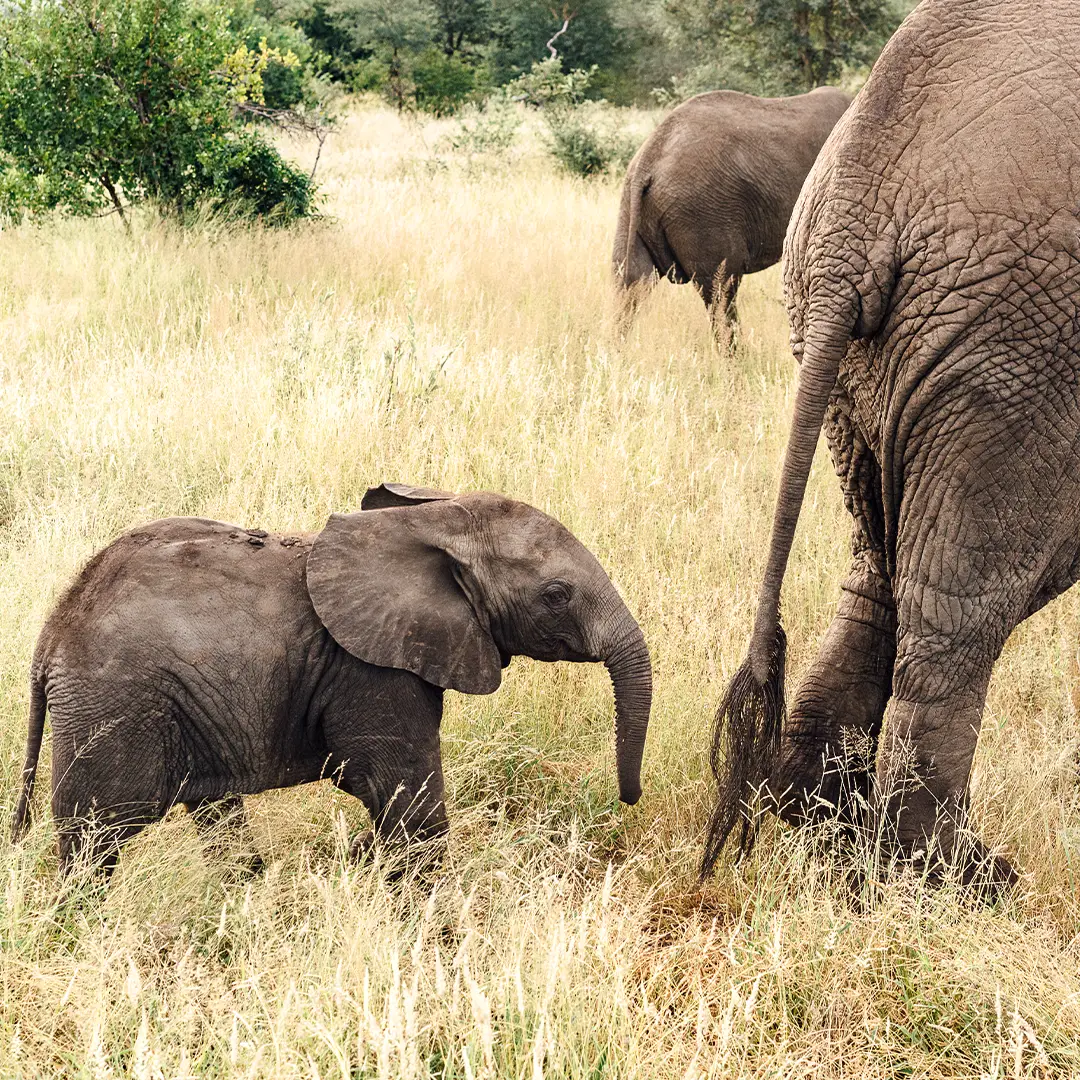
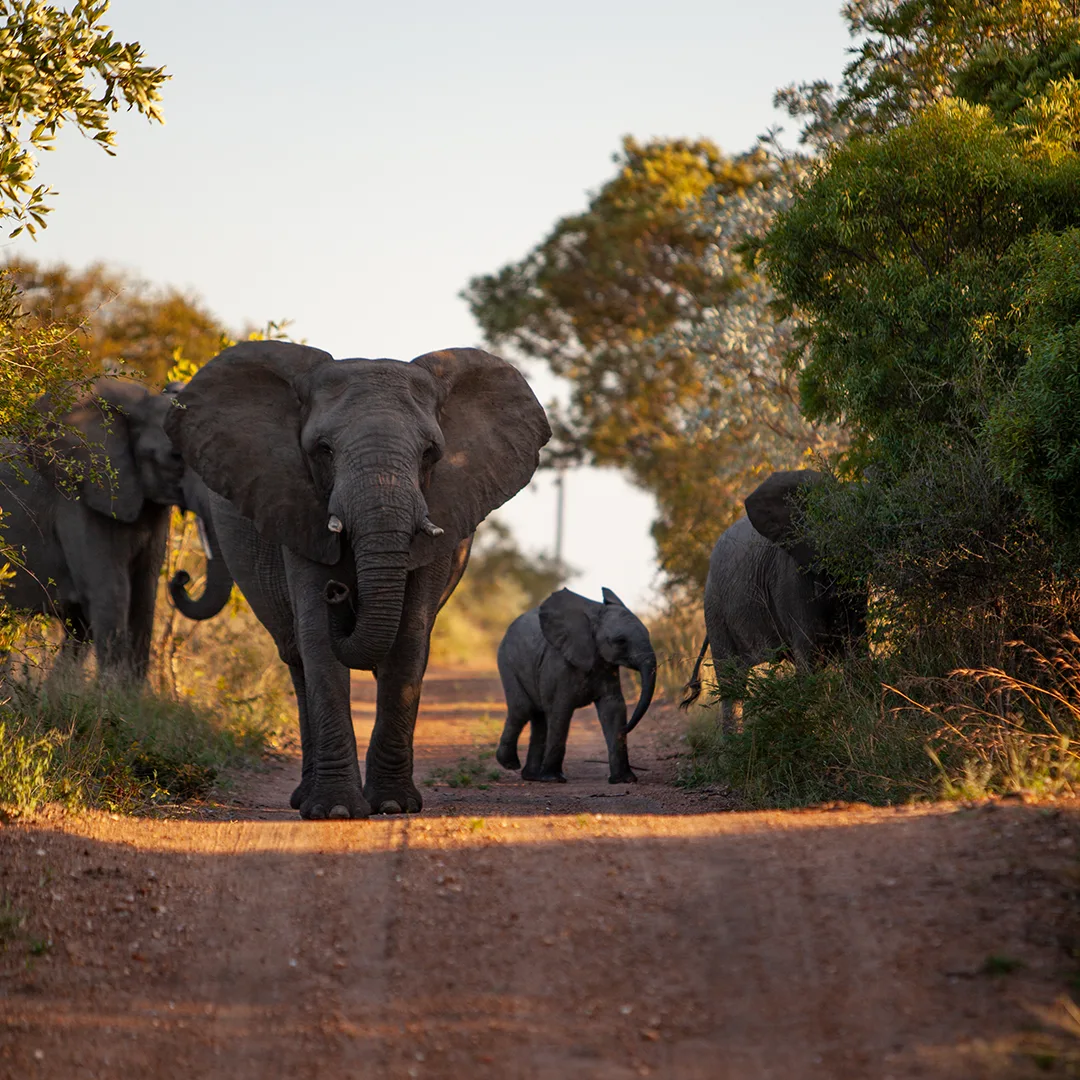
Yes — and the situation is more serious than many people realize. The IUCN now assesses Africa’s two elephant species separately: African savanna (bush) elephants are listed as Endangered, while African forest elephants are listed as Critically Endangered.
That split matters because the threats, monitoring methods, and recovery paths differ between savanna and forest landscapes.
The two African elephant species (and why the split matters)
African savanna/bush elephant (Endangered)
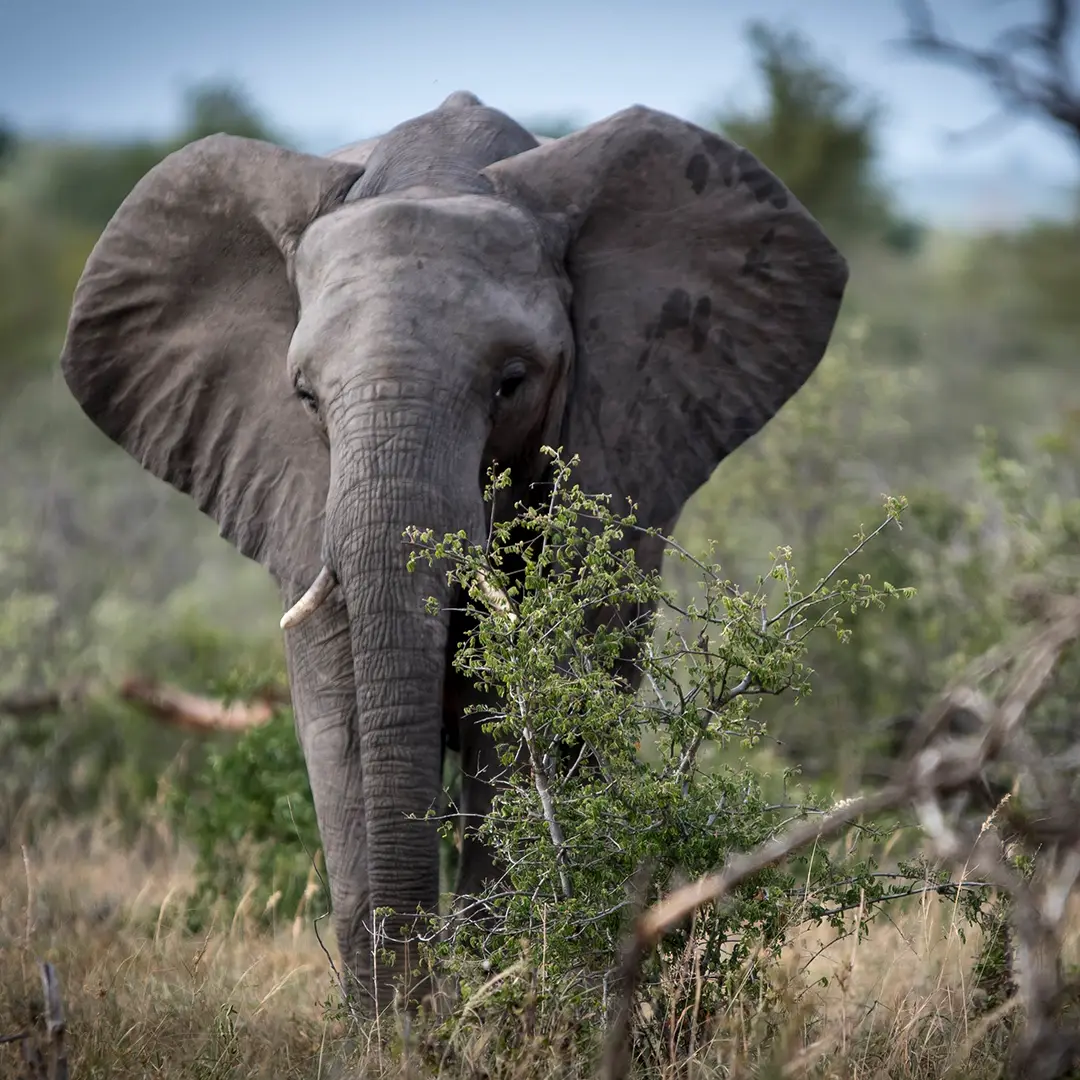
Savanna elephants live mainly in open and mixed habitats across parts of eastern and southern Africa. Their pressures often concentrate around habitat fragmentation, conflict edges, and poaching risk hotspots.
African forest elephant (Critically Endangered)
Forest elephants live mostly in Central/West African forests and have suffered severe long-term declines. Their habitat makes surveying and enforcement harder, and illegal ivory pressure has historically hit them hard.
What’s driving elephants toward extinction risk?
Elephant decline usually comes from a combination of pressures (not just one):
1) Poaching and illegal ivory trade
CITES runs two major systems tied to this issue:
- MIKE, which monitors trends in illegal killing through site-based mortality reporting
- ETIS, which monitors illegal ivory trade trends using seizure data
2) Habitat loss and fragmentation
As land use changes, elephants lose space to move naturally between water, forage, and seasonal routes — raising conflict risk.
3) Human–elephant conflict
When elephants and people collide over crops, water, and infrastructure, tolerance can collapse — and retaliation becomes a real threat to local populations.
What actually helps (the short version)
The strongest elephant conservation programs tend to combine:
- protection + enforcement, informed by intelligence and monitoring
- conflict prevention tools that reduce damage before it happens
- corridors/connectivity planning so movement stays natural
- community benefit, so elephants are worth more alive than dead
We’ll cover the “toolbox” in detail here: Human Elephant Conflict Solutions
What this means for travelers
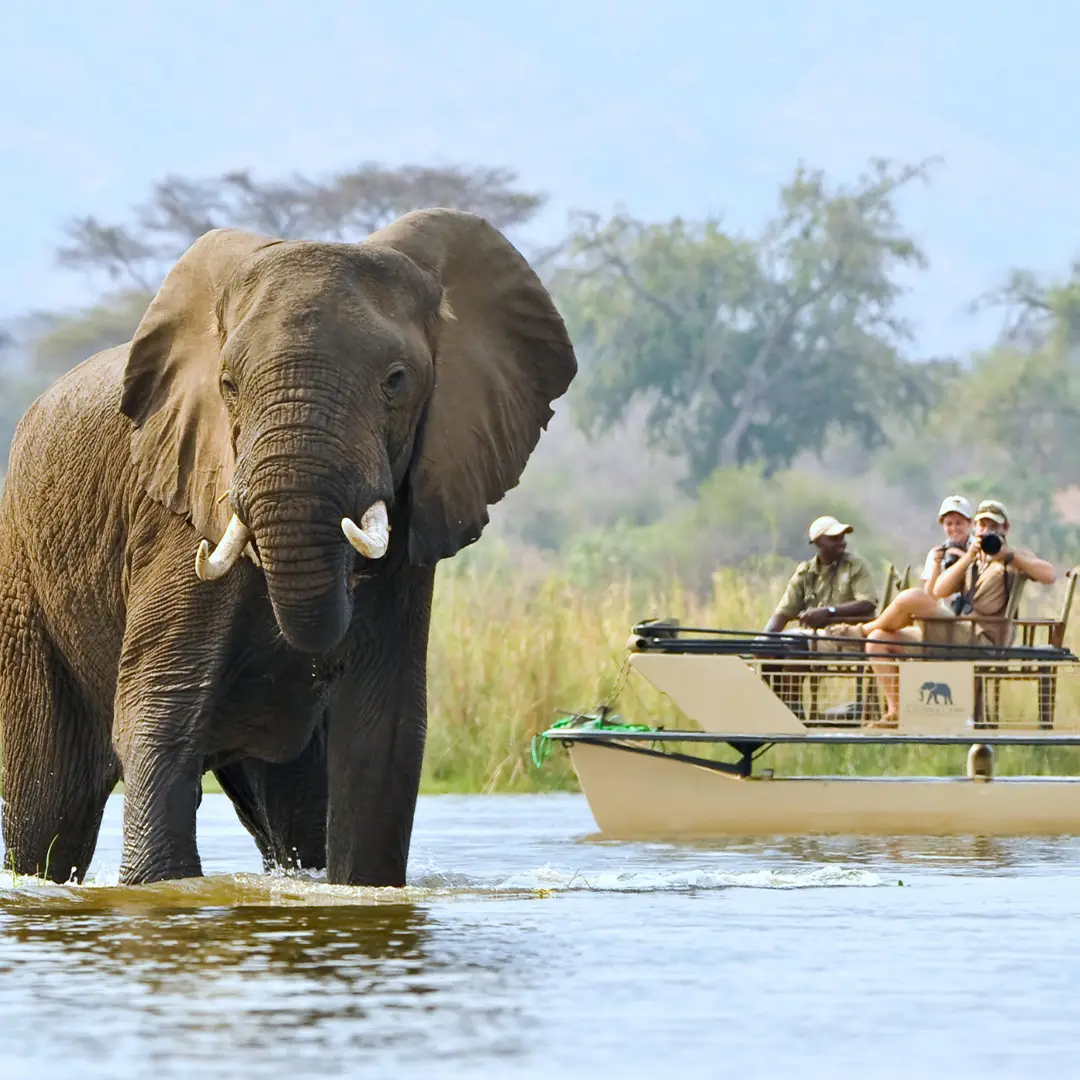
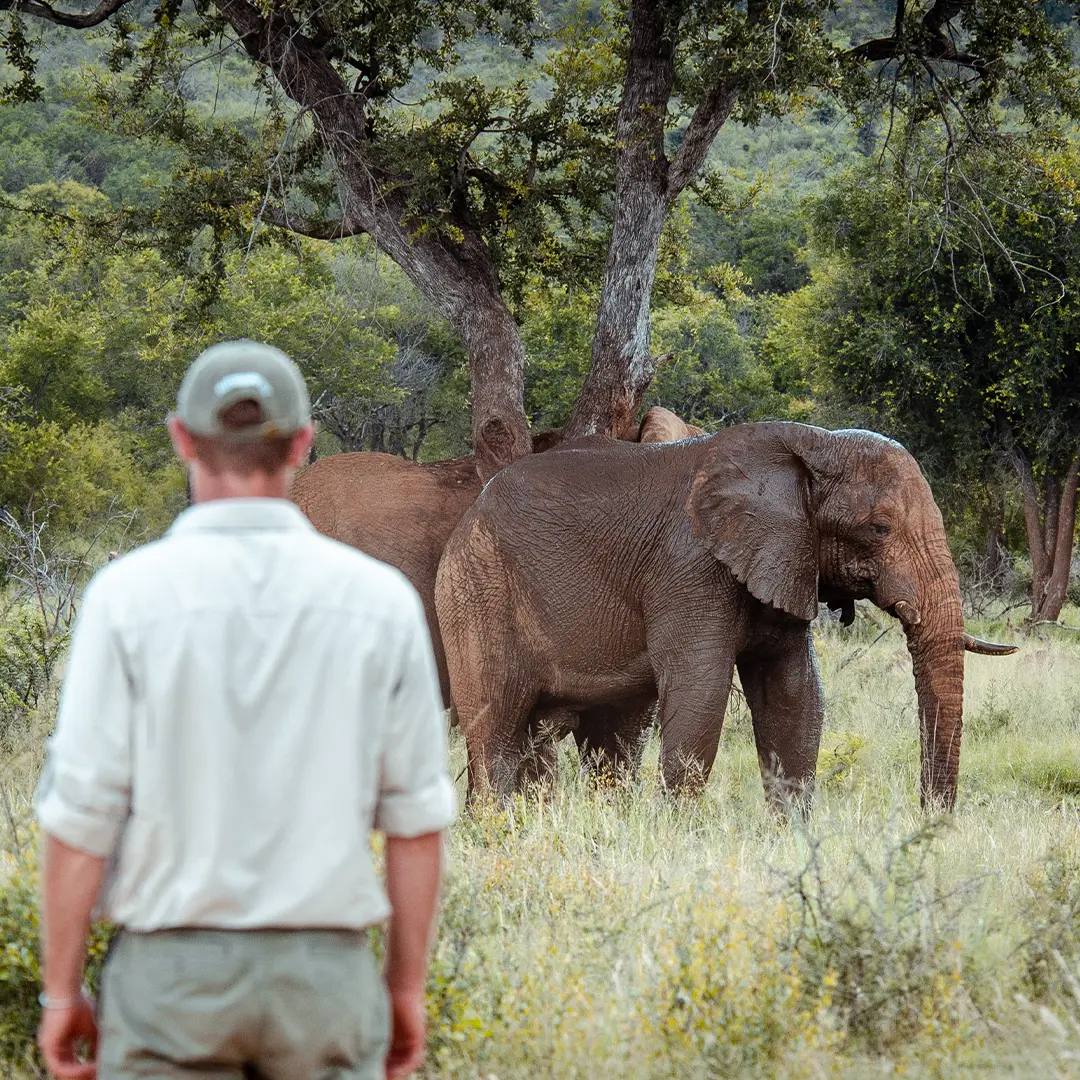
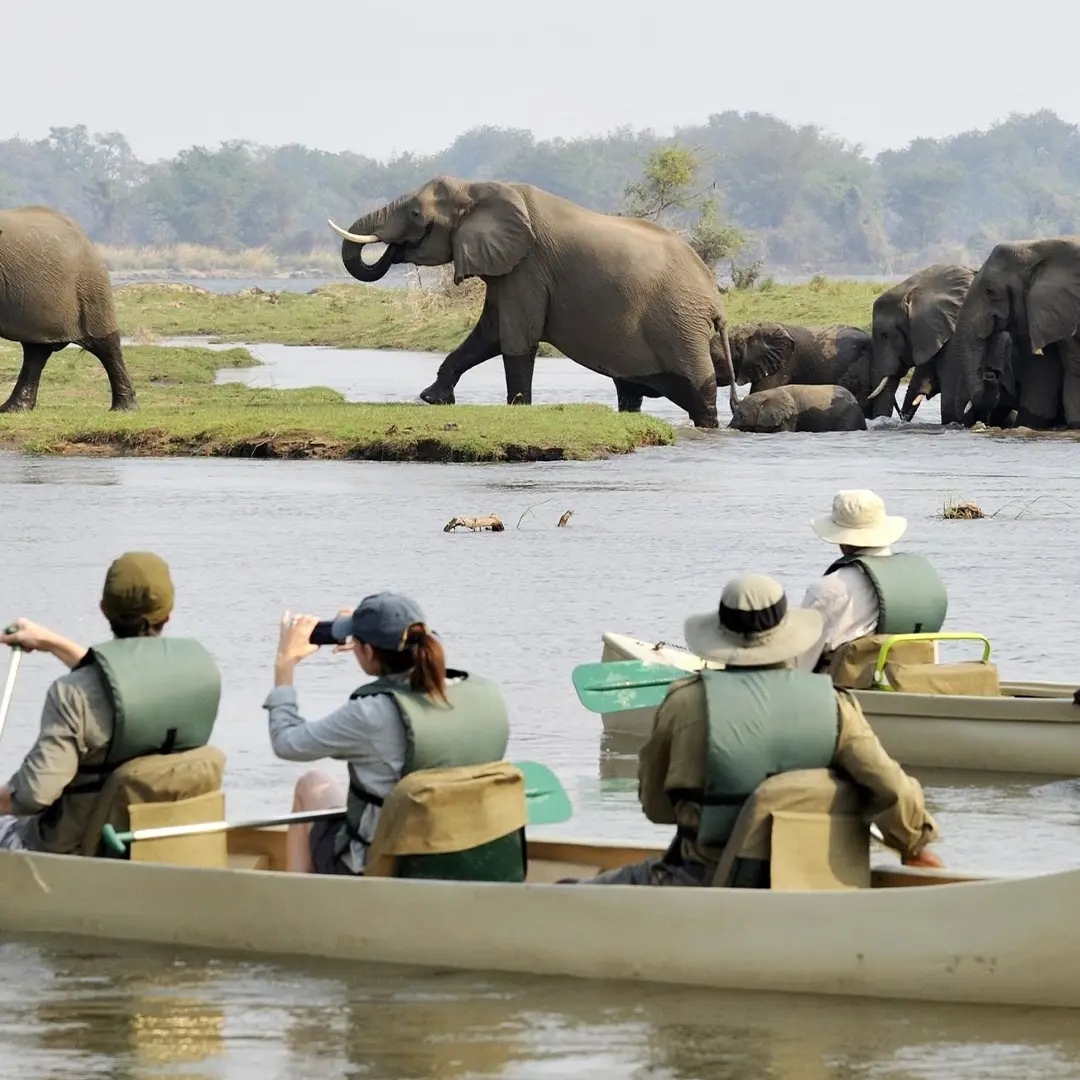
An ethical elephant experience isn’t about guaranteed encounters — it’s about wild elephants, space, transparency, and conservation-first decisions.
If someone is planning an elephant-focused trip, it should be built as a custom itinerary around season, movement, and conservation priorities — without promising specific activities.
Next step: Custom elephant conservation excursion Southern Africa
Elephant Status FAQ
Are African elephants endangered or vulnerable?
They are assessed as two species: savanna/bush elephants are Endangered and forest elephants are Critically Endangered.
Why are forest elephants more endangered?
Forest elephants have experienced severe long-term declines and are harder to monitor and protect effectively in dense forest landscapes.
Is poaching still a problem today?
Yes. CITES monitoring systems track both illegal killing (MIKE) and illegal ivory trade trends (ETIS).
What’s the biggest threat besides poaching?
In many places, habitat fragmentation and human–elephant conflict are major day-to-day drivers of risk.
How can travel help elephants?
When done ethically, conservation-first travel supports protected areas, conservation jobs, and long-term incentives to protect wildlife rather than exploit it.
Elephant Conservation Library
If you’re exploring elephant conservation, these guides will help you understand the challenges—and what a real on-the-ground conservation experience involves.
- Elephant conservation efforts explained (how protection works, what’s involved) →
- How many elephants are left in Africa? (latest context + why it matters) →
- Are African elephants endangered? (what the status means + the real drivers) →
- African bush vs forest elephants (two species, different threats) →
- Human–elephant conflict explained (why it happens) →
- Human–elephant conflict solutions (what actually works in the field) →
- How elephants are monitored (counts, collars, tracking, research) →
- Ethical elephant experiences checklist (what to avoid + what to choose) →
- Join a custom elephant conservation excursion (Southern Africa) →
get in touch with us
+27 83 653 5776
+27 83 653 5776 (WhatsApp)
info@rangerbucksafaris.com
16 Lourie Close, Meyersdal Eco Estate,
Alberton, Gauteng
16 Lourie Close, Meyersdal Eco Estate, Alberton, Gauteng

Website by Keeden Marketing | 2024
