
Plan a trip
African Pangolin Species Guide: The Four Pangolins of Africa
There are eight pangolin species on earth. Four live in Africa, four in Asia. All eight are in decline. The four African species differ significantly in size, habitat, range and behaviour — and each faces its own combination of threats. This guide introduces each species for safari travellers, wildlife lovers and aspiring Pangolin Guardians who want to understand exactly which animals they are working to protect.
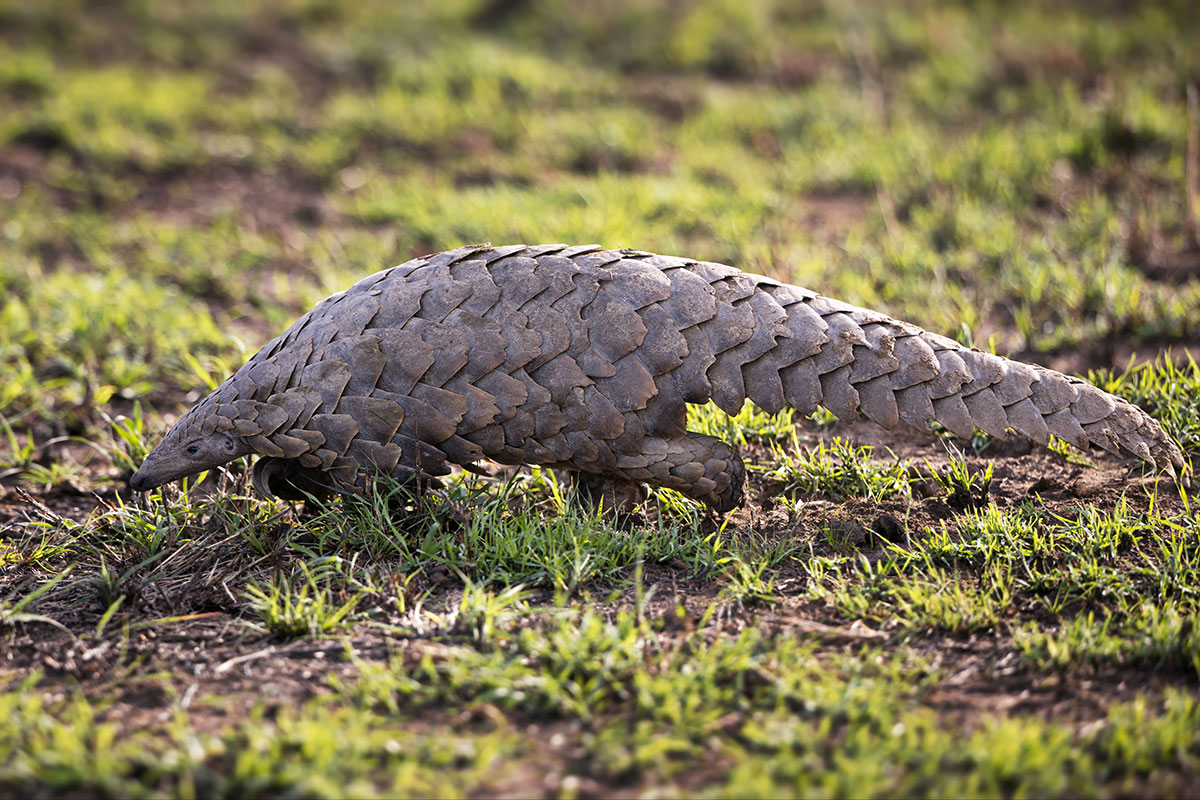
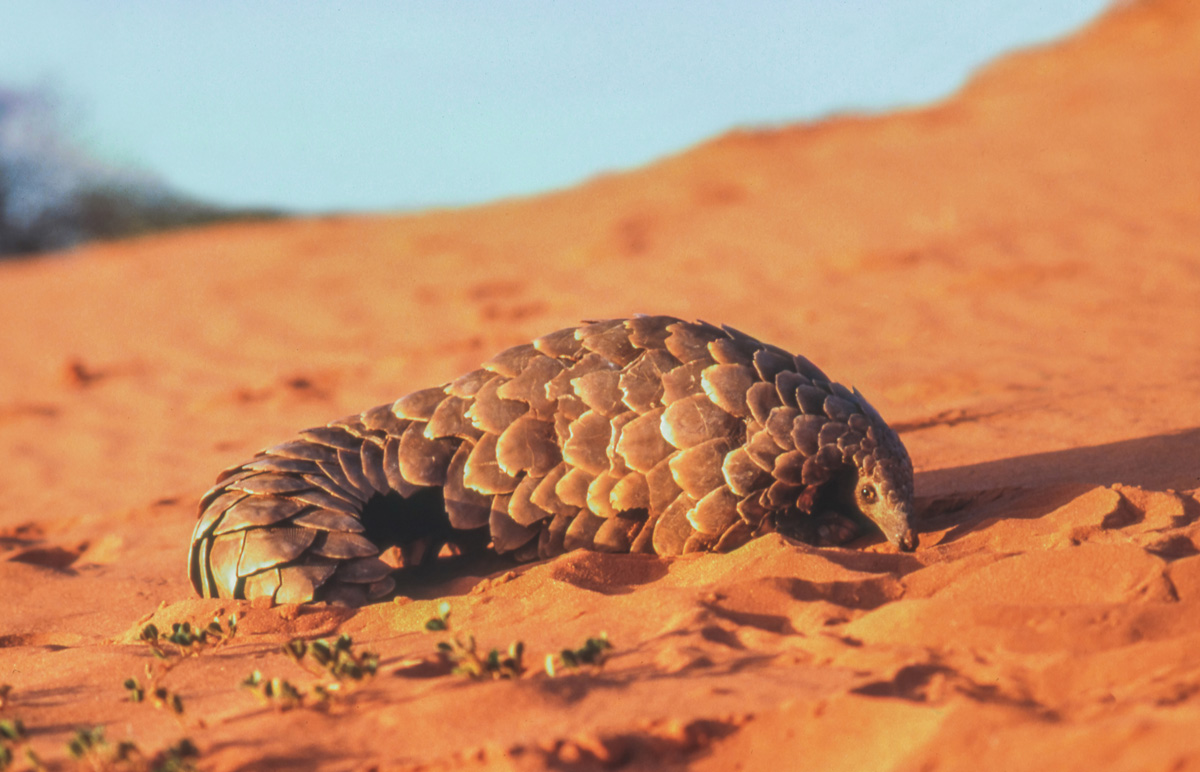
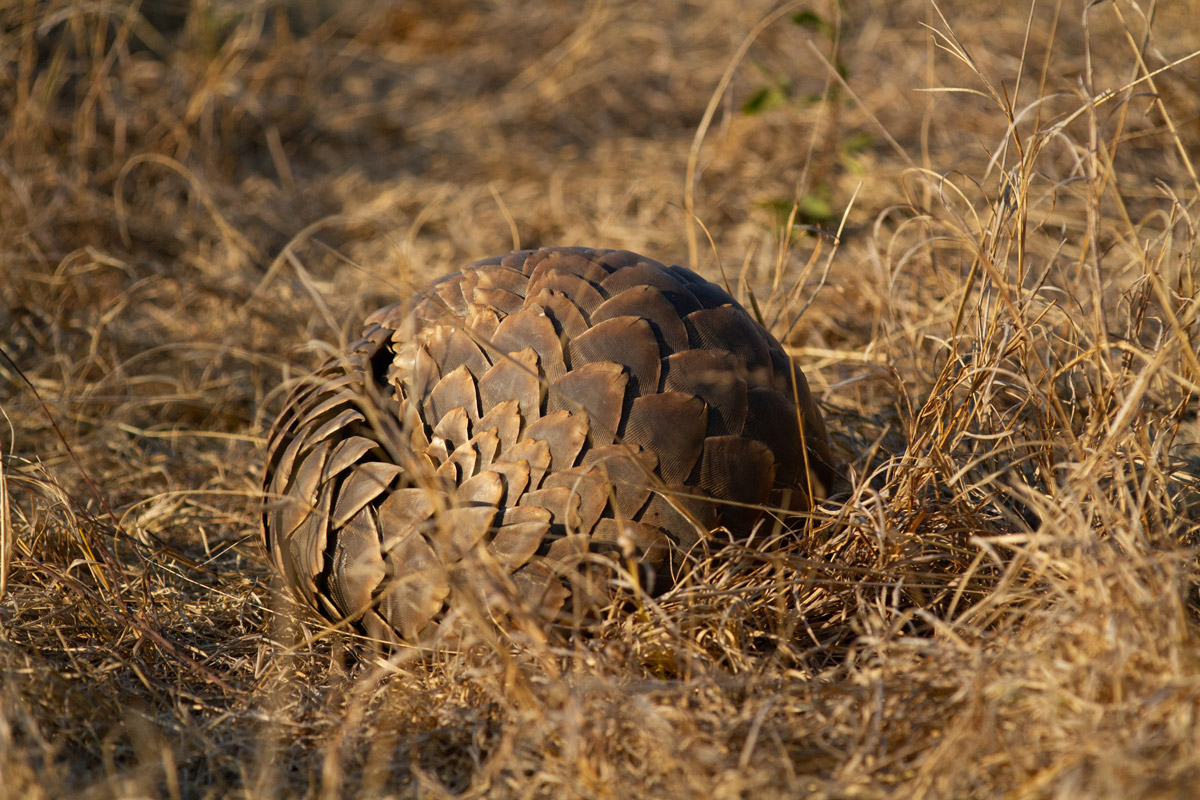
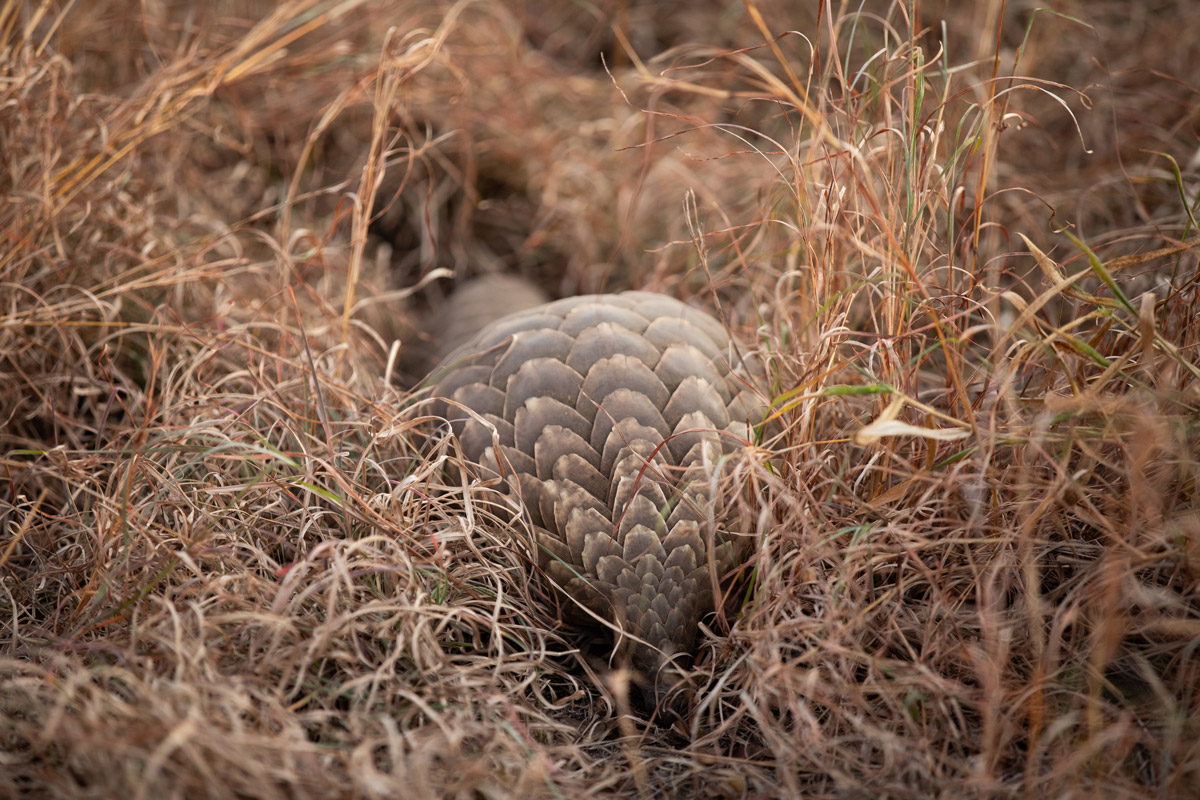
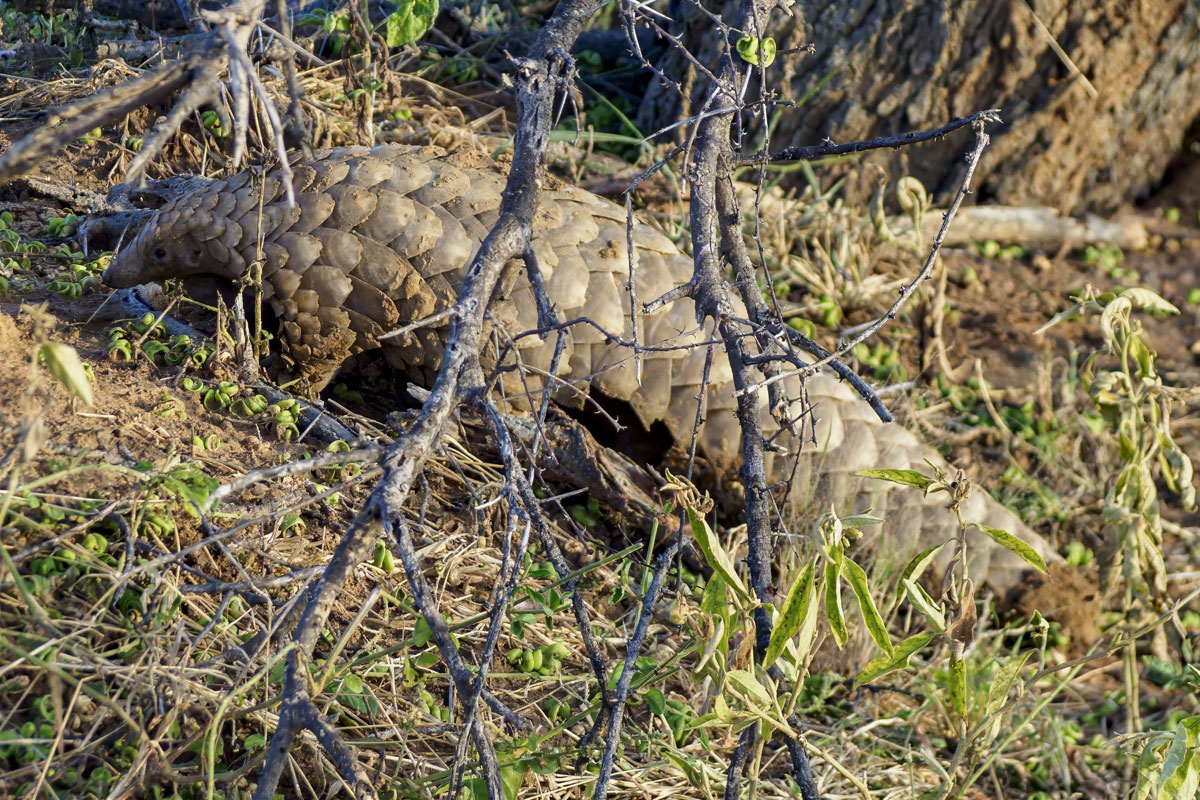
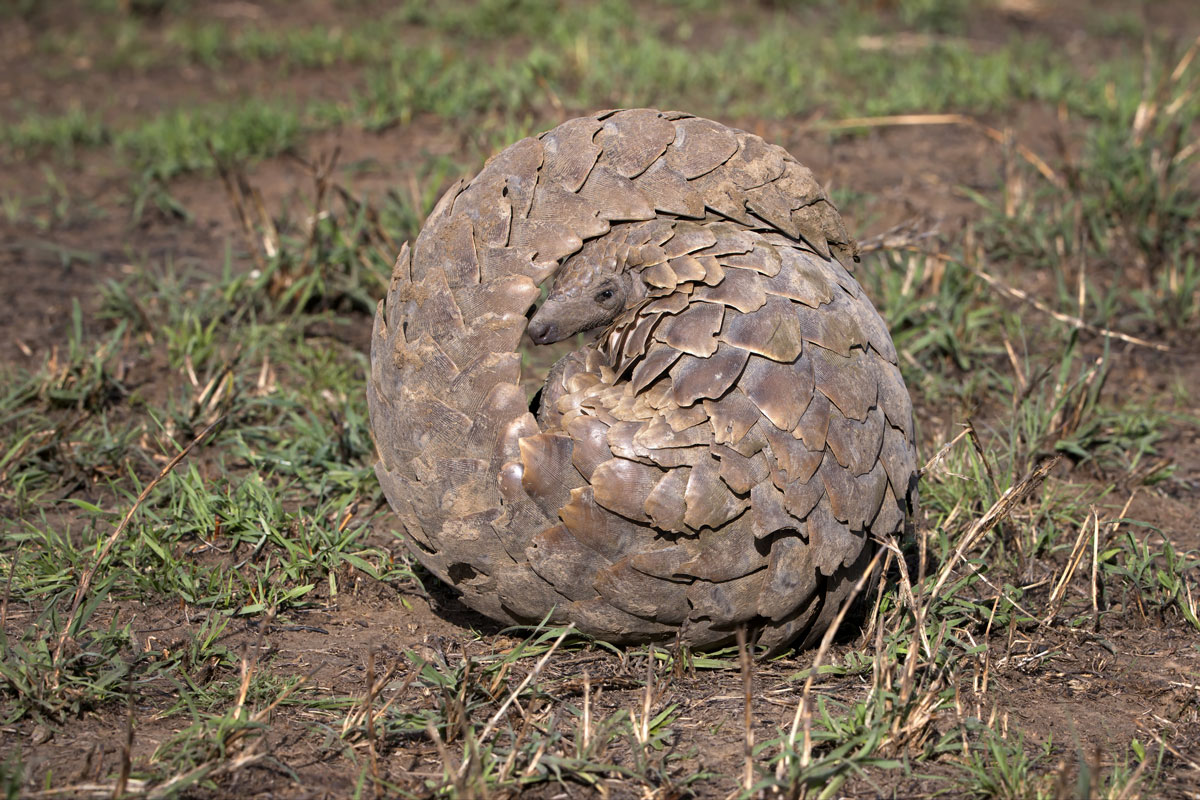
Temminck’s Ground Pangolin (Smutsia temminckii)
Temminck’s ground pangolin is the most widespread of the four African species and the one most likely to be encountered — with extraordinary luck — across the southern and eastern African destinations that Ranger Buck Safaris operates in. It occupies dry woodland, scrub and savanna habitats across sub-Saharan Africa, from Sudan and Ethiopia south through East Africa and into South Africa, Zimbabwe, Botswana and Namibia.
Medium-sized — typically 30 to 45 cm in body length with a similarly sized tail — it is predominantly terrestrial but capable of climbing. It is strictly nocturnal and solitary. This is the pangolin species most relevant to safaris in South Africa’s Limpopo, Mpumalanga, Kalahari and Kruger ecosystems. Even here, a wild sighting is a once-in-a-career event for most guides.
Giant Ground Pangolin (Smutsia gigantea)
The giant ground pangolin is the largest of the four African species — and the largest pangolin on earth. Capable of reaching 1.8 metres in total length and exceeding 30 kilograms, it is a formidable animal by any measure. Its range covers forests and adjacent woodland across Central and West Africa, extending into parts of East Africa. It is the least studied of the African species, largely due to the remoteness of its range and its exceptional secretiveness. It excavates substantial burrows and depends on specialised termite colonies as its primary food source.
White-Bellied Pangolin (Phataginus tricuspis)
The white-bellied pangolin — also called the tree pangolin or three-cusped pangolin — is a small, arboreal species that spends much of its life in the forest canopy. It occurs across the Central and West African rainforest belt, from Senegal in the west through the Congo Basin. It is not a species safari travellers in southern Africa are likely to encounter.
It is, however, the most commonly trafficked of the four African species. Its arboreal habits make it easier to detect and extract than the ground-dwelling species, and its occurrence across forest areas increasingly opened up by logging roads exposes it to severe hunting pressure.
Black-Bellied Pangolin (Phataginus tetradactyla)
The black-bellied pangolin is the smallest of the four African species. Also predominantly arboreal, it shares much of its forest range with the white-bellied species but tends to favour areas near water and is known to enter water voluntarily — unusual among pangolins. Its dark belly scales distinguish it in the field. It remains the least studied of the four African pangolins and faces intense pressure from forest habitat loss across Central and West Africa combined with direct exploitation for bushmeat and the international scales trade.
How You Can Support All Four Species
The four African pangolin species occupy very different habitats and ranges but share the same fundamental threats: illegal trade, habitat loss and slow reproduction. The most impactful things an individual can do are to support awareness, fund conservation work on the ground, report sightings responsibly through Pangolert, and choose ethical travel that keeps wild landscapes economically viable. For guests with a specific interest in pangolin conservation, Ranger Buck Safaris can incorporate accredited pangolin sanctuary visits into tailor-made itineraries.
Want to deepen your connection to pangolin conservation? Join Ranger Buck’s Pangolin Guardian challenge — complete Pangolin.Africa’s free course and earn your Guardian certificate.
get in touch with us
+27 83 653 5776
+27 83 653 5776 (WhatsApp)
info@rangerbucksafaris.com
16 Lourie Close, Meyersdal Eco Estate,
Alberton, Gauteng
16 Lourie Close, Meyersdal Eco Estate, Alberton, Gauteng

Website by Keeden Marketing | 2024
